
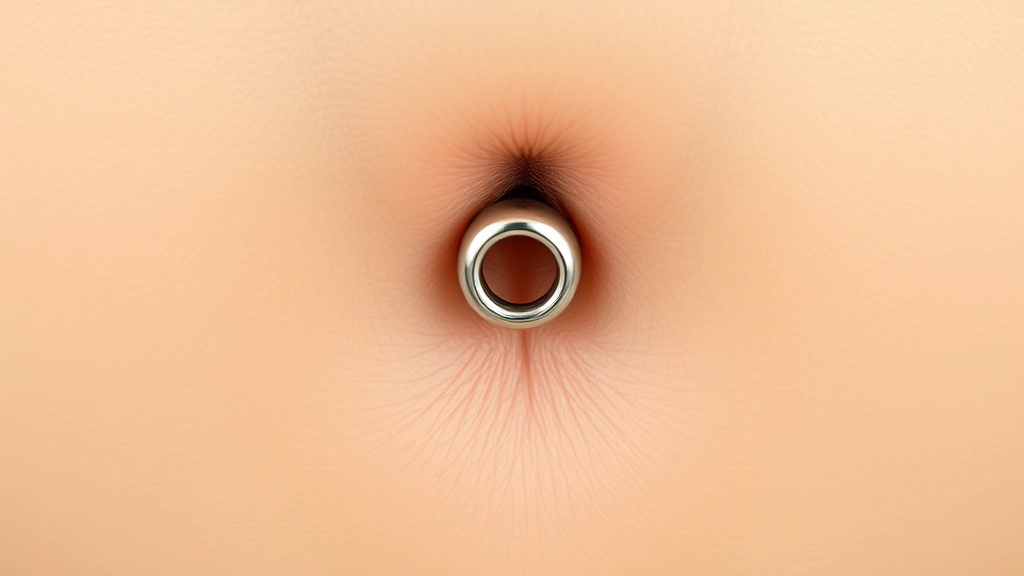
So you’re wondering how long does a belly button piercing take to heal? The short answer is that most navel piercings take anywhere from 6 to 12 months to fully heal, though the timeline varies based on your body, aftercare routine, and a few other factors we’ll dig into here.
Table of Contents
Initial Healing Phase
The first 2-4 weeks after getting your navel piercing are critical. During this window, your body treats the piercing like any other wound—it’s going to bleed a bit, swell, and start forming that protective barrier. You’ll notice some crusty buildup around the jewelry, which is totally normal. That’s lymph fluid drying up, not infection. Don’t panic and don’t pick at it.
Your piercer probably gave you a saline solution or salt water rinse instructions. Use them. Twice daily is the sweet spot—once in the morning, once at night. This keeps the area clean without being too aggressive. Think of it like cleaning a workshop after a project: you want it tidy, but you’re not scrubbing it raw.
Factors Affecting Your Timeline
Not everyone heals at the same pace, and that’s where things get interesting. Your age matters—younger skin typically heals faster than older skin. Your overall health plays a role too. If you’re stressed, sleep-deprived, or eating poorly, your body’s healing response takes a hit. It’s like trying to finish a DIY project when you’re exhausted; everything takes longer.
Smoking is a major culprit that slows healing. If you smoke, expect your timeline to stretch from 9-12 months toward the 12-18 month range. Alcohol consumption can also interfere with your immune response. Pregnancy affects healing timelines too, as your body prioritizes other biological processes. Even your piercing location on your belly button matters—some spots heal faster than others depending on movement and tension.
Aftercare Essentials Matter
This is where you either nail it or fumble the project. Your aftercare routine directly impacts how quickly that belly button piercing heals. Here’s what actually works:
Saline Solution: Use sterile saline solution or make your own with non-iodized sea salt and distilled water. Soak the piercing for 5-10 minutes twice daily. This isn’t optional if you want faster healing.
Clothing Choices: Tight clothing irritates the piercing. Wear loose, breathable fabrics—think cotton t-shirts rather than tight crop tops. Your belly button needs breathing room, literally.
Avoid Touching: Your hands carry bacteria. Don’t twist the jewelry, don’t fidget with it, don’t let friends poke it. Hands off means faster healing. This is harder than it sounds, but discipline pays off.
Swimming & Water: Chlorinated pools and hot tubs are piercing enemies. Wait at least 2-3 weeks before swimming, and even then, cover it with a waterproof bandage. Ocean water is slightly better but still risky during early healing.
Signs of Trouble Ahead
Sometimes things don’t go smoothly, and you need to recognize the warning signs. A little redness and swelling in the first week? Normal. Excessive swelling that doesn’t improve after a few days? That’s a problem. Pus (not lymph) with a foul smell indicates infection. Yellow or green discharge, increasing pain, or fever means you need to see a healthcare provider immediately.
Keloids are another concern—these are raised scar tissue bumps that can form around the piercing. They’re more common in people with darker skin tones and tend to run in families. If you notice a hard bump growing around the jewelry, talk to your piercer or doctor about treatment options.
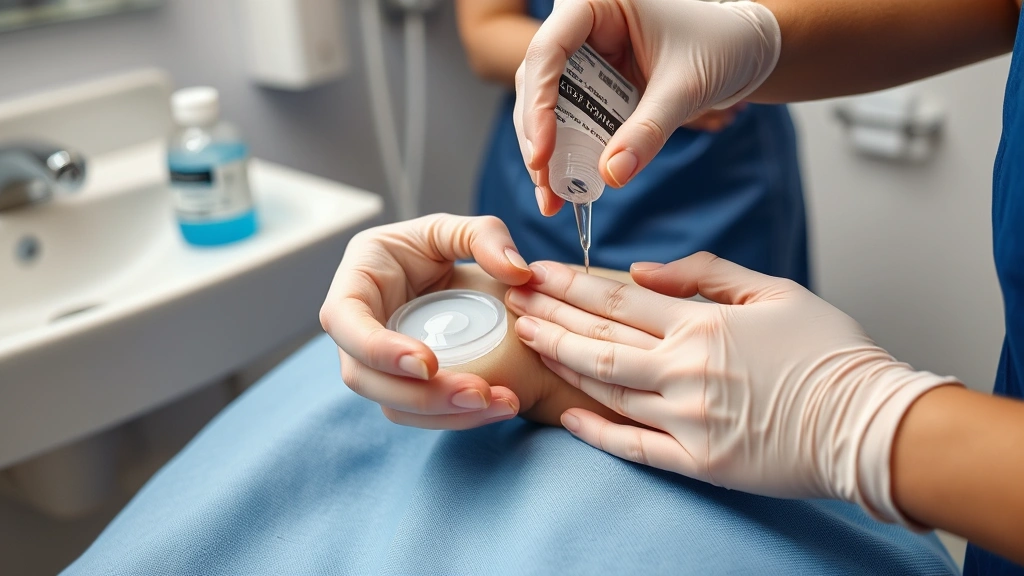
Rejection is rare with navel piercings but possible. If the jewelry starts migrating toward the surface or you see thinning skin around the hole, your body might be rejecting it. Catching this early means you can remove the jewelry before permanent scarring occurs.
Jewelry Changes & Timing
Here’s the mistake most people make: changing jewelry too early. Even if your piercing looks healed on the outside after 3-4 months, the inside is still forming. The general rule is to wait 6 months minimum before changing to different jewelry, and 9-12 months is safer. Think of it like paint drying—it might feel dry to the touch after a few hours, but it’s not fully cured for days.
When you do change jewelry, use sterile tools and clean hands. Have your piercer do it if you’re nervous. Surgical steel, titanium, or gold are your safest bets. Avoid cheap plated metals that can flake off inside your piercing. That’s asking for infection and irritation.
Common Healing Mistakes
Let’s talk about what NOT to do. First mistake: using hydrogen peroxide or alcohol to clean the piercing. These are too harsh and actually slow healing. Stick with saline solution—that’s it. Second mistake: rotating the jewelry constantly. This tears delicate healing tissue and resets your timeline. Leave it alone.
Third mistake: changing jewelry too soon. We mentioned this already, but it bears repeating because it’s the most common error. Fourth mistake: sleeping on your stomach if your piercing is fresh. This puts pressure on the jewelry and irritates the site. Sleep on your back for the first month if possible.
Fifth mistake: ignoring signs of infection because you’re embarrassed. Pride doesn’t heal piercings; proper medical care does. If something feels wrong, get it checked out.
When Are You Fully Healed?
Full healing of a navel piercing typically takes 6-12 months, with 9 months being the average sweet spot. You’ll know it’s fully healed when there’s no discharge, no tenderness, no swelling, and the piercing feels stable. The skin around it will look normal, and you can rotate the jewelry without pain or resistance.
Here’s the thing though: even after it feels healed, the internal fistula (the piercing channel) continues to strengthen for several more months. This is why you shouldn’t go too long without wearing jewelry during the first year—the hole can close up surprisingly fast if you leave it empty.
For detailed guidance on maintaining other items like how to clean silver at home, check out our other resources. And if you’re looking to care for your overall appearance, we have tips on how to get a better jawline that complement your new piercing aesthetic.
Frequently Asked Questions
Can I shower with a fresh belly button piercing?
Yes, but be careful. Avoid letting soap and shampoo directly hit the piercing. Pat it dry gently with a clean paper towel afterward. Don’t soak it in a bathtub with bath products—stick to saline soaks instead.
What if my piercing is still swollen after 2 weeks?
Some swelling is normal for 2-3 weeks, but excessive swelling that doesn’t improve suggests irritation or early infection. Try ice packs for 10 minutes at a time, keep up with saline soaks, and see your piercer if it worsens.
Is it normal to have yellow discharge?
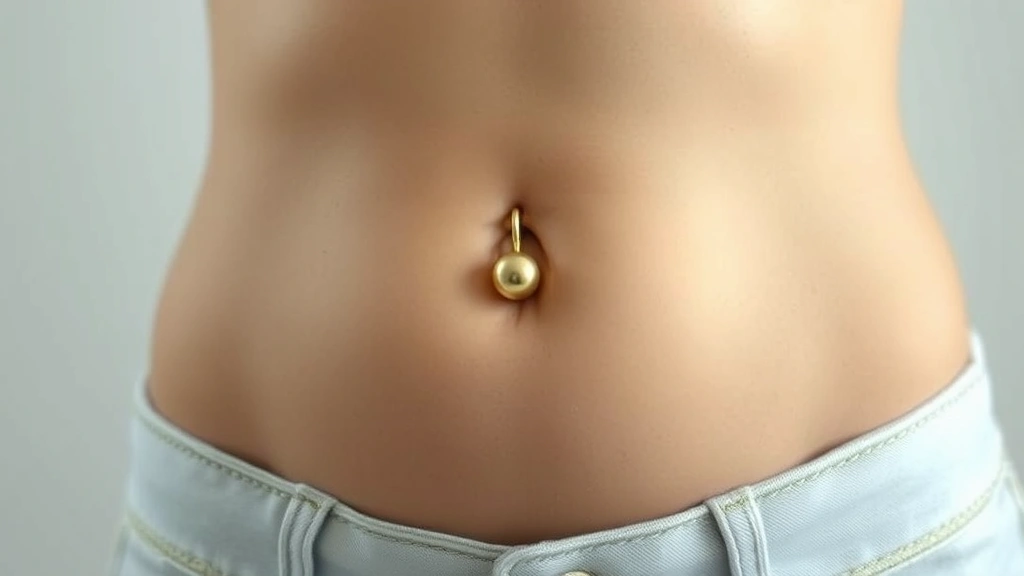
Clear to slightly cloudy lymph discharge is normal. Yellow or green discharge with an odor indicates infection. That’s when you need professional help, whether from your piercer or a doctor.
Can I work out with a new belly button piercing?
Wait at least 1-2 weeks before intense exercise. When you do return to the gym, wear loose clothing and avoid activities that put direct pressure on your abdomen. Sweat isn’t the enemy, but friction and impact are.
How do I know if my piercing is infected?
Signs of infection include excessive swelling, pus (not clear lymph), foul odor, increasing pain, redness that spreads, and fever. If you have these symptoms, see a healthcare provider immediately.
What jewelry material is best during healing?
Surgical steel, implant-grade titanium, or solid gold are safest. Avoid plated metals, nickel, and anything cheap. Stick with the original jewelry your piercer installed until full healing is complete.
Can I sleep on my stomach with a fresh piercing?
Not recommended for the first month. Sleeping on your back reduces pressure and irritation on the piercing site. Once it’s more established, stomach sleeping is fine.
How long can I leave the jewelry out?
During the first year, don’t leave it out for more than a few hours. The hole can close surprisingly fast. After a year of being healed, you have more flexibility, but extended periods without jewelry can still cause closure.
Will my piercing scar when it heals?
Minor scarring is possible but usually minimal if you follow proper aftercare. Large keloids or rejection scars are less common but can happen. Proper technique and care minimize scarring risk.
Is there a best time of year to get pierced?
Summer is actually trickier because of swimming and increased sweating. Fall or winter is better—fewer water activities and less heat-related complications. But honestly, any time works if you’re committed to aftercare.
Wrapping It Up
Getting your belly button pierced is exciting, but patience during the healing phase determines your success. Plan for 6-12 months of careful maintenance, stick to saline soaks, keep your hands off, and wear appropriate jewelry. According to guidance from Family Handyman on general body care and Bob Vila on maintenance principles, the fundamentals of proper care apply across the board—consistency beats shortcuts every time.
Your body is doing the heavy lifting here; you’re just providing the right environment for it to work. Treat your new piercing with respect, follow the timeline, and you’ll have a beautiful navel piercing that’s properly healed and ready for whatever jewelry you want to wear. Think of it like finishing a fine woodworking project—rushing the final curing coat ruins everything. Take your time, do it right, and enjoy the results.


