
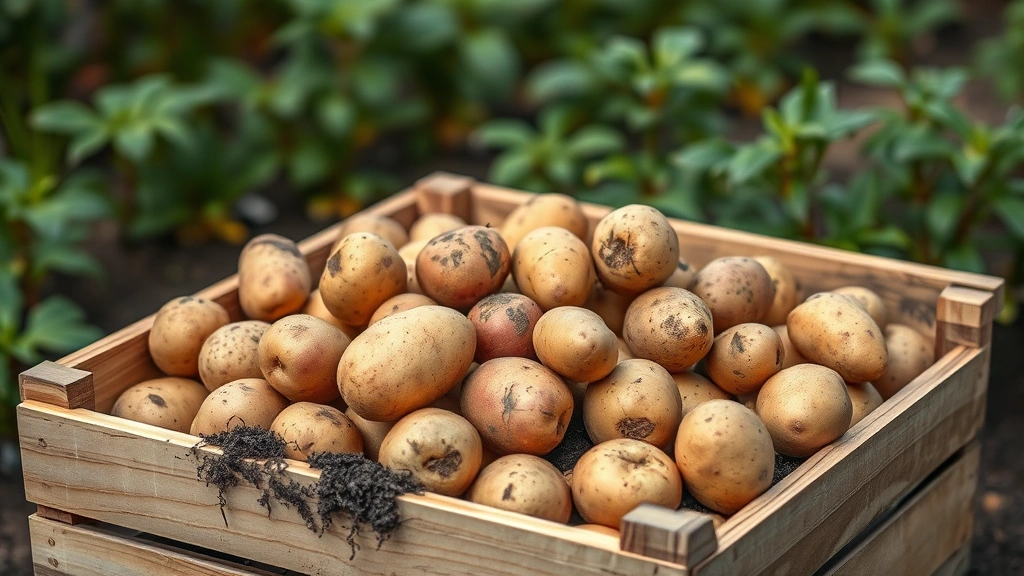
So you’re wondering how long do potatoes take to grow? The short answer is 70 to 120 days from planting to harvest, depending on the variety and growing conditions. But if you’re actually planning to grow your own spuds, there’s a lot more to know about timing, soil prep, and what happens during those weeks underground.
Table of Contents
Potato Growth Timeline Basics
Let me be straight with you—potatoes are one of the easiest vegetables to grow in your garden, but they do require patience. From the moment you stick a seed potato in the ground to pulling up a basket of golden tubers, you’re looking at a commitment of roughly 2.5 to 4 months. That timeline breaks down like this: germination takes 2-3 weeks, vegetative growth takes 4-6 weeks, tuber formation takes another 4-6 weeks, and maturation rounds out the final 2-3 weeks.
The beauty of potato growing is that you can plant multiple batches throughout the season if your climate allows it. Spring plantings typically mature by mid-summer, while fall plantings can stretch into late autumn. I’ve grown potatoes in containers, raised beds, and traditional in-ground gardens—they adapt well to whatever space you’ve got.
Early Potatoes vs Late Varieties
Not all potatoes take the same time to mature, and this is crucial for planning your harvest. Early potato varieties like Yukon Gold, Red Norland, and Irish Cobbler will be ready to dig in about 70-90 days. These are your quick wins if you want fresh potatoes for summer salads. Mid-season varieties like Kennebec and Katahdin need 90-110 days, while late-season potatoes like Russets and Butte can take 110-130 days to fully develop.
I always recommend planting a mix of varieties if space permits. You’ll get early harvests for fresh eating, mid-season crops for storage, and late varieties for those hearty winter meals. It’s like staggering your vegetable production so you’re not drowning in potatoes all at once.
Soil Temperature Matters Most
Here’s what most beginners miss: the calendar doesn’t matter nearly as much as soil temperature. Potatoes need soil that’s at least 45°F to even sprout, but they really thrive when soil hits 60-70°F. If you plant too early in cold, wet soil, your seed potatoes will just sit there and rot. I’ve learned this the hard way by jumping the gun in March and watching everything turn to mush.
Use a simple soil thermometer—they cost about five bucks and save you from wasting seed potatoes. Wait until your soil consistently reaches 50°F at planting depth before you put anything in the ground. In most regions, this means late April or May for spring planting. Fall planting works when soil temperatures are dropping back into that sweet 50-70°F range, usually late July through August depending on where you live.
Planting Depth and Spacing
The depth you plant your seed potatoes directly affects how long they take to germinate and how productive they’ll be. Plant pieces about 4 inches deep with the cut-side down. Spacing matters too—give each piece about 12 inches of space in rows that are 24-30 inches apart. Cramped potatoes compete for nutrients and won’t reach their full potential.
I use the “hilling” method where I plant shallow initially, then add soil or mulch as the plants grow. This encourages more tuber formation along the buried stem. It’s extra work but yields bigger harvests. Whether you’re doing traditional rows or container growing, consistent spacing prevents disease and stress.
Four Stages of Growth
Understanding what’s happening underground helps you know if you’re on track. Stage 1: Sprouting (weeks 1-3) is when the seed potato sends up its first shoots. You won’t see much above ground, but roots are establishing below. Stage 2: Vegetative Growth (weeks 4-8) is when your plant shoots up and develops full foliage. This is your “let it grow” phase—don’t harvest yet. Stage 3: Tuber Formation (weeks 8-12) is when the magic happens underground. The plant stops growing as aggressively above ground because energy is redirecting to potato development. Stage 4: Maturation (weeks 12-16+) is when tubers stop growing and skin hardens. The plant will eventually die back, signaling readiness to harvest.
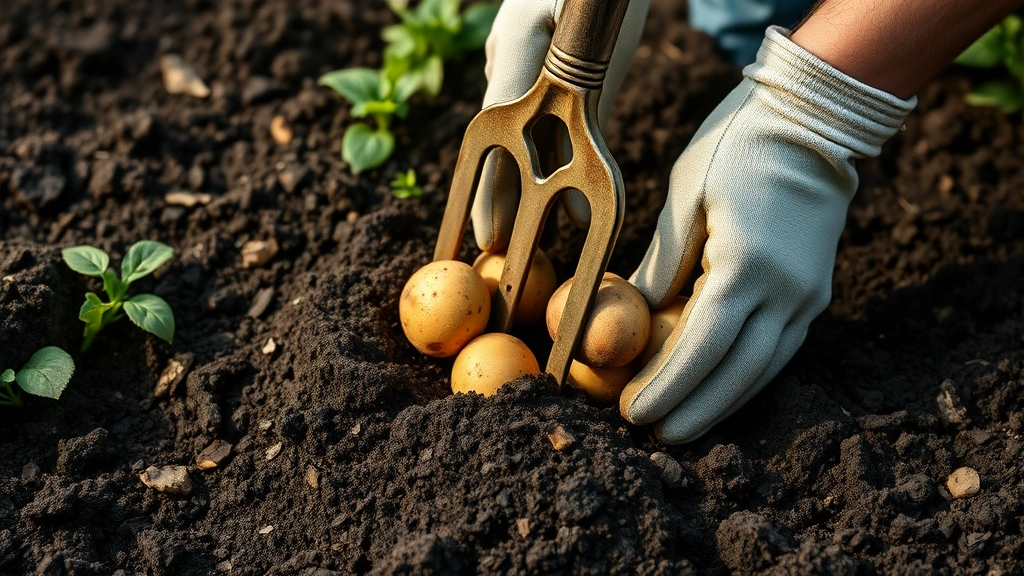
Each stage has different water and nutrient needs. Missing this progression is why some folks end up with tiny potatoes or undersized yields.
Watering and Feeding Schedule
Potatoes are thirsty plants that need consistent moisture—about 1-2 inches per week depending on rainfall and heat. During tuber formation (that critical stage 3), water becomes even more important. Inconsistent watering leads to cracked potatoes and disease problems. I use drip irrigation or soaker hoses to keep moisture steady without wetting foliage, which invites fungal issues.
Fertilizing depends on your soil, but potatoes are medium feeders. If you worked compost into your beds before planting, you’re probably fine. If not, side-dress with balanced fertilizer once plants are 6 inches tall, then again when they start flowering. Too much nitrogen pushes foliage growth at the expense of tubers, so don’t overdo it. A little balanced 5-10-10 fertilizer goes a long way.
Pest and Disease Management
Potatoes attract their share of problems, but most are manageable. Colorado potato beetles are the main pest—watch for them starting in early summer and hand-pick them or use organic controls. Blight is the disease to fear, especially in humid regions. It spreads fast and can wipe out your entire crop. Plant disease-resistant varieties when possible, ensure good air circulation, and don’t overhead water.
Rotating crops is non-negotiable if you’re growing potatoes in the same spot year after year. Plant potatoes in a different bed each season to break pest and disease cycles. I move my potato beds around every three years minimum.
Knowing When to Harvest
Early potatoes can be harvested as “new potatoes” 2-3 weeks after flowering—just dig around the plant gently and steal a few without killing it. For full maturity, wait until plant foliage dies back completely. That’s your signal the tubers have stopped growing and skin has hardened. Cut back the dead plants, wait a week or so, then dig.
Don’t harvest in wet conditions if you can help it. Muddy potatoes are harder to clean and more prone to storage rot. Harvest on a dry day, handle gently (they bruise easier than you’d think), and let them cure before storage. Curing in a cool, dark place for 1-2 weeks toughens the skin and extends storage life dramatically.
Storage and Curing Tips
After harvest, potatoes need to cure in darkness at 50-60°F with moderate humidity for 1-2 weeks. This heals any small cuts and thickens the skin. Once cured, store in a cool (45-50°F), dark place—a basement corner, root cellar, or even a garage works. Keep them away from light to prevent greening and sprouting.
Don’t store potatoes with onions or apples—they’ll spoil faster. Paper bags or cardboard boxes work better than plastic, which traps moisture. Properly stored potatoes last 3-4 months easily. I’ve kept some into spring by keeping them consistently cool and dark.
Frequently Asked Questions
Can I grow potatoes year-round?
Not everywhere, but in mild climates you can do spring and fall crops. Cold regions get one main season. Heat kills tuber production, so summer growing doesn’t work in hot areas. Check your local frost dates and plan accordingly.
What’s the difference between seed potatoes and eating potatoes?
Seed potatoes are certified disease-free and sized for planting. Eating potatoes from the grocery store are often treated with sprout inhibitors. You can technically plant eating potatoes, but certified seed gives you better results and healthier plants.
How many potatoes will one seed piece produce?
One seed piece typically yields 5-10 potatoes, sometimes more with good conditions. That’s why potato growing is so rewarding—one small investment returns a full harvest.
Do potatoes need full sun?
Six to eight hours of direct sun is ideal, but potatoes tolerate partial shade better than most vegetables. In hot climates, afternoon shade actually helps prevent stress.
Why are my potatoes small?
Small potatoes usually mean inconsistent watering, poor soil, overcrowding, or harvesting too early. Make sure plants have steady moisture, space them properly, and wait for full maturity before digging.
Can I grow potatoes in containers?
Absolutely. Five-gallon buckets, grow bags, or wooden boxes all work. Container potatoes need more frequent watering and feeding since nutrients leach faster. The timeline remains the same—70-120 days depending on variety.
Growing your own potatoes transforms how you think about food. There’s something deeply satisfying about harvesting a crop you planted months earlier. Whether you’re growing early varieties for summer salads or late-season russets for winter storage, understanding how long potatoes take to grow helps you plan, troubleshoot, and maximize your harvest. Start with certified seed potatoes, watch your soil temperature, keep moisture consistent, and you’ll be pulling up baskets of homegrown spuds in no time.
For fresh recipe ideas once you’ve harvested, check out these boiled potato recipes or try them in fall crockpot recipes for comfort food. You can even pair them with greens and beans for a complete meal. If you want to expand your garden game, learn how to make apple sauce from your harvest or try fried cauliflower recipe ideas for other garden vegetables.


