
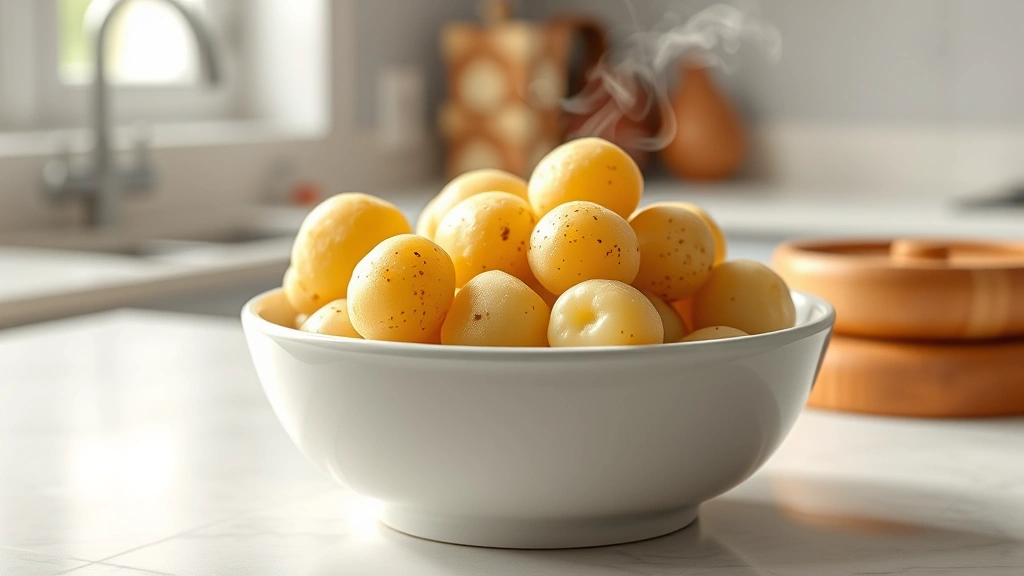
How long do potatoes take to boil? That’s one of those kitchen questions that seems simple until you’re standing over a pot wondering if you’ve overcooked them or if they need another five minutes. The truth is, boiling time depends on several factors—potato size, type, altitude, and whether you’re starting with cold or hot water. Let me walk you through everything you need to know to nail it every single time.
Table of Contents
Boiling Times by Size
The size of your potatoes is the biggest factor in how long do potatoes take to boil. Small potatoes—about the size of a golf ball or smaller—typically need 10 to 15 minutes in boiling water. Medium potatoes, roughly the size of a tennis ball, take 15 to 20 minutes. Large whole potatoes can take 20 to 30 minutes or even longer depending on how thick they are.
If you cut potatoes into chunks, you’re dramatically reducing cook time. Quarter-inch cubes might be done in just 5 to 10 minutes. Half-inch chunks usually need 10 to 15 minutes. The key is keeping pieces relatively uniform so they cook evenly. Nobody wants some pieces mushy while others are still firm.
Potato Types Matter
Not all potatoes cook at the same speed, and understanding potato varieties helps you plan better. Waxy potatoes like red potatoes and fingerlings have lower starch content and hold their shape well, but they cook a bit slower—usually on the longer end of the timing range. Starchy potatoes like russets cook faster and become fluffier, making them ideal for mashed potatoes.
Yellow potatoes like Yukon Golds fall somewhere in the middle and are incredibly versatile. They cook relatively quickly and have a naturally buttery flavor. New potatoes, which are harvested early, are smaller and cook the fastest. If you’re making a coleslaw recipe or potato salad, waxy varieties are your best bet because they won’t fall apart during boiling.
Cold Water vs Hot Water Start
Here’s where technique really matters. Starting potatoes in cold water and bringing them to a boil is the traditional method and what most home cooks do. This approach takes longer overall—you’re looking at about 5 to 10 extra minutes for the water to heat up before cooking even begins. However, this method is more forgiving and helps potatoes cook more evenly because the temperature rises gradually.
Starting with already-boiling water is faster overall but requires more attention. You add potatoes to rapidly boiling water, and they start cooking immediately. This method works great for small or cut potatoes but can sometimes result in uneven cooking if you’re not careful. The outside might soften while the inside stays firm. For best results with the hot water method, make sure your potatoes are similar in size and add them carefully to avoid splashing.
Altitude Affects Cooking Time
If you live at high altitude, water boils at a lower temperature, which means everything takes longer to cook. At sea level, water boils at 212°F. At 5,000 feet elevation, it boils at about 203°F. At 10,000 feet, it’s only 194°F. This means potatoes take noticeably longer to cook the higher you go.
As a general rule, add about 5 minutes to your cooking time for every 1,000 feet above sea level. So if you live at 5,000 feet and a recipe says 15 minutes, plan on closer to 40 minutes. It’s frustrating but unavoidable. The good news is that using a pressure cooker or instant pot can help offset this problem significantly—they maintain higher internal pressure, which raises the boiling point of water.
Testing for Doneness
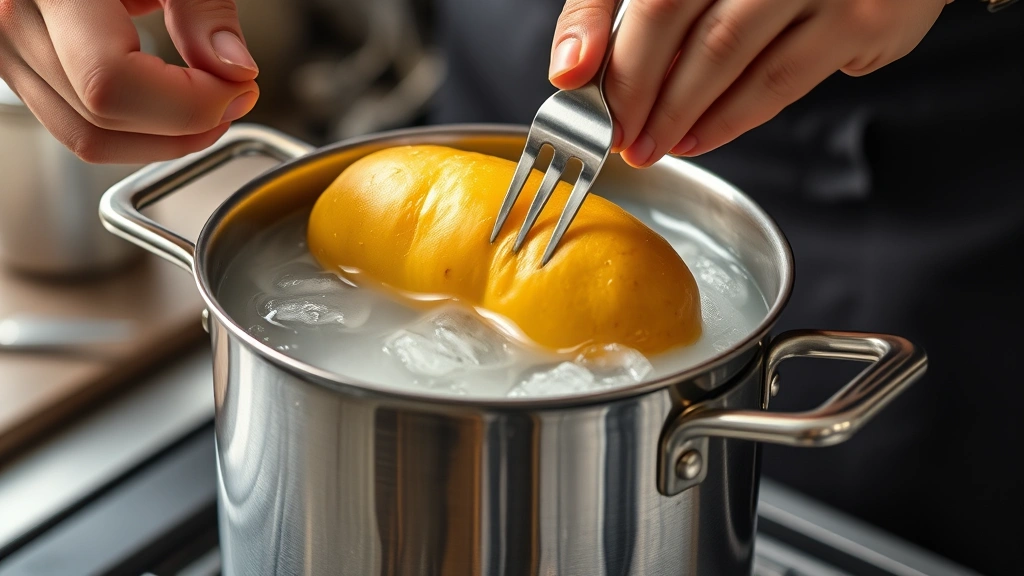
Don’t rely solely on time—use the fork test instead. Pierce a potato with a fork or knife. If it slides through with almost no resistance, you’re done. If you feel firmness in the center, give it a few more minutes. This is the most reliable way to know when your potatoes are actually ready.
For potato salad or dishes where you want them to hold their shape, you want them tender but still slightly firm—not falling apart. For mashed potatoes, you want them completely soft, almost falling off the fork. Taste a small piece if you’re unsure. The texture should be creamy and soft throughout, with no hard or chalky center.
Common Boiling Mistakes
One huge mistake is overcrowding the pot. If you pack too many potatoes in, the water temperature drops, and everything takes longer to cook unevenly. Fill your pot so potatoes are covered by about an inch of water, but don’t cram them in. Work in batches if needed.
Another common error is not salting the water adequately. Salt isn’t just for flavor—it raises the boiling point slightly and helps potatoes cook more evenly. Use about a teaspoon of salt per quart of water. Some cooks also make the mistake of draining potatoes immediately and leaving them in a cold colander, which can make them watery. Instead, drain them and let them sit in the warm pot for a minute to evaporate excess moisture.
Speed Up the Process
If you’re in a hurry, cut potatoes into smaller pieces—this is the most effective method. Smaller pieces cook exponentially faster. You can also use a pressure cooker or instant pot, which reduces cooking time to just 5 to 10 minutes regardless of potato size. These tools are game-changers if you boil potatoes regularly.
Another trick is to add baking soda to the water—just a pinch. It raises the pH, which slightly accelerates cooking. Some cooks swear by starting with hot water from the tap or even kettle water instead of cold water. And if you’re making flavored rice recipes as a side dish, you can prep your potatoes while the rice cooks.
Storage and Reheating
Boiled potatoes keep in the refrigerator for up to five days in an airtight container. You can reheat them by microwaving, boiling briefly, or pan-frying with a little butter. If you’re planning to make classic Bolognese recipe Italian with boiled potatoes on the side, you can actually boil them the day before and store them.
For potato salad, boil potatoes ahead of time, chill them completely, then cut and dress them. This actually improves flavor because the potatoes absorb the dressing better when they’re cool. If you’re prepping for meal prep, boiled potatoes are incredibly convenient—they’re already cooked and just need quick reheating.

Frequently Asked Questions
Can I boil potatoes without peeling them?
Absolutely. Boiling potatoes with the skin on is actually preferred by many cooks. The skin helps them hold their shape and retain nutrients. Just wash them first. You can peel them before or after boiling—after is often easier because the skin slips off when they’re warm.
Why are my boiled potatoes watery?
This usually happens if you drain them and immediately put them in a cold colander or dish. Instead, drain them and let them sit in the warm pot for a minute or two to evaporate excess moisture. You can also toss them gently with a little butter or oil, which helps them dry out.
Can I add other ingredients while boiling?
Yes. Many cooks add garlic cloves, bay leaves, thyme, or rosemary to the boiling water for flavor. Some add a tablespoon of vinegar. Just remember that additional ingredients don’t significantly change cooking time—the potato size and type are still the main factors.
How do I know if potatoes are overcooked?
Overcooked potatoes become mushy and start falling apart. They’ll look almost like they’re dissolving in the water. If you’re making mashed potatoes, this is actually fine—you want them soft. But for potato salad or corn salsa recipe toppings, you want them to hold their shape, so stop cooking as soon as they’re tender.
Should I add cold water to stop the cooking?
Draining is usually sufficient. If you’re worried about carryover cooking, drain them immediately and spread them on a clean kitchen towel or baking sheet to cool. This stops the cooking process faster than adding cold water, which can make them soggy.
What’s the difference between boiling and steaming potatoes?
Steaming takes slightly longer but preserves more nutrients and flavor. Boiling is faster and more convenient for large batches. For dishes like Blackstone fried rice recipe, boiled potatoes work perfectly because they’re already soft.
Final Thoughts
So how long do potatoes take to boil? The real answer is: it depends. Small whole potatoes need 10 to 15 minutes, medium ones need 15 to 20 minutes, and large ones need 20 to 30 minutes. Cut pieces cook faster—usually 5 to 15 minutes depending on size. The best approach is to start checking at the lower end of the time range with a fork test. Don’t just set a timer and walk away. Every pot, stove, and batch of potatoes is slightly different.
The key to consistent results is understanding the variables: potato size, type, altitude, and whether you’re starting with cold or hot water. Once you’ve boiled potatoes a few times and gotten a feel for it, you’ll develop an intuition that takes the guesswork out. Salt your water, don’t overcrowd the pot, and test for doneness with a fork. That’s really all you need to master this fundamental cooking skill. Happy boiling!


