
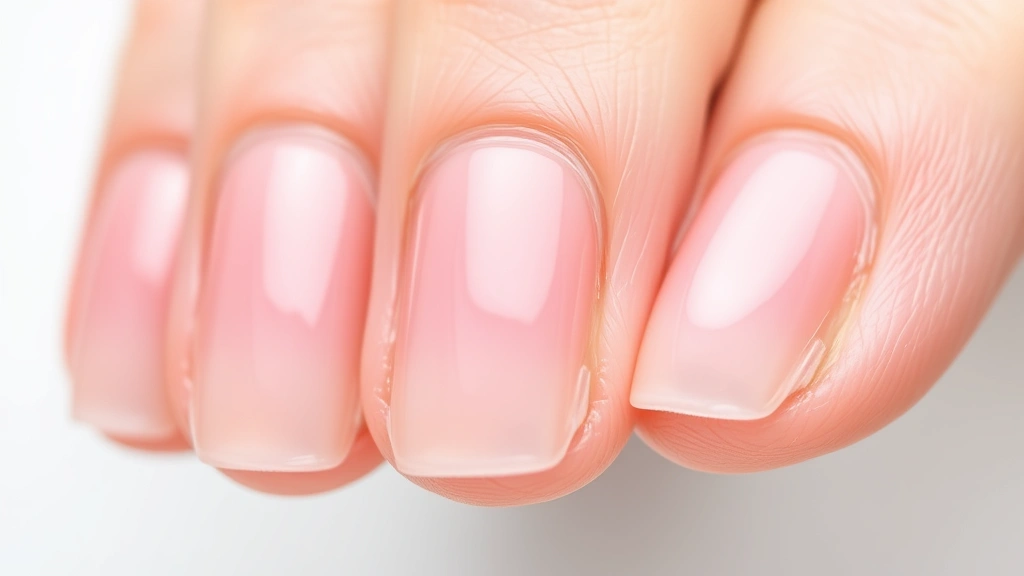
So, how long do nails take to grow? If you’ve ever wondered why your nails seem to take forever to recover from a break or why you’re constantly trimming them, you’re not alone. The truth is, nail growth is a fascinating biological process that varies from person to person, and understanding it can help you maintain healthier, stronger nails. In this guide, we’ll break down everything you need to know about nail growth rates, the factors that influence them, and practical tips to keep your nails in top shape.
Table of Contents
Nail Growth Basics Explained
Your nails are made of a protein called keratin, the same stuff that makes up your hair and the outer layer of your skin. Unlike hair, though, nails grow from a specialized area called the nail matrix, which sits hidden beneath your skin at the base of your nail. This matrix is constantly producing new cells that push the older, dead cells forward, creating the nail you see. It’s a continuous process, much like how a conveyor belt moves material along—except this one’s happening right under your fingertips.
The visible part of your nail, called the nail plate, is made up of layers of dead keratin cells that have been flattened and compacted. That’s why cutting your nails doesn’t hurt—there are no nerve endings in the nail plate itself. The real action happens in the matrix, where living cells are dividing and multiplying to create new nail material. Understanding this process is key to knowing why how long do nails take to grow varies so much between individuals.
How Fast Do Nails Actually Grow
On average, fingernails grow about 3 to 3.5 millimeters per month, or roughly 0.1 millimeters per day. That means a completely new fingernail takes about 4 to 6 months to grow from the matrix all the way to the tip of your finger. If you’ve ever broken a nail and wondered when it would grow back, now you know—patience is required. Some people’s nails grow faster, reaching 4 to 5 millimeters per month, while others grow slower at 2 to 3 millimeters monthly.
To put this in perspective, if you cut your nails today, it’ll take roughly 3 to 4 weeks before they’re back to a reasonable length for most people. That’s why people who bite their nails or work in jobs that constantly damage them often struggle to grow them out—it’s a slow process that requires consistent care and protection. The growth timeline also depends on which finger you’re looking at. Interestingly, the nails on your dominant hand tend to grow slightly faster than those on your non-dominant hand, probably due to increased blood circulation from more frequent use.
Factors That Speed Up Growth
Several factors can influence how quickly your nails grow. Temperature is one of the biggest—nails actually grow faster in warmer months and slower in winter. This is because your body increases blood circulation to extremities when it’s warm, delivering more nutrients to the nail matrix. If you live in a cold climate or spend winter indoors with dry heat, you might notice your nails growing more slowly during those months.
Hormonal changes also play a significant role. During pregnancy, many women report that their nails grow faster and stronger than usual, thanks to hormonal shifts. Similarly, thyroid problems can affect nail growth rates. When your thyroid isn’t functioning properly, it can slow down your metabolism and, consequently, your nail growth. Stress is another culprit—chronic stress can actually slow down nail growth because your body prioritizes other functions over nail production.
Your overall health status matters too. People who are generally healthy, exercise regularly, and maintain good circulation tend to have faster-growing nails. On the flip side, certain medical conditions, nutritional deficiencies, and medications can all slow down nail growth. Even something as simple as whether you’re right-handed or left-handed affects growth rates, with dominant-hand nails typically growing about 20% faster than non-dominant ones.
Fingernails Versus Toenails
Here’s where things get interesting: toenails grow much more slowly than fingernails. While fingernails take 4 to 6 months to completely regrow, toenails can take 12 to 18 months for a full regrowth cycle. That’s roughly three times longer. This difference exists because your toes have less blood circulation than your fingers, and the nail matrix in your toes is less active. Additionally, toenails are thicker and denser than fingernails, which affects how quickly new cells are produced and pushed forward.
The thickness difference is actually functional—your toenails need to be more robust to handle the constant pressure and impact from walking and running. But this durability comes at a cost: slower growth. If you’ve ever had a toenail injury or infection, you know how frustrating it can be to wait for it to grow out completely. This is why understanding healing timelines for various body parts is helpful when dealing with nail injuries.
Age, Genetics, and Growth
Your age significantly impacts how long nails take to grow. Children and young adults typically have the fastest-growing nails, while nail growth tends to slow down as you age. In your 20s and 30s, you might see nails growing at their peak rate. By the time you reach your 60s and 70s, growth can slow by 20 to 30 percent. This slowdown is partly due to decreased circulation and partly because your body’s cell production naturally becomes less efficient with age.

Genetics play an equally important role. If your parents had fast-growing, strong nails, you likely inherited that trait. Conversely, if nail growth runs slow in your family, you might be fighting an uphill battle trying to grow long nails. Your genetic makeup determines the activity level of your nail matrix and how efficiently your body produces keratin. You can’t change your genetics, but understanding your family history can help set realistic expectations for your own nail growth.
Nutrition’s Role in Nail Health
You are what you eat, and that applies to your nails too. Protein is absolutely crucial because nails are made of keratin, a protein. If you’re not eating enough protein—whether from meat, fish, eggs, legumes, or dairy—your nail growth will suffer. Biotin, a B vitamin, is another superstar nutrient for nails. Studies have shown that biotin supplementation can improve nail thickness and reduce brittleness, potentially speeding up growth as well.
Iron deficiency can cause nail problems and slow growth, which is why people with anemia often have weak, brittle nails. Zinc is essential for cell division, which is exactly what’s happening in your nail matrix. Vitamin C supports collagen production, which provides structure to your nails. B vitamins, particularly B12 and folate, support overall cell health and growth. The bottom line? A well-rounded diet with plenty of protein, fruits, vegetables, and whole grains will support faster, healthier nail growth. Many people find that maintaining balanced nutrition through proper meal planning helps improve their overall health, including nail quality.
Common Nail Growth Issues
Several conditions can interfere with normal nail growth. Onychomycosis, commonly known as a fungal nail infection, is one of the most common. Fungal infections slow growth and cause nails to become thick, discolored, and brittle. These infections can take months to clear up, even with treatment, because you have to wait for the infected nail to grow out completely. Psoriasis and other skin conditions can also affect nails, causing pitting, discoloration, and growth problems.
Trauma is another major factor. If you’ve broken a nail or damaged the nail matrix through injury, growth can be disrupted or even permanently altered. Some people develop ridges or discoloration after an injury that persists for months until the damaged portion grows out. Nutritional deficiencies, as mentioned earlier, can cause horizontal lines (Beau’s lines) across your nails, indicating a temporary interruption in growth. If you notice sudden changes in your nail growth or appearance, it’s worth consulting a dermatologist to rule out underlying health issues.
Proven Ways to Boost Growth
If you want to speed up nail growth, start with the basics: keep your nails moisturized. Apply cuticle oil or hand cream regularly, especially after washing your hands. Moisturized nails are less likely to break, which means they can grow longer without interruption. Avoid harsh chemicals and excessive water exposure—wear gloves when cleaning or doing dishes. Prolonged water exposure weakens nails and makes them more prone to breaking.
Take biotin supplements if your diet isn’t providing enough. Most studies suggest 2.5 milligrams daily for 6 to 9 months to see results. Ensure you’re getting adequate protein and other essential nutrients. If you suspect a deficiency, get blood work done to confirm before supplementing. Keep your nails trimmed regularly—this might seem counterintuitive, but trimming prevents splitting and breakage, which actually allows your nails to grow longer overall. File your nails in one direction rather than sawing back and forth, which causes splitting.
Minimize damage by avoiding using your nails as tools. Don’t pick at your cuticles or use your nails to scrape things off. Wear protective gloves during activities that might damage them. Stay hydrated—drinking enough water supports overall health and can improve nail growth. Exercise regularly to improve circulation, which delivers more nutrients to your nail matrix. Finally, manage stress through meditation, yoga, or whatever works for you, since chronic stress can slow growth.
Building Your Nail Care Routine
Creating a consistent nail care routine is one of the best ways to support healthy growth. Start each morning by applying hand cream or cuticle oil. This takes 30 seconds and makes a huge difference. Keep your nails trimmed to a reasonable length—shorter nails are less likely to break, which means they can grow out faster without setbacks. Trim them every 1 to 2 weeks, depending on how fast they grow.
File your nails gently using a nail file, always filing in one direction from the outer edge toward the center. Avoid metal files if possible; they can cause more splitting than gentler options like glass or ceramic files. Keep your cuticles healthy by gently pushing them back with a cuticle pusher rather than cutting them. Your cuticles protect the nail matrix, so damaging them can interfere with growth. Moisturize your cuticles daily—they’re just as important as the nail itself.
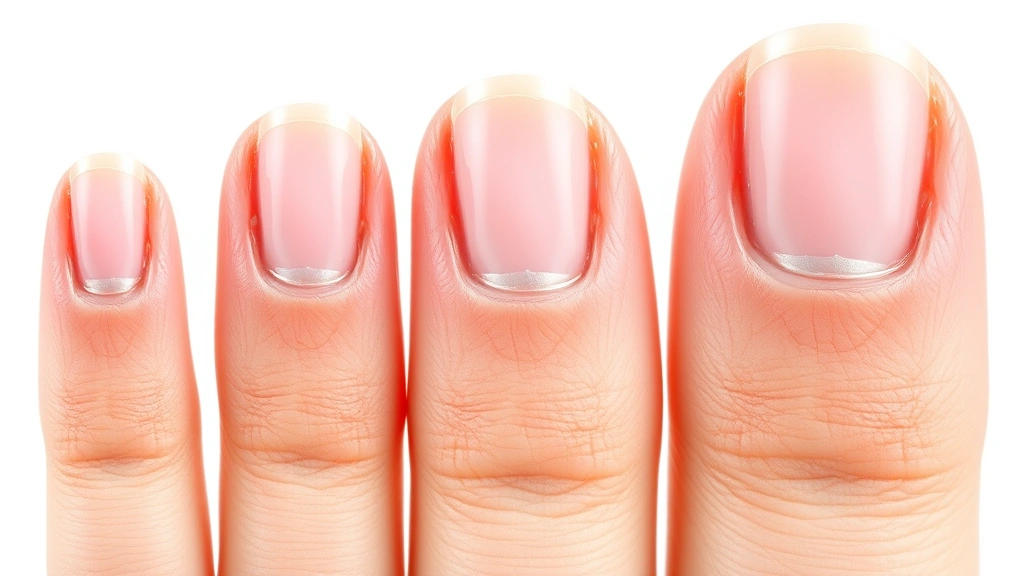
Avoid harsh nail polish and acetone-based removers when possible. If you do wear polish, give your nails a break every few weeks to let them breathe. When removing polish, use gentler, acetone-free removers or soak your nails in warm water to soften the polish before gently scraping it off. Wear gloves when doing chores, and avoid prolonged water exposure. Keep your hands protected from extreme temperatures and harsh chemicals. Think of nail care like any other health habit—consistency matters more than intensity.
Frequently Asked Questions
How long does it take to grow out a broken nail?
A completely broken nail typically takes 3 to 6 months to fully regrow, depending on where it broke. If it broke near the tip, it might only take a few weeks to reach a usable length. If it broke at the base near the matrix, you’re looking at the full 4 to 6 months for complete regrowth. The key is protecting the nail during this period to prevent further damage.
Can you make nails grow faster?
You can’t dramatically speed up nail growth beyond your genetic potential, but you can optimize conditions for faster growth. Biotin supplementation, proper nutrition, increased blood circulation through exercise, and minimizing damage all contribute to growth that’s as fast as your body allows. Think of it like growing a garden—you can’t make plants grow faster than their nature allows, but you can provide ideal conditions.
Why do nails grow faster in summer?
Warmer temperatures increase blood circulation to your extremities, delivering more nutrients and oxygen to your nail matrix. Additionally, summer sun exposure triggers vitamin D production, which supports overall health and cell growth. These factors combine to create conditions where nails naturally grow faster during warm months.
Do nails grow when you sleep?
Nails grow continuously 24/7, including while you sleep. In fact, some research suggests nails might grow slightly faster during sleep due to increased blood flow and reduced stress. However, the difference is minimal—your nails are working around the clock regardless of whether you’re awake or asleep.
What deficiency causes slow nail growth?
Multiple deficiencies can slow growth: iron deficiency anemia, zinc deficiency, vitamin B12 deficiency, protein malnutrition, and biotin deficiency are the most common culprits. If your nails suddenly slow down or become weak and brittle, consider getting blood work done to check for nutritional deficiencies.
Do nails grow faster with age?
Actually, the opposite is true. Nails grow fastest when you’re young and gradually slow down with age. By your 60s and 70s, growth can be 20 to 30 percent slower than in your 20s. This is a normal part of aging, but maintaining good nutrition and circulation can help minimize the slowdown.
Final Thoughts on Nail Growth
Understanding how long do nails take to grow helps you set realistic expectations and develop better nail care habits. Your fingernails will take 4 to 6 months to completely regrow, while toenails need 12 to 18 months. Growth rates vary based on age, genetics, health, nutrition, and environmental factors. While you can’t change your genetic blueprint, you can optimize conditions through proper nutrition, regular moisturizing, protective habits, and stress management.
The key takeaway is that nail health is a marathon, not a sprint. You won’t see dramatic results overnight, but consistent care over weeks and months will pay off. If you’re dealing with persistent nail problems, slow growth, or signs of infection, consult a dermatologist. For more insights into how different biological processes work in your body, check out resources like understanding physical processes can be enlightening. Remember, your nails are a reflection of your overall health, so treating them well is just one part of taking care of yourself. Start with the basics today—moisturize, protect, and nourish—and you’ll be amazed at the results you see in a few months. For authoritative information on nail health, the American Academy of Dermatology and Family Handyman offer excellent resources for nail care and health.


