

So you’re wondering how long do lashes take to grow back? Whether you’ve had a cosmetic mishap, over-plucked, or dealt with lash loss from stress or medical reasons, the answer matters. Here’s the real timeline: most eyelashes regrow within 6 to 8 weeks, but the full picture is more nuanced than that simple number.
Table of Contents
- Understanding Your Lash Growth Cycle
- The 6 to 8 Week Timeline Explained
- Factors That Speed Up or Slow Down Growth
- When Hair Loss Conditions Complicate Things
- How to Accelerate Lash Regrowth
- Nutrition and Wellness Play a Role
- What to Expect Week by Week
- Prevention Tips for Future Lash Health
- Frequently Asked Questions
Understanding Your Lash Growth Cycle
Your eyelashes aren’t like the hair on your head. They operate on a completely different schedule. Each lash goes through three distinct phases: the anagen phase (growth), the catagen phase (transition), and the telogen phase (resting and shedding). Understanding this cycle is crucial to grasping how long lashes take to grow back.
The anagen phase—where actual growth happens—lasts between 30 to 45 days for eyelashes. This is significantly shorter than scalp hair, which can stay in growth mode for years. That’s why eyelashes naturally shed and regenerate more frequently. Most of your lashes are in different phases at any given time, which is why you don’t go completely bald on your eyelids when you lose a few.

The telogen phase, when lashes rest before falling out, typically lasts 100 to 150 days. So from the moment a lash starts its regrowth journey to when it reaches full length, you’re looking at roughly 4 to 6 months for the entire cycle to complete.
The 6 to 8 Week Timeline Explained
When dermatologists and ophthalmologists cite the 6 to 8 week figure, they’re talking about visible regrowth—when you’ll actually notice your lashes coming back. This isn’t the complete timeline; it’s the point where new lashes have grown enough to be noticeable to the naked eye.
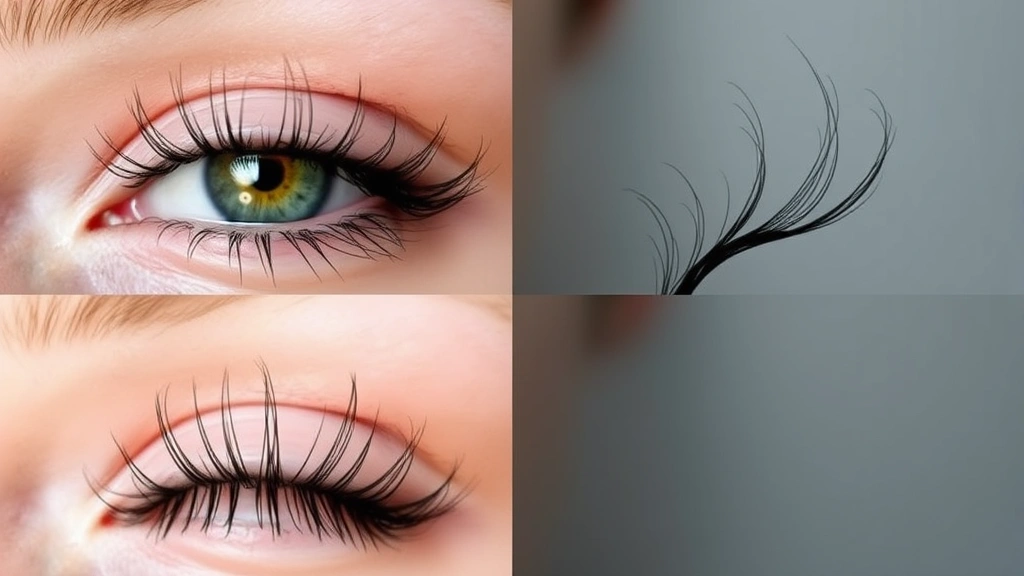
Here’s what’s happening during those 6 to 8 weeks: the new lash emerges from the follicle and grows at a rate of about 0.12 to 0.14 millimeters per day. By week 6, most people see baby lashes appearing along the lash line. By week 8, those lashes are getting thicker and more visible, though they won’t be at full length yet.
The reason this timeline matters is practical: if you’re dealing with a beauty emergency or just want to know when you can ditch the false lashes, the 6 to 8 week mark is your realistic checkpoint. However, reaching that full, thick, dark appearance you had before? That takes longer.

Factors That Speed Up or Slow Down Growth
Not everyone regrows lashes at the same pace. Several variables influence how quickly your lashes bounce back:
Age: Younger people typically regrow lashes faster than older adults. As you age, your hair growth naturally slows across your entire body, including your eyelids.

Overall Health: If you’re dealing with nutritional deficiencies, hormonal imbalances, or chronic stress, lash regrowth can stall. Your body prioritizes essential functions over hair growth when resources are limited.
Genetics: Just like some people naturally have thicker head hair, some folks are genetically predisposed to fuller, faster-growing lashes. You can’t change this, but it’s worth acknowledging.

Current Lash Condition: If your lashes are already damaged or weakened from extensions, mascara abuse, or chemical treatments, regrowth might be slower because the follicles need recovery time.
Medications and Treatments: Certain prescriptions, particularly those for thyroid conditions or hormonal issues, can affect hair growth rates. Chemotherapy and radiation therapy significantly impact lash growth, sometimes causing temporary or permanent loss.
When Hair Loss Conditions Complicate Things
If you’re dealing with alopecia areata, trichotillomania (compulsive hair pulling), or other medical conditions causing lash loss, the regrowth timeline becomes more complicated. These conditions can extend the recovery period from weeks to months or even longer.
Alopecia areata, an autoimmune condition, can cause sudden lash loss. Recovery depends on the severity and how your immune system responds to treatment. Some people regrow lashes within months; others take a year or more. Working with a dermatologist is essential here.

Trichotillomania—the compulsive urge to pull out hair—requires behavioral intervention alongside physical recovery. Even if the follicles aren’t permanently damaged, regrowth won’t stick if the pulling behavior continues. Breaking the habit is the first step toward lasting lash recovery.
How to Accelerate Lash Regrowth
While you can’t dramatically speed up biology, you can create optimal conditions for faster regrowth. Think of it like providing the best workshop environment for a project—better conditions mean better results.

Lash Serums and Growth Products: Serums containing peptides, biotin, and plant extracts can nourish follicles and potentially accelerate growth. Products with ingredients like castor oil, vitamin E, and panthenol have shown promise in clinical settings. Apply these consistently every night for best results.
Avoid Further Damage: Stop using harsh mascaras, rubbing your eyes aggressively, or wearing extensions while regrowing. Let your lashes breathe. This is the equivalent of stopping the damage before trying to fix it—fundamental stuff.
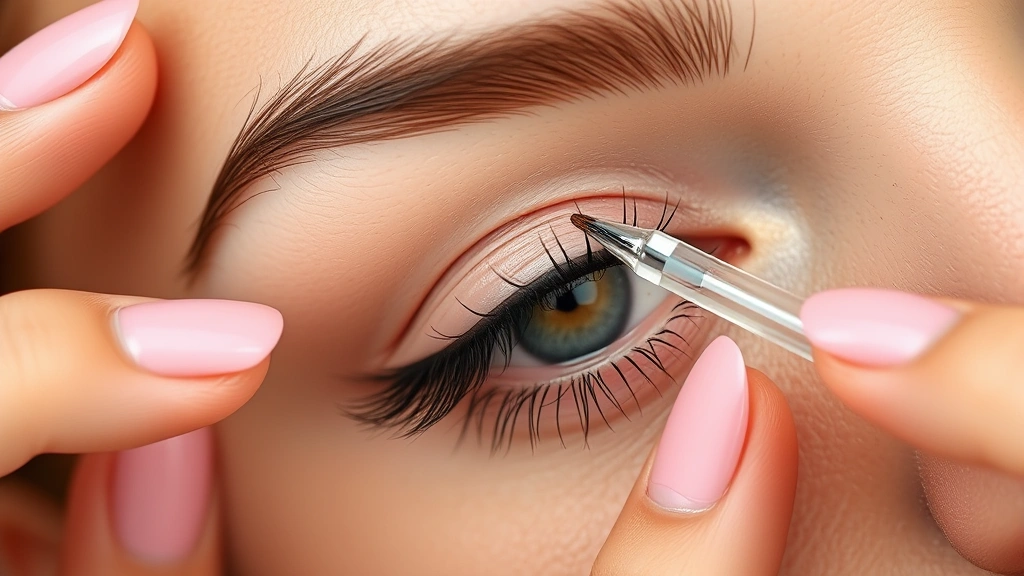
Eyelid Massage: Gentle massage around the lash line can improve blood circulation to the follicles. Spend 30 seconds each evening massaging your eyelids with clean fingertips using light, circular motions. Better blood flow means better nutrient delivery to growing lashes.
Prescription Options: If regrowth is critically important (for medical reasons or significant hair loss), talk to your dermatologist about bimatoprost (Latisse), the only FDA-approved medication for growing eyelashes. It can produce noticeable results in 8 to 12 weeks, though it requires ongoing use.

Nutrition and Wellness Play a Role
You can’t out-serum a bad diet. Hair growth, including eyelash growth, depends on adequate protein, B vitamins, iron, zinc, and biotin. If you’re deficient in any of these, your lashes will suffer.
Biotin supplements have become popular for hair growth, and there’s legitimate science behind it. This B vitamin supports keratin production, which is essential for strong, healthy hair. If you’re deficient, supplementing can help. If you’re already getting enough, extra biotin won’t necessarily speed things up, but it won’t hurt either.

Protein is non-negotiable. Hair is made of keratin, a protein. Without adequate dietary protein, your body can’t build new hair structures. Make sure you’re hitting your daily protein targets through food or supplementation.
Stress management also matters. High stress elevates cortisol, which can push hair into the telogen (shedding) phase prematurely. If you’re stressed about your lashes, ironically, that stress might be slowing regrowth. Exercise, sleep, and meditation aren’t just wellness buzzwords—they’re practical tools for hair health.

What to Expect Week by Week
Here’s a realistic week-by-week breakdown of lash regrowth:
Weeks 1-2: New lashes are beginning to emerge from follicles, but they’re not visible yet. You might feel tiny hairs along your lash line if you’re paying close attention. Most people notice nothing during this phase.

Weeks 3-4: Baby lashes become visible as fine, short hairs. They’re thin and light-colored, nowhere near the thickness of your original lashes. This is the “I can see something’s happening” phase.
Weeks 5-6: Lashes are noticeably longer and slightly thicker. If you lost a significant amount, you’re still seeing gaps, but the growth is obvious. This is when people often feel encouraged.

Weeks 7-8: Most of your lashes are visible and approaching a length where they look functional. They’re still not at full thickness or darkness, but you’re getting close to your pre-loss appearance.
Weeks 9-12: Lashes continue thickening and darkening. Full density and color typically arrive around the 12-week mark, though some people take longer.
Months 4-6: Complete cycle finishes. Any remaining wispy or short lashes catch up to full length, and your lash line looks like it did before the loss.
Prevention Tips for Future Lash Health
Now that you know the timeline for regrowth, let’s talk about not having to regrow them in the first place. Prevention is infinitely easier than recovery.

Mascara Application: Apply mascara gently, wiggling the wand from root to tip rather than yanking it upward. Remove mascara with a proper makeup remover, not by rubbing with your fingers or a dry cloth. This might seem tedious, but it’s the difference between healthy and damaged lashes.
Eyelash Extensions: If you love extensions, understand the risk. They pull on natural lashes, and heavy extensions can cause traction alopecia—permanent lash loss from constant pulling. If you go the extension route, give your lashes breaks between applications. Space them out by at least a month.

Eye Makeup Hygiene: Replace mascara every three months. Old mascara harbors bacteria and can cause infections that damage lashes. Replace eyeliner pencils regularly too. Don’t share eye makeup with others—infections spread easily around the eyes.
Chemical Treatments: Lash perms and dyes can damage delicate lash hair. If you do these treatments, space them out and use protective serums afterward. Better yet, let your natural lashes be natural sometimes.

Avoid Pulling: This seems obvious, but trichotillomania is real, and even unconscious lash pulling happens. If you catch yourself doing it, address the underlying stress or anxiety. It’s worth it to keep your lashes intact.
Think of lash care like maintaining a workshop: regular upkeep and gentle handling prevent the need for major repairs later.
Frequently Asked Questions
Can I speed up lash regrowth with castor oil?
Castor oil is a popular folk remedy for lash growth, and there’s some evidence it helps. It contains ricinoleic acid and omega fatty acids that nourish follicles. While it won’t cut your regrowth timeline in half, applying castor oil nightly might provide a modest boost. The downside: it’s greasy and can feel uncomfortable if it gets in your eyes. If you try it, use pure, cold-pressed castor oil and apply only to the lash line.
Do eyelash growth serums actually work?
Quality serums with peptides, biotin, and plant extracts can help, especially if your lashes are nutritionally depleted. However, they’re not magic. You’ll see modest improvements in thickness and growth speed, not dramatic transformation. They work best when combined with good nutrition and lash care practices. Results typically take 6 to 8 weeks to become apparent, so patience is required.

Is it normal to lose eyelashes every day?
Yes, completely normal. Most people shed 1 to 5 lashes per day as part of the natural growth cycle. You might not notice because new ones are constantly growing in. However, if you’re losing noticeably more than that—clumps of lashes or visible gaps appearing—that’s worth investigating with a dermatologist.
Will my lashes grow back after lash extensions?
In most cases, yes. If the extensions were applied and removed properly, your natural lashes will regrow on the standard 6 to 8 week timeline. However, if extensions were applied too heavily or removed carelessly, you might experience temporary or even permanent damage to follicles. This is why choosing a skilled technician matters. If you notice lashes aren’t regrowing after extensions, see a dermatologist.

How long until lashes look full again after loss?
Full density typically returns around the 12-week mark, though it varies. Some people see full lashes by 10 weeks; others take 16 weeks. Patience is the real answer here. Trying to rush it by using false lashes or extensions while regrowing can damage new growth and extend the timeline further.
Do vitamins help lash regrowth?
Vitamins help if you’re deficient. Biotin, B vitamins, iron, and zinc all support hair growth. If your diet is lacking in these nutrients, supplementing can help. However, if you’re already well-nourished, megadosing vitamins won’t accelerate regrowth beyond normal biology. Focus on a balanced diet first; supplements are the backup plan.


