
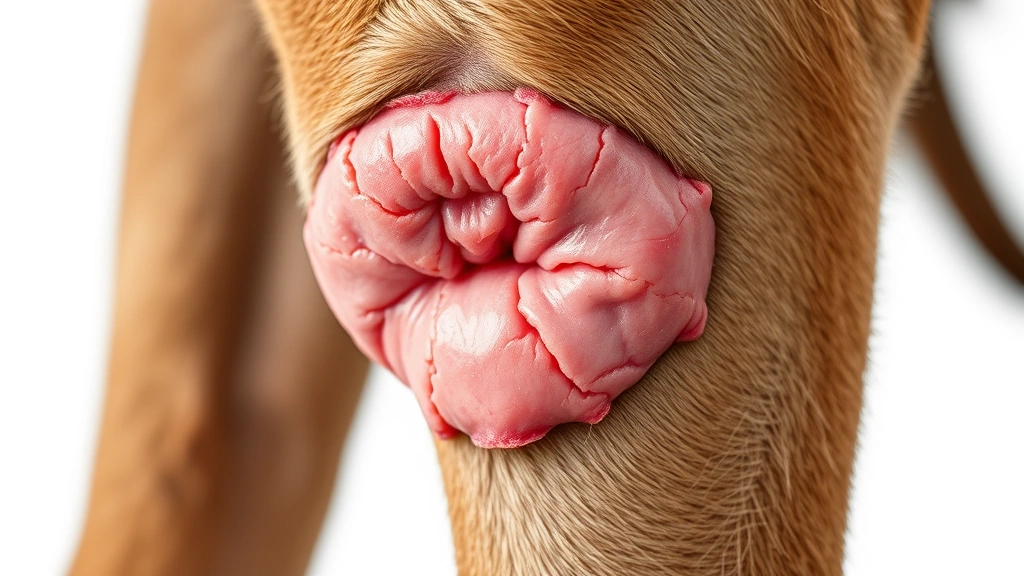
So your pup got a cut, and now you’re wondering how long do dog wounds take to heal cut—and what you should actually be doing about it. The short answer? Most minor cuts heal in 1-2 weeks, but deeper wounds can take 4-6 weeks or longer. Here’s the thing though: the timeline depends heavily on wound depth, location, your dog’s age, and how well you manage aftercare. Let me walk you through exactly what happens during healing, when to worry, and how to keep your furry friend comfortable while nature does its work.
Table of Contents
Healing Timeline by Wound Type
Not all cuts are created equal, and neither are their healing timelines. A superficial scrape where you can barely see bleeding? That’s going to heal faster than a puncture wound or a gash that’s bleeding steadily. Let me break down what you’re actually dealing with.
Superficial scratches and abrasions usually heal in 3-7 days. These are the ones where your dog comes back from the yard with minor scrapes. You’ll see some redness and maybe light bleeding, but the wound doesn’t penetrate deep into the skin. These typically don’t need bandaging—just keep them clean.
Minor lacerations (shallow cuts) take about 1-2 weeks to heal. These are cuts that bleed a little but don’t gape open. You might see the edges of the wound separate slightly, but it’s not severe. Most of these can be managed at home with proper cleaning and monitoring.
Deep lacerations and puncture wounds are a different beast entirely. These can take 3-6 weeks to fully heal, and many need veterinary attention immediately. Puncture wounds are especially tricky because they can trap bacteria deep under the skin, leading to serious infections even if they look minor on the surface.
Assessing Your Dog’s Cut
Before you panic or assume everything’s fine, you need to actually evaluate what you’re dealing with. Here’s how to do a proper assessment without losing your mind.
First, look at bleeding severity. Light oozing that stops within a minute or two? That’s normal. Steady bleeding that doesn’t slow down after 5-10 minutes of gentle pressure? That’s a sign you might need professional help. Spurting blood is a red flag for arterial damage—get to a vet immediately.
Next, check the wound edges. Do they lay flat and close together, or are they gaping open? If you can see the edges are separated more than a quarter-inch, that’s going to need stitches to heal properly. Wounds that gape tend to scar worse and take longer to heal because they’re trying to fill in that gap.
Look at the depth and location. A cut on a pad of the foot is going to take longer to heal than one on the leg because of constant pressure and moisture. Cuts near joints are problematic too because movement keeps reopening them. Deep wounds that you can’t see the bottom of definitely warrant a vet visit.
Immediate First Aid Steps
The first few minutes matter more than you think. Here’s exactly what to do right after your dog gets cut.
Step 1: Stop the bleeding. Apply gentle but firm pressure with a clean cloth or gauze. Don’t peek constantly—let it sit for 5-10 minutes. If your dog will tolerate it, you can use a clean towel and apply pressure while keeping the wound elevated if possible. Most minor cuts will stop bleeding on their own during this time.
Step 2: Calm your dog down. Seriously. An anxious, stressed dog is going to move around more, which increases bleeding and makes assessment harder. Speak in a calm voice, get them to sit or lie down, and give them a moment to settle. This isn’t just about comfort—a calm dog is easier to treat.
Step 3: Rinse the wound. Once bleeding has slowed, use cool (not cold) running water or saline solution to gently rinse away dirt and debris. Let the water run over the cut for 20-30 seconds. Avoid harsh scrubbing at this stage—you’re just removing surface contamination.
Step 4: Pat dry gently. Use a clean cloth or paper towel to pat the area dry. Don’t rub—just dab. Rubbing can restart bleeding and damage new tissue that’s starting to form.
Cleaning and Dressing Wounds
After the initial rinse, you need an actual cleaning protocol for the next several days. This is where most people either do too much or too little.
Daily cleaning routine: Once or twice daily (more often if the wound gets dirty), gently rinse the cut with cool water or saline solution. You can use a spray bottle or let water run over it. Follow up with a pet-safe antiseptic like chlorhexidine or povidone-iodine solution—these are gentler than hydrogen peroxide for ongoing care. Don’t use alcohol or harsh solutions; they damage healthy tissue and slow healing.
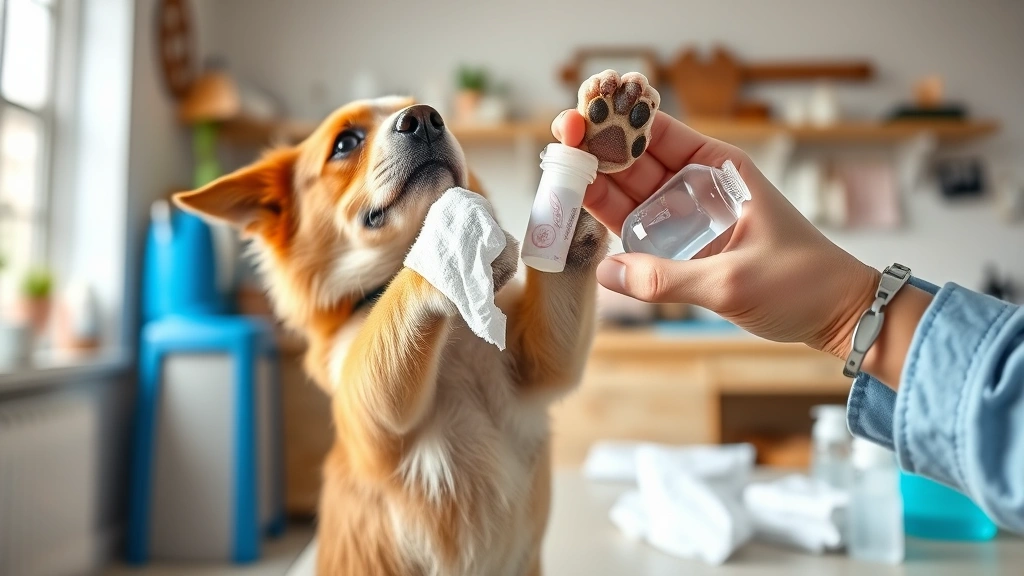
Here’s the thing about bandaging: most dog wounds heal better when left uncovered and exposed to air. The exception is if the cut is on a paw, in a wet environment, or in a location where your dog keeps licking it. If you do bandage, use sterile gauze and change it daily. Keep the dressing clean and dry.
Topical treatments: After cleaning, you can apply a thin layer of antibiotic ointment like Neosporin (triple antibiotic ointment). This creates a barrier against bacteria while keeping the wound moist enough for proper healing. Don’t use heavy creams or petroleum jelly—they trap moisture and bacteria.
Signs of Infection to Watch
Infection is the enemy of healing timelines. A wound that should take 2 weeks can drag on for months if it gets infected. Know what to watch for.
Increased redness and swelling beyond the immediate wound area is a red flag. Some redness and swelling right at the cut is normal for the first few days, but if it’s spreading outward or getting worse after day 3, that’s infection territory. The area around the wound should gradually look more normal, not more inflamed.
Discharge and odor are major warning signs. Clear or slightly cloudy fluid is normal initially, but thick, yellow, green, or brown discharge means bacteria are having a party in there. A foul smell is basically infection’s calling card—get to a vet.
Heat and pus indicate active infection. If the wound feels hot to the touch or you see pus accumulating, that’s not something to manage at home. Pus is your dog’s immune system fighting bacteria, and sometimes it needs professional help to win that fight.
Lethargy or fever means the infection has spread systemically. If your dog is acting lethargic, running a fever, or refusing to eat, that’s a veterinary emergency. Don’t wait.
Prevention and Protection
The best wound care is preventing wounds in the first place, but when you can’t avoid them, you can minimize complications.
Prevent licking and chewing. This is huge. Your dog’s tongue introduces bacteria and keeps reopening the wound. An Elizabethan collar (cone) is your best friend here, even if your dog hates it. If a cone isn’t practical, try a protective boot or wrap, or keep your dog in a confined space where you can monitor them. Licking can turn a 2-week healing wound into a 6-week problem.
Keep the area clean and dry. Moisture breeds bacteria. If your dog gets the wound wet (from swimming, playing in puddles, or even just rain), dry it thoroughly afterward. For paw wounds especially, this matters because paws are naturally moist.
Restrict activity appropriately. Your dog doesn’t need complete bed rest, but jumping, running, and rough play should be limited while the wound heals. Activity increases blood flow to the area, which is good, but excessive movement can reopen wounds and cause bleeding. Aim for short, calm walks on a leash.
Proper nutrition supports healing. Make sure your dog is eating well and getting adequate protein. Healing tissue requires nutrients, and a malnourished dog heals slower. If your dog normally eats well, don’t overthink this—just maintain their regular diet.
When to Call Your Veterinarian
Some wounds you can manage at home. Some you absolutely cannot. Here’s when you need professional help.
Call immediately (or go to an emergency vet) if: The wound won’t stop bleeding after 10-15 minutes of pressure, the cut is deep or gaping open, you see spurting blood, the wound involves the eye or ear, there’s any possibility of a bite wound from another animal, or your dog is acting sick or lethargic.
Schedule a same-day appointment if: The wound is longer than a quarter-inch and gaping, it’s on the paw pad or a joint, there’s visible dirt or debris you can’t rinse out, or you’re just not sure if it needs stitches. Better safe than sorry here—stitches placed within 6-8 hours heal better than those placed later.
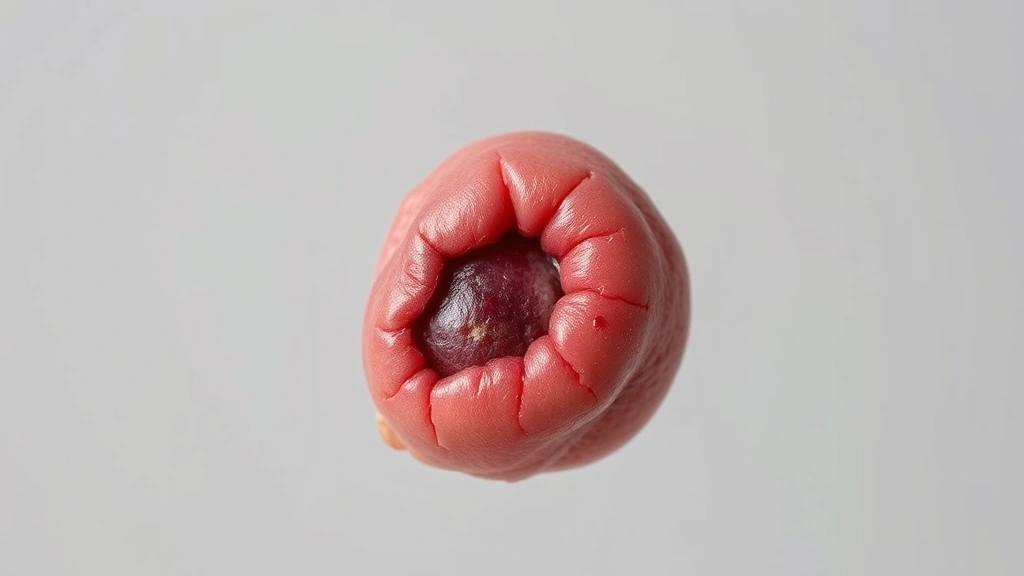
Monitor closely and call if: Signs of infection develop (increased redness, discharge, odor, heat), the wound isn’t improving after 3-4 days, your dog won’t stop licking despite your efforts, or you notice any changes in your dog’s behavior or appetite. Trust your gut—if something feels wrong, call.
Factors Affecting Recovery Speed
Two dogs with seemingly identical cuts might heal at different rates. Here’s why.
Age matters. Puppies and young dogs typically heal faster than senior dogs. Their bodies are more efficient at tissue repair and immune response. Older dogs might take 25-50% longer to heal the same wound.
Overall health is crucial. A dog with diabetes, autoimmune issues, or nutritional deficiencies heals slower. Dogs on immunosuppressant medications might also have delayed healing. If your dog has underlying health issues, mention them when discussing the wound with your vet.
Breed and genetics play a role. Some breeds naturally have thicker, tougher skin that heals differently. Large breed dogs sometimes have different healing patterns than small breeds. Genetics also influence how prone your dog is to infection.
Wound location affects timeline. Wounds on the face and ears heal faster than those on the legs or paws because of better blood supply. Paw pad wounds are the slowest because of constant pressure and moisture. Joint areas heal slower because movement keeps disrupting the healing process.
Infection status is the biggest variable. An infected wound that should take 2 weeks might take 2 months. This is why infection prevention is so critical.
Frequently Asked Questions
Can I use hydrogen peroxide on my dog’s wound?
Hydrogen peroxide is okay for initial cleaning to remove debris, but don’t use it repeatedly. It damages healthy tissue and actually slows healing when used daily. Stick with saline solution or cool water for ongoing care, and save the hydrogen peroxide for the first rinse only.
How often should I change my dog’s bandage?
If you’re bandaging the wound, change it daily or whenever it gets wet or dirty. Leaving a bandage on too long traps moisture and bacteria. Most dog wounds actually heal better uncovered and exposed to air, so only bandage if there’s a specific reason (paw wound, excessive licking, wet environment).
Is it normal for a healing dog wound to smell?
A slight odor during healing is somewhat normal as the body breaks down damaged tissue, but a strong foul smell is a sign of infection. If the smell is noticeable enough that you’re asking about it, that’s your cue to contact a vet. Trust your nose on this one.
When can my dog go swimming after a cut?
Keep your dog out of pools, lakes, and ocean water until the wound is completely closed and healed—typically 2-3 weeks for minor cuts, longer for deeper wounds. Even brief exposure to water can introduce bacteria and slow healing. Short baths are okay if you keep the wound dry, but swimming is off-limits until full healing.
Do all dog cuts need antibiotics?
Not all cuts need oral antibiotics, but infected wounds definitely do. Your vet will determine if antibiotics are necessary based on wound depth, contamination, and infection signs. Topical antibiotic ointment is usually sufficient for minor cuts, but deeper wounds or those showing infection signs need systemic antibiotics.
Why is my dog’s wound not healing?
Slow healing usually comes down to infection, constant licking, poor nutrition, or an underlying health issue. If a wound isn’t improving after a week, it’s time for a vet visit. They can assess for infection, recommend better aftercare, and rule out health problems affecting healing.


