
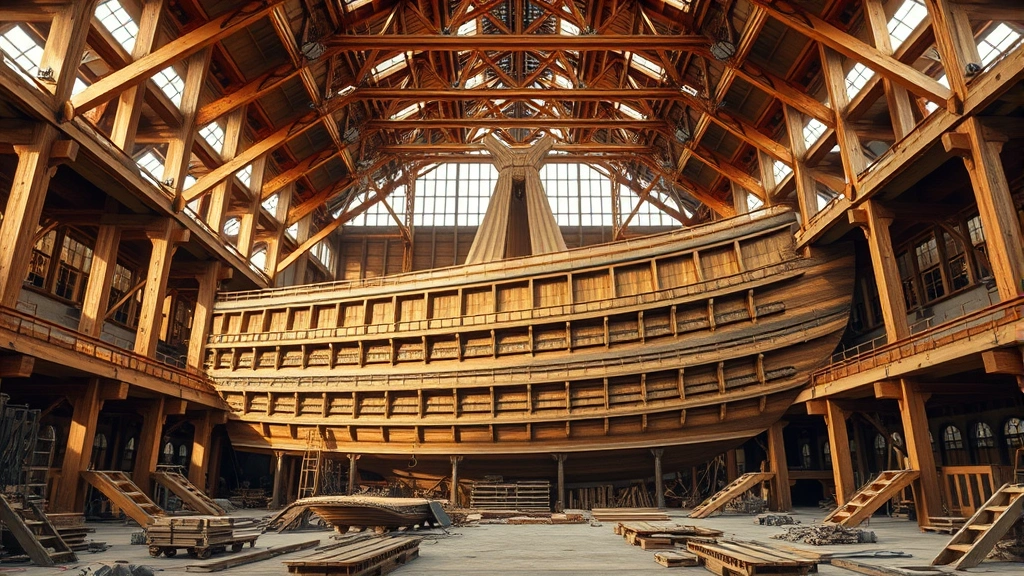
So, how long did it take Noah to build the ark? According to biblical accounts, Noah spent 120 years constructing the massive vessel. That’s not just a weekend project—that’s a lifetime commitment to one of history’s most ambitious builds. Whether you’re a history buff, a curious DIYer, or someone fascinated by ancient construction methods, understanding the timeline and logistics of the ark’s construction reveals some genuinely impressive engineering for its era.
Table of Contents
- The Biblical Timeline Explained
- Why 120 Years Was Necessary
- Understanding the Ark’s Massive Scale
- Materials Noah Had to Work With
- The Workforce Challenge
- Ancient Construction Techniques Used
- Working Without Modern Power Tools
- Keeping Wood Sealed and Protected
- The Final Stretch to Completion
- Frequently Asked Questions
- Final Thoughts on the Ark’s Construction
The Biblical Timeline Explained
The Genesis account provides the clearest reference point for understanding the ark’s construction timeline. God commanded Noah to build the ark in Genesis 6:14, and according to Genesis 7:6, Noah was 600 years old when the flood came. The text explicitly states that Noah had 120 years to complete the work, as mentioned in Genesis 6:3. This wasn’t a rushed job—it was a methodical, purposeful construction that spanned more than a century.
This extended timeline makes sense when you consider the sheer scope of the project. We’re not talking about a small boat here; we’re discussing a vessel that would dwarf modern cargo ships. The 120-year window gave Noah and his family adequate time to source materials, develop construction techniques, and execute a build of unprecedented proportions.
Why 120 Years Was Necessary
One hundred twenty years might sound excessive, but it’s actually realistic given the constraints of ancient construction. Without modern machinery, electricity, or standardized tools, every single component had to be hand-crafted. Think about how long it takes to prepare complex projects today—even with power tools and modern methods, large-scale builds require months or years.
The ark required hundreds of thousands of board feet of lumber. Harvesting, felling, and milling all that wood by hand would take decades alone. Then came the actual construction: cutting joinery, assembling the frame, caulking seams, and waterproofing the entire structure. Noah needed enough time to source gopher wood (a material scholars still debate), season it properly, and ensure structural integrity for a vessel carrying thousands of animals and their provisions.
Understanding the Ark’s Massive Scale
The Bible specifies the ark’s dimensions in Genesis 6:14-16: 300 cubits long, 50 cubits wide, and 30 cubits high. Converting to modern measurements, that’s approximately 450 feet long, 75 feet wide, and 45 feet tall. To put this in perspective, that’s longer than a football field and taller than a four-story building.
The total volume was roughly 1.5 million cubic feet—equivalent to 500 modern shipping containers stacked together. The sheer logistics of building something this large without cranes, forklifts, or modern scaffolding required careful planning and an extended timeline. Every timber had to be positioned correctly, every joint had to be structurally sound, and every seam had to be absolutely watertight.
Materials Noah Had to Work With
Genesis 6:14 specifies that the ark should be made of gopher wood. Scholars debate what gopher wood actually was—some suggest it was acacia, cypress, or another dense, durable timber. Regardless of the specific species, sourcing enough quality wood for a 450-foot vessel was a monumental task. Noah would have needed to:
- Locate suitable timber stands or forests
- Fell thousands of trees manually
- Transport logs to a construction site
- Dry and season the wood properly
- Prepare it for cutting and assembly
Beyond wood, the ark needed pitch (a waterproofing sealant) for both interior and exterior coating. This had to be gathered, processed, and applied to every seam and joint. The combination of material sourcing and preparation easily consumed decades of the 120-year timeline.
The Workforce Challenge
Here’s where it gets interesting: the Bible indicates that Noah’s sons (Shem, Ham, and Japheth) and their wives helped with the construction. That’s potentially a workforce of eight people for a project of staggering proportions. Even with family members pitching in full-time, the math is sobering. Dividing the workload among such a small team meant progress would be steady but deliberate.
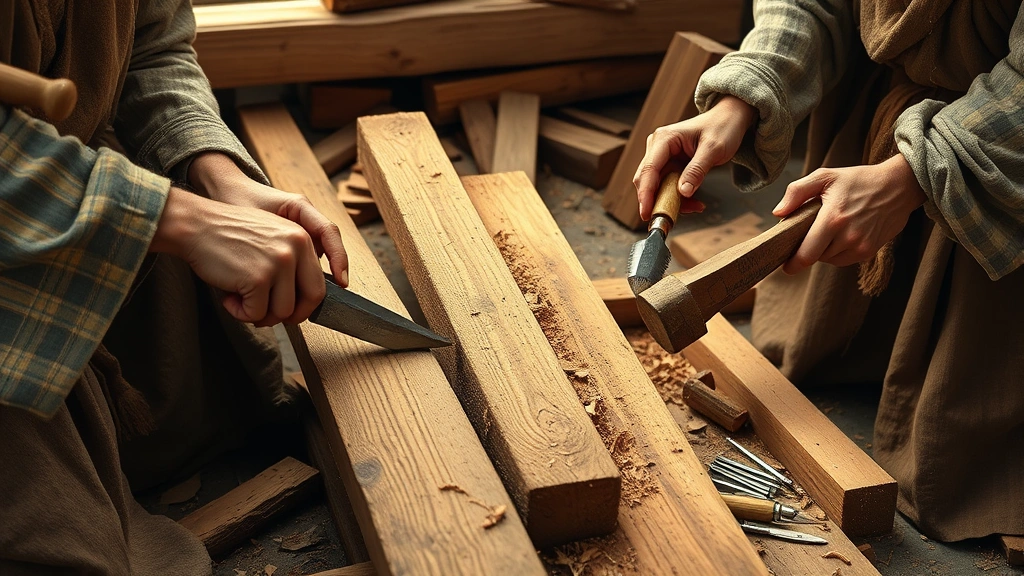
Unlike modern construction sites with dozens of specialized workers, Noah’s team had to be jacks-of-all-trades. They needed to master woodworking, joinery, waterproofing, and structural engineering. This learning curve alone would have extended the timeline. There’s no foreman to call, no YouTube tutorials to reference, and no established best practices to follow. Every technique had to be developed through trial and error.
Ancient Construction Techniques Used
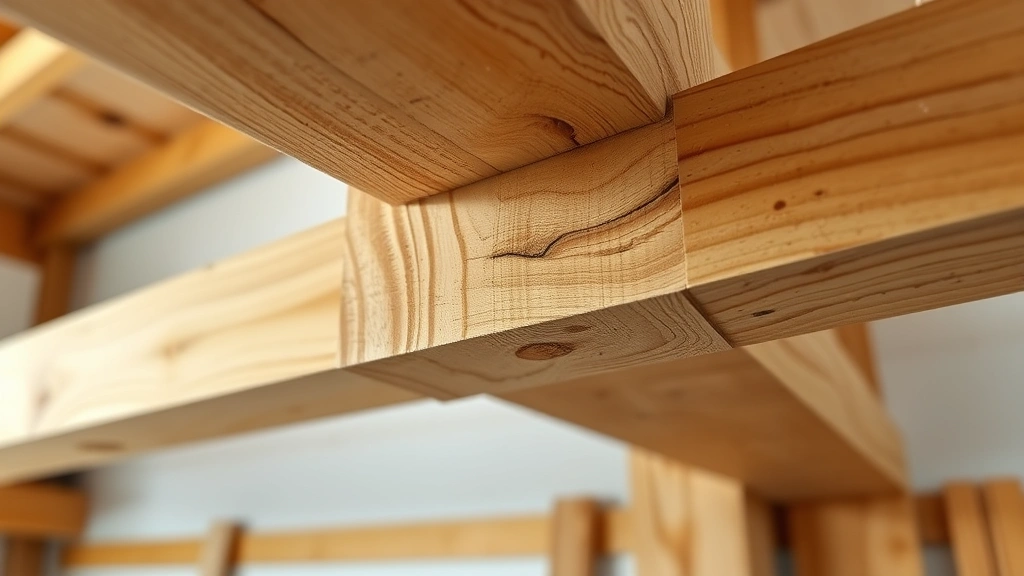
Noah would have relied on techniques that were cutting-edge for his era. Hand tools like saws, axes, chisels, and adzes would have been essential. Joinery would likely have involved mortise-and-tenon joints, which require precision and patience to execute properly. Unlike modern construction with nails and bolts, ancient shipbuilding relied on fitted joints and wooden pegs for structural integrity.
The ark’s frame would have been assembled first—a massive skeleton of timber that could support the weight of the hull, the animals, and the provisions. Then the planking would be fitted and fastened, with each board carefully shaped to fit its neighbors. The caulking process (sealing the seams with pitch and fiber) would have been labor-intensive and time-consuming, requiring multiple coats and careful attention to detail.
Working Without Modern Power Tools
Imagine building something the size of a large office building using only hand tools. No circular saws, no nail guns, no hydraulic lifts, no pneumatic tools. Every cut was made with a hand saw, every hole was drilled with a hand auger, and every board was positioned and secured manually. Just like how preparation time compounds in complex tasks, the lack of mechanization meant that simple operations that take minutes today took hours or days in Noah’s era.
The physical demands were equally significant. Hauling massive timbers, hoisting components into place, and maintaining precision while exhausted would have tested the team’s endurance constantly. The 120-year timeline wasn’t just about logistics—it was also about pacing the work to maintain quality and prevent burnout.
Keeping Wood Sealed and Protected
Throughout the construction process, the exposed wood needed protection from the elements. Rain, sun, and insects would degrade unfinished timber. Noah would have needed to apply protective coatings as sections were completed, requiring additional time and materials. The pitch coating mentioned in Genesis 6:14 served this purpose, but applying it thoroughly to hundreds of thousands of square feet of surface area was a monumental undertaking.
Additionally, the wood had to be kept in good condition during the construction phase. Logs stored improperly could warp, crack, or rot. Noah’s team would have needed to develop and implement proper storage and handling procedures to protect their investment of time and effort. This added another layer of complexity to the 120-year timeline.
The Final Stretch to Completion
As the ark neared completion, the work intensified. Final assembly, waterproofing, and finishing touches required meticulous attention. The interior had to be divided into compartments for different animals, with appropriate ventilation and access points. Storage areas for food and provisions had to be organized. The ark had to be provisioned with everything needed for the voyage—another massive logistical undertaking that likely consumed months or years.
According to the biblical account, the animals began arriving as the construction neared completion. This suggests the ark was ready or nearly ready by the time the flood came. The 120-year timeline provided just enough buffer to handle unexpected delays, material shortages, or construction challenges that inevitably arise on projects of this magnitude.
Frequently Asked Questions
Did Noah work alone on the ark?
No, Noah’s three sons and their wives assisted him. The Bible specifically mentions that his family helped with the construction, though details about their specific roles are limited. Even with family help, the project was enormous for such a small workforce.
What was gopher wood?
The exact identity of gopher wood remains debated among scholars. Most experts believe it was a dense, durable timber available in Noah’s region, possibly acacia, cypress, or another rot-resistant wood. The specific species matters less than its durability and suitability for shipbuilding.
How many trees would the ark require?
Estimates suggest thousands of trees were needed to provide enough lumber for the ark’s construction. With a volume of approximately 1.5 million cubic feet and accounting for waste during milling and shaping, the number easily runs into the thousands.
Could the ark actually float?
Naval engineers and mathematicians have examined the ark’s dimensions and generally conclude that a vessel of those proportions, properly constructed with the specified materials, would indeed be seaworthy and capable of floating under the load described in the biblical account.
Why didn’t Noah use a different construction method?
Noah used the methods and materials available in his era. Ancient shipbuilding techniques, while labor-intensive by modern standards, were the proven technology of the time. Just as modern projects must account for material drying times, Noah had to work within the constraints of ancient construction practices and natural material properties.
What about the animals—how were they gathered?
The biblical account states that the animals came to Noah, suggesting a supernatural element to their gathering. The practical logistics of housing, feeding, and caring for thousands of animals during and after the voyage remain one of the most debated aspects of the ark narrative.
Final Thoughts on the Ark’s Construction
The answer to “how long did it take Noah to build the ark?” is straightforward: 120 years. But understanding why it took that long reveals the genuine complexity of the undertaking. Without modern machinery, with a tiny workforce, relying on hand tools and ancient techniques, Noah and his family executed one of history’s most ambitious construction projects.
The extended timeline wasn’t excessive—it was necessary. Material sourcing, wood preparation, structural design, and meticulous execution all required decades of focused effort. The ark stands as a testament to human determination, family cooperation, and the capacity to accomplish seemingly impossible tasks through sustained commitment and careful planning.
Whether you approach the ark as a historical artifact, a religious narrative, or an engineering marvel, the 120-year construction timeline makes perfect sense given the constraints of ancient technology and the unprecedented scale of the project. It’s a reminder that some things simply can’t be rushed, and that patience, planning, and persistence are the true foundations of any major undertaking. For more insights into how long complex projects actually take, check out our guide on understanding material timelines and preparation.


