
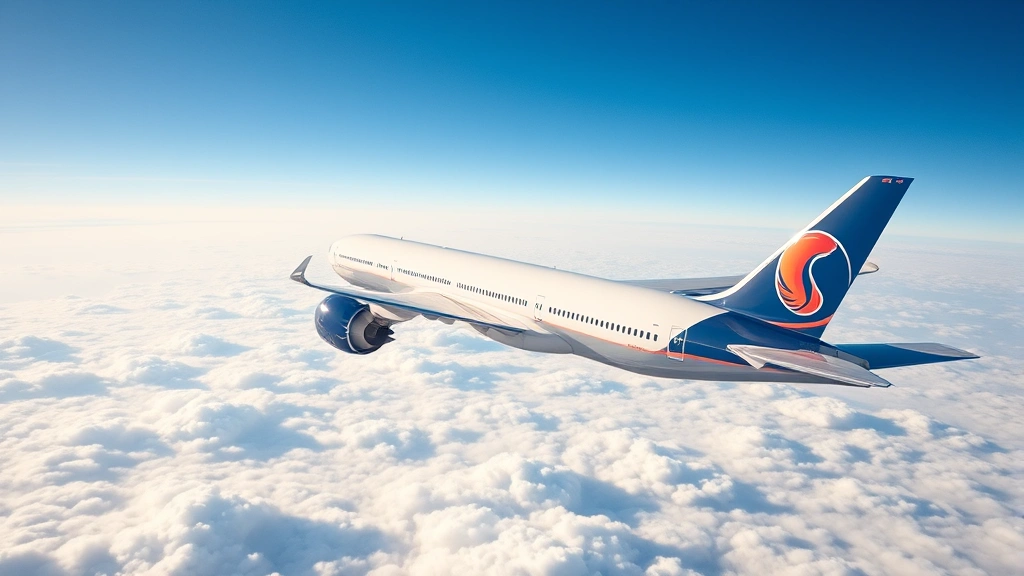
Understanding how high do planes fly is more fascinating than you might think—it’s not just about cruising altitude, but about the physics, safety regulations, and engineering that keep millions of passengers safe in the sky every single day. Whether you’re a curious traveler, an aviation enthusiast, or someone who just wants to understand what’s happening when you look up and see a contrail, this guide breaks down everything you need to know about aircraft altitude.
Table of Contents
Commercial Cruising Altitude Basics
Most commercial airliners cruise at altitudes between 30,000 and 42,000 feet above sea level. That’s roughly 5.7 to 8 miles up in the atmosphere. The sweet spot for most Boeing 737s and Airbus A320s—the workhorses of modern aviation—sits around 35,000 feet. At this height, you’re well above weather systems, commercial air traffic is efficiently separated by air traffic control, and fuel efficiency reaches optimal levels.
The reason airlines prefer these specific altitudes comes down to pure physics and economics. The air is thinner up there, which means less drag on the aircraft, allowing engines to burn fuel more efficiently. Think of it like riding a bike on a smooth, flat road versus pushing through sand—the smoother the conditions, the less energy you expend. Airlines save thousands of dollars per flight by operating at these altitudes.
Why Altitude Matters So Much
Altitude isn’t just a number on a display—it’s fundamental to safe, efficient flight operations. At higher altitudes, there’s less air density, which reduces engine drag and allows aircraft to maintain speed with less fuel consumption. This is why pilots constantly work with air traffic control to secure the highest altitude possible for their route.
Safety is another critical factor. Flying above most weather systems keeps passengers away from turbulence, thunderstorms, and icing conditions. When you’re at 37,000 feet, the weather happening below you becomes someone else’s problem. The pressurized cabin keeps everyone comfortable and safe, even though the outside air temperature drops to minus 56 degrees Fahrenheit or colder.
Different Aircraft Types and Heights
Not all planes fly at the same altitude. Regional jets and smaller turboprops typically cruise between 20,000 and 28,000 feet. These aircraft are designed for shorter routes and don’t need the extreme altitude capability of larger jets. A Bombardier CRJ-900, for example, has a service ceiling around 41,000 feet but usually operates lower for fuel efficiency on regional routes.
Large wide-body aircraft like the Boeing 777 or Airbus A350 can cruise comfortably at 43,000 feet or even higher. The Airbus A380, the world’s largest passenger airliner, has a maximum altitude capability of 43,000 feet. These aircraft are built for long-haul international flights where maximum altitude means maximum efficiency over those long distances.
Cargo planes operate under different rules. A Cessna Caravan—a popular cargo aircraft—might cruise at 10,000 to 15,000 feet for short regional deliveries. Meanwhile, the Airbus Beluga, which carries aircraft parts, operates at altitudes similar to commercial airliners because it’s basically a modified A300 airframe.
Maximum Altitude Limits Explained
Every aircraft has a maximum operating altitude, called the service ceiling. This is the highest altitude at which an aircraft can maintain level flight under specific conditions. For most commercial jets, this sits between 41,000 and 45,000 feet. The Concorde, before its retirement, could reach 60,000 feet—high enough to see the curvature of the earth.
The Federal Aviation Administration (FAA) and international aviation authorities set rules about how high commercial aircraft can fly. The standard atmosphere is divided into flight levels, with commercial traffic typically operating between Flight Level 250 (25,000 feet) and Flight Level 450 (45,000 feet). Above 18,000 feet, pilots must use flight levels instead of altitude in feet to maintain precision and safety.
There’s a practical ceiling too—the altitude where an aircraft simply can’t climb any higher because the engines can’t produce enough thrust to overcome drag. At extreme altitudes, the air is so thin that wings generate less lift, and engines produce less power. It’s a delicate balance between physics and engineering.
Oxygen and Cabin Pressurization Systems
Here’s where things get really interesting: humans can’t survive at 35,000 feet without help. The air pressure at that altitude is only about 24% of what it is at sea level, and oxygen levels are dangerously low. This is why every commercial aircraft has a pressurization system that maintains cabin pressure equivalent to about 6,000 to 8,000 feet altitude.
When you’re sitting comfortably in your seat at cruising altitude, the cabin pressure is actually equivalent to being at a mountain town like Denver (5,280 feet) or slightly higher. The aircraft’s environmental control system continuously pumps compressed air from the engines into the cabin and maintains the right pressure differential between inside and outside. If something goes wrong, oxygen masks automatically drop from the compartments above your seat.
The pressurization system is so critical that every aircraft carries backup systems. Pilots train extensively on managing pressurization failures because decompression events, while rare, demand immediate action. Modern aircraft are incredibly reliable—you’re statistically safer at 37,000 feet than driving to the airport.
Weather and Flight Planning Decisions
Pilots and dispatchers work together before every flight to determine the optimal altitude based on weather patterns, winds, and fuel efficiency. The jet stream—those fast-moving rivers of air in the upper atmosphere—can significantly impact flight time and fuel consumption. A flight heading east might request a higher altitude to catch the jet stream’s tailwind, while a westbound flight might request a lower altitude to avoid flying directly into it.
Weather radar helps pilots navigate around storms, but flying above most weather is the preferred strategy. Thunderstorms rarely extend above 50,000 feet, so cruising at 35,000 feet keeps you safely above most convective weather. However, clear air turbulence (CAT) can occur at any altitude, and pilots must constantly adjust their flight path based on reports from other aircraft.
Air traffic control plays a massive role in altitude decisions. Controllers manage traffic flow by assigning different altitudes to aircraft flying in the same direction. This separation—typically 1,000 feet vertically between aircraft at the same flight level—is fundamental to aviation safety. Modern radar and automated systems make this incredibly efficient.
Military Aircraft and Special Operations
Military aircraft operate under different rules and often fly much higher than commercial planes. The Lockheed SR-71 Blackbird, a Cold War-era spy plane, could reach 85,000 feet. Modern fighter jets like the F-15 Eagle have service ceilings around 65,000 feet, though they typically operate lower for combat effectiveness.
Military transport aircraft like the C-130 Hercules cruise around 25,000 feet, similar to regional commercial aircraft, because they prioritize cargo capacity and short-field landing ability over extreme altitude capability. The U.S. Air Force’s U-2 spy plane operates at 70,000 feet regularly, requiring pilots to wear pressure suits similar to those used by astronauts.
These extreme altitudes require specialized training, equipment, and aircraft design. The thinner air at military altitudes means different aerodynamic principles apply, and pilots must understand how their aircraft behaves in these extreme conditions.
Extreme Altitude Records
The highest altitude ever reached by an aircraft is held by the MiG-31, a Soviet interceptor that reached 123,520 feet (37,650 meters) in 1977. This record still stands today. For crewed aircraft, the record is 354,200 feet (108,000 meters), achieved by the X-15 rocket plane in 1963—though at that altitude, you’re essentially in space.
Commercial aviation records are more modest but still impressive. The highest altitude reached by a commercial aircraft was achieved by an Airbus A350 during testing at 43,888 feet. These records push the boundaries of what’s possible and help engineers understand aircraft performance at extreme conditions.
Modern business jets like the Gulfstream G650 can reach 51,000 feet, allowing wealthy travelers and corporate executives to fly higher and faster than commercial passengers. These jets are designed for speed and altitude, trading passenger capacity for performance.
Frequently Asked Questions
Why can’t planes fly higher than 50,000 feet?
Aircraft can technically fly higher—military jets regularly exceed this altitude—but commercial aircraft are limited by regulations, engine design, and practical considerations. The air becomes so thin that wings generate less lift, engines produce less power, and the structural stresses on the aircraft increase. Additionally, the FAA and international aviation authorities set maximum operating altitudes based on safety requirements and airspace management needs. Flying higher would require more expensive engines, stronger structures, and more complex pressurization systems, adding significant cost with minimal benefit for commercial operations.
Is it dangerous to fly at 35,000 feet?
No, flying at 35,000 feet is extremely safe. Modern aircraft are engineered with multiple redundant systems specifically designed for this altitude. The pressurization system, oxygen systems, and structural integrity are all tested far beyond normal operating conditions. You’re statistically safer at cruising altitude than you are driving on the highway to the airport. The altitude itself—the thin air, the temperature, the pressure—is not dangerous because the aircraft’s systems protect you completely.
Can planes fly higher in summer or winter?
Aircraft performance varies slightly with temperature and atmospheric conditions, but modern commercial jets can reach their maximum altitude in both seasons. However, air density changes with temperature and weather patterns, which can affect how high a particular aircraft can climb on a given day. Extremely hot days at sea level can reduce maximum altitude capability slightly because the air is less dense, but this rarely affects normal commercial operations since most flights don’t need to reach absolute maximum altitude.
What happens if a plane loses pressurization?
If a commercial aircraft loses cabin pressure, the flight crew is trained to immediately descend to a safe altitude—typically 10,000 feet or below—where passengers can breathe normally without oxygen masks. Modern aircraft have multiple backup pressurization systems and automated alerts that notify pilots instantly if pressure drops. Oxygen masks deploy automatically if needed. While decompression events are serious emergencies, they’re extremely rare thanks to rigorous maintenance and redundant systems. Commercial aviation has an outstanding safety record specifically because of these backup systems.
How long does it take to climb to cruising altitude?
A typical commercial aircraft takes about 20 to 30 minutes to climb from takeoff to cruising altitude of 35,000 feet. The climb rate varies depending on aircraft weight, weather conditions, and air traffic control instructions. Heavier aircraft with full passenger loads climb more slowly than lighter aircraft. The climb is carefully managed to optimize fuel consumption—pilots don’t climb as fast as possible because that burns more fuel. Instead, they climb at a steady rate that balances fuel efficiency with getting to altitude in reasonable time.
Final Thoughts on Aircraft Altitude
Understanding how high do planes fly gives you appreciation for the incredible engineering and precision that goes into every flight. From the physics of thin air to the redundant safety systems protecting you, commercial aviation operates at altitudes that seemed impossible just decades ago. Whether you’re curious about that contrail you see overhead or planning your next flight, knowing that your aircraft is cruising at 35,000 feet in optimally efficient conditions should give you confidence in modern aviation’s safety and reliability. The next time you look up and see a plane crossing the sky, you’re witnessing the culmination of over a century of aviation innovation.


