
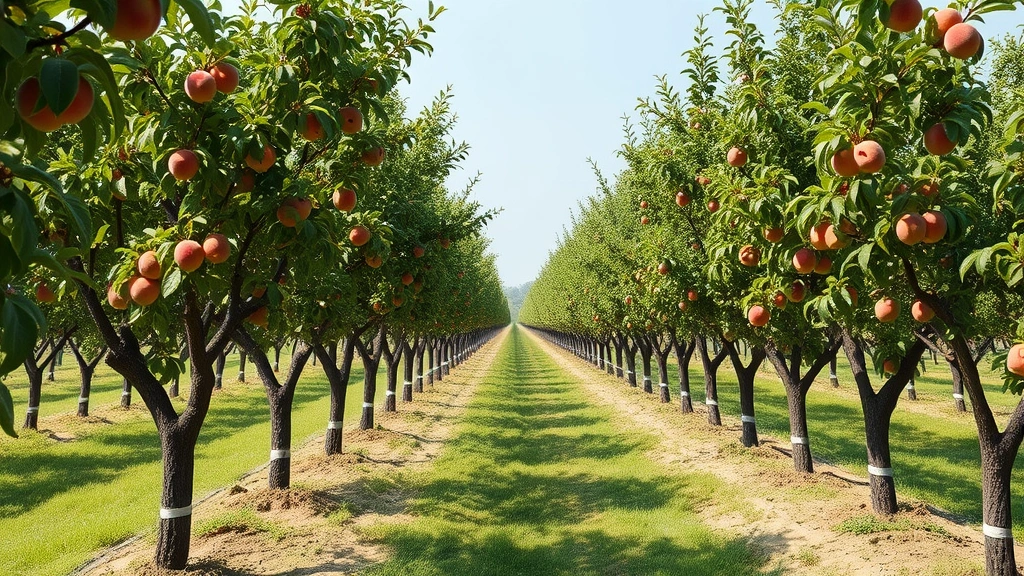
Getting how far to plant peaches right is one of those decisions that’ll either set you up for years of killer harvests or leave you cursing crowded branches and disease problems down the road. I’ve seen folks plant peach trees like they’re hiding Easter eggs, cramming them way too close together, and then wondering why they’re battling fungal issues and fighting for light. Let’s talk spacing the right way so your peach trees can actually breathe and produce.
Table of Contents
Spacing Fundamentals Matter
Before you dig a single hole, understand why spacing even matters. Peach trees need room to spread their canopies, develop strong branch structures, and let air circulate through the leaves. When trees are packed too tight, you’re basically inviting fungal diseases, pest infestations, and reduced fruit production. It’s not just about fitting more trees on your property—it’s about setting each tree up for success.
Think of it like a workshop where you’re trying to work on multiple projects. You need elbow room, right? Same principle applies here. Each peach tree is its own little operation, and it needs space to do its thing without competing with its neighbors for resources.
Standard Planting Distance
The golden rule for peach tree spacing is 15 to 20 feet apart. This is your baseline, your starting point. If you’re planting in rows, maintain this distance between trees along the row, and space your rows about 18 to 20 feet apart as well. This creates a grid pattern that gives each tree adequate light exposure from multiple angles throughout the day.
Why this specific range? Peach trees grow to roughly 15 to 25 feet tall and wide at maturity, depending on variety and growing conditions. The 15 to 20-foot spacing accounts for their full mature canopy size plus a little buffer for air movement. You’re not trying to pack them in; you’re creating a living orchard, not a tree farm where everything’s squeezed together.
Some commercial operations go tighter—as close as 12 feet—but that requires aggressive pruning and management. For a home orchard, stick with the 15 to 20-foot range and sleep better at night.
Tree Size Affects Spacing
Here’s where it gets practical. The variety of peach tree you’re planting matters. Standard peach trees grow larger and need that full 18 to 20 feet of space. Dwarf varieties, which stay around 8 to 10 feet tall, can work with closer spacing—sometimes as little as 8 to 10 feet apart.
Semi-dwarf peaches (which max out around 12 to 15 feet) split the difference at about 12 to 15 feet. Before you buy your trees, check the mature size on the label or ask your nursery. This single piece of information changes your whole spacing game.
I’ve seen people assume all peach trees are the same size and end up with either wasted space or crowded conditions. Know your variety, and your spacing decisions become way easier. This is also where understanding your climate comes in—some regions produce more vigorous growth, which might push you toward the wider spacing even for semi-dwarf varieties.
Airflow Prevents Disease
One of the biggest reasons spacing matters is disease prevention. Peaches are susceptible to brown rot, leaf curl, and various fungal issues. These problems thrive in humid, stagnant air. When branches overlap and canopies touch, moisture gets trapped, and diseases spread like gossip at a family dinner.
Proper spacing creates natural air corridors through your orchard. Morning sun dries dew quickly, and afternoon breezes keep humidity levels down. You’re essentially creating an environment where diseases struggle to gain a foothold. This is preventative medicine—way better than fighting problems after they start.
I always tell people: the space between your trees is as important as the trees themselves. That gap is your insurance policy against disease. When you’re tempted to squeeze in one more tree, remember you’re trading short-term space for long-term disease headaches.
Soil Type Considerations
Your soil type subtly influences spacing decisions. In rich, well-draining loam, peach trees tend to grow more vigorously and reach larger sizes, pushing you toward the 18 to 20-foot range. In sandier or less fertile soil, growth might be more moderate, and you could potentially get away with 15 to 18 feet.
This isn’t a hard rule, but it’s worth considering during your planning phase. If you’ve amended your soil heavily or have naturally rich ground, account for more vigorous growth. The tree you plant will eventually become a bigger tree in better soil conditions. Better to plan for that now than regret it in five years when everything’s crowded.
Also think about your irrigation setup. If you’re planning drip lines or soaker hoses, the spacing affects how you’ll run those lines. Wider spacing means easier access for maintenance and equipment movement between rows.
Row Orientation Matters
If you’re planting multiple rows, orientation counts. Plant rows running north-south when possible. This orientation maximizes sun exposure for trees on both sides of the row throughout the day. East-west rows work too, but you might end up with one side getting more afternoon heat, which affects growth patterns.
In cooler climates, north-south orientation helps maximize warmth and light. In hotter climates, it can provide some afternoon shade relief to the western side. Think about your local sun patterns and how they’ll affect your specific location. This is where knowing your microclimate—the specific conditions of your property—makes a real difference.
Also consider prevailing winds. If you’re in a windy area, wider spacing helps trees stand up to wind stress better. Crowded trees can actually protect each other from wind, but they also create turbulence that can damage fruit and branches. Find your balance based on your specific conditions.
Pruning Impacts Spacing
Here’s the thing about spacing: it’s not fixed. Your pruning practices directly influence whether your trees respect the spacing you’ve given them. If you’re aggressive with pruning—keeping trees to an open-center or vase shape—you can manage slightly tighter spacing. If you let trees grow more naturally, you need that full spacing.
Annual pruning in late winter is your tool for controlling tree size and shape. Remove crossing branches, thin out crowded areas, and maintain an open canopy structure. This ongoing maintenance means your spacing decisions stay effective year after year. Neglect pruning, and even perfectly-spaced trees will start causing problems.
Think of pruning as your way of keeping the spacing arrangement working. It’s not a one-time decision; it’s an ongoing conversation between you and your trees. The better you prune, the more flexibility you have with spacing.
Layout Planning Tips
Before you plant, map it out. Grab a piece of paper or use a simple online tool to sketch your property and mark where trees will go. Use the 15 to 20-foot spacing guideline and actually measure it out. This prevents the common mistake of eyeballing it and ending up with trees closer than intended.
Consider foot traffic patterns, equipment access, and future expansion. You might want to plant in a way that lets you drive a small tractor or mower between rows for maintenance. Leave some open space near the edge for a work area. Think about water access—where will you run hoses or irrigation lines?
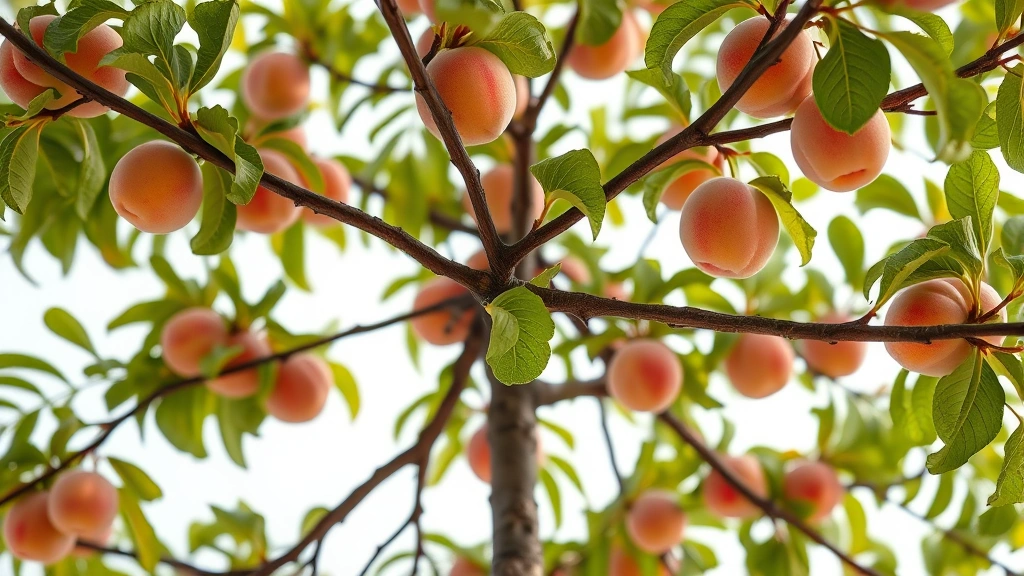
Also think long-term. Plant for the mature size of your trees, not their current size. A 2-year-old nursery tree looks tiny, but it’ll fill that space. Don’t let the small size tempt you to crowd them. In three to five years, you’ll be grateful you gave them room.
For small home orchards, even five or six trees properly spaced beats ten trees crammed together. Quality over quantity—you’ll get better fruit, fewer diseases, and easier maintenance.
Frequently Asked Questions
Can I plant peaches closer than 15 feet apart?
Technically yes, but you’re asking for trouble. Closer spacing (12 feet or less) requires intensive pruning and management. You’ll battle disease more often, and fruit quality typically suffers. For home orchards, stick with the 15 to 20-foot standard. It’s not worth the headaches.
What’s the minimum spacing for dwarf peaches?
Dwarf varieties can work at 8 to 10 feet apart. They stay smaller, so they need less space. But don’t go tighter than 8 feet even for dwarfs—you still need airflow and light penetration. Check your specific variety’s mature size and add a couple feet to that for your spacing distance.
Does spacing change based on climate?
Not dramatically, but it influences tree vigor. In hot, humid climates, wider spacing (18 to 20 feet) helps with disease prevention. In cooler climates, slightly tighter spacing (15 to 18 feet) works fine. The fundamental principle—adequate airflow and light—stays the same everywhere.
Can I add more trees later if I space them wide?
Sure, you can fill in gaps later if you want, but it’s easier to start with your final spacing plan. Adding trees to an established orchard is awkward and disruptive. Better to plan for your desired tree count upfront and space accordingly from the beginning.
How do I measure spacing when planting?
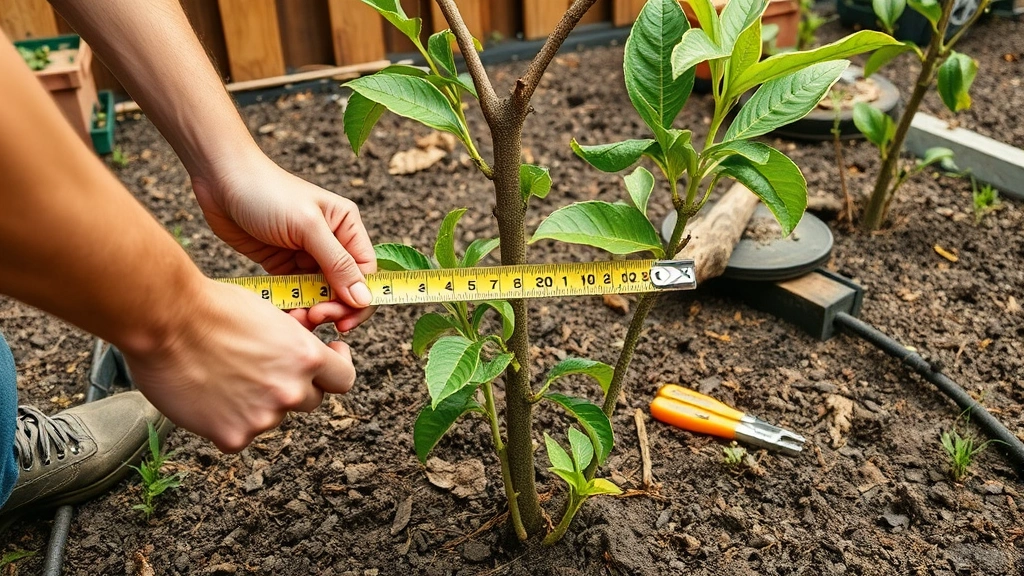
Use a measuring tape. Seriously. Mark the center point where each tree will go, then measure from that point to the next. A long rope or string works too—lay it out, mark intervals with stakes, and plant at each stake. It takes 30 minutes and saves years of regret.
What if my property is small?
Go with dwarf varieties and plant fewer trees. A properly-spaced, well-maintained dwarf peach produces amazing fruit. Three or four healthy, well-spaced trees beat six crowded ones every single time. Better fruit, fewer problems, easier maintenance—that’s the real win.
Final Thoughts
Getting spacing right is one of those foundational decisions that pays dividends for years. You’re not just planting trees today; you’re setting up the framework for a healthy, productive orchard. The 15 to 20-foot standard spacing exists because it works. It gives trees room to grow, air to move, and you the ability to actually manage them without constant battles against disease and overcrowding.
Take the time to plan your layout, measure carefully, and resist the temptation to squeeze in extra trees. Your future self—the one enjoying abundant peach harvests without fighting fungal problems—will thank you. This is one of those areas where patience and proper planning beat rushing and hoping for the best.
For more detailed information on orchard management, check out resources from Family Handyman, This Old House, and the Oregon State University Extension Service. They’ve got solid guidance on fruit tree cultivation specific to different regions.
Start with good spacing, maintain with consistent pruning, and you’ll have a peach orchard that produces for decades. That’s the real payoff.


