
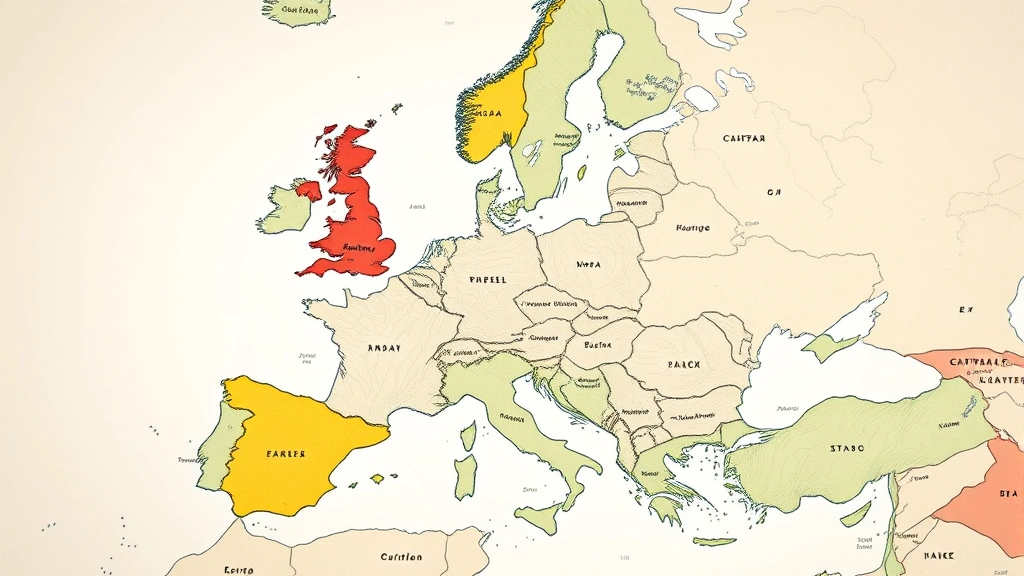
How did imperialism lead to WW1? This question cuts to the heart of one of history’s most transformative conflicts. Between 1870 and 1914, European powers carved up Africa, Asia, and the Pacific in a competitive frenzy that fundamentally reshaped global politics. That same competition, tension, and alliance system built on imperial ambitions ultimately ignited the powder keg of World War I. Understanding this connection means grasping how colonial rivalries, nationalist fervor, and resource competition created an unstable world where a single assassination could trigger global catastrophe.
Table of Contents
Imperial Competition Basics
The scramble for empire didn’t start in 1914—it began decades earlier. Starting around 1870, European nations treated the world like a chessboard, racing to plant flags and claim resources. Britain, France, Germany, Belgium, and Italy all wanted a piece of the action. This wasn’t just about pride or exploration; it was about power, wealth, and global dominance. The nations that controlled the most territory and resources would dominate the next century. That competitive pressure created friction between rivals who wanted the same colonies, the same trade routes, and the same influence.
Alliance Systems Formed
Imperial ambitions forced nations to pick sides. Germany, feeling left out of the colonial game by Britain and France, grew resentful. It had arrived late to empire-building and felt cheated. To compensate, Germany aligned with Austria-Hungary and Italy, forming the Triple Alliance in 1882. Britain and France, already colonial rivals, put aside their differences and formed the Entente Cordiale in 1904. Russia joined them in 1907, creating the Triple Entente. These weren’t casual friendships—they were military pacts born from imperial competition. When war came, these alliances meant a conflict between two nations could drag in six others automatically.
Colonial Rivalries & Tensions
Specific colonial conflicts repeatedly brought European powers to the brink. The Moroccan Crises of 1905 and 1911 saw France and Germany clash over North Africa. France wanted Morocco; Germany wanted to prove it could challenge French colonial expansion. These weren’t abstract disputes—they were tests of military strength and national will. The Fashoda Incident of 1898 nearly sparked war between Britain and France over Sudan. Each crisis reinforced the idea that empires competed for survival, and compromise meant weakness. These repeated confrontations kept European capitals tense and military planners busy.
Militarism & Arms Race
Imperial competition fueled an unprecedented arms race. Nations needed powerful navies to protect trade routes and project power across oceans. Britain’s Royal Navy had dominated for a century, but Germany launched a massive shipbuilding program under Admiral Tirpitz. Every battleship Germany built, Britain built two. This naval competition created a culture of militarism where military solutions seemed inevitable and military leaders gained political influence. Generals and admirals argued that war was coming, so nations had to be ready. That mentality made diplomacy harder and military action seem more acceptable. By 1914, Europe’s military establishments had enormous influence over political decisions.
Nationalism & Imperial Pride
Imperialism and nationalism fed each other like a vicious cycle. Citizens took pride in their nation’s colonies and military power. Newspapers celebrated imperial victories and mocked rival nations. Politicians gained support by talking tough about protecting national interests and expanding influence. This imperial nationalism made compromise politically impossible. A leader who backed down from a colonial dispute faced accusations of weakness and betrayal. By 1914, European publics had been conditioned to see international relations as zero-sum competition where one nation’s gain meant another’s loss. That mentality made peaceful resolution of conflicts extremely difficult.
Balkans: Powder Keg
The Balkans became the flashpoint where imperial competition turned into world war. As the Ottoman Empire declined, European powers competed to fill the vacuum. Austria-Hungary wanted to expand into the Balkans; Russia wanted influence there; Serbia wanted independence and regional dominance. These overlapping imperial ambitions created an unstable situation. When Serbia defeated the Ottoman Empire in 1912, it emboldened Balkan nationalism. Austria-Hungary felt threatened by a stronger Serbia. Russia saw opportunity to expand influence. Germany backed Austria-Hungary. By 1914, the Balkans were a tinderbox where any spark could ignite regional war—and the alliance system would turn it into continental war.
Ottoman Empire’s Decline
The Ottoman Empire’s weakness created a power vacuum that imperial competition couldn’t resist. For centuries, the Ottomans had controlled the Balkans, North Africa, and the Middle East. By 1900, that empire was collapsing. European powers circled like sharks smelling blood. Britain and France carved up Ottoman territories in Africa and the Middle East. Austria-Hungary eyed Balkan territories. Russia wanted Ottoman lands and access to the Mediterranean. This competition over Ottoman scraps created constant tension. Each power feared others would gain too much influence. The Italo-Turkish War (1911-1912) and Balkan Wars (1912-1913) showed how unstable the situation had become. The Ottoman Empire’s death throes were pulling Europe toward war.
Economic Competition Resources
Imperial competition wasn’t just political—it was economic. Colonies meant raw materials, markets, and wealth. Industrial nations needed rubber, oil, metals, and agricultural products. Colonies also meant captive markets for manufactured goods. Economic competition between industrial powers created pressure for territorial expansion. Nations that fell behind in the colonial race felt economically threatened. Germany, lacking colonies equal to Britain’s or France’s, resented being locked out of imperial wealth. This economic competition made imperial disputes feel like matters of national survival. Trade wars and tariff disputes added another layer of tension to imperial rivalries.
Triple Alliance vs. Entente
The alliance system created by imperial competition meant that when Archduke Franz Ferdinand was assassinated in Sarajevo on June 28, 1914, the dominoes fell automatically. Austria-Hungary blamed Serbia and declared war. Russia, supporting Serbia, mobilized. Germany, supporting Austria-Hungary, declared war on Russia and France. France, bound by the Triple Entente, mobilized. Germany invaded Belgium to reach France. Britain, committed to Belgian neutrality, declared war on Germany. What started as a regional Balkan conflict became a continental war because imperial competition had created rigid alliance systems with no flexibility for diplomacy. The alliance structure born from imperial rivalries made negotiation impossible once war began.
Frequently Asked Questions
What role did imperialism play in causing World War 1?
Imperialism created competitive tensions between European powers, forced them into rigid alliances, fueled militarism and nationalism, and created disputes over colonies and resources. These imperial rivalries created the unstable conditions where a regional conflict could trigger continental war. The alliance system built on imperial competition meant that once war started, it spread automatically.
How did imperial rivalries create the alliance system?
Nations formed alliances to protect their imperial interests and balance rivals’ power. Germany, feeling excluded from imperial competition, allied with Austria-Hungary and Italy. Britain and France, despite being colonial rivals, allied against Germany. Russia joined Britain and France. These alliances were explicitly designed to manage imperial competition, but they made war more likely by removing flexibility for diplomacy.
Which imperial rivalry was most important to WW1’s outbreak?
The Balkan situation was most critical. As the Ottoman Empire declined, European powers competed for influence there. Austria-Hungary, Russia, and Serbia had overlapping imperial ambitions. The Balkan Wars (1912-1913) destabilized the region. When Archduke Franz Ferdinand was assassinated in Sarajevo, Austria-Hungary’s response triggered the alliance system and started the war.
How did imperialism cause militarism before WW1?
Imperial competition required powerful militaries to project power globally and protect trade routes. Nations competed in naval arms races, building bigger fleets. This military buildup created a culture where military solutions seemed inevitable. Military leaders gained political influence and argued war was coming, making military action seem acceptable and diplomacy seem weak.
Did imperialism cause WW1 or just contribute to it?
Imperialism was a major cause, not the only cause. Nationalism, militarism, and the alliance system were also crucial. But these factors were interconnected and fed by imperial competition. Without imperialism’s competitive pressures and the alliance systems it created, World War I likely wouldn’t have happened as it did.
Conclusion
How did imperialism lead to WW1? The answer involves understanding how the scramble for empire between 1870 and 1914 created an unstable world. Imperial competition forced nations into rigid alliances, fueled militarism and nationalism, created repeated crises and confrontations, and generated resentment between rival powers. When the Ottoman Empire declined, the Balkans became a battleground for imperial ambitions. The alliance system born from imperial competition meant that when regional war came, it automatically became continental war. A single assassination triggered the alliance dominoes, and Europe fell into a catastrophe that killed millions. Imperialism didn’t directly fire the shots of World War I, but it created the conditions that made the war inevitable. Understanding this connection shows how competition for global power and resources can destabilize the entire international system. The lessons of how imperialism led to WW1 remain relevant today as nations continue competing for influence and resources on the global stage.


