
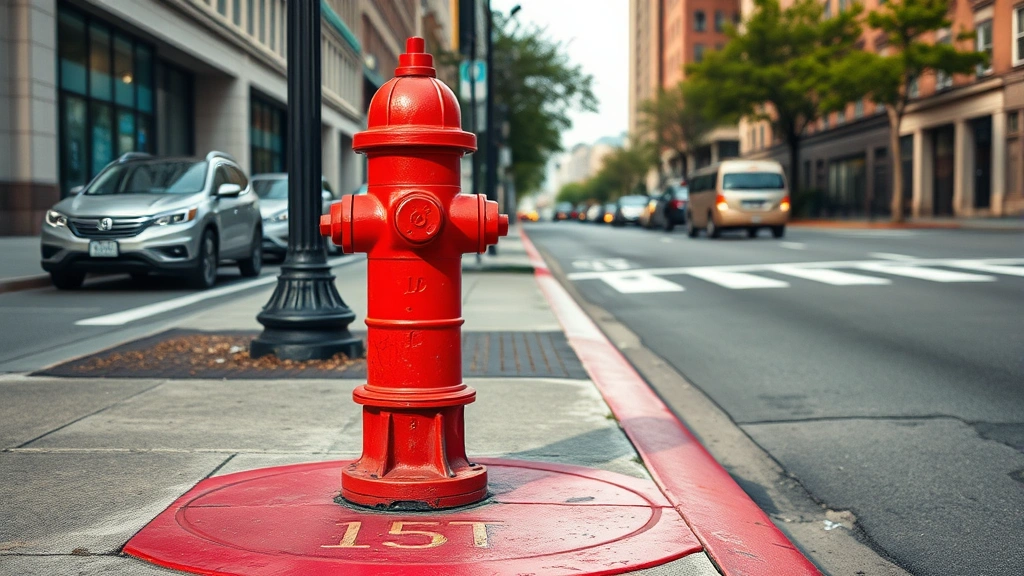
How close can you park to a fire hydrant? This is one of those parking questions that catches a lot of drivers off guard, and the answer matters more than you might think. Whether you’re parallel parking on a busy city street or looking for a convenient spot near your destination, understanding fire hydrant parking rules can save you from expensive tickets, towing fees, and the genuine frustration of finding your car gone.
Table of Contents
The Standard Rule Explained
The basic rule across most of the United States is straightforward: you cannot park within 15 feet of a fire hydrant. That’s the federal standard that governs fire hydrant parking regulations in the vast majority of municipalities. Fifteen feet might not sound like much when you’re desperately hunting for a parking spot, but it’s actually a critical safety buffer that emergency responders depend on.
This 15-foot rule applies in both directions from the hydrant—meaning you can’t park 15 feet in front of it or 15 feet behind it. The measurement is typically taken from the nearest part of your vehicle to the hydrant itself, not from your bumper or some other reference point. If you’re sitting in your car wondering whether you’re too close, you probably are.
Why Distance Matters for Emergency Response
Understanding why this distance matters helps explain why enforcement is so strict. When firefighters respond to an emergency, they need immediate, unobstructed access to hydrants. A parked car blocking access can cost precious seconds—and in emergencies, seconds translate directly into lives saved or property preserved. Firefighters need room to position their truck, deploy hoses, and connect equipment without maneuvering around your sedan.
The 15-foot buffer also gives fire trucks enough space to safely park alongside the hydrant and operate their equipment. Modern fire apparatus is large and requires clearance on both sides. If your car is parked too close, it forces the truck into an awkward angle or prevents them from accessing the hydrant entirely.
State and Local Variations You Should Know
While 15 feet is the standard, some cities and states have modified these rules. California, for instance, sometimes enforces a stricter standard in high-density areas. New York City has its own specific regulations that can vary by neighborhood. Some rural areas might have different standards altogether, though they’re typically more lenient rather than stricter.
The best approach is to check your local municipal code or parking ordinances. You can usually find this information on your city’s website, at the parking enforcement office, or by calling your local fire department. They’re generally happy to clarify the rules—it’s in their interest for people to understand and follow them.
If you’re traveling and unsure about local regulations, the safest bet is to assume the 15-foot rule applies and give hydrants an even wider berth if possible. When in doubt, park elsewhere.
Identifying Fire Hydrants Correctly
You’d think this would be obvious, but plenty of people miss hydrants or mistake other street fixtures for them. Fire hydrants are typically bright red, yellow, or white (color varies by region and water pressure), and they’re usually 2-3 feet tall with a distinctive shape. They’re designed to be highly visible, but distracted drivers and hurried parkers still miss them regularly.
The hydrant itself is the actual device, not the surrounding area. Some cities paint a curb red or yellow to mark the no-parking zone around a hydrant, which makes enforcement easier. If you see a red or yellow painted curb, that’s your visual cue that parking there will result in a ticket. These painted zones typically represent the 15-foot buffer zone, so stay completely clear of them.
Consequences of Parking Violations
The penalties for parking too close to a fire hydrant are no joke. Fines typically range from $50 to $250, depending on your location, though some cities impose steeper penalties. In addition to the fine, your vehicle might be towed, which adds towing fees (usually $100-$300) and impound fees ($15-$30 per day) on top of your original citation.

Beyond the financial hit, a parking ticket goes on your record. Some insurance companies consider traffic violations when calculating rates, so this seemingly minor infraction could affect your premiums. If you’re trying to maintain a clean driving record for employment or other reasons, this is worth avoiding entirely.
If your car gets towed, you’ll need to locate the impound lot, pay the fees, and deal with the inconvenience of retrieving it. If you need documentation of the incident, you might want to know how to obtain a police report for insurance purposes.
Parking Near Hydrants Safely and Legally
The solution is simple: don’t park near fire hydrants. When you’re hunting for a spot, actively look for the hydrants on the street and mentally mark them as no-go zones. Most experienced city parkers develop a habit of scanning for these obstacles automatically.
If you find a spot that seems perfect but there’s a hydrant nearby, measure it out mentally. Fifteen feet is roughly the length of a standard car plus a bit extra. If the spot looks tighter than that, keep driving. The few extra minutes spent finding a legal spot is infinitely better than dealing with a ticket or tow.
When parking in unfamiliar areas, take extra time to survey the street. Look for painted curbs, hydrant locations, and other parking restrictions before you commit to a spot. This is especially important in older neighborhoods where street layouts can be confusing and hydrant placement irregular.
Common Misconceptions About Hydrant Parking
One persistent myth is that you can park closer to a hydrant if it’s not actively being used or if there’s no fire emergency. This is completely false. The rule applies 24/7, regardless of circumstances. Another misconception is that the rule only applies to commercial vehicles or large trucks. It applies equally to cars, motorcycles, and everything else with wheels.
Some people think that if they leave their engine running or stay in the vehicle, they can park illegally. Wrong again. The rule is about the parked vehicle’s location, not whether someone is in it. You could face a ticket even with your foot on the brake.
There’s also a misunderstanding that painted curbs are just suggestions or that they indicate something other than no-parking zones. Red and yellow painted curbs are not suggestions—they’re legal no-parking markers with the force of law behind them.
Emergency Access: Why This Actually Matters
It’s easy to dismiss parking regulations as bureaucratic nitpicking until you consider the real-world consequences. Fire hydrants save lives and property. When a house is burning or a medical emergency requires rapid response, every second counts. A parked car blocking hydrant access isn’t just an inconvenience—it’s a genuine threat to public safety.
Fire departments have documented cases where blocked hydrants delayed response times, prevented proper water supply, or forced firefighters into dangerous situations. Some of these cases have resulted in property loss or, in the worst scenarios, loss of life. While your single parked car might seem insignificant, multiply that by dozens of drivers making the same choice, and you’ve created a serious public safety problem.
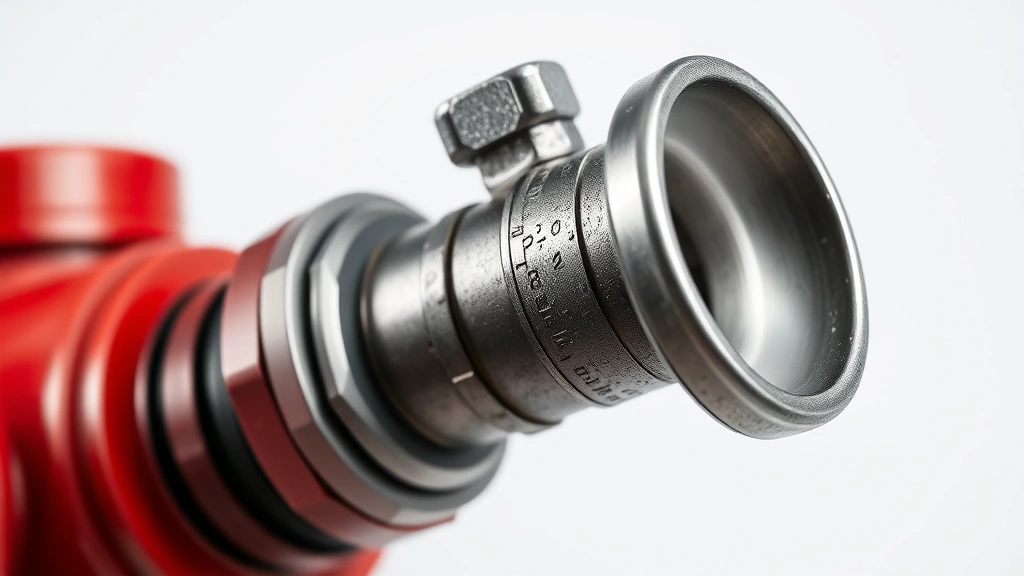
Emergency responders depend on clear access to these critical resources. Respecting the 15-foot rule is a small way you can contribute to community safety.
Frequently Asked Questions
Can I park 15 feet away from a fire hydrant?
No. The 15-foot rule means you cannot park within 15 feet of a hydrant in any direction. You must park more than 15 feet away from it.
What if the hydrant is on the opposite side of the street?
The rule typically applies to the same side of the street where the hydrant is located. However, check your local ordinances, as some jurisdictions have specific rules about this. When in doubt, treat hydrants on the opposite side with the same caution.
Do I have to pay a towing fee if my car is removed from near a hydrant?
Yes. In addition to the parking citation fine, you’ll be responsible for towing fees and daily impound fees. These can easily exceed $200-$400 depending on your location.
How can I find out my city’s specific parking regulations?
Contact your city’s parking enforcement office, check the municipal code on your city’s website, or call your local fire department. They can provide specific guidance for your area.
What if I parked legally but someone hit my car?
If you parked legally and your vehicle was damaged, you’d file a claim with your insurance or the responsible party’s insurance. Understanding how to disconnect a car battery or remove a car battery might be relevant if you need to document the vehicle’s condition for insurance purposes.
Are there any exceptions to the hydrant parking rule?
Generally, no. Emergency vehicles might be exempt, but regular drivers have no exceptions. Some cities might have special permit systems, but these are rare and require formal authorization.
How is the 15-foot distance measured?
The distance is measured from the nearest part of your vehicle to the hydrant itself. Parking enforcement officers use this standard measurement, and it’s straightforward to verify.


