

If you’re wondering how big is 1.5 L to oz, you’ve hit on one of those measurements that trips up home cooks, bartenders, and DIY enthusiasts all the time. Whether you’re scaling a recipe, mixing drinks, or measuring liquids for a project, knowing that 1.5 liters equals approximately 50.72 fluid ounces is your golden ticket to getting it right the first time.
Table of Contents
Quick Answer
Let’s cut to the chase: 1.5 liters = 50.72 fluid ounces (US). If you need a round number for everyday use, call it 51 ounces and you’re golden. This conversion matters because liters and ounces come from different measurement systems—metric versus imperial—and getting the math right keeps your recipes, beverages, and projects on track.
Liters to Oz Basics
The liter is the metric system’s unit of volume, while fluid ounces belong to the imperial system (used primarily in the US). One liter equals 33.814 fluid ounces, which means multiplying any liter amount by this number gives you your ounce equivalent. So 1.5 liters × 33.814 = 50.721 fluid ounces. Most people just round to 50.7 or 51 ounces depending on how precise they need to be.
Here’s the thing: this conversion is straightforward once you know the multiplier. The confusion usually happens because people mix up fluid ounces (volume) with weight ounces (mass). They’re completely different measurements, and using the wrong one can wreck your results. Stick with fluid ounces when you’re dealing with liquids, and you’ll avoid that headache entirely.
Conversion Formula
The math is simple enough that you can do it in your head or on a calculator:
Liters × 33.814 = Fluid Ounces
For 1.5 liters specifically: 1.5 × 33.814 = 50.721 fl oz
If you’re working backward (ounces to liters), just flip it: Fluid Ounces ÷ 33.814 = Liters. So if a recipe calls for 50 fluid ounces and you only have a liter measuring cup, divide 50 by 33.814 and you get 1.48 liters—basically 1.5 liters. See? Easy.
When you’re working with other weight conversions, the same principle applies: know your multiplier, do the math, and double-check your work. Precision matters in the kitchen and in any project where measurements count.
Practical Kitchen Uses
In the kitchen, 1.5 liters shows up constantly. That’s roughly the size of a standard wine bottle and a half, or about six cups of liquid. If you’re making soup, sauce, or stock, you’ll often see recipes that call for 1.5 liters of broth or water. Converting that to ounces (about 51 oz) helps you measure it out accurately if your pot only has ounce markings.
When you’re preparing grandma’s approved dinner recipes, you might encounter metric measurements that need converting. A 1.5-liter pot of soup or a 1.5-liter batch of homemade stock becomes much easier to portion and store when you know it’s roughly 50 ounces. That’s enough to serve four to six people as a main course or eight to ten as a starter.
Bartenders use this conversion all the time when they’re working with bottles and pitchers. A 1.5-liter bottle of spirits is a standard size, and knowing it contains about 51 fluid ounces helps with inventory, pricing, and making consistent drinks. If your bar recipe calls for 2 fluid ounces of vodka per drink, you can get about 25 drinks out of a 1.5-liter bottle.

Common Mistakes to Avoid
The biggest mistake people make is confusing fluid ounces with weight ounces. A fluid ounce measures volume (how much space something takes up), while a weight ounce measures mass (how heavy something is). Water is roughly 1:1 (1 fl oz of water weighs about 1 oz), but oil, honey, and other liquids have different densities. Don’t assume they’re the same.
Another common slip-up is using UK fluid ounces instead of US fluid ounces. A UK fluid ounce is slightly smaller than a US fluid ounce, which can throw off your measurements if you’re following a recipe from across the pond. Always check which system your recipe or measurement tool uses.
People also sometimes round too aggressively. If you’re baking or making a sauce, rounding 50.72 down to 50 might seem close enough, but those 0.72 ounces can add up across multiple ingredients. When precision matters, stick with the full number or use a digital scale to double-check.
Quick Reference Chart
Here’s a handy breakdown so you don’t have to do the math every time:
Common Liter to Fluid Ounce Conversions:
- 0.5 L = 16.9 fl oz
- 1.0 L = 33.8 fl oz
- 1.5 L = 50.7 fl oz
- 2.0 L = 67.6 fl oz
- 2.5 L = 84.5 fl oz
- 3.0 L = 101.4 fl oz
Bookmark this or snap a photo for quick reference when you’re in the kitchen or working on a project. These rounded numbers work great for everyday cooking and measuring.
Real-World Applications
When you’re making healthy vegetarian dinner recipes, you might need to measure vegetable broth or coconut milk in large quantities. A 1.5-liter container of either one is about 51 fluid ounces—enough for most soups, stews, and curries that serve a family.
Beverage production also relies heavily on this conversion. A 1.5-liter bottle of soda, juice, or sports drink is a standard consumer size. Knowing it’s roughly 51 ounces helps with portion control, calorie counting, and understanding how many servings you’re actually getting.
Home brewing and fermentation projects frequently call for 1.5-liter batches. Whether you’re making kombucha, tepache, or small-batch wine, knowing the exact fluid ounce volume helps you calculate alcohol content, carbonation levels, and ingredient ratios accurately.
Even when you’re preparing easy Japanese recipes that call for dashi or mirin, the 1.5-liter measurement pops up. Converting it to ounces makes it easier to work with if your measuring cups are marked in imperial units.
Measuring Tools That Work
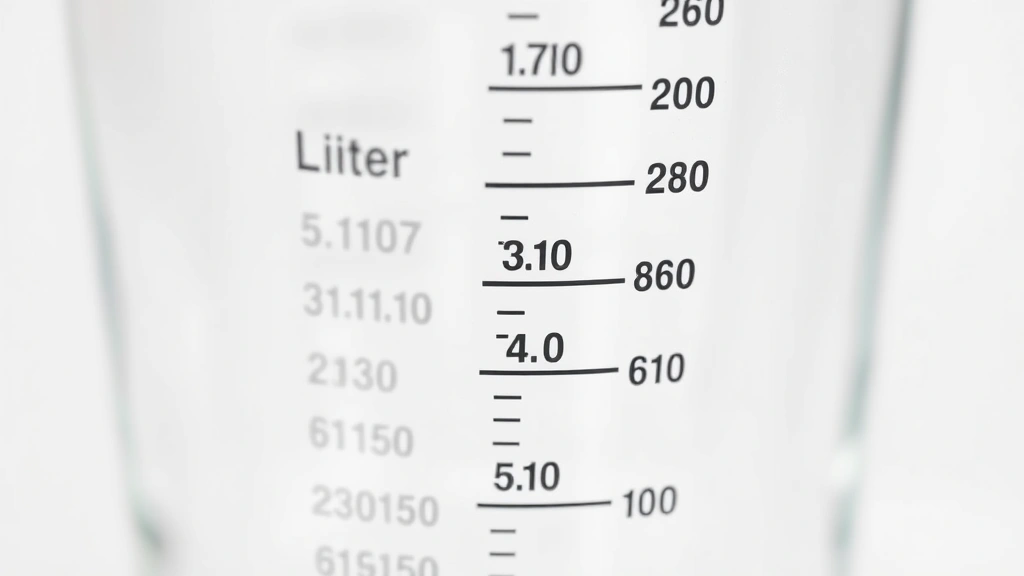
The best tool for measuring liquids accurately is a liquid measuring cup with both metric and imperial markings. Look for one that shows liters on one side and fluid ounces on the other—no math required. A 2-liter capacity is ideal if you’re regularly measuring 1.5-liter quantities.
Digital kitchen scales that measure volume are also helpful, especially if you’re dealing with non-water liquids. They let you measure by weight and then convert to volume if needed, which is more accurate than eyeballing it.
For quick, approximate measurements, standard measuring spoons and cups work fine. Just remember that 1 cup equals about 8 fluid ounces, so 1.5 liters (51 oz) is roughly 6.4 cups. In practice, that’s about 6 cups plus a couple tablespoons.
If you’re serious about precision—especially in baking or brewing—invest in a good measuring pitcher with clear markings for both systems. It’s one of those tools that pays for itself in accuracy and confidence.
Frequently Asked Questions
Is 1.5 liters the same as 1.5 fluid ounces?
No, absolutely not. 1.5 liters is much larger than 1.5 fluid ounces. 1.5 liters equals about 50.7 fluid ounces. If you only measured 1.5 fl oz when a recipe called for 1.5 liters, you’d have about 1/34th of what you need—a recipe disaster.
How many cups is 1.5 liters?
1.5 liters equals approximately 6.3 cups (or about 6 cups and 5 tablespoons). If you’re using standard 8-ounce measuring cups, you’ll need six full cups plus a partial seventh cup.
Can I use this conversion for all liquids?
The volume conversion (1.5 L = 50.7 fl oz) works for all liquids. However, if you’re converting to weight ounces, different liquids have different densities. Water is roughly 1:1, but honey, oil, and syrup will weigh differently. Always clarify whether you need volume or weight.
Why do recipes use both liters and ounces?
Different countries use different measurement systems. Metric (liters) is standard internationally and in scientific cooking, while imperial (ounces) is traditional in the US. Modern recipes often include both to reach a wider audience.
Is there a quick way to remember this conversion?
Here’s a trick: one liter is roughly 34 fluid ounces (actually 33.814). So 1.5 liters is about 34 × 1.5 = 51 ounces. That’s close enough for everyday cooking. The exact number is 50.72, but 51 works great for practical purposes.
What’s the difference between fluid ounces and ounces?
Fluid ounces measure volume (how much space a liquid takes up), while ounces measure weight (how heavy something is). They’re different systems entirely. Always use fluid ounces for liquids unless a recipe specifically asks for weight.
Final Takeaway
Knowing that 1.5 liters equals 50.72 fluid ounces is a practical skill that saves time and prevents mistakes in the kitchen, bar, or workshop. The conversion formula (liters × 33.814 = fluid ounces) is simple enough to remember or look up quickly whenever you need it. Keep a reference chart handy, invest in a good measuring cup with both metric and imperial markings, and you’ll handle any recipe or project that comes your way.
Whether you’re scaling Greek recipes, mixing drinks, or measuring liquids for any purpose, this conversion is your foundation. Double-check your work when precision matters, avoid confusing fluid ounces with weight ounces, and you’ll be measuring like a pro every single time.


