
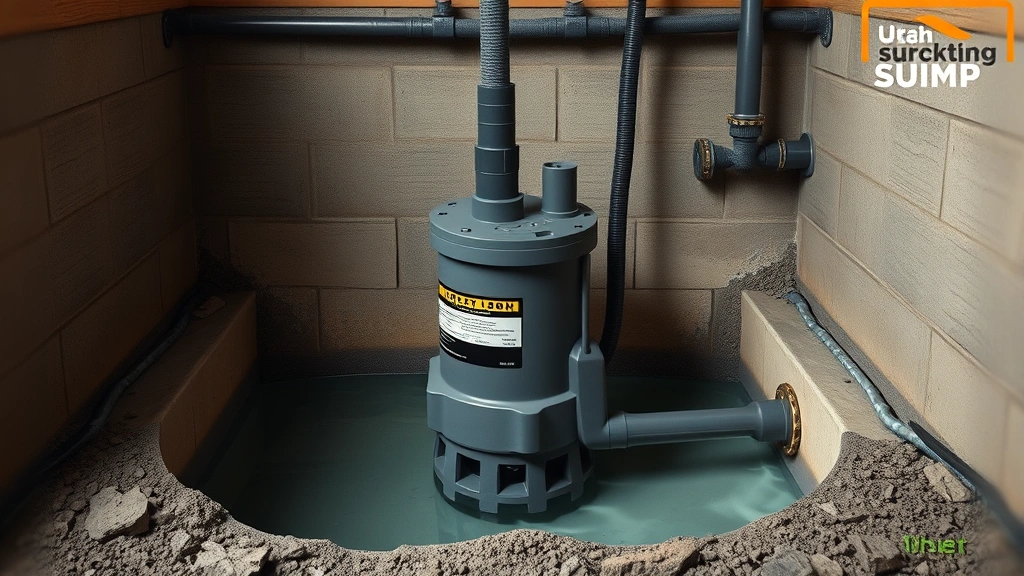
When you’re standing in your basement watching water creep toward your finished space, how are wayne sump pumps compared to zoeller sump pumps becomes way more than just a casual question—it’s your lifeline decision. Both brands have been around the block, and they’re trusted by homeowners and contractors alike. But here’s the thing: they’re not identical twins, and picking the wrong one could leave you with a soggy basement or an empty wallet.
I’ve spent enough time in damp basements and crawlspaces to know that sump pump selection matters. Wayne and Zoeller each bring their own strengths to the table, and understanding those differences will help you make a choice that actually works for your situation.
Table of Contents
Brand History & Reputation
Wayne has been in the water-moving business since 1921. They started as a pump company and built their reputation on affordable, accessible solutions for everyday homeowners. You’ll find Wayne pumps in hardware stores nationwide because they’ve nailed the mass-market approach. Their philosophy? Get a reliable pump into people’s hands without breaking the bank.
Zoeller, on the other hand, started in 1939 and positioned itself as the premium player. They’re based in Indiana and have cultivated a reputation as the heavy-hitter brand. Contractors often specify Zoeller for commercial applications and high-end residential jobs. They’re the brand people mention when they want to sound like they made the serious choice.
Both companies have solid track records, but Wayne appeals to the DIYer crowd while Zoeller attracts professionals who prioritize performance over price tags.
Pump Types & Models
Wayne offers three main sump pump categories: submersible, pedestal, and battery backup systems. Their submersible models are popular because they’re quiet and compact. The pedestal pumps work great if you’ve got limited pit space. They also make combo systems that bundle primary and backup pumps together, which is smart thinking for basement protection.
Zoeller similarly offers submersible and pedestal options, but they’ve really focused on their submersible line. Their M-series pumps (like the M98 and M267) are industry workhorses. Zoeller also produces their Aquanot line, which includes backup and specialty pumps for specific applications. If you need something for a sump pit with unusual dimensions or extreme conditions, Zoeller probably has a model engineered for it.
The key difference: Wayne gives you variety at accessible price points. Zoeller gives you precision engineering in specialized models.
Performance Specs Breakdown
Here’s where the numbers get real. Wayne’s submersible pumps typically handle 2,000 to 3,600 gallons per hour (GPH), depending on the model. Their most popular units sit around 2,500-3,000 GPH. They’re designed for standard residential basements with moderate to heavy water intrusion.
Zoeller’s submersible pumps range from 2,000 GPH on the lower end to 4,000+ GPH on their commercial-grade models. The M98, for instance, pushes 3,400 GPH and is built to handle continuous duty cycles. Zoeller pumps also typically feature higher head pressure ratings, meaning they can push water higher and farther than Wayne models in the same class.
For most residential applications—basements with standard 4-inch discharge pipes—both brands move water efficiently. But if you’ve got a deep pit, long discharge line, or multiple drains feeding into your sump, Zoeller’s higher pressure ratings become valuable. This is also where regular maintenance schedules matter, as keeping your pump clean ensures peak performance.
Installation & Setup
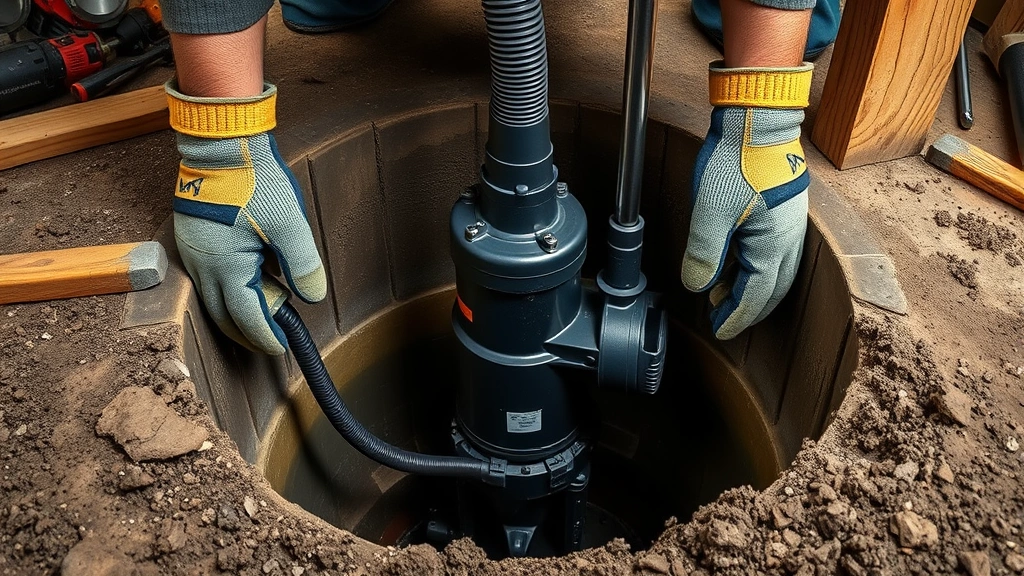
Wayne pumps are designed for the homeowner who wants to tackle this themselves. The instructions are straightforward, connections are standard, and most models fit into existing pits without modification. If you’ve got basic plumbing skills, you can install a Wayne pump in an afternoon. The check valves and discharge adapters are typically included and easy to work with.
Zoeller pumps are equally straightforward to install, but they often come with more customization options. You might need to order specific fittings or adapters depending on your pit configuration. The instructions are thorough—sometimes almost too thorough—which can intimidate someone doing this for the first time. That said, the engineering is solid, and everything fits together cleanly.
Installation difficulty is roughly equivalent, but Wayne feels more plug-and-play while Zoeller feels more engineered. Neither should require a professional unless your basement setup is unusual.
Reliability & Durability
Wayne pumps are solid workhorses. They typically last 7-10 years with decent maintenance. The motors are durable, and the construction quality is good for the price. You’ll occasionally hear about a Wayne pump that failed early, usually due to debris in the pit or improper installation, not manufacturing defects.
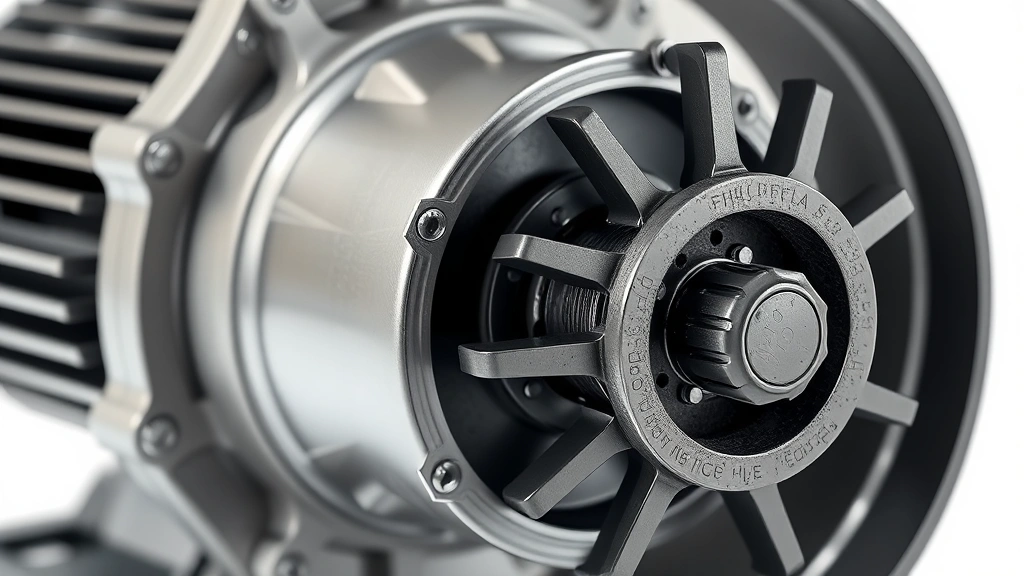
Zoeller pumps are built to outlast Wayne units. Many contractors report Zoeller pumps running for 10-15+ years. The motors are heavier-duty, the seals are more robust, and the overall construction feels premium. Zoeller uses cast iron impellers and more durable bearing assemblies. If longevity is your metric, Zoeller wins this round.
The real difference comes down to duty cycle. Wayne pumps handle standard residential use—the pump runs when water rises and stops when it drops. Zoeller pumps can handle continuous or near-continuous operation, which matters if you’re dealing with serious groundwater issues or commercial applications.
Noise Levels Matter
Wayne submersible pumps are reasonably quiet—around 70-75 decibels during operation. If your sump pit is in a finished basement near living space, you’ll notice the noise but it’s not overwhelming. Pedestal Wayne pumps are louder, around 80 decibels, because they’re not submerged.
Zoeller submersible models run at similar noise levels (70-75 dB), but their overall sound signature is different. Some users report Zoeller pumps sound “tighter” or more refined, though this is subjective. The Aquanot backup pump is notably quiet because it runs less frequently.
If noise is a concern, both brands’ submersible models are your friend. Avoid pedestal pumps unless you absolutely have to, and consider a backup system that only kicks in during heavy rain events rather than running constantly.
Warranty & Customer Support
Wayne typically offers a 1-year manufacturer’s warranty on most models, with some extended options available. Their customer support is accessible through major retailers, and replacement parts are easy to find. If something fails, getting a replacement is usually straightforward because they’re widely stocked.
Zoeller offers a 3-year warranty on most submersible models, which is significantly better. Their customer support is direct and responsive, and they stand behind their products. Replacement parts are available but might require special ordering depending on your model. The longer warranty reflects their confidence in durability.
For warranty coverage, Zoeller’s 3-year protection beats Wayne’s 1-year hands down. However, Wayne’s ubiquity means you can often swap a failed unit quickly at any big-box retailer.
Price Comparison
This is where Wayne makes its strongest argument. A solid Wayne submersible pump runs $300-$600 depending on specifications. Their pedestal models are even cheaper. Battery backup systems from Wayne start around $400.
Zoeller pumps cost more. Expect to pay $600-$1,200 for a submersible model, and specialty models can exceed that. Their backup systems are similarly premium-priced. You’re paying for durability, warranty, and engineering precision.
The math: Wayne costs roughly 40-50% less than Zoeller. If budget is tight and you’re confident in maintenance, Wayne makes financial sense. If you’re planning to stay in your home for 15+ years and want peace of mind, Zoeller’s premium pricing looks more reasonable when amortized over time.
Real-World Performance
I’ve seen both pumps in action countless times. Wayne pumps handle normal basement water intrusion beautifully. They move water quickly, rarely fail if maintained, and give homeowners solid protection without premium pricing. They’re the choice for someone who wants reliability without fuss.
Zoeller pumps excel in challenging conditions. Heavy groundwater, continuous seepage, high water table situations—Zoeller handles these with confidence. They’re the choice for someone who wants to eliminate basement water problems permanently, regardless of cost. Like diagnosing complex automotive issues, sometimes the premium solution is worth the investment.
Real-world verdict: Both work. Wayne is the smart choice for typical situations. Zoeller is the right choice for difficult situations or if you want maximum longevity and warranty protection.
Frequently Asked Questions
Can I replace a Wayne pump with a Zoeller pump in the same pit?
Yes, absolutely. As long as the Zoeller model fits your pit dimensions and has compatible discharge connections, you can swap them. The electrical connections are standard, so the switch is straightforward. This is actually a smart upgrade path—start with Wayne, and if you need more capacity or durability, swap to Zoeller later.
Which pump is better for a basement that floods frequently?
Zoeller is the better choice for frequent flooding. Their higher GPH ratings and continuous-duty capability mean they can handle constant water influx without overheating. Wayne pumps can handle frequent cycling, but Zoeller was engineered for exactly this scenario.
Do I need a backup pump with either brand?
Absolutely, yes. If your sump pump fails during a heavy rain, you’re facing a flooded basement. A backup pump—battery-powered or water-powered—is insurance. Both Wayne and Zoeller make backup systems. This is one area where spending extra money makes genuine sense.
How often should I maintain my sump pump?
Monthly checks are ideal. Pour water into the pit to ensure the pump activates and the discharge works. Clean any debris from the pit. Check the discharge line for blockages. Once yearly, consider a more thorough inspection. This applies to both brands equally and extends pump life significantly.
Is a submersible pump really quieter than a pedestal pump?
Yes, noticeably quieter. Submersible pumps are submerged, so water absorbs sound. Pedestal pumps sit above the water, so sound travels freely. If your sump pit is near living space, submersible is worth the extra cost.
What’s the real difference in lifespan between Wayne and Zoeller?
Wayne pumps: 7-10 years typical. Zoeller pumps: 10-15+ years typical. The difference comes from heavier-duty components and better sealing. If you maintain either pump properly, you’ll extend its life. Neglect either one, and both fail early.
Can I install either pump myself?
Yes. Both brands are designed for homeowner installation. You need basic plumbing knowledge, a wrench, and an afternoon. If your basement setup is standard, neither pump requires professional installation. Save the contractor money for other projects.
Which pump handles sediment and debris better?
Both pumps handle sediment similarly if you keep your pit clean. Neither likes large debris. The real protection is a sump pit with a screen or filter to keep junk out. Zoeller pumps might tolerate occasional debris better due to heavier-duty construction, but prevention is better than relying on durability.
Bottom line: Both Wayne and Zoeller make quality sump pumps. Choose Wayne for affordability and standard residential protection. Choose Zoeller for maximum durability, warranty coverage, and handling of challenging water situations. Either way, you’re making a solid choice—just at different price points and performance levels. Add a backup pump system to whichever you choose, and you’ve got real basement protection.


