
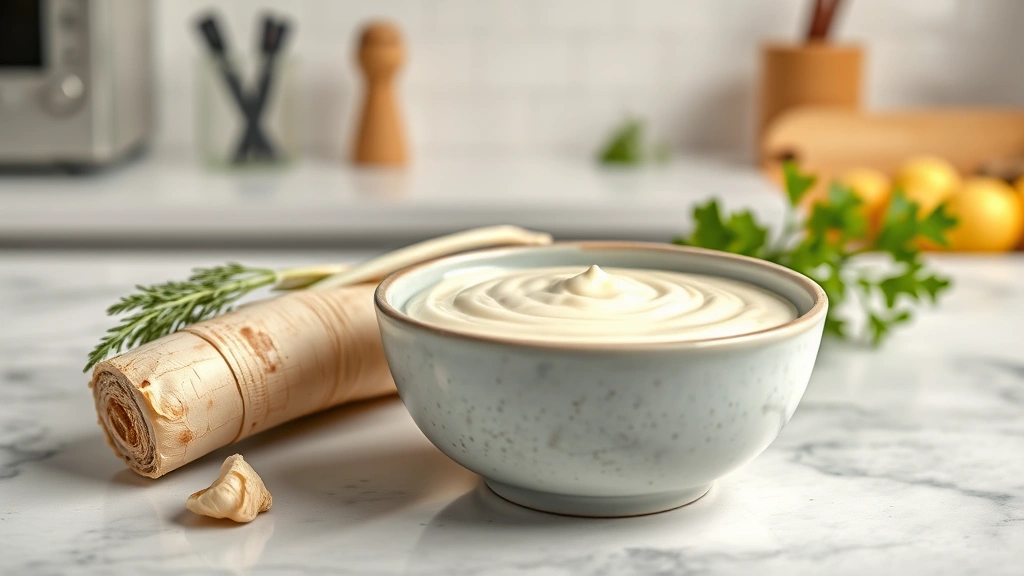
A solid horseradish sauce recipe is one of those kitchen staples that separates the folks who settle for bottled condiments from those who actually know their way around flavor. This pungent, nose-clearing condiment takes five minutes flat to whip together, and once you taste homemade horseradish sauce, you’ll never go back to the store-bought stuff. It’s sharp, it’s fresh, and it’ll wake up everything from roast beef to smoked fish like nothing else can.
Table of Contents
What Is Horseradish Anyway?
Horseradish is a root vegetable that packs a serious punch. Unlike regular radishes, this thing is all about that peppery, sinus-clearing heat. The volatile compounds in horseradish—specifically something called isothiocyanates—are what make your eyes water and your nose run in the best possible way. When you grate fresh horseradish root, those compounds get released and create that distinctive sharp flavor that’s way more intense than anything you’ll find in a jar at the grocery store.
The root itself looks kind of like a gnarly parsnip, but the flavor is completely different. You’ll find fresh horseradish roots in the produce section during fall and winter months, though some specialty markets carry them year-round. If you can’t find fresh horseradish root, prepared horseradish (the white stuff in jars) works in a pinch, but fresh is always better.
Ingredients You Need
Here’s what goes into a basic horseradish sauce recipe that’ll knock your socks off:
- 1 cup fresh horseradish root, peeled and roughly chopped
- 1/2 cup sour cream or Greek yogurt
- 2 tablespoons white vinegar or apple cider vinegar
- 1 tablespoon Dijon mustard
- 1/2 teaspoon salt
- 1/4 teaspoon white pepper
- 1 tablespoon fresh lemon juice
That’s it. Seven ingredients, and you’ve got something that’ll make your dinner guests ask what restaurant you ordered from. The sour cream mellows out the heat just enough to make it actually enjoyable, while the vinegar and mustard add depth. Don’t skip the lemon juice—it brightens everything up.
Step-by-Step Process
Step 1: Prep the horseradish
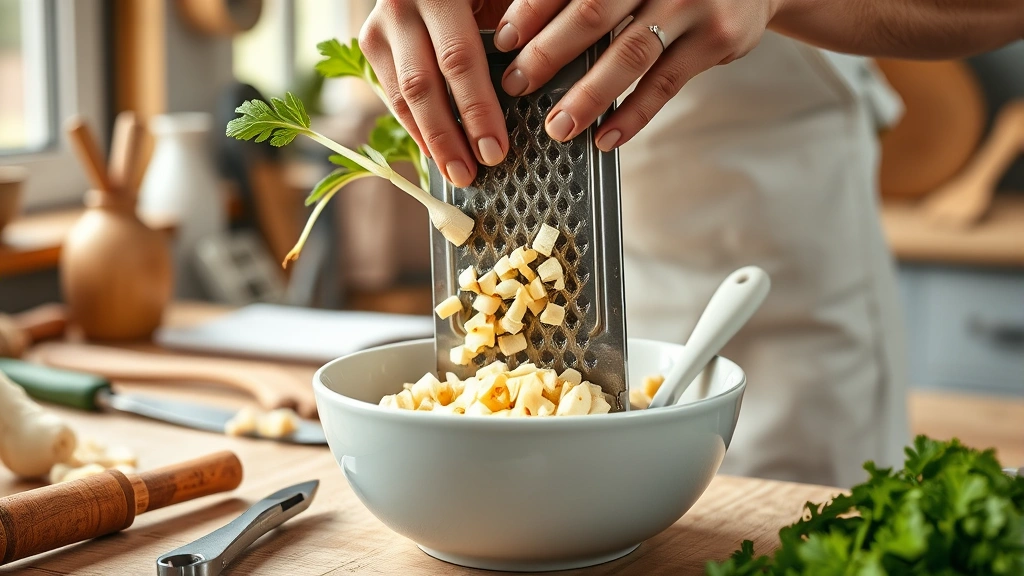
Peel your horseradish root under running water. Use a vegetable peeler or a sharp knife to remove that brownish outer layer. Work in a well-ventilated area—seriously, the fumes are no joke. If you’re sensitive to strong smells, open a window or do this near a fan. Roughly chop the peeled root into 1-inch pieces.
Step 2: Grate or process
You’ve got two options here. The traditional way is to use a box grater and grate it by hand, which gives you more control over the texture. The faster way is to use a food processor with the shredding blade, which takes about 30 seconds. If you use a food processor, pulse it a few times until you get a consistency you like—not too fine, not too chunky.
Step 3: Combine with dairy
Put your grated horseradish into a bowl and fold in the sour cream. Don’t stir aggressively—you want to keep some of that nice texture. If you’re using Greek yogurt, it’ll be thicker, so you might want to add a splash of milk to loosen it up.
Step 4: Add the seasonings
Whisk in the vinegar, mustard, salt, white pepper, and lemon juice. Taste it. Seriously, taste it. If you want more heat, add a tiny bit more horseradish. If it’s too sharp, add another tablespoon of sour cream. This is your sauce—make it yours.
Step 5: Chill and serve
Pop it in the fridge for at least 30 minutes before serving. The flavors meld together and mellow out slightly as it sits. You can serve it cold or at room temperature, depending on what you’re pairing it with.
Flavor Variations & Tweaks
Once you’ve mastered the basic horseradish sauce recipe, you can start playing around. Add a tablespoon of fresh dill for a Scandinavian twist. Mix in some prepared horseradish if you want extra intensity without grating more fresh root. A teaspoon of honey balances out the heat beautifully. Some folks add a splash of Worcestershire sauce or a pinch of cayenne pepper for extra depth.
If you’re pairing it with seafood, try adding fresh tarragon or chives. For beef, a touch of smoked paprika works wonders. The beauty of making your own is that you can experiment until you find the version that makes your taste buds sing. Unlike the Boom Boom Sauce Recipe which has a specific flavor profile, horseradish sauce is incredibly forgiving and adaptable.
Storage & Shelf Life
Keep your horseradish sauce in an airtight container in the fridge. It’ll stay fresh for about two weeks, though the heat will gradually mellow out the longer it sits. If you want to preserve that sharp bite, keep it in the coldest part of your fridge and don’t let it warm up too much between uses.
You can also freeze horseradish sauce for up to three months. Just portion it out into ice cube trays, freeze solid, then pop the cubes into a freezer bag. Thaw in the fridge when you need it. The texture might be slightly different after freezing, but the flavor holds up well.
What to Serve It With
Horseradish sauce is the MVP of condiments. Serve it alongside a perfectly cooked prime rib or roast beef—this is the traditional pairing for a reason. It works beautifully with smoked pork butt and other barbecued meats. Try it with smoked salmon, grilled trout, or any rich fish. It’s killer on roasted vegetables, especially beets and parsnips. Some folks even use it as a sandwich spread or a topping for deviled eggs.
It pairs exceptionally well with pickled onions and other tangy sides. The sharp acidity complements the heat perfectly. You can also dollop it on crab cakes or use it as a dipping sauce for shrimp.
Common Mistakes to Avoid
Using old horseradish root: If it’s been sitting in your pantry for months, it’s lost its punch. Fresh is best, and the sharper the better.
Not ventilating: Grating horseradish releases some seriously potent fumes. Do it near a window or you’ll be crying like you just chopped a hundred onions.

Over-processing: If you use a food processor, don’t go crazy. You want texture, not a paste. A few quick pulses is all you need.
Adding ingredients cold: Let your sour cream come to room temperature slightly before mixing. It’ll incorporate more smoothly and the flavors will blend better.
Skipping the acid: The vinegar and lemon juice aren’t optional—they brighten everything and keep the sauce from being one-dimensional.
Frequently Asked Questions
Can I use prepared horseradish instead of fresh?
Yes, you can. Use about 1/3 cup of prepared horseradish (the jarred stuff) instead of fresh. It won’t be quite as sharp, but it’ll still work. Just skip the grating step and mix it directly into the sour cream.
Why does horseradish make my nose run?
It’s those volatile compounds—isothiocyanates—that create that sinus-clearing sensation. It’s the same reason wasabi and mustard do the same thing. It’s not spicy heat like chili peppers; it’s a different kind of kick.
How long does homemade horseradish sauce last?
About two weeks in the fridge in an airtight container. The flavor mellows over time, so use it sooner rather than later if you want maximum punch.
Can I make this without sour cream?
Absolutely. Use Greek yogurt, mayonnaise, or even whipped cream cheese. Each will give you a slightly different flavor and texture, but they all work.
Is horseradish the same as wasabi?
Nope. They’re similar in that they both have that nose-clearing heat, but they come from completely different plants. Horseradish is a root vegetable from Europe; wasabi is from Japan. The flavor profiles are distinct.
Can I adjust the heat level?
Totally. Want it milder? Add more sour cream. Want it hotter? Use more fresh horseradish or add a teaspoon of prepared horseradish. It’s your sauce.
Final Thoughts
Making your own horseradish sauce recipe at home is one of those small kitchen wins that makes everything taste better. It takes five minutes, uses simple ingredients, and elevates any meal from ordinary to memorable. Once you’ve made it fresh, you’ll understand why people have been grating horseradish root for centuries.
The key is starting with fresh horseradish root, not being afraid of the fumes, and tasting as you go. Everyone’s heat tolerance is different, so make it the way you like it. Store it properly, and you’ll have a condiment that outperforms anything you can buy at the store. Whether you’re serving it alongside a holiday prime rib or using it to jazz up weeknight seafood, this horseradish sauce recipe will become a regular in your kitchen rotation.


