
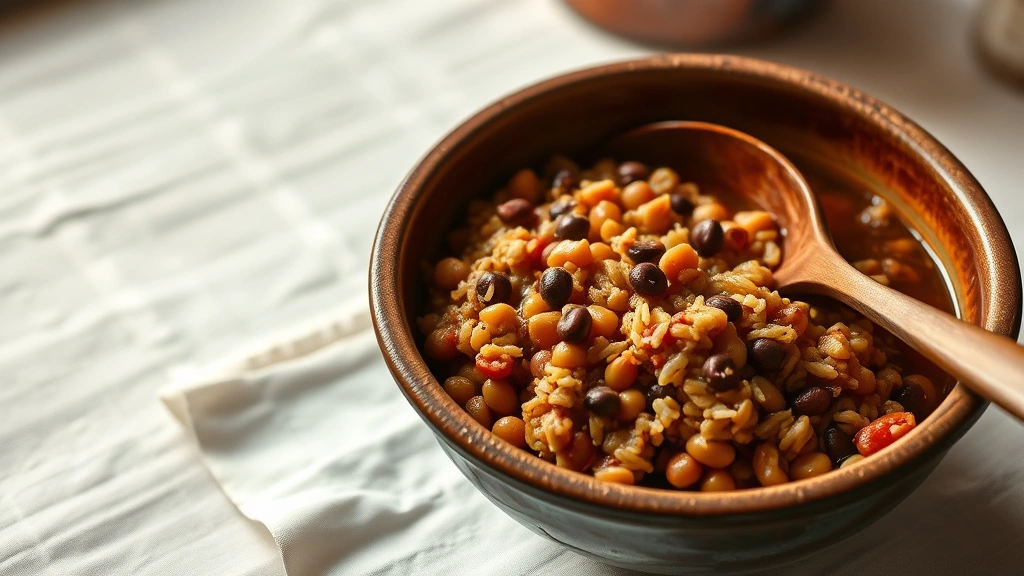
A hoppin john recipe is more than just a dish—it’s a Southern tradition wrapped in superstition, history, and seriously good flavor. This one-pot wonder combines black-eyed peas, rice, and smoky pork into a meal that’s supposed to bring prosperity and good fortune, especially when served on New Year’s Day. Whether you’re chasing luck or just hungry for authentic Southern comfort food, this guide walks you through everything you need to know.
Table of Contents
Why Hoppin John Matters
The story behind hoppin john recipe traditions runs deep in American South culture. Black-eyed peas symbolize coins in Southern folklore, and eating them on New Year’s Day supposedly brings financial blessing for the year ahead. The rice represents the grains that fill your pantry, and the pork adds prosperity and good fortune. It’s not just superstition—it’s a cultural anchor that connects generations of families around the dinner table.
This dish emerged from African American foodways, blending West African cooking techniques with available ingredients in the American South. The name itself might come from children hopping around the table in anticipation, or from the way the peas jump when cooking. Either way, it’s become iconic comfort food that transcends its lucky-charm reputation.
Gathering Your Ingredients
Building a solid hoppin john recipe starts with quality ingredients. You’ll need:
- Black-eyed peas: 1 pound dried or 3 cans (15 oz each)
- Long-grain white rice: 2 cups uncooked
- Bacon or salt pork: 6-8 slices, diced
- Onion: 1 large yellow, diced
- Celery: 2 stalks, diced
- Garlic: 3-4 cloves, minced
- Chicken or vegetable broth: 4 cups
- Bay leaves: 2
- Thyme: 1 teaspoon dried
- Hot sauce: 1/2 teaspoon (optional but recommended)
- Salt and black pepper: To taste
Don’t skimp on the pork—it’s the backbone of authentic flavor. Fresh bacon beats pre-cooked every time, and if you can find salt pork at your butcher, that’s traditional and delicious.
Prep Work Done Right
Preparation separates good hoppin john recipe results from mediocre ones. If using dried peas, rinse them thoroughly under cold water and pick through for any stones or debris. Soak overnight in plenty of cold water—this reduces cooking time and improves digestibility. If you’re short on time, quick-soak by boiling for 2 minutes, then letting them sit 1 hour.
Dice your bacon into small pieces—about quarter-inch cubes work best. Rough-chop your onion and celery into similar-sized pieces so everything cooks evenly. Mince your garlic fine so it distributes throughout the dish. Having everything prepped and ready before you start cooking means you can focus on building layers of flavor rather than scrambling for ingredients mid-recipe.
Cooking the Base
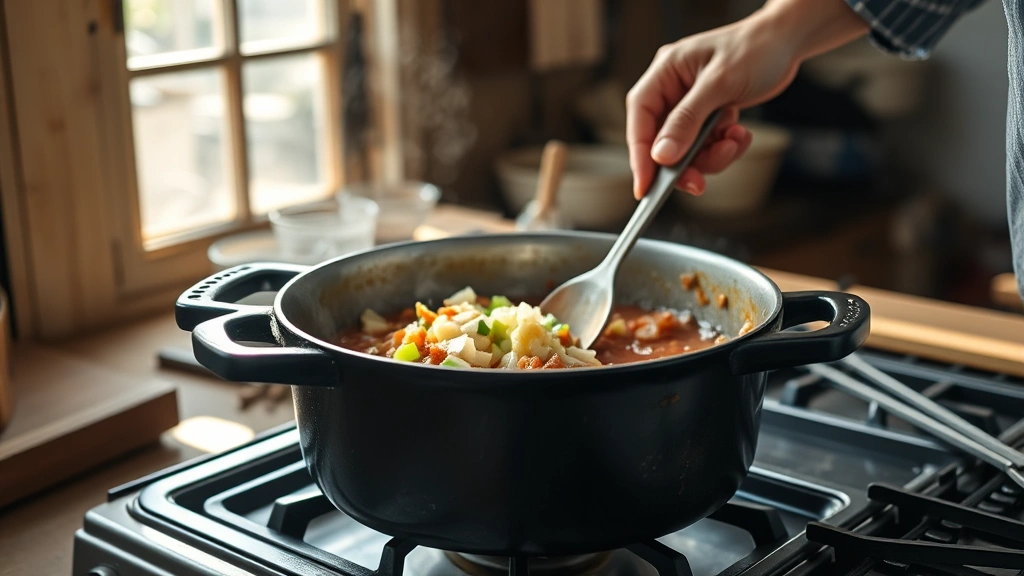
Start by rendering your bacon in a large Dutch oven or heavy-bottomed pot over medium heat. Let it cook slowly for about 5 minutes until the fat releases and the edges crisp up. You want golden, crispy bacon pieces—not burnt. Once rendered, pull the bacon out with a slotted spoon and set aside, leaving the fat in the pot.
Add your diced onion and celery to the bacon fat. This is called building a soffritto base, and it’s crucial for depth. Stir occasionally for about 8-10 minutes until the vegetables soften and become translucent. The onion should start turning golden at the edges. Add your minced garlic and cook for another minute until fragrant. This foundation is where your hoppin john recipe gets its soul.
Building Flavor Layers
Pour in your broth—whether you use chicken or vegetable depends on your preference, but chicken adds richer depth. Add the bay leaves, thyme, and reserved bacon back into the pot. Stir well. If you’re using dried peas that you’ve soaked, drain them and add them now. If using canned peas, you’ll add them later to avoid mushiness.
Bring everything to a boil, then reduce heat to low and simmer. If using dried peas, they’ll need about 45 minutes to an hour until tender but not falling apart. Test them by pressing one between your fingers—it should break easily but hold its shape. This is where patience matters. Rushing this step gives you crunchy peas and a less developed flavor profile.
For a hoppin john recipe with more complexity, consider adding a splash of Carolina BBQ sauce in the last 10 minutes of simmering. The tangy sweetness complements the earthiness of the peas beautifully.
Simmering to Perfection
Once your peas are tender, add your uncooked rice directly to the pot. Stir well to distribute evenly. The rice will absorb the remaining liquid and flavors. Add hot sauce if you like a little kick—this is traditional in many Southern versions. Bring back to a gentle simmer, cover, and cook for about 20 minutes until the rice is tender and the liquid is absorbed.
Don’t lift the lid constantly—that releases steam and extends cooking time. After 20 minutes, check by lifting the lid slightly. The rice should be fluffy and the peas tender. If there’s still liquid and the rice isn’t done, cover and cook another 5 minutes. Once done, remove from heat and let it sit covered for 5 minutes. This resting period lets everything settle and flavors meld.
The best hoppin john recipe achieves a creamy, cohesive texture where the peas and rice share the same spoon without being mushy. It should feel like home in a bowl.
Serving and Pairings
Serve your hoppin john recipe hot, straight from the pot. Many Southerners top it with diced fresh onion, hot sauce, or a squeeze of lemon juice. Some add crispy bacon bits on top for extra crunch. The beauty of this dish is its versatility—it works as a main course or a hearty side.
Pair it with boiled potato recipes for a filling, budget-friendly meal. Cornbread on the side is traditional and soaks up every delicious drop. Collard greens add another layer of Southern tradition—the peas represent coins (wealth), the greens represent paper money, and cornbread represents gold. Together, they’re the holy trinity of New Year’s luck.
If you’re serving this alongside other dishes, consider how your hoppin john recipe fits the table. It’s hearty enough to stand alone but plays well with lighter proteins or vegetable sides.
Common Mistakes Avoided
The biggest mistake people make is overcooking the peas. They turn to mush and lose their distinct texture. Start checking at 45 minutes and taste frequently. Second mistake: using poor-quality broth. Store-bought broth varies wildly in sodium and flavor—taste yours before committing to the full amount.
Don’t skip the soffritto base. Those caramelized onions and celery are non-negotiable for authentic flavor. Some cooks rush this step and end up with a flat-tasting dish. Also, resist the urge to add the rice too early. It’ll absorb all the liquid before the peas finish cooking, leaving you with crunchy peas and mushy rice.
Finally, don’t use canned peas in the simmering stage—add them in the last 5 minutes. They’re already cooked and will fall apart if simmered long. Fresh or properly soaked dried peas are worth the extra effort.
Storage and Leftovers
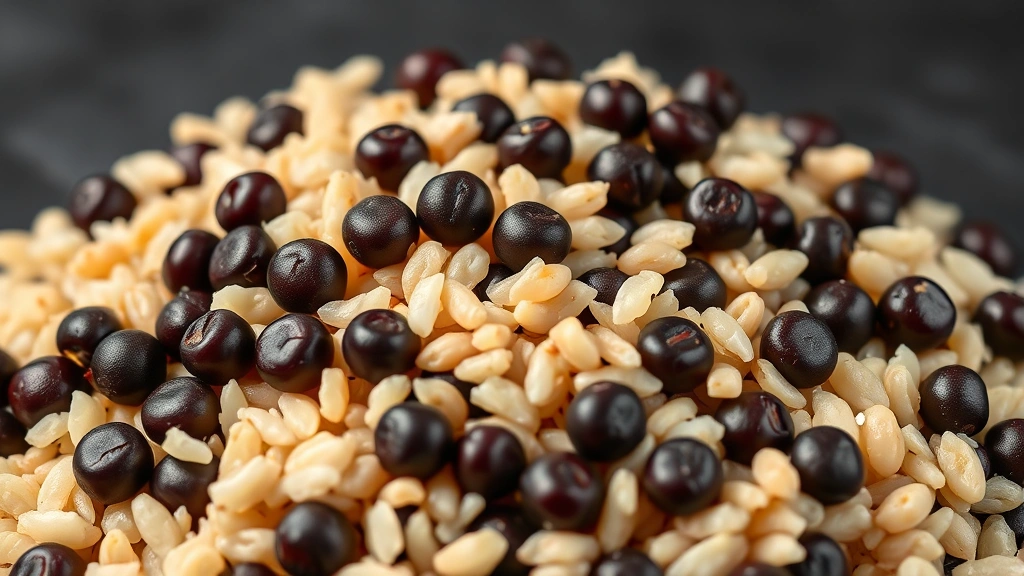
Hoppin john recipe leftovers are a blessing. Store in an airtight container in the refrigerator for up to 5 days. The flavors actually improve as they sit, making day-two servings taste even better. Reheat gently on the stovetop with a splash of broth to restore moisture—microwaving works but can dry it out.
You can also freeze hoppin john for up to 3 months. Freeze in individual portions for easy grab-and-go meals. Thaw overnight in the refrigerator and reheat slowly. Some people even use leftover hoppin john as a stuffing for arroz con pollo recipes or similar rice-based dishes for creative second-meal magic.
If your leftover hoppin john is a bit thick, you can thin it with broth and serve it soup-style. Add some sautéed greens on top and you’ve got a completely different meal from the same base.
Frequently Asked Questions
Can I make hoppin john in a Dutch oven?
Absolutely. A Dutch oven is perfect for hoppin john recipes. The heavy bottom distributes heat evenly, and the lid traps steam perfectly for cooking rice. Dutch ovens are actually ideal for this one-pot meal. Just follow the same steps—render bacon, build your soffritto, add peas and broth, then rice.
What if I can’t find black-eyed peas?
Crowder peas or purple hulls are acceptable substitutes and carry similar luck symbolism in Southern tradition. Pintos work in a pinch but change the flavor profile slightly. Black-eyed peas are worth seeking out though—check the dried bean section of your grocery store, specialty markets, or order online.
Is hoppin john supposed to be lucky only on New Year’s Day?
Tradition says New Year’s Day is most potent, but honestly, good food brings good vibes any day of the year. Eat it whenever you want. The luck is a nice story, but the real magic is in how it brings people together and fills bellies with comfort.
Can I make this vegetarian?
You can skip the pork, but you’ll lose significant depth. Instead, use a vegetable broth with extra garlic and a splash of liquid smoke. Sauté mushrooms with the onions and celery for umami depth. It won’t be traditional, but it’ll still be delicious.
How do I know when the peas are done?
Taste them. A properly cooked black-eyed pea should be tender enough to break easily between your fingers but still hold its shape. It shouldn’t be hard or crunchy, but it shouldn’t be mushy either. That sweet spot takes practice to recognize.
Can I use canned peas from the start?
You can, but dried peas develop better flavor during the long simmer. If using canned, drain and rinse them, then add them with the rice so they don’t overcook and fall apart. The texture and taste won’t be quite as authentic, but convenience sometimes wins.
Final Thoughts on Hoppin John Recipe Success
Making an authentic hoppin john recipe is straightforward once you understand the fundamentals: quality ingredients, proper technique, and patience. This isn’t complicated cooking—it’s honest, soulful food that rewards you for showing up and doing it right. Whether you’re chasing New Year’s luck or just craving Southern comfort, this dish delivers every single time. Start with dried black-eyed peas, build your flavor base properly, and let time do the work. Your kitchen will smell incredible, your guests will ask for seconds, and you’ll have tapped into generations of tradition with a single pot and a little bit of care.


