
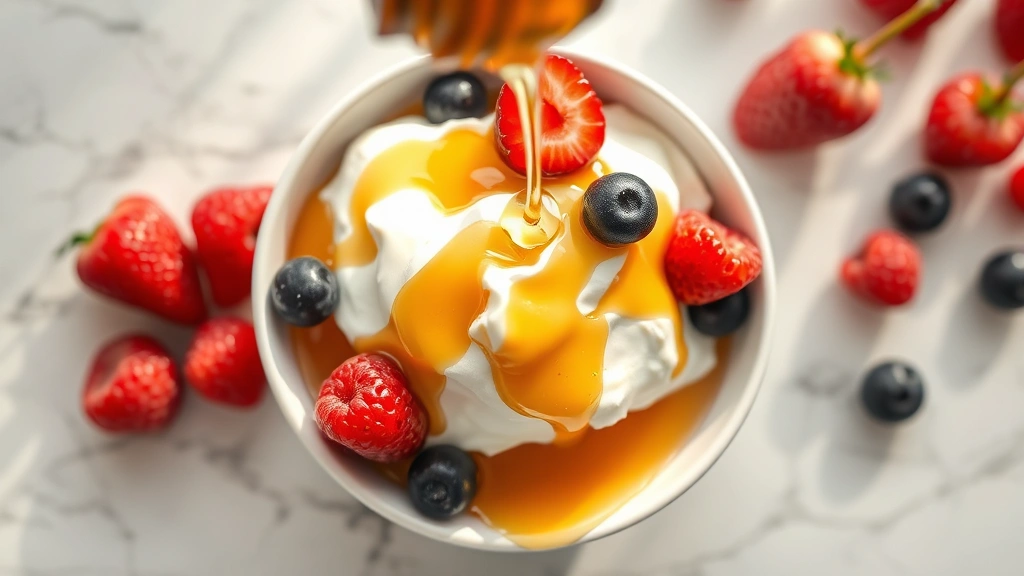
Honey recipes are the secret weapon every home cook needs in their arsenal. Whether you’re drizzling it over breakfast, glazing proteins, or mixing it into dressings, honey transforms ordinary dishes into something special. The beauty of working with honey is that it’s incredibly versatile—it works in sweet applications, savory dishes, and everything in between. Let me walk you through ten of my favorite ways to use this liquid gold in your kitchen.
Table of Contents
Breakfast Starters Worth Waking For
Start your day right with honey-based breakfast recipes that’ll have your family asking for seconds. I’m talking about yogurt parfaits where you layer creamy yogurt with granola and a generous drizzle of honey. The honey seeps down and sweetens everything while keeping that granola crunch intact. You can also whisk honey into your pancake batter for fluffy, naturally sweetened pancakes that don’t need syrup. Just warm your honey slightly so it mixes evenly—cold honey can create lumps.
For something more substantial, try honey-glazed oatmeal. Cook your oats normally, then stir in a tablespoon of honey, cinnamon, and chopped nuts. The heat activates the honey’s flavor, creating this warm, comforting bowl that sticks with you all morning. Toast some almonds or walnuts separately for texture. If you’re into smoothies, honey’s your friend—it dissolves easily and adds natural sweetness without the texture of granulated sugar.
Glazes and Marinades That Shine
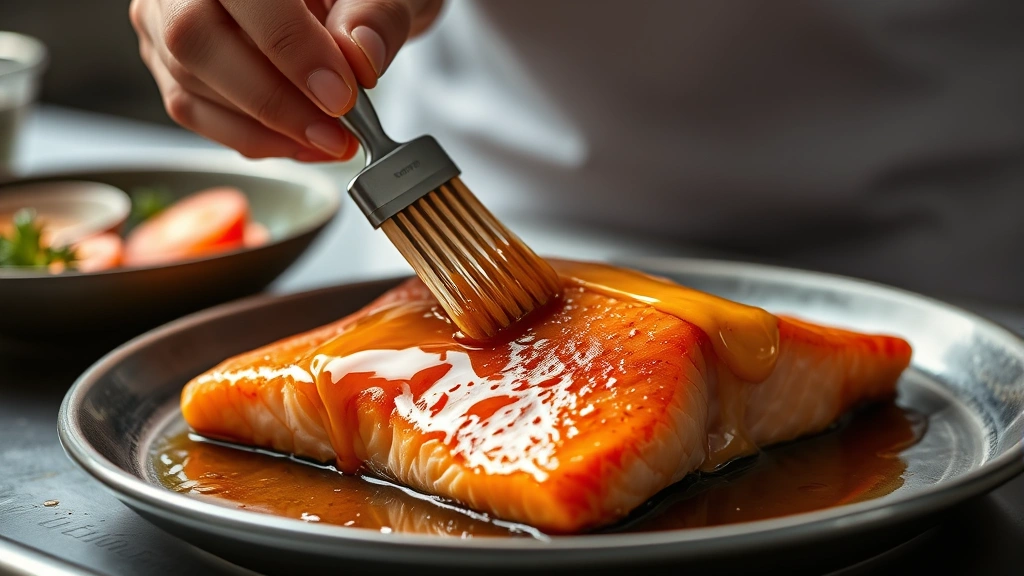
This is where honey recipes really earn their keep. A basic honey glaze for ham or salmon takes just three ingredients: honey, mustard, and a splash of vinegar. Brush it on during the last 15 minutes of cooking, and you’ll get this gorgeous caramelized coating that tastes incredible. The honey caramelizes under heat, creating depth and complexity that plain sugar just can’t match.
For marinades, combine honey with soy sauce, ginger, and garlic for an Asian-inspired marinade that works on chicken, pork, or even tofu. The honey tenderizes the meat while adding subtle sweetness that balances the salty soy. I like to marinate for at least two hours—overnight is even better. You can also make a honey-balsamic glaze for roasted vegetables. Toss your veggies with olive oil, balsamic vinegar, honey, and fresh thyme, then roast until caramelized. The honey helps everything brown beautifully.
Dressings and Drizzles
Honey dressings are game-changers for salads and grain bowls. Make a simple vinaigrette by whisking together honey, Dijon mustard, apple cider vinegar, and olive oil. The honey emulsifies slightly, creating a smoother dressing than you’d get with just vinegar and oil. This works beautifully on bitter greens like arugula or kale. For a creamier option, blend honey with Greek yogurt, lemon juice, and fresh herbs for a tangy dressing that clings to every leaf.
Don’t forget about finishing drizzles. A light honey drizzle over roasted carrots, a spoonful over creamy goat cheese with crackers, or a thin stream over fresh berries elevates simple ingredients into something restaurant-worthy. Keep a squeeze bottle of honey in your kitchen—it makes drizzling controlled and easy. The warmth from freshly roasted vegetables actually helps honey flow better, creating those beautiful golden streaks.
Baked Goods and Sweet Treats
Honey recipes shine in the baking department. Unlike granulated sugar, honey adds moisture and creates a tender crumb. Try our Almond Flour Banana Bread Recipe which uses honey as a natural sweetener for a moist, delicious loaf. When substituting honey for sugar in baking, use about 3/4 cup honey for every cup of sugar, and reduce your liquid slightly since honey contains water.
Honey cookies stay softer longer than sugar cookies—they don’t dry out as quickly. Make a batch of honey-oatmeal cookies with rolled oats, honey, butter, and walnuts. They’re chewy, naturally sweet, and perfect with coffee. For something fancier, try honey-glazed donuts. Make your basic donut dough, fry them, then dip in a glaze made from honey, powdered sugar, and a splash of milk. The honey glaze sets up beautifully and has a slight chew to it.
Beverage Sips and Warm Drinks
Honey dissolves beautifully in warm beverages, making it perfect for tea and coffee drinks. A spoonful of honey in herbal tea adds sweetness without overpowering delicate flavors. For something more elaborate, make a honey-lemon tea by combining hot water, fresh lemon juice, honey, and a pinch of ginger. It’s soothing when you’re under the weather and refreshing any other time.
Cold beverages benefit from honey too. Stir honey into iced tea while it’s still warm, then chill—it dissolves much better than cold. Make honey-sweetened lemonade by combining fresh lemon juice, water, and honey. For coffee lovers, create a honey-cinnamon latte by stirring honey and cinnamon into your espresso and steamed milk. The honey adds smoothness and a subtle floral note that complements coffee beautifully.
Savory Sides With Sweet Notes
Honey isn’t just for sweet dishes. Roasted root vegetables get a sophisticated upgrade when you toss them with honey before roasting. Carrots, parsnips, and sweet potatoes caramelize beautifully with a honey glaze. Roast them cut-side down on a sheet pan with olive oil, honey, salt, and pepper at 425°F for about 25 minutes until golden.
Try making honey-glazed Brussels sprouts by halving them, tossing with honey and olive oil, then roasting until crispy. The honey caramelizes on the cut sides, creating these delicious sweet-savory nuggets. You can also incorporate honey into your Best Dutch Oven Recipes for braised meats and vegetables. A touch of honey in a braise adds complexity without making the dish noticeably sweet. Try a honey-mustard glazed ham or a honey-soy braised chicken.
Storage and Selection Tips
Raw honey, pasteurized honey, and flavored varieties all have their place in your kitchen. Raw honey has more enzymes and nutrients, but pasteurized honey lasts longer and is more shelf-stable. Flavored honeys—like wildflower, clover, or acacia—each bring different flavor profiles to your recipes. Darker honeys tend to have stronger, more robust flavors, while lighter honeys are more delicate.
Store honey in a cool, dry place away from direct sunlight. It naturally resists spoilage due to its low moisture content, so it lasts practically forever. If your honey crystallizes (which is totally normal), just place the jar in warm water for a few minutes and it’ll return to liquid form. Never boil honey directly—the high heat destroys beneficial compounds. Instead, warm it gently or let it come to room temperature.
Flavor Pairings That Work
Understanding which flavors complement honey helps you create better honey recipes. Honey pairs beautifully with warm spices like cinnamon, nutmeg, and ginger. It loves citrus—lemon and orange brighten honey’s sweetness. Fresh herbs like thyme and rosemary add sophistication. Vinegars—especially balsamic and apple cider—balance honey’s sweetness with acidity.
For savory applications, pair honey with mustard, soy sauce, and garlic. These combinations create depth and complexity. In sweet applications, combine honey with vanilla, almond extract, or lavender for floral notes. Check out our Harvest Bowl Recipe for inspiration on creating balanced flavor combinations with honey. The key is using honey to enhance other flavors, not overpower them.
Frequently Asked Questions
Can I substitute honey for sugar in all recipes?
Not exactly. Honey works great in most recipes, but you need to adjust quantities and liquid ratios. Use about 3/4 cup honey for every cup of sugar, and reduce other liquids by 1/4 cup. Honey also browns faster, so lower your oven temperature by 25°F. It works best in cakes, cookies, and quick breads but can make yeast breads too dense.
What’s the difference between raw and pasteurized honey?
Raw honey hasn’t been heated or filtered, so it retains enzymes, pollen, and nutrients. Pasteurized honey has been heat-treated to prevent crystallization and kill any potential bacteria. Both are safe and delicious—raw honey has a more complex flavor profile, while pasteurized honey lasts longer and stays liquid. Choose based on your preferences and intended use.
How do I prevent honey from crystallizing?
Store honey in a cool, dry place away from direct sunlight. Keep the lid tightly sealed. If crystallization happens, it’s completely harmless—just warm the jar in hot water until it liquefies again. Some people prefer crystallized honey for spreading on toast, so it’s really a matter of preference.
Which honey works best for cooking?
Lighter, milder honeys like clover or acacia work well for delicate dishes where you don’t want a strong honey flavor. Darker honeys like buckwheat have more robust flavors that stand up to bold ingredients. For most cooking, a good quality wildflower or clover honey is your safest bet. Experiment to find what you prefer.
Can I use honey in savory dishes?
Absolutely. Honey adds depth and balance to savory dishes, especially glazes, marinades, and dressings. It caramelizes beautifully under heat, creating complex flavors. The key is using it sparingly so the dish doesn’t become sweet. A tablespoon or two in a glaze for four servings is usually perfect.
Wrap It Up
Honey recipes are easier to master than you might think. Start with simple applications—a drizzle over yogurt, a spoonful in your tea, a glaze on roasted vegetables. Once you get comfortable with how honey behaves in your kitchen, you’ll start seeing opportunities everywhere. Keep quality honey on hand, experiment with different varieties, and don’t be afraid to swap it into recipes where you’d normally use sugar. Your taste buds will thank you, and your kitchen will smell absolutely amazing in the process. Check out our Bearnaise Sauce Recipe and Blueberry Jelly Recipe for more inspiration on incorporating honey into your cooking repertoire.


