

Hominy recipes are the backbone of comfort cooking across the American South, Southwest, and Latin America. Whether you’re working with canned hominy or dried kernels, this humble ingredient transforms into everything from creamy soups to crispy side dishes. I’ve spent years experimenting in the kitchen, and I’m here to share the techniques that actually work.
Table of Contents
What Is Hominy?
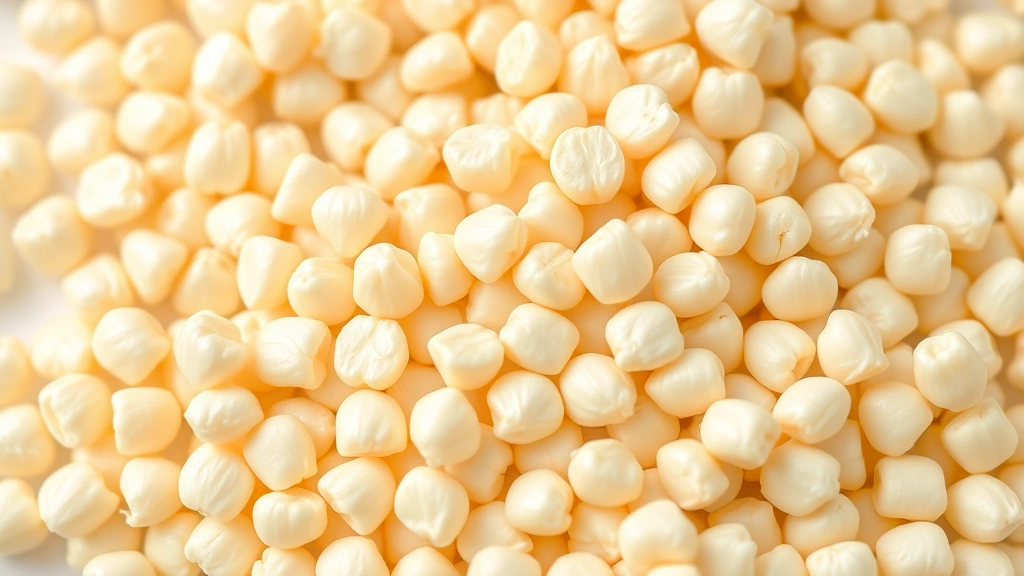
Hominy starts as dried corn kernels treated with an alkali—traditionally lime or lye—in a process called nixtamalization. This ancient technique, perfected by indigenous peoples centuries ago, transforms the corn’s nutritional profile and flavor. The result is larger, softer kernels with a distinctive creamy texture and subtle flavor that works in sweet and savory applications alike.
You’ll find hominy in two main forms: canned (ready to use) and dried (requiring overnight soaking). The canned version saves time for weeknight cooking, while dried hominy offers superior texture and deeper flavor for weekend projects. Most hominy recipes rely on the canned variety for convenience, but understanding both gives you flexibility in the kitchen.
Creamy Hominy Soup
This is where I start when teaching hominy recipes to beginners. Creamy hominy soup delivers comfort in a bowl with minimal fuss. Start by sautéing diced onions and celery in butter until softened, roughly five minutes. Add two cans of drained hominy, four cups of chicken or vegetable broth, and a bay leaf. Simmer for 15 minutes to let flavors marry.
The magic happens when you add cream. Pour in one cup of heavy cream and season generously with salt, white pepper, and a pinch of nutmeg. Some cooks add crispy bacon bits or fresh thyme at this stage. The soup should taste rich but not heavy—if it’s too thick, thin with more broth. This recipe serves four to six people and reheats beautifully.
Fried Hominy Cakes
Fried hominy cakes are crispy on the outside, creamy within—the textural contrast that makes cooking worthwhile. Drain two cans of hominy and mash roughly with a potato masher; you want some chunks remaining. Mix in one egg, half a cup of flour, a quarter teaspoon of cayenne, salt, and pepper. The mixture should hold together when formed into patties.
Heat oil to 350°F in a cast-iron skillet. Working in batches, carefully place hominy cakes into the hot oil and fry three minutes per side until golden brown. Transfer to paper towels to drain excess oil. Serve immediately with sour cream, hot sauce, or alongside breakfast eggs. These freeze well for up to three months—reheat in a 375°F oven for five minutes.
Posole Basics
Posole represents the crown jewel of hominy recipes, particularly in Mexican and Southwestern cuisine. This festive stew combines hominy with pork or chicken, dried chiles, and aromatics for a deeply satisfying meal. Traditional posole uses dried hominy, but canned versions work perfectly for faster preparation.
Start by browning two pounds of pork shoulder chunks in a large pot. Remove the meat and sauté onions and garlic in the same pot. Add your chile paste (made from soaked dried chiles like guajillo or ancho), then return the meat. Pour in six cups of broth and simmer two hours until pork is tender. Add four cans of drained hominy in the final 30 minutes. Finish with lime juice, fresh cilantro, and Creole seasoning for depth. Serve with shredded cabbage, radishes, and tostadas on the side.
Hominy Grits
Hominy grits are ground hominy cooked into a porridge—think of them as polenta’s Southern cousin. The process is straightforward: bring four cups of broth to a boil, whisk in one cup of hominy grits slowly to avoid lumps, then reduce heat to low. Stir frequently for 20-30 minutes until the mixture thickens and the grits are tender.

The real skill lies in finishing. Whisk in butter, sharp cheddar cheese, and a splash of heavy cream for creamy grits that taste restaurant-quality. Season with white pepper and a pinch of cayenne. Some cooks add crispy bacon, sautéed mushrooms, or roasted garlic. Grits should flow slightly on the plate—if they’re stiff, you’ve overcooked them. Serve immediately as a side dish or breakfast base.
Succotash Variation
Succotash traditionally combines corn and lima beans, but hominy creates a more interesting texture. In a large skillet, melt butter and sauté diced bell peppers and onions until softened. Add two cans of drained hominy, one cup of fresh or frozen corn kernels, and one can of lima beans (drained). Stir in a cup of chicken broth and simmer 10 minutes.
Season with smoked paprika, thyme, salt, and black pepper. Finish with a tablespoon of apple cider vinegar and fresh scallions. This side dish pairs beautifully with grilled chicken or fish. The cooking technique for proteins benefits from having a vegetable-forward side like this one that doesn’t compete for attention.
Slow Cooker Method
Slow cooker hominy recipes are lifesavers for busy weeks. The low, moist heat brings out subtle flavors while requiring minimal active cooking. Combine two cans of drained hominy, one pound of diced chicken or pork, two cups of salsa (red or green), one can of black beans, one diced bell pepper, and one diced onion in your slow cooker.
Cook on low for six hours or high for three hours. The meat will shred easily with a fork when ready. Add fresh lime juice, cilantro, and cumin in the final 15 minutes. Serve in bowls topped with avocado, sour cream, and crispy tortilla strips. This recipe feeds six comfortably and freezes beautifully for up to three months.
Seasoning Techniques
Hominy’s mild flavor means it’s a canvas for bold seasonings. Cumin, smoked paprika, and cayenne are my go-to spices for Southwestern preparations. For comfort food applications, nutmeg, thyme, and white pepper work beautifully. Don’t shy away from acid—lime juice, apple cider vinegar, and lemon brighten hominy dishes significantly.
Fresh herbs make a dramatic difference. Cilantro works in Mexican-inspired recipes, while parsley suits creamy preparations. Garlic and onions form the aromatic foundation for nearly every hominy recipe. Some cooks swear by fish sauce or soy sauce for umami depth—start with a teaspoon and adjust to taste. Season in layers rather than all at once, tasting frequently as you build flavor.
Dried Hominy Preparation
Dried hominy requires more planning but delivers superior texture and flavor. Rinse dried hominy under cold water, then soak overnight in plenty of cold water—the kernels will expand significantly. The next day, drain and rinse again. Place in a large pot with fresh water (three parts water to one part hominy) and bring to a boil.
Reduce heat and simmer for two to three hours, stirring occasionally, until kernels are tender but not mushy. You may need to add water if it evaporates too quickly. Once cooked, drain and use immediately or freeze in portions for later. Dried hominy works beautifully in posole, soups, and any recipe where you want maximum control over texture.
Storage Tips
Canned hominy keeps in the pantry for up to two years—check the expiration date before using. Once opened, transfer unused hominy to an airtight container and refrigerate for up to five days. Cooked hominy dishes freeze well for three months in freezer-safe containers. Label with the date and contents for easy identification.
Dried hominy stays fresh in a cool, dry pantry for up to a year. Store in airtight containers away from moisture and pests. Cooked dried hominy freezes beautifully in portions, making it convenient for quick meal assembly. For preservation techniques similar to canning, you can pressure-can cooked hominy at home following USDA guidelines, though this requires proper equipment and knowledge.
Frequently Asked Questions
Can I use hominy in baking?
Absolutely. Hominy flour (masa harina) is a staple in Latin American baking, used for tortillas, tamales, and cornbread variations. Whole cooked hominy can be ground into flour at home using a food processor, though store-bought masa harina offers more consistent results. For sweet applications, hominy’s subtle flavor works in custards and puddings.
What’s the difference between hominy and corn?
The nixtamalization process fundamentally changes corn. Hominy has larger kernels, creamier texture, and different nutritional properties—the alkali treatment makes niacin bioavailable and increases calcium content. The flavor is subtly different too—hominy tastes earthier and less sweet than regular corn.
How do I know when hominy is fully cooked?
Cooked hominy should be tender enough to break easily between your teeth but still hold its shape. It shouldn’t be mushy or falling apart. If you’re cooking dried hominy, start testing at the two-hour mark. Canned hominy just needs heating through, roughly five minutes in simmering liquid.
Can hominy recipes work for vegetarian diets?
Completely. Vegetable broth replaces meat broth, and beans provide protein alongside hominy. Creamy hominy soup, succotash, and grits all work beautifully as vegetarian mains when paired with complementary sides. Many traditional posole recipes use vegetable broth and beans instead of meat.
What’s the best way to reheat leftover hominy dishes?
Stovetop reheating works best—place the dish in a pot over medium heat, stirring occasionally and adding broth or water if it seems dry. Microwave reheating works for individual portions but can create hot spots. Avoid high heat, which can cause curdling in creamy preparations. Most hominy dishes reheat beautifully for up to four days in the refrigerator.
Final Thoughts
Hominy recipes deserve a permanent spot in your cooking rotation. Whether you’re making quick weeknight soups or weekend posole projects, this ingredient delivers comfort and satisfaction consistently. Start with canned hominy to build confidence, then experiment with dried kernels when you’re ready for deeper flavor. The techniques here work across countless variations—once you understand the fundamentals, you’ll develop your own signature preparations. Keep hominy stocked in your pantry, and you’ll always have the foundation for a satisfying meal.


