

Making a homemade laundry detergent recipe is one of those DIY projects that actually delivers real results without requiring a chemistry degree or specialty equipment. I’ve been mixing my own detergent for years, and honestly, it outperforms most store-bought stuff while costing a fraction of the price. In this guide, I’ll walk you through exactly how to make laundry detergent that cleans tough stains, smells great, and keeps your wallet happy.
Table of Contents
Why Make Your Own Detergent
Before I dive into the recipe, let me be straight with you—making your own detergent isn’t just about saving money, though that’s a nice bonus. Most commercial laundry detergents contain fillers, dyes, and perfumes that can irritate sensitive skin. When you control the ingredients, you know exactly what’s touching your clothes and your skin.
I started making my own detergent after my daughter developed a rash from store-bought brands. Now I’ve got a solution that works for our whole family, costs about $0.10 per load instead of $0.50, and actually cleans better. The homemade version is also gentler on your washing machine and septic system.
Ingredients You Need
Here’s what you’ll gather for a basic homemade laundry detergent recipe that makes roughly 5 gallons:
- 1 bar of soap (Fels-Naptha, Zote, or plain castile soap work best)
- ½ cup washing soda (also called sodium carbonate—not baking soda)
- ½ cup borax (a natural mineral that boosts cleaning power)
- 5 gallons of water
- Essential oils (optional, for scent)
Finding these ingredients is easier than you’d think. Your local grocery store usually carries washing soda and borax in the laundry aisle. Fels-Naptha soap is typically near the other bar soaps. If you can’t find them locally, a quick online search will get them to your door in a few days.
Step One: Prep Your Soap
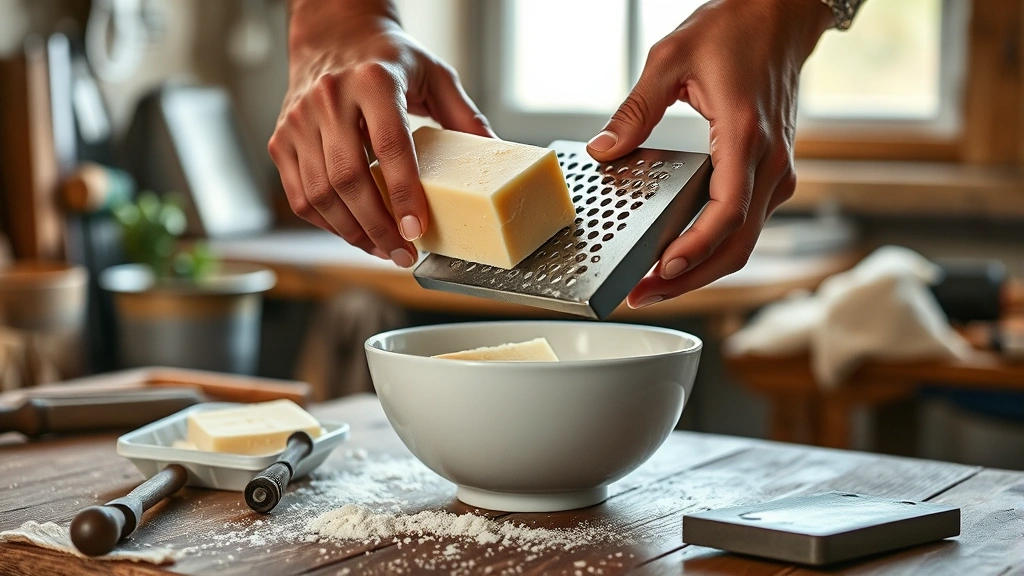
Take your bar of soap and grate it using a box grater. Yes, this takes about five minutes of elbow grease, but it’s the most important step because smaller soap pieces dissolve much faster and more completely. I use the fine side of the grater to get consistent, thin shavings.
Once you’ve got your soap shredded, fill a large pot with about 2 quarts of water and bring it to a gentle boil. Add your grated soap and stir constantly until it completely dissolves. This usually takes 5-10 minutes. You’re looking for a smooth, soapy liquid with no visible soap pieces floating around. If it seems too thick, add a bit more water.
Pro tip: Do this over medium heat, not a raging boil. High heat can make the mixture splatter, and you don’t want soap suds all over your stovetop.
Step Two: Mix Everything Together
Pour your dissolved soap solution into a large bucket or container—a 5-gallon food-grade bucket works perfectly. Add the ½ cup of washing soda and ½ cup of borax directly to the hot soap mixture. Stir thoroughly until both powders are completely dissolved. This should take a couple of minutes of stirring.
Now fill your bucket the rest of the way with water until you reach about 5 gallons total. Stir everything together one more time to ensure even distribution. The mixture will look a bit milky and opaque—that’s exactly what you want.
If you’re using essential oils for scent (I like 15-20 drops of lavender or lemon), add them now and stir well. Let the whole mixture cool for at least an hour before using or storing.
Step Three: Store and Use
Once your detergent has cooled completely, you can transfer it to smaller containers for easy access. I use old milk jugs and clearly label them so nobody mistakes them for something drinkable. Store in a cool, dry place away from direct sunlight.
Here’s the thing—your homemade detergent might separate or thicken over time. That’s completely normal and doesn’t mean anything went wrong. Just give it a good shake before each use. Some batches turn into a gel, others stay liquid. Both work equally well.
For dosing, use about ½ cup per regular load and ¾ cup for heavily soiled loads. For high-efficiency (HE) machines, use ¼ cup. The detergent is concentrated enough that you don’t need much.
Powder vs Liquid Versions
The recipe I’ve given you makes a liquid detergent, which is what most people prefer. But if you want a powder version instead, it’s almost as simple. Skip the water and boiling step entirely. Just mix your grated soap (dried completely first), washing soda, and borax in a large bowl. Stir thoroughly and store in an airtight container.
Powder detergent works especially well in cold water and is more compact for storage. The trade-off is that you need to dissolve it in hot water first if you’re using cold water for your wash, or it might not distribute evenly. I prefer the liquid version for convenience, but plenty of people swear by the powder.
Troubleshooting Common Issues
Detergent too thick: Add more water, a bit at a time, and stir. You’re aiming for the consistency of thin syrup.
Clothes feel soapy after washing: You’re probably using too much detergent. Cut the amount in half and try again. This homemade version is more concentrated than commercial brands.
Not cleaning well enough: Make sure your washing soda and borax are fully dissolved in the soap solution. If they’re settling at the bottom of your bucket, that’s the problem. Stir more vigorously.
Residue buildup on clothes over time: This usually means soap buildup from using too much detergent. Switch to ¼ cup per load for a month and see if it clears up. You might also run a hot water wash with just white vinegar to strip the buildup.
Cost Breakdown and Savings
Let’s talk numbers because this is where homemade detergent really shines. A bar of Fels-Naptha soap costs about $1. Washing soda runs roughly $3-4 per box (which lasts forever). Borax is similar—about $4-5 per box. Your first batch costs maybe $8-10 total and makes 5 gallons.
That’s roughly 50-60 loads of laundry for under $10, or about $0.16-0.20 per load. Compare that to commercial detergents at $0.50-0.75 per load, and you’re looking at serious savings. Even better, those boxes of washing soda and borax will make you 10+ more batches, so your cost per load drops to pennies after the first batch.
Over a year, the average family doing 5-6 loads per week saves $100-150 by switching to homemade.
Adding Scent Without Chemicals
Commercial detergents rely on synthetic fragrances that can trigger headaches and allergies. With your homemade version, you control the scent completely. Essential oils are your best bet—they’re natural, concentrated, and a little goes a long way.
My favorite combinations are:
- Lavender + lemon: Fresh and clean, works for everything
- Peppermint + eucalyptus: Energizing and natural
- Lavender + chamomile: Calming, perfect for bedding
Add essential oils after the mixture cools slightly but before it sets completely. Use 15-20 drops per 5-gallon batch. More than that can leave oily residue on clothes.
If you prefer unscented, just skip the oils entirely. Your detergent will have a mild, clean soap smell that fades once clothes dry.
Frequently Asked Questions
Can I use regular bar soap instead of Fels-Naptha?
You can, but it won’t work as well. Regular bar soaps contain moisturizers and additives that can leave residue on clothes. Fels-Naptha and Zote are specifically formulated for laundry. If you want to experiment, use a plain castile soap like Dr. Bronner’s, but expect slightly different results.
Is borax safe for my family?
Borax is a naturally occurring mineral that’s been used safely in laundry for decades. When used as directed in detergent, it’s safe for clothes, skin, and septic systems. That said, it should never be ingested, so keep it away from small children and pets who might mistake it for something edible.
Will this work in my HE washing machine?
Absolutely. Use ¼ cup per load instead of ½ cup. The key is that this detergent is low-sudsing, which is exactly what HE machines need. It actually works better than many commercial HE detergents.
How long does homemade detergent last?
A 5-gallon batch lasts most families 2-3 months with regular use. Store it in a cool place and it’ll keep for at least a year without any problems. The ingredients don’t spoil.
Can I use this on delicate fabrics?
Yes, but use less—about ¼ cup per load. For really delicate items, hand wash with the same detergent diluted in water. The formula is gentle enough for anything you’d wash at home.
What if my detergent gets moldy?
This is rare but can happen if stored in a very humid environment. Store in airtight containers in a cool, dry place. If you see mold, discard and start fresh. Adding a few drops of tea tree oil can help prevent this.
Does it work on stains?
For set-in stains, treat them before washing just like you would with commercial detergent. Make a paste with your powdered washing soda and water, rub it on the stain, let it sit for 15 minutes, then wash normally. For fresh stains, the detergent handles them during the regular wash cycle.
Final Thoughts
Making your own homemade laundry detergent recipe is genuinely one of the easiest DIY projects you can tackle. It takes maybe 20 minutes of actual work, costs pennies per batch, and actually works better than most store-bought alternatives. Once you’ve made your first batch, you’ll wonder why you ever paid premium prices for commercial detergent.
Start with this basic recipe, adjust the scent or ingredients to your preference, and you’ll have a custom detergent that’s perfect for your family’s needs. Your clothes will be cleaner, your skin will be happier, and your bank account will thank you.
If you’re interested in other DIY household products, check out our guides on making other common items from scratch. The same DIY spirit that works for laundry detergent applies to everything from cleaning solutions to personal care products. Once you start making things yourself, it’s hard to stop.


