
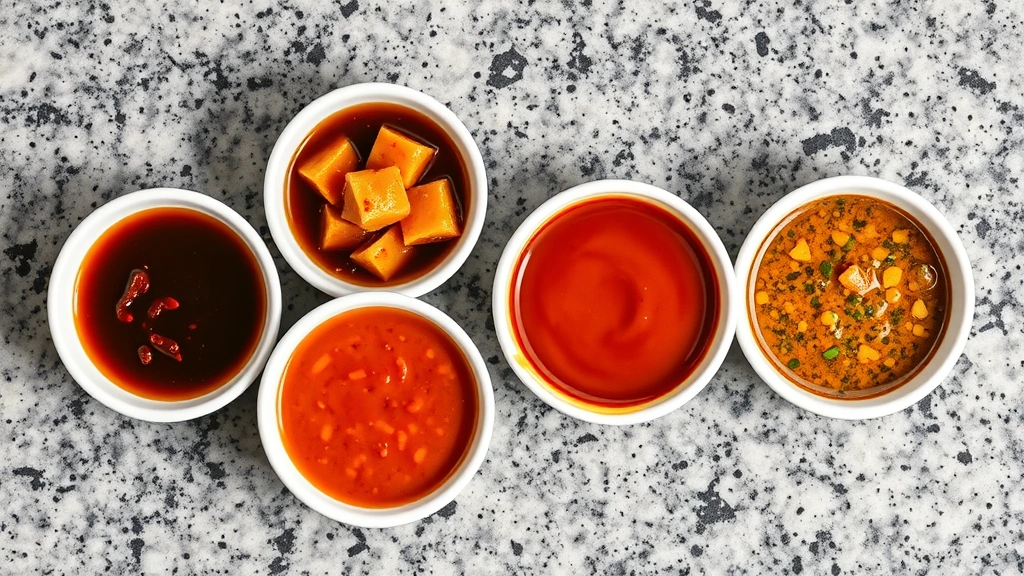
A hibachi sauce recipe is your secret weapon for recreating that restaurant magic at home. Whether you’re firing up a griddle or just want authentic Japanese flavors on your plate, mastering these sauces transforms ordinary meals into something memorable. I’ve spent years tinkering with ratios and techniques, and I’m going to walk you through exactly what works.
Table of Contents
Classic Yum Yum Sauce
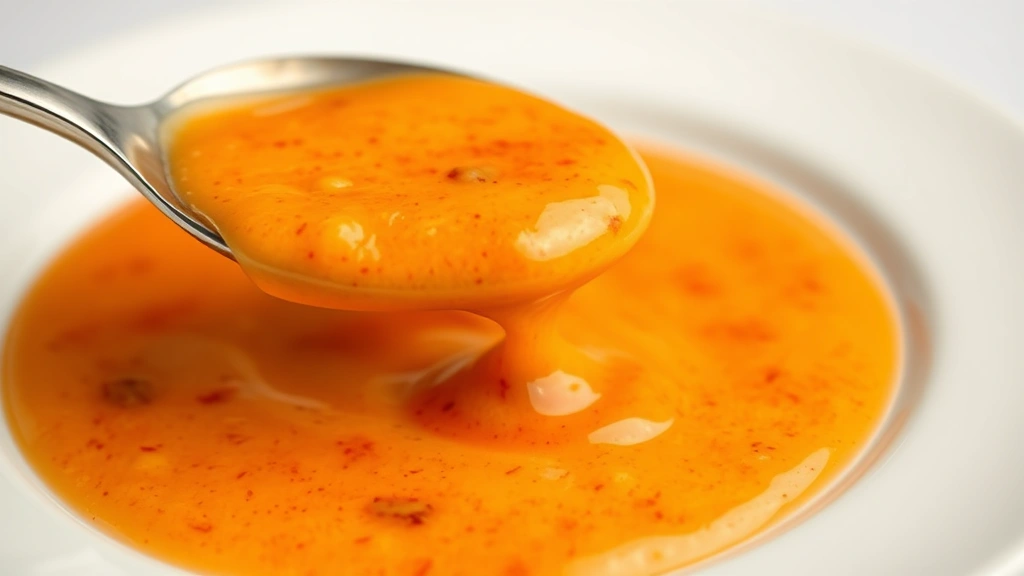
This is the workhorse of hibachi cooking. The creamy, slightly tangy yum yum sauce (also called white sauce) shows up on nearly every hibachi grill station. Here’s what you actually need:
Ingredients:
- 1 cup mayonnaise (use quality mayo—it matters)
- 3 tablespoons ketchup
- 2 tablespoons rice vinegar
- 1 tablespoon paprika
- 1 teaspoon garlic powder
- 1 teaspoon onion powder
- ½ teaspoon cayenne pepper (adjust to taste)
- Salt and white pepper to taste
- 2-3 tablespoons water (for consistency)
Method: Combine mayo and ketchup in a bowl, whisking until smooth. Add rice vinegar slowly—this prevents the mayo from breaking. Fold in your spices one at a time, tasting as you go. The water adjusts thickness; you want it pourable but not runny. This sauce keeps for two weeks refrigerated, making it perfect for meal prep.
Garlic Butter Masterpiece
When you’re cooking protein on a hibachi griddle, this sauce is liquid gold. The butter carries flavors better than anything else, and fresh garlic gives you that restaurant-quality sear.
Ingredients:
- ½ pound unsalted butter (room temperature)
- 8-10 garlic cloves (minced fine)
- 2 tablespoons soy sauce
- 1 tablespoon mirin (sweet rice wine)
- 1 teaspoon sesame oil
- ½ teaspoon white pepper
- 1 tablespoon fresh parsley (chopped)
Method: Melt butter over medium heat, then add minced garlic. Let it infuse for 2-3 minutes without browning—burnt garlic ruins everything. Add soy sauce and mirin, stirring constantly. Remove from heat and stir in sesame oil. The sesame oil goes in last because heat destroys its delicate flavor. Let it cool slightly before using. This compound butter freezes beautifully in ice cube trays for portioning.
Spicy Sriracha Version
For folks who want heat with their hibachi sauce recipe, this sriracha-based version delivers without overwhelming your taste buds. It’s got depth beyond just spice.
Ingredients:
- ¾ cup mayonnaise
- 3 tablespoons sriracha
- 1 tablespoon honey
- 1 tablespoon lime juice
- 2 teaspoons garlic minced
- 1 teaspoon ginger (minced)
- ½ teaspoon sesame oil
- Salt to taste
Method: Whisk mayo and sriracha together first. The honey balances the heat and adds body. Lime juice brightens everything up. Fold in your garlic and ginger gently—you want them distributed but not broken down. Finish with sesame oil. This sauce pairs exceptionally well with Blackstone fried rice, creating a complete meal experience.
Ginger Ponzu Blend
Ponzu is a traditional Japanese citrus-based sauce that works beautifully on griddled vegetables and seafood. Making it at home costs pennies compared to bottled versions.
Ingredients:
- ¼ cup soy sauce
- ¼ cup mirin
- 3 tablespoons rice vinegar
- 2 tablespoons fresh lemon juice
- 1 tablespoon fresh lime juice
- 1 tablespoon fresh ginger (grated)
- 2 garlic cloves (minced)
- 1 teaspoon dashi powder (optional but recommended)
- 1 green onion (thinly sliced for garnish)
Method: Combine soy sauce, mirin, and rice vinegar in a small saucepan. Heat gently without boiling. Add citrus juices and ginger, then remove from heat. Stir in dashi powder if using. Let it cool completely before adding garlic (raw garlic has better bite). This sauce is lighter than cream-based versions, perfect for those watching calories. It keeps for three weeks and actually improves as flavors meld.
Ingredient Sourcing Guide
The quality of your hibachi sauce depends entirely on ingredient quality. Don’t cheap out here.
Mirin: You need true mirin (hon-mirin), not aji-mirin or mirin-style corn syrup. Check Asian markets or order online. Real mirin has complexity that substitutes can’t match.
Soy Sauce: Use tamari or shoyu, not the thin stuff sitting in every pantry. Tamari is gluten-free and richer. Shoyu is traditional and balanced. Both beat standard soy sauce.
Rice Vinegar: Don’t confuse this with rice wine vinegar. Rice vinegar is milder and cleaner. Your local Asian market has it cheap.
Sesame Oil: Buy small bottles of toasted sesame oil. It’s potent—a little goes far. Rancid sesame oil ruins sauces, so store it in a cool dark place or refrigerate after opening.
Fresh Ginger and Garlic: No substitutes work here. Fresh is non-negotiable. Powders are emergency backups only.
Storage & Shelf Life
Proper storage keeps your sauces fresh and ready when you need them.
Cream-Based Sauces (Yum Yum, Spicy Sriracha): These last 10-14 days in an airtight container. The mayo base is stable but eventually breaks down. Don’t leave them at room temperature longer than two hours.
Butter-Based Sauces: Compound butters freeze for three months in ice cube trays. Pop out a cube whenever you’re griddling. Thaw at room temperature or melt directly on hot food.
Ponzu and Vinegar-Based Sauces: These are the champions. They keep for three weeks refrigerated and actually improve as flavors develop. The acid preserves everything naturally.
Freezing Tips: Cream-based sauces don’t freeze well—separation happens. Vinegar and butter sauces freeze perfectly. Label everything with dates. Use within the timeframes listed.
Pairing with Proteins
Different proteins shine with different sauce combinations. Understanding these pairings elevates your griddle game.
Chicken: Goes with everything, but yum yum sauce and garlic butter are classics. Chicken’s mild flavor needs bold sauce partners.
Beef: Garlic butter and ponzu are your best friends. The richness of beef stands up to robust flavors. Sriracha version works if you want kick.
Shrimp: Ponzu blend is perfection. The citrus cuts through shrimp’s sweetness. Garlic butter is the backup choice.
Scallops: Keep it simple with ponzu or light garlic butter. Scallops are delicate—heavy sauces mask their flavor.
Vegetables: Try ponzu on griddled mushrooms and zucchini. Garlic butter works on everything. Yum yum sauce is great for dipping griddled broccoli.
Griddle Cooking Tips
Your hibachi sauce recipe only works if you’re using proper griddle technique. These tips make the difference.
Temperature Control: Keep your griddle between 350-400°F for most cooking. Too hot and you burn sauce; too cool and it doesn’t caramelize properly.
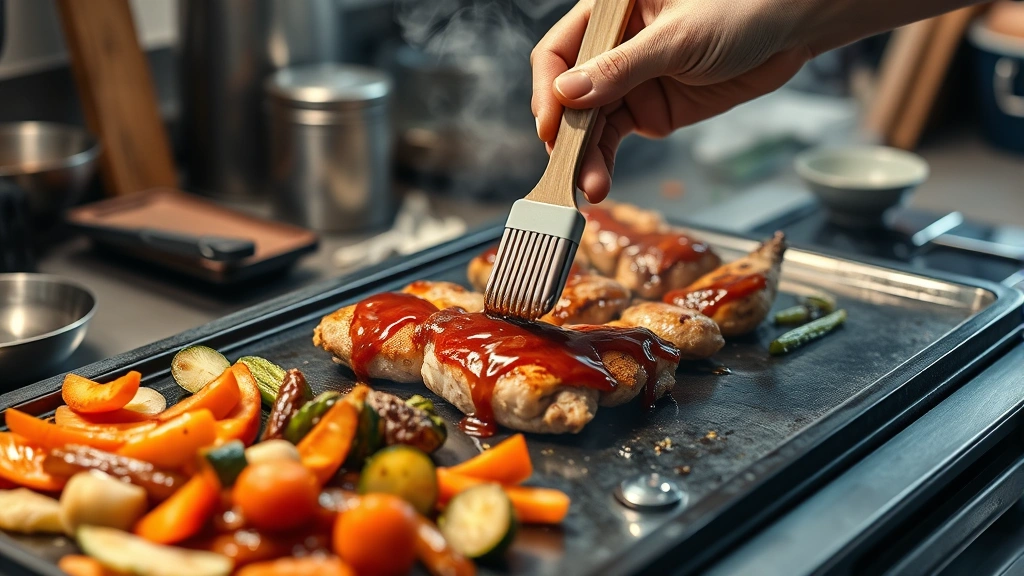
Sauce Application: Add sauce in the last 2-3 minutes of cooking. This prevents burning while allowing flavors to set. Brush or drizzle, don’t dump.
Butter Sauces on Heat: These work best applied directly to the hot griddle surface, then tossing your protein through it. The griddle’s heat distributes flavors evenly.
Cream Sauces: Best used as finishing touches or dipping sauces. They can separate if heated too long on the griddle.
Layering Flavors: Start with garlic butter base, cook your protein, then finish with ponzu or yum yum sauce for complexity. Layers create depth.
Check out our Carolina BBQ sauce recipe for another sauce approach, or explore Buffalo sauce recipe for completely different flavor profiles. If you’re doing full griddle meals, air fryer vegetable recipes complement griddle cooking nicely for variety.
Frequently Asked Questions
Can I make hibachi sauce without mayo?
Absolutely. Skip the yum yum sauce entirely and rely on garlic butter or ponzu blends. Both are mayo-free and equally authentic. For a creamy alternative, try mixing Greek yogurt with the same spice ratios, though texture differs slightly.
What’s the difference between hibachi and teppanyaki sauce?
Hibachi uses charcoal grills and tends toward simpler, butter-forward sauces. Teppanyaki uses flat-top griddles and often includes more complex, layered sauces. The sauces I’ve shared work for both, honestly. Don’t get caught up in terminology—focus on flavor.
Is mirin essential for authentic hibachi sauce?
Yes, if you want authentic flavor. Honey is a distant second choice. Sugar is a last resort. Mirin brings sweetness plus depth that other sweeteners can’t match. It’s worth finding.
How do I fix a sauce that’s too thick?
Add liquid slowly. Water works for most sauces. For ponzu, use more citrus juice. For butter-based sauces, thin with a touch of soy sauce or mirin. Add a tablespoon at a time and taste.
Can I batch-make hibachi sauce for the week?
Cream-based sauces last about 10 days. Ponzu lasts three weeks. Butter sauces freeze perfectly. Make ponzu in bulk—it’s your most shelf-stable option. Freeze butter in cubes. Make yum yum in smaller batches more frequently.
What if I don’t have sesame oil?
Skip it rather than substitute. Sesame oil’s flavor is unique. Olive oil or vegetable oil doesn’t replicate it. If you’re making ponzu without sesame oil, you’re just making a different sauce—still good, just not quite the same.
Final Thoughts
Mastering a hibachi sauce recipe opens up home cooking possibilities that restaurant visits can’t match. You control ingredients, adjust heat levels, and customize to your exact preferences. Start with the classic yum yum sauce to build confidence, then branch into garlic butter and ponzu as you get comfortable.
The real secret isn’t complicated technique—it’s using quality ingredients and respecting simple ratios. Mayo, butter, soy sauce, and citrus are your foundation. Everything else builds from there. Make these sauces once and you’ll understand why restaurants guard their recipes. They’re not complicated; they’re just good combinations executed consistently.
Keep your favorite sauce in the fridge, batch-freeze butter cubes, and you’re ready to griddle whenever inspiration strikes. Your family dinners are about to get significantly more interesting.


