
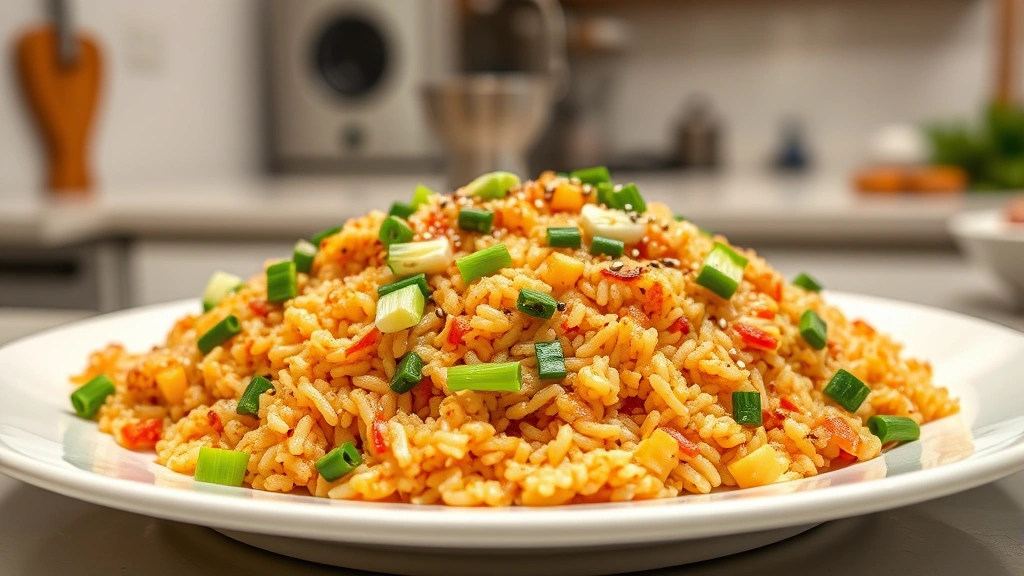
Making a hibachi fried rice recipe at home is easier than you’d think, and honestly, it’ll blow away anything you’ve ordered from a teppanyaki restaurant. The secret isn’t some mysterious technique—it’s understanding a few core principles and having the right ingredients prepped before you hit the heat. I’m going to walk you through exactly how to nail that smoky, perfectly-textured fried rice that keeps people coming back for more.
Table of Contents
Start With Day-Old Rice
This is non-negotiable. Fresh rice is your enemy when making hibachi fried rice. Day-old rice that’s been refrigerated has lost moisture, so each grain stays separate instead of clumping together into a mushy mess. Cook your rice the day before, spread it on a sheet pan to cool, then refrigerate it overnight. When you pull it out, break up any clumps with your fingers before cooking. The texture difference is night and day—trust me on this one.
If you’re in a pinch and only have fresh rice, spread it on a pan and let it cool completely, then refrigerate for at least 2-3 hours. It won’t be perfect, but it’ll work better than using warm rice straight from the cooker.
Prep Your Ingredients First
Japanese chefs call this mise en place, and it’s the difference between smooth cooking and chaos. Dice your vegetables into roughly quarter-inch pieces—onions, carrots, peas, corn, whatever you’re using. Mince your garlic. Beat your eggs in a bowl with a pinch of salt. Have your protein cut into bite-sized pieces. Measure out your sauces. Get everything within arm’s reach before you start cooking.
When you’re working with high heat on a flat-top griddle or large skillet, you don’t have time to chop vegetables mid-recipe. Everything happens fast, and you need to be ready. This prep step takes 10 minutes but saves you from burning things or having unevenly cooked ingredients.
High Heat is Your Friend
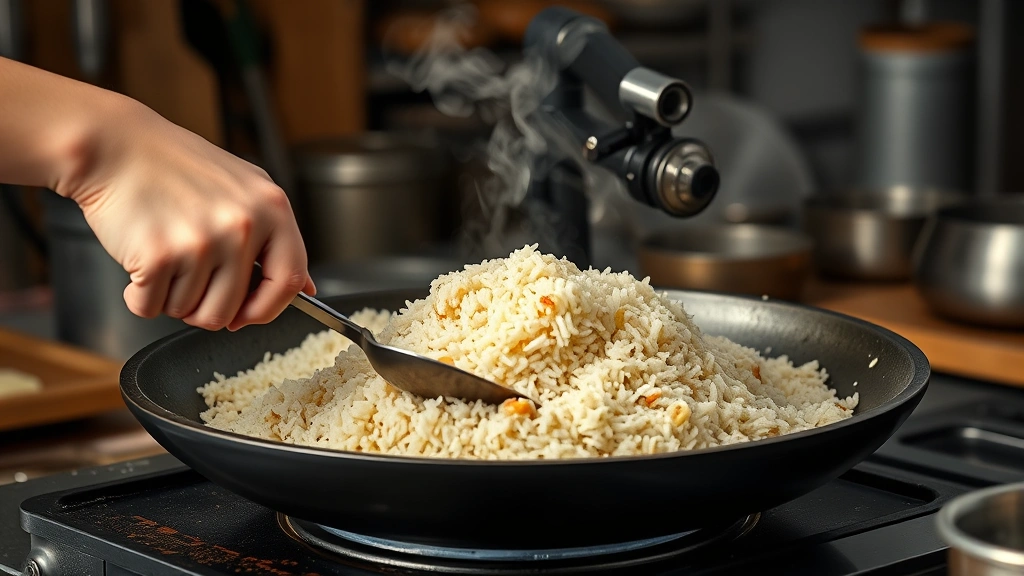
Set your griddle or large skillet to high heat and let it get seriously hot—you want it almost smoking. This is what creates that restaurant-quality char and those little crispy bits that make hibachi fried rice special. If your heat is too low, the rice steams instead of fries, and you lose that texture.
Start by adding a tablespoon of oil (vegetable or sesame blend works great) and letting it shimmer. Add your aromatics—garlic and onions—and let them hit the hot surface. You’ll hear them sizzle immediately. This is exactly what you want. The Maillard reaction is happening, creating flavor compounds that make this dish sing.
When you’re ready to cook your protein, whether it’s chicken, shrimp, or beef, sear it hard on one side before breaking it up. Don’t crowd the griddle—let everything have contact with the hot surface. If you’re following guides like how long to bake chicken legs at 400, you’ll understand that proper heat application creates better results across all cooking methods.
Sauce Balance Matters
The magic of hibachi fried rice comes down to sauce balance. Most people either drown their rice or under-season it. You want enough sauce to coat everything without making it wet. Start with about 3 tablespoons of a mixture: soy sauce, mirin (or a touch of sugar), a splash of sesame oil, and a pinch of white pepper.
Add the sauce gradually, tossing constantly. You can always add more, but you can’t take it out. The rice should look glossy and smell incredible, not soggy. If you’re looking for a flavor kick beyond traditional soy, boom boom sauce recipe variations can add a creamy, spicy element that works beautifully with fried rice.
Let the rice sit on the hot griddle for 30 seconds after adding sauce—don’t stir constantly. This gives you those little caramelized bits that make the texture interesting. Then toss and break up any clumps.
Protein Variations
The classic hibachi setup uses chicken, shrimp, or a combination. Cook your protein separately or push it to the side of the griddle while you work on the rice, then combine at the end. If you’re using chicken, thin-sliced breast or diced thighs work best. For a detailed guide on preparing chicken, check out butterfly chicken breast how to—understanding proper cutting techniques makes cooking faster.
Shrimp cooks incredibly fast—literally 1-2 minutes per side. Beef should be sliced thin and cooked hot and fast. Eggs are another classic addition; scramble them separately, then fold them in at the end. The key is having your protein cooked through but still tender, not overdone and rubbery.
Vegetable Selection Tips
Traditional hibachi fried rice uses peas, carrots, corn, and onions. But you can adapt based on what you have. The rule is: use vegetables that cook quickly and won’t release too much water. Avoid mushrooms unless you cook them separately first—they’ll release moisture and make your rice soggy.
Broccoli, bell peppers, zucchini, and snap peas all work great. Cut everything into small, uniform pieces so they cook evenly. Add harder vegetables (carrots, broccoli) first, then softer ones (peas, corn) toward the end. This way everything finishes cooking at the same time.
Plating Like a Pro
The presentation is half the fun of hibachi fried rice. Mound it on a plate, create a little well in the center, and drizzle with extra sesame oil or a touch of sriracha. Sprinkle with sliced green onions and sesame seeds. A squeeze of lime juice right before eating adds brightness.
If you’re serving this alongside other dishes, consider pairing it with complementary recipes. arroz con gandules recipe offers another rice-based option if you’re planning a varied meal, or you could serve sides like authentic Mexican refried beans recipe for a fusion-style dinner.
Common Mistakes Fixed
Rice is mushy: You’re using fresh rice or cooking at too low a temperature. Go back to day-old rice and crank up the heat.
Rice is dry and clumpy: Add sauce gradually and keep tossing. If it’s already clumpy, add a tablespoon of water and toss quickly to redistribute moisture.
Vegetables are undercooked: Prep smaller pieces and add them earlier in the cooking process. Don’t add everything at once.
Bland flavor: You’re probably not using enough seasoning or high enough heat. Increase both. The sauce should smell amazing when it hits the hot griddle.
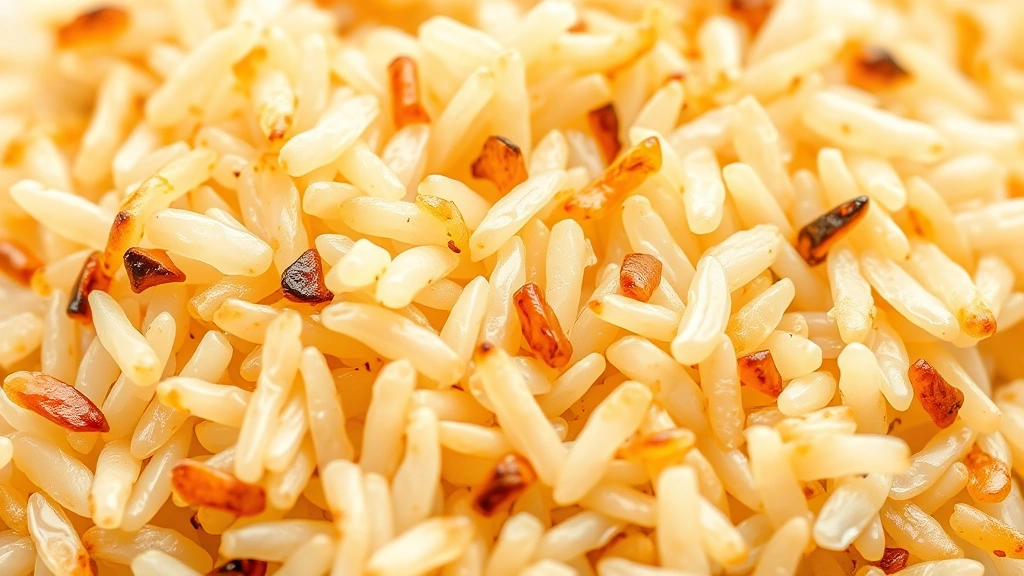
Burnt spots: Your heat is too high or you’re not tossing frequently enough. Lower heat slightly and keep things moving.
Frequently Asked Questions
Can I make hibachi fried rice in a regular pan instead of a griddle?
Absolutely. A large skillet or wok works fine. You won’t get quite the same char as a flat-top, but the technique is identical. Just make sure your pan is large enough that you’re not overcrowding the rice—it needs space to spread out and make contact with the hot surface.
How far ahead can I prep the ingredients?
You can prep everything up to 4 hours ahead. Keep vegetables in separate containers so they don’t start releasing water. Keep the beaten eggs covered. The rice should stay in the fridge until you’re ready to cook. Any longer than 4 hours and quality starts dropping.
What type of oil should I use?
Vegetable oil or a blend of vegetable and sesame oil works best. Avoid olive oil—it has a lower smoke point and will burn at the high heat required. Peanut oil is excellent if you have it. The sesame oil adds flavor but burns easily, so use it as a finishing touch rather than for the initial cooking.
Is day-old rice really necessary?
Yes. Fresh rice has too much moisture and will steam rather than fry. If you absolutely must use fresh rice, spread it out and let it cool completely, then refrigerate for several hours minimum. But honestly, planning ahead and cooking rice the day before makes a massive difference in results.
Can I freeze leftover hibachi fried rice?
Yes, it freezes well for up to 3 months. Let it cool completely, portion it into containers, and freeze. Reheat in a skillet over medium-high heat with a splash of water, stirring frequently. It won’t be quite as good as fresh, but it’s a solid backup option.
What’s the best way to store leftovers?
Keep it in an airtight container in the refrigerator for up to 4 days. Reheat in a skillet or microwave. If microwaving, add a tablespoon of water and stir halfway through to prevent drying out.
Final Thoughts
Mastering a hibachi fried rice recipe is about respecting the fundamentals: day-old rice, high heat, proper prep, and sauce balance. Once you nail these basics, you can experiment with different proteins, vegetables, and flavor profiles. The beauty of this dish is its flexibility—it works with whatever protein and vegetables you have on hand.
The first time you make this at home and it comes out with that perfect texture and color, you’ll understand why people pay restaurant prices for it. The good news? You’re about to save a fortune making it yourself. Get your ingredients prepped, crank up that heat, and let’s make some serious fried rice.


