
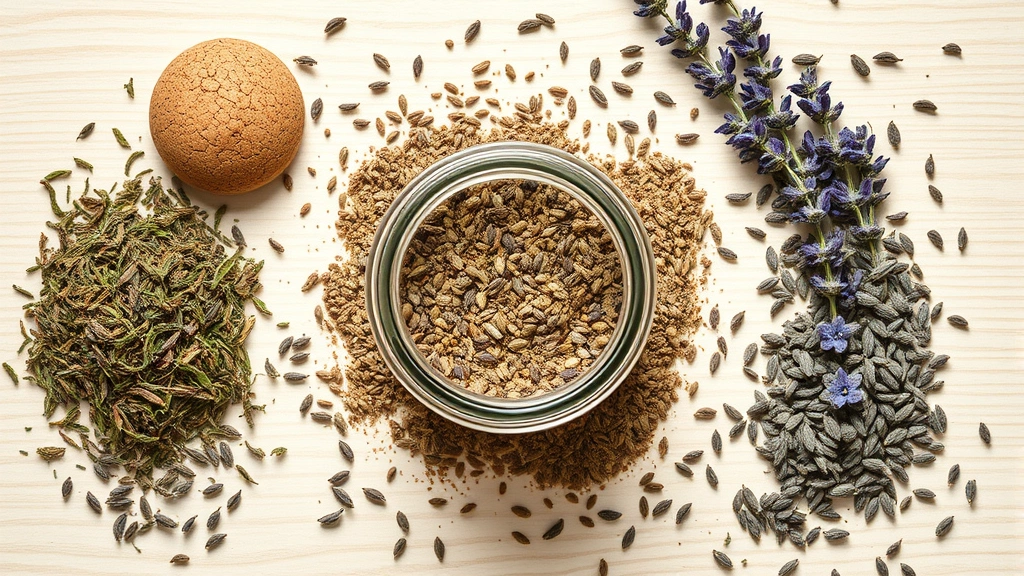
Making your own herbs de provence recipe at home is one of those simple kitchen projects that pays dividends every single time you cook. This classic French herb blend transforms everyday dishes into something restaurant-quality, and honestly, once you’ve mixed your first batch, you’ll wonder why you ever bought the pre-made stuff. The beauty of doing this yourself is control—you pick the herbs, decide how coarse or fine you want it, and skip the filler that commercial blends sometimes sneak in.
Table of Contents
What Is Herbs de Provence?
Herbs de Provence is a dried herb blend that hails from the Provence region of southeastern France. It’s the workhorse of Mediterranean cooking—earthy, aromatic, and versatile enough to punch up proteins, vegetables, soups, and stews. The blend typically features fennel, marjoram, thyme, savory, and lavender, though regional variations exist. What makes it special isn’t any single herb; it’s the way these flavors work together to create something bigger than the sum of their parts. Think of it as your kitchen’s secret weapon for adding depth without extra effort.
Essential Ingredients You Need
Here’s what goes into a traditional herbs de provence recipe. You’ll want dried herbs for this—they’re more concentrated and stable than fresh. The core lineup includes:
- Thyme (2 tablespoons)—the backbone, warm and slightly minty
- Marjoram (2 tablespoons)—sweeter than oregano, more delicate
- Savory (1 tablespoon)—peppery and sharp, adds bite
- Fennel seeds (1 teaspoon)—licorice notes, use sparingly
- Lavender buds (½ teaspoon)—floral, optional but traditional
- Oregano (1 tablespoon)—earthy backup to thyme
- Rosemary (½ teaspoon)—optional, piney intensity
Some recipes swap out ingredients based on what’s available or personal preference. The ratio matters more than hitting exact botanicals—you’re building a balanced flavor profile, not following a pharmaceutical formula.
Sourcing Fresh or Dried Herbs
Your biggest decision: fresh or dried? Dried herbs are the traditional choice and what you’ll want for long-term storage. You can find quality dried herbs at any decent grocery store, specialty spice shops, or online retailers. Look for vibrant color and strong aroma—if the herbs smell like dust, they’re too old. Fresh herbs work if you’re planning to use your blend immediately, but they’ll lose potency fast and take up fridge space.
If you grow your own herbs (a rewarding project in itself), late spring through early summer is harvest time. Dry them in bundles hung upside-down in a warm, dark place for 2-3 weeks, then strip the leaves from stems. The flavor concentration is incredible when you’ve grown and dried them yourself. For sourcing, check specialty herb suppliers if your local options are limited.
Basic Recipe & Measurements
Here’s the foundational blend that works every time:
- 2 tablespoons dried thyme
- 2 tablespoons dried marjoram
- 1 tablespoon dried oregano
- 1 tablespoon dried savory (winter or summer)
- 1 teaspoon fennel seeds
- ½ teaspoon dried lavender buds (optional)
- ½ teaspoon dried rosemary (optional)
This yields roughly ½ cup of finished blend. You can double or triple it depending on how often you cook. The recipe is forgiving—if you don’t have savory, bump up the thyme. No lavender? Skip it. The blend adapts to what’s in your cabinet, which is part of its charm.
Mixing Method Step-by-Step
The actual mixing takes five minutes, but doing it right makes a difference:
Step 1: Gather Your Herbs Measure out each ingredient separately. Keep them in small piles on your work surface so you can see what you’re working with. This prevents accidental double-dosing of any single herb.
Step 2: Break Down Larger Pieces If your thyme or rosemary has woody stems still attached, pinch off the leaves and discard the stems. Fennel seeds might need a light crush with a mortar and pestle to release their oils, but don’t pulverize them. You want texture, not powder.
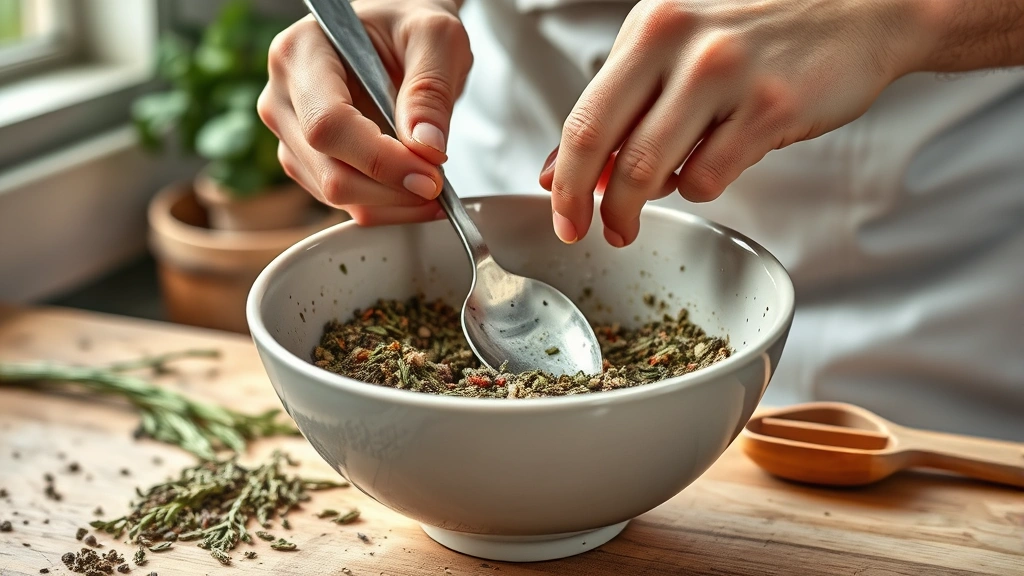
Step 3: Combine in a Bowl Use a mixing bowl large enough to let you work without spillage. Add all herbs together and stir with a fork or small whisk for about 30 seconds. The goal is even distribution, not breaking down the herbs further.
Step 4: Taste and Adjust Pinch a tiny amount and taste it (yes, really). Does the fennel dominate? Add more thyme. Too mild? Increase the savory. This is your blend—make it match your palate.
Step 5: Transfer to Storage Once satisfied, move your blend to an airtight container. Glass jars with tight-fitting lids work best. Avoid plastic, which can absorb flavors and odors.
Storage & Shelf Life
Proper storage keeps your blend potent for up to 18 months. Store in a cool, dark place—not above the stove where heat and humidity break down the herbs. A cabinet away from direct light is ideal. Keep the container sealed between uses. If you notice the aroma fading or color dulling, it’s time to make a fresh batch.
You can also freeze portions in ice cube trays with a bit of olive oil if you want to preserve them even longer. Pop out a cube whenever you need it for cooking. This method works especially well if you’ve made a large batch and want to spread it across several months of use.
Using Your Blend in Cooking
Now for the fun part—actually cooking with it. This blend works on roasted vegetables, grilled chicken, fish, lamb, and beef. Sprinkle it on cornbread dough before baking for a savory twist. Stir a teaspoon into soups, stews, and tomato-based sauces. Mix it into olive oil with garlic for a quick bread dip. Use it to season roasted potatoes, squash, or green beans.
For most dishes, start with ½ teaspoon per serving and adjust upward. The blend is potent, and you can always add more but can’t remove it. In slow-cooker recipes, add it during the last 30 minutes of cooking to preserve the delicate flavors. For grilling, rub it directly onto meat or fish 15 minutes before cooking.
Custom Variations to Try
Once you’ve mastered the basic blend, experiment with variations. Add ½ teaspoon of dried basil for a more Italian direction. Include a pinch of dried chili flakes if you want heat. Substitute some thyme with oregano for a bolder profile. Include dried mint for brightness. Add a teaspoon of dried tarragon for complexity in fish dishes.
Some cooks add a small amount of dried garlic powder or onion powder, though purists argue this strays from tradition. The beauty of making your own is that you can evolve the recipe as your cooking style develops. Keep notes on what you change so you can replicate hits.
Common Mixing Mistakes
Most problems come from using old herbs or incorrect proportions. If your blend tastes flat, your herbs were likely stale—check the smell test next time. If it’s too intense, you may have used fresh herbs instead of dried, or added too much savory. Remember that dried herbs are roughly three times more concentrated than fresh, so conversions matter.
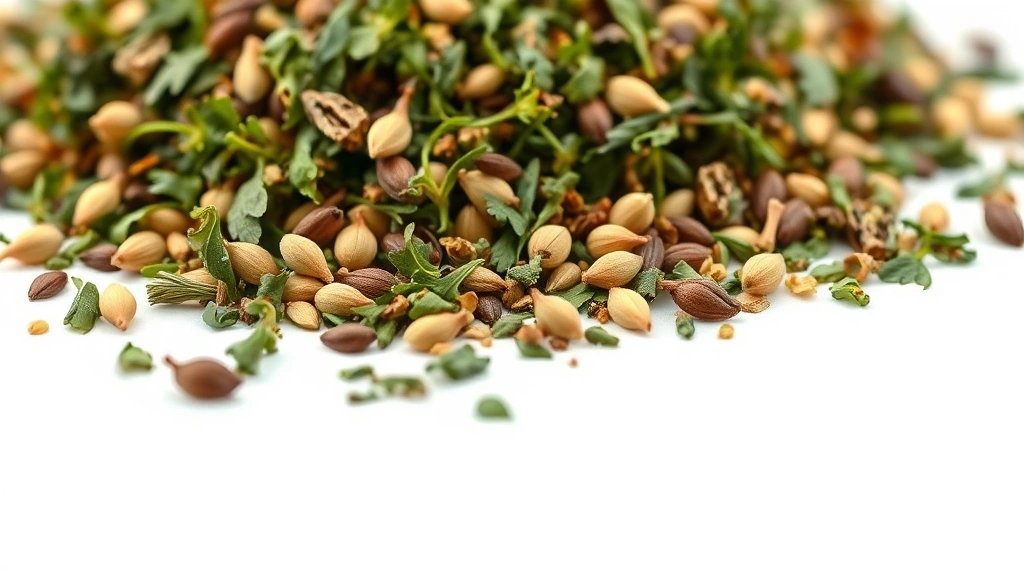
Another common issue: uneven distribution. If some spoonfuls taste mostly like lavender and others taste like thyme, you didn’t mix thoroughly enough. Take your time with the stirring step. If you’re making large batches, consider using a food processor on the lowest setting for 10 seconds to achieve uniform blending.
Don’t store your blend near heat sources or in direct sunlight. Many people keep spices above the stove for convenience, but this is the worst place for them. The heat accelerates flavor degradation. A cool cabinet away from appliances is your best bet for maintaining potency over months.
Frequently Asked Questions
Can I use fresh herbs instead of dried?
Technically yes, but use three times as much fresh herb as you would dried. Fresh herbs contain more water, so they’re less concentrated. You’ll need to use your blend quickly—fresh herbs lose potency within days. Most cooks prefer dried for this blend because it’s meant for storage and regular use.
What’s the difference between savory and oregano?
Savory is peppery and sharp with a slightly minty edge, while oregano is earthier and more robust. They’re not interchangeable in equal amounts. If you use oregano to replace savory, use less because oregano’s flavor is stronger. Savory brings a brightness that oregano alone can’t match.
Is lavender necessary?
No. Lavender is traditional in Provençal blends, but it’s polarizing. Some people love the floral note; others find it overwhelming. Start with ¼ teaspoon and adjust upward if you like it. You can skip it entirely and still have an excellent blend.
How long does homemade herbs de provence last?
In an airtight container stored in a cool, dark place, expect 12-18 months of good flavor. After that, it doesn’t spoil, but the aroma and potency fade noticeably. Make fresh batches annually for best results. If you notice the smell is weak or the color has faded significantly, it’s time to mix a new batch.
Can I make this with fresh herbs from my garden?
Absolutely. Harvest your herbs in late spring or early summer when they’re at peak flavor. Tie them in small bundles and hang them upside-down in a warm, dark, well-ventilated area for 2-3 weeks. Once completely dry, strip the leaves from stems and follow the mixing instructions. Homegrown blends often taste superior because you control the quality from seed to storage.
What dishes work best with this blend?
Mediterranean dishes are the obvious choice—anything with tomatoes, olive oil, and seafood. But it’s also fantastic on roasted vegetables, grilled meats, in soups, and even sprinkled on eggs. It works with chicken, fish, lamb, and beef. Avoid using it on delicate dishes where subtle flavors matter, like risotto or cream sauces, unless you use a very light hand.
Final Thoughts
Making your own herbs de provence recipe is one of those small kitchen wins that feels fancier than it actually is. You’re spending maybe five minutes and a few dollars to create something that elevates dozens of meals over the next year. The flavors are fresher, the blend is exactly what you want, and you’ve got the satisfaction of knowing exactly what’s in your food. Start with the basic recipe, taste as you go, and don’t be afraid to tweak it next time. Your kitchen, your rules. Once you’ve made it once, you’ll be making it regularly—it’s that useful and that good.


