
Looking for healthy vegetarian dinner recipes that don’t require a culinary degree or hours in the kitchen? You’re in the right place. Whether you’re a full-time vegetarian, flexitarian, or just trying to eat more plants, these ten recipes will become your go-to weeknight staples. They’re packed with protein, fiber, and flavor—no meat required.
Table of Contents
Why Go Vegetarian for Dinner
Healthy vegetarian dinner recipes aren’t just about removing meat—they’re about building better meals. You’ll discover that plant-based eating saves time, money, and leaves you feeling energized instead of sluggish. Studies show that people who eat more vegetables and whole grains have better digestion, clearer skin, and more stable energy throughout the day. The best part? Most of these recipes come together in 30 minutes or less.
Going vegetarian for dinner doesn’t mean sacrificing satisfaction. When you load your plate with legumes, whole grains, nuts, and seasonal vegetables, you’re creating meals that are naturally filling and nutrient-dense. Your body gets the fuel it needs without the heavy feeling that comes from heavy meat-based dinners.
Stock Your Pantry Smart
Before diving into recipes, let’s talk strategy. Your pantry is the foundation of quick, healthy vegetarian dinner recipes. Keep these staples on hand: dried lentils, chickpeas, black beans, quinoa, brown rice, pasta, canned tomatoes, coconut milk, vegetable broth, and a solid selection of spices (cumin, smoked paprika, garlic powder, Italian seasoning).
Fresh items that last longer than you’d think: potatoes, sweet potatoes, onions, garlic, carrots, and bell peppers. In the freezer, keep frozen broccoli, peas, spinach, and edamame. This approach means you’re never more than 20 minutes away from a delicious dinner, even if you haven’t hit the grocery store in a week.
Sheet Pan Veggie Winners
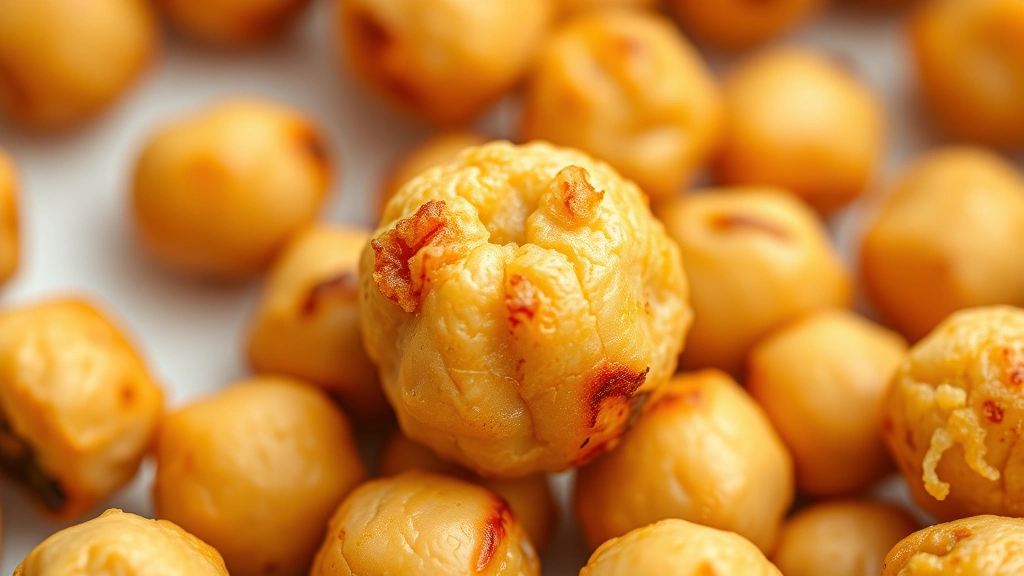
Sheet pan dinners are the ultimate weeknight hack. Toss chopped vegetables with olive oil, herbs, and your protein of choice, spread on a pan, and roast at 425°F for 20-25 minutes. Try this combination: chickpeas, Brussels sprouts, red onion, and cherry tomatoes with balsamic vinegar and Italian herbs. The chickpeas crisp up beautifully, and the vegetables caramelize into something magical.
Another winner: cubed sweet potato, black beans, bell peppers, and zucchini with lime juice, cumin, and chili powder. Serve over rice or with avocado and salsa. The beauty of sheet pan meals is that cleanup is minimal, and you’ve got a complete, balanced dinner with protein, carbs, and vegetables all in one go.
Build Better Grain Bowls
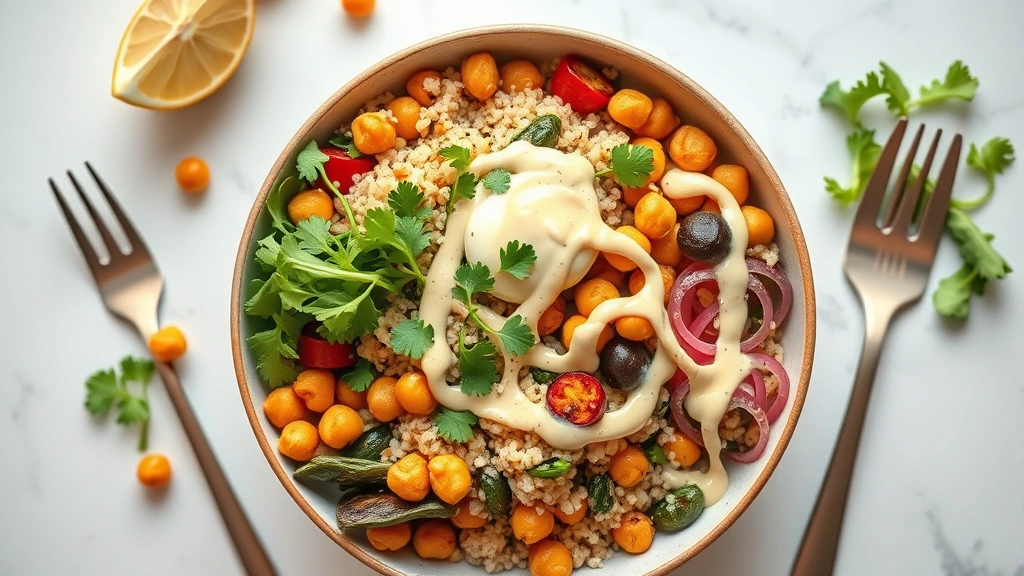
Grain bowls are your secret weapon for meal prep and quick dinners. Start with a base: quinoa, brown rice, farro, or millet. Add a protein layer: lentils, tofu, tempeh, or chickpeas. Then build with roasted or raw vegetables, fresh greens, and a killer sauce. The formula is simple, but the combinations are endless.
A Mediterranean-inspired bowl: quinoa base, roasted chickpeas, cucumber, cherry tomatoes, red onion, kalamata olives, crumbled feta, and tahini dressing. Or go Asian: brown rice, crispy tofu, shredded carrots, edamame, cabbage, green onions, and sesame-ginger dressing. These bowls are photogenic enough for Instagram and satisfying enough to keep you full until breakfast.
Pasta That Satisfies
Pasta doesn’t have to be heavy or unhealthy. Mix whole wheat or legume-based pasta (chickpea or lentil pasta packs serious protein) with vegetable-forward sauces. Try a simple marinara loaded with finely diced mushrooms, zucchini, and spinach—the veggies practically disappear into the sauce while boosting nutrition.
Or go creamy with a cashew alfredo: blend soaked cashews with garlic, lemon, and vegetable broth for a luxurious sauce that’s naturally dairy-free. Toss with whole grain pasta, roasted broccoli, and peas. The sauce coats everything beautifully, and you’ll feel satisfied without the dairy heaviness. Finish with fresh basil and red pepper flakes.
Stir-Fry in 20 Minutes
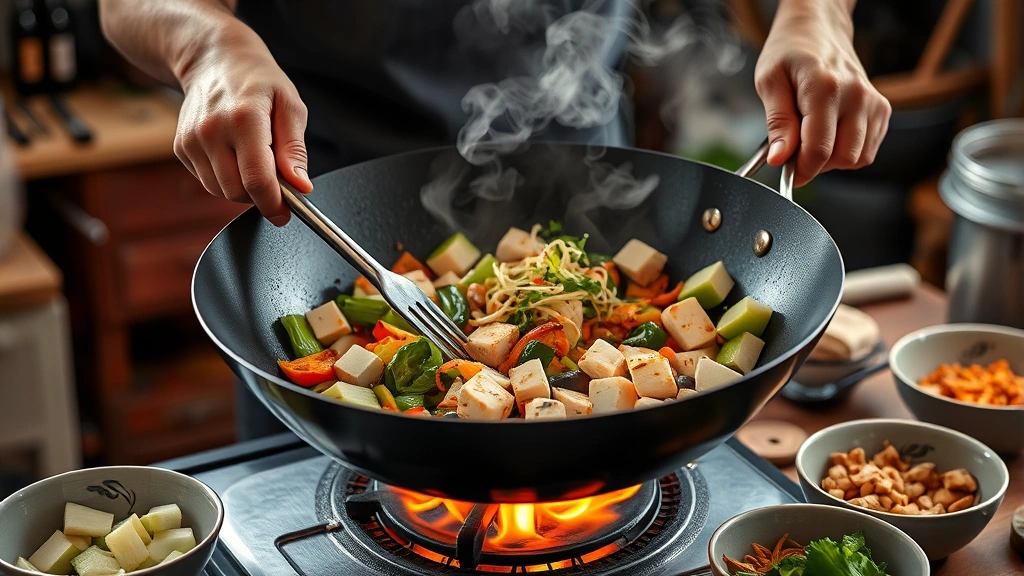
Stir-fries are the ultimate quick dinner when you’ve got your ingredients prepped. Heat oil in a large skillet or wok, add your protein first (marinated tofu, tempeh, or chickpeas), then add harder vegetables (broccoli, carrots, bell peppers), finishing with softer items (snap peas, mushrooms, green onions). Total cook time: 15 minutes.
The sauce is where the magic happens. Mix soy sauce, rice vinegar, ginger, garlic, and a touch of maple syrup or agave. Pour it in at the end, let everything coat beautifully, and serve over rice or noodles. Pro tip: prep your vegetables the night before, and you’ve got a dinner that comes together faster than takeout.
Soups and Comfort Food
Soup is underrated as a dinner option. A hearty lentil soup with vegetables, herbs, and a splash of coconut milk is pure comfort in a bowl. Sauté onions, garlic, and carrots, add red lentils, diced tomatoes, vegetable broth, and let it simmer for 20 minutes. The lentils break down slightly, creating a naturally creamy texture without cream.
Or try a Thai-inspired chickpea coconut soup: sauté garlic, ginger, and red curry paste, add chickpeas, sweet potato, spinach, and coconut milk. Finish with lime juice and fresh cilantro. These soups are meal-prep friendly—they actually taste better the next day—and they’re infinitely customizable based on what’s in your fridge.
Prep Once, Eat All Week
The secret to consistent healthy vegetarian dinner recipes is batch cooking. Spend 2-3 hours on Sunday cooking grains, roasting vegetables, and preparing proteins. Cook a big pot of quinoa, roast several sheet pans of vegetables, and prepare a couple of legume-based proteins. Store everything in glass containers, and you’ve got mix-and-match components for the entire week.
Monday might be a grain bowl, Tuesday a pasta dish, Wednesday a stir-fry. You’re not eating the same thing repeatedly—you’re using the same prepared components in different combinations. This approach eliminates decision fatigue and the temptation to order takeout when you’re tired.
Plant Protein Power Moves
Protein is the question everyone asks about vegetarian eating. The answer is simpler than you think. Legumes (beans, lentils, chickpeas) are protein powerhouses—a cup of cooked lentils has about 18 grams of protein. Add nuts, seeds, whole grains, and soy products, and you’re easily hitting your protein targets.
Don’t sleep on combinations either. Rice and beans together create a complete protein with all nine essential amino acids. Hummus on whole grain bread, peanut butter on apple slices, or tahini drizzled over roasted vegetables—these aren’t just snacks, they’re strategic nutrition. For creative snacking ideas, explore options that support your vegetarian lifestyle.
Your 10 Go-To Recipes
Here’s your quick reference: 1) Roasted chickpea sheet pan with Brussels sprouts, 2) Quinoa Buddha bowl with tahini dressing, 3) Whole wheat pasta with mushroom marinara, 4) Thai curry with tofu and vegetables, 5) Lentil soup with spinach, 6) Black bean and sweet potato tacos, 7) Stir-fried tempeh with broccoli, 8) Mediterranean couscous salad, 9) Chickpea tikka masala with rice, 10) Vegetable fried rice with cashews.
Each of these recipes scales up for meal prep and comes together in 30 minutes or less. They’re designed to be flexible—swap vegetables based on what’s in season or on sale, adjust spice levels to your preference, and experiment with different grains and proteins.
Frequently Asked Questions
How do I get enough protein on a vegetarian diet?
Combine legumes, whole grains, nuts, seeds, and soy products throughout your day. A typical dinner with a cup of cooked lentils or chickpeas plus whole grains easily provides 15-20 grams of protein. Add nuts or seeds as toppings, and you’re well above minimum requirements. Most people eating healthy vegetarian dinner recipes naturally hit their protein targets without special effort.
Can I meal prep these recipes?
Absolutely. Most of these recipes actually improve when stored for 1-3 days. Grains, soups, and grain bowls are particularly meal-prep friendly. Store proteins, grains, and vegetables separately if you prefer variety throughout the week. Pasta dishes and stir-fries are best assembled fresh, but components can be prepped ahead.
What if I don’t like certain vegetables?
These recipes are templates, not rigid rules. Don’t like mushrooms? Swap in zucchini or eggplant. Not a spinach person? Use kale or arugula. The formula remains the same—protein, whole grains, vegetables, and healthy fats. Your preferences matter more than following recipes exactly.
Are these recipes budget-friendly?
Yes. Dried legumes, bulk grains, and seasonal vegetables are among the cheapest foods available. A week of healthy vegetarian dinners costs significantly less than comparable meat-based meals. Buy in bulk, shop seasonal produce, and you’ll find your grocery bill dropping while your nutrition improves.
How long do these recipes take?
Most come together in 20-30 minutes, with prep time included. Sheet pan meals and stir-fries are fastest. Soups take slightly longer but are largely hands-off simmering time. The longest recipes rarely exceed 45 minutes from start to finish.
The Bottom Line
Healthy vegetarian dinner recipes don’t require special skills or expensive ingredients. They require strategy, pantry staples, and a willingness to experiment. Start with one or two recipes that appeal to you, master those, then expand your rotation. Before long, you’ll have a collection of go-to meals that are faster than takeout, cheaper than restaurants, and infinitely more satisfying.
The best recipe is the one you’ll actually make. Pick recipes that excite you, prep your pantry accordingly, and commit to cooking at home for just one week. You’ll notice the difference in how you feel, and you’ll understand why healthy vegetarian eating isn’t a restriction—it’s a liberation.
For additional guidance on kitchen fundamentals, check out resources like Family Handyman for practical cooking techniques, or explore This Old House for kitchen design inspiration that supports meal preparation. You might also find Bob Vila’s equipment recommendations helpful for kitchen tool selection.


