
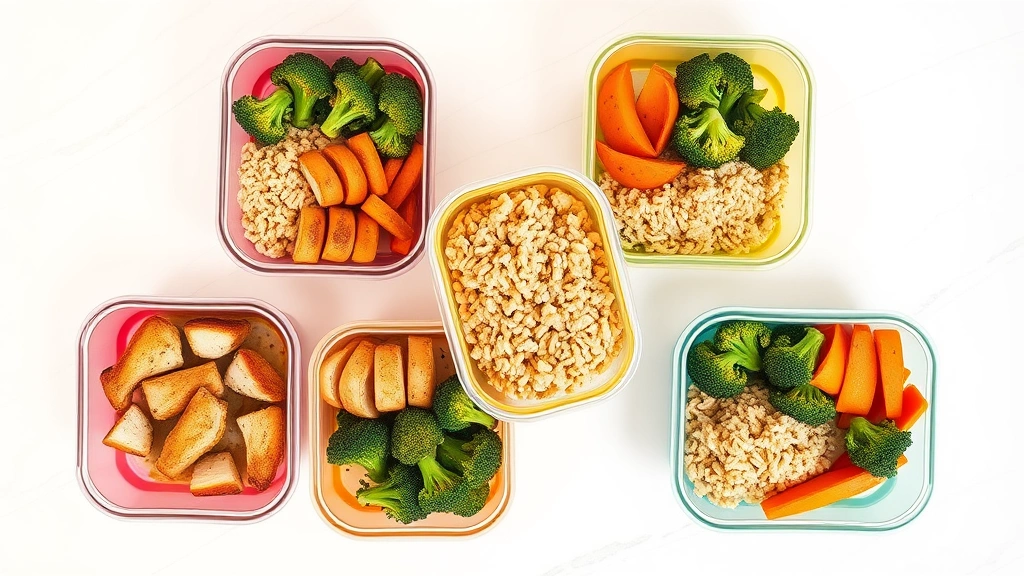
Healthy lunch recipes meal prep doesn’t have to feel like a chore—it’s actually the secret weapon that’ll transform your weekdays from “what am I eating?” chaos into “I’ve got this” confidence. Whether you’re juggling work, kids, or just tired of spending $15 on sad desk salads, mastering meal prep is going to change your life. Let me walk you through this like we’re hanging out in my kitchen, because that’s where the real magic happens.
Table of Contents
Plan Your Week Strategically
Before you even touch a knife, sit down with a pen and paper (or your phone—no judgment). You need to plan what you’re actually going to eat. This is the foundation of successful healthy lunch recipes meal prep. I usually pick 2-3 protein options, 3-4 vegetables, and 2 grain or base options. That gives you enough variety that you won’t get bored by Wednesday, but it’s not so much that you’re spending your entire Sunday in the kitchen.
Think about what you actually enjoy eating. If you hate chickpeas, don’t force them just because they’re “healthy.” You won’t eat them, and you’ll waste money and food. I like to theme my weeks—maybe Monday through Wednesday is Mediterranean-inspired, Thursday and Friday goes Asian fusion. It helps me think about complementary flavors and makes shopping easier.
Choose Your Base Proteins
Protein is your anchor. It keeps you full and makes the meal actually satisfying. For healthy lunch recipes meal prep, I rotate between grilled chicken breast, ground turkey, hard-boiled eggs, and canned tuna. These are reliable, affordable, and don’t require fancy techniques.
Chicken breast is my workhorse. I’ll season a batch with garlic, lemon, and herbs, then bake it all at once. Ground turkey works great in lettuce wraps or mixed with canned black beans for a protein-packed base. Hard-boiled eggs are clutch because you can literally just boil a dozen and grab them throughout the week. The beauty here is that plain proteins are a blank canvas—you can dress them up differently each day depending on your sauce situation.
Prep Vegetables the Smart Way
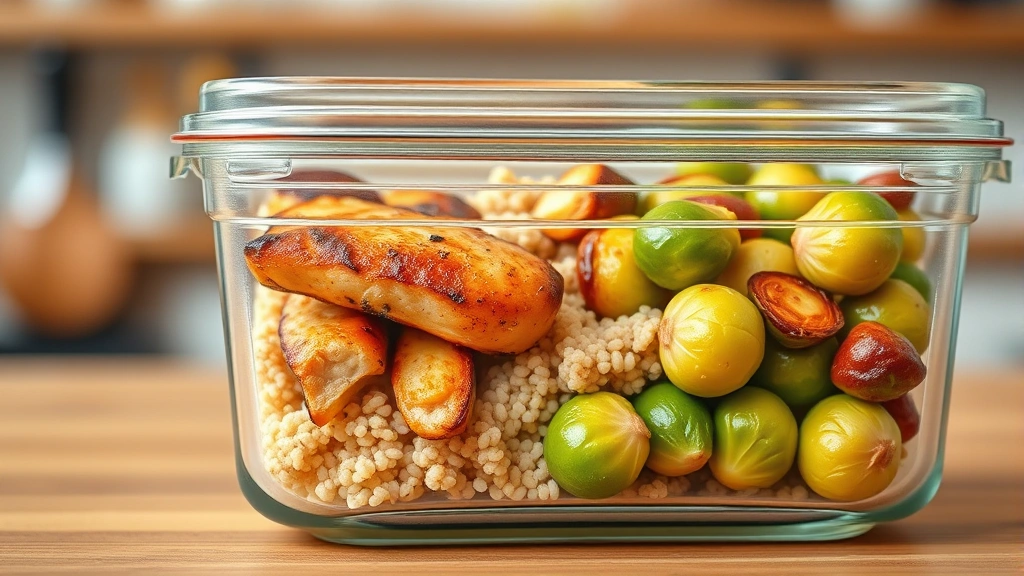
This is where people mess up. They prep everything raw on Sunday and by Thursday it’s all slimy and sad. Instead, I do a mix: some vegetables I prep raw (like bell peppers and cucumbers), and others I cook ahead. Roasted brussels sprouts with balsamic vinegar actually taste better after a day or two. Steamed broccoli—you can even steam broccoli in the microwave—holds up great.
The key is understanding which vegetables are sturdy and which are delicate. Carrots, green beans, and broccoli can be cooked and stored for days. Lettuce, tomatoes, and avocados? Keep those separate or add them fresh the day you eat. Pro tip: if you’re using apples in your salads, know how to prevent apples from browning by storing them separately or using a quick lemon juice trick.
Batch Cook Your Grains
Brown rice, quinoa, farro, or sweet potatoes—pick your favorites and cook them in bulk. I use a rice cooker because I’m lazy, but a pot works fine too. The ratio is usually 1 cup grain to 2 cups water, bring to a boil, then simmer until done. Make enough for the whole week.
Here’s the thing: cooked grains last about 5 days in the fridge if stored properly in airtight containers. I usually make enough on Sunday to get through Thursday, then if I need Friday’s lunch I’ll cook a fresh batch or just go out. This prevents that “I’m eating week-old rice” vibe that makes meal prep feel depressing.
Make Healthy Sauces Ahead
Sauces are the MVP of meal prep. A plain chicken breast and rice bowl is boring. Add a killer sauce and suddenly you’re excited about lunch. I make 2-3 sauces every Sunday: a healthy alfredo sauce, a simple vinaigrette, and maybe an avocado mayo for sandwiches or wraps.
Store sauces in small mason jars or containers, separate from your other components. This way you can mix and match throughout the week without everything getting soggy. A good vinaigrette will last a week. Creamy sauces should be used within 3-4 days. Keep them in the back of the fridge where it’s coldest.
Container Strategy Matters
Don’t cheap out on containers. You want glass or high-quality plastic that actually seals. I use a mix of rectangular bento-style containers (great for keeping components separate) and round containers for grain bowls. Compartments are your friend because they keep your salad dressing from soaking into your rice.
Label everything with the date using a permanent marker. This sounds obvious, but you’d be surprised how many people forget and end up eating mystery containers. I also take a photo of my finished containers before they go in the fridge—it helps me remember what I made and keeps me motivated when I’m scrolling through my phone at lunch.
Storage and Food Safety
Proper storage is non-negotiable if you’re prepping for the whole week. Cooked proteins should go in the coldest part of your fridge immediately after cooling. Raw vegetables last longer than cooked ones. Grains are pretty forgiving as long as they’re in airtight containers.
The general rule: most prepped meals are safe for 3-4 days. If you’re prepping for 5 days, consider freezing a couple of containers. Frozen meals will last about 2-3 months and can be thawed the night before or microwaved from frozen (it takes longer but works). Keep a thermometer handy—if your fridge is above 40°F, your food won’t keep as long. If you’re nervous about anything, throw it out. Food poisoning isn’t worth saving $3.
Mix and Match Combinations
This is where meal prep becomes fun instead of monotonous. Let’s say you prepped chicken, ground turkey, brown rice, roasted broccoli, raw bell peppers, and three different sauces. On Monday you do chicken, rice, broccoli with sauce A. Tuesday? Turkey with peppers and sauce B. Wednesday? Chicken with rice and sauce C. Same ingredients, completely different meals.
The trick is prepping components, not finished meals. A finished meal gets boring. Components give you flexibility and make you feel like you’re actually cooking something new each day, even though you prepped everything Sunday. This psychological trick is huge for sticking with healthy lunch recipes meal prep long-term.
Time Management Tips
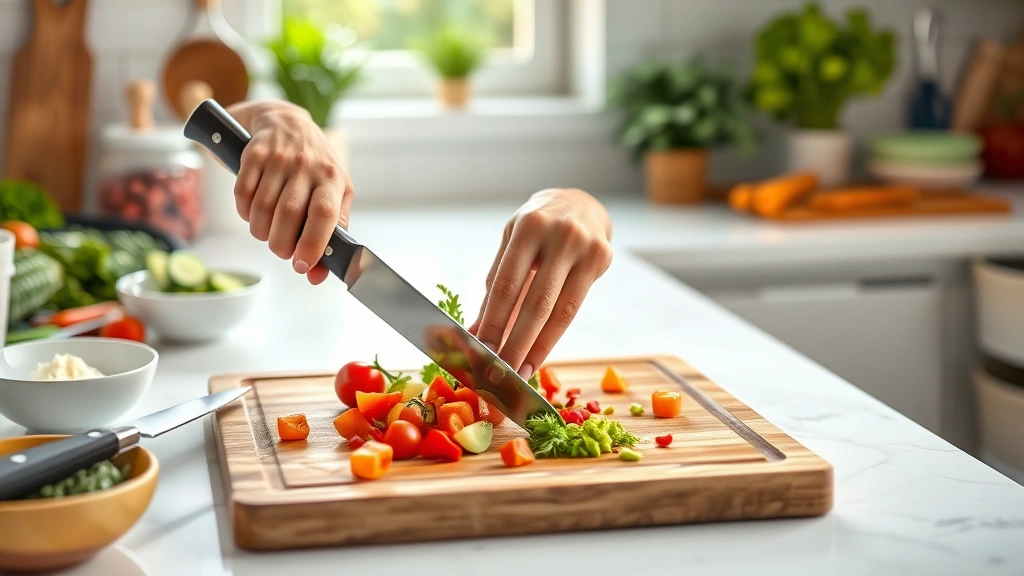
Block out 2-3 hours on Sunday (or whatever day works for you). Set a timer, put on a podcast or music, and get in the zone. Start with things that take the longest: get your oven preheating and grains cooking first. While those are going, prep your vegetables. Wash and chop everything before you start cooking.
Use your equipment efficiently. If you have two ovens, use them both. If you have a slow cooker or Instant Pot, throw something in there while you’re working on other tasks. The goal is to have multiple things cooking simultaneously so you’re not standing around waiting. Clean as you go—a messy workspace slows you down mentally and physically.
Frequently Asked Questions
How long does meal prep actually take?
Once you get the system down, you’re looking at 2-3 hours on your prep day. The first time might take longer because you’re figuring out your rhythm, but it gets faster. Compare that to 5-10 minutes per day you’d spend thinking about lunch, cooking, or going out—meal prep saves time overall.
Can I prep for an entire month?
Not really. Most cooked meals are safe for 3-4 days max. You could freeze some containers, but I find it easier to do two smaller prep sessions per week (Sunday and Wednesday) than one giant monthly session. Plus, frozen meals don’t taste quite as fresh.
What if I get bored with the same meals?
Prep components, not finished meals. Use different sauces, swap proteins, change your grain. You can also do two completely different prep styles—maybe half your containers are grain bowls and half are wraps or salads. Variety is built into the system if you think about it strategically.
Do I need special equipment?
Nope. A sharp knife, a cutting board, some pots, and an oven get you 90% of the way there. Good containers help, but you can use whatever you have. The system matters more than the gear.
How do I keep vegetables from getting mushy?
Cook sturdy vegetables that hold up well (broccoli, green beans, carrots, brussels sprouts). Keep delicate vegetables raw and add them fresh. Store everything in airtight containers in the coldest part of your fridge. Some people also add a paper towel to containers to absorb excess moisture.
Your Meal Prep Roadmap
Healthy lunch recipes meal prep is honestly just about showing up and doing the work once a week. Pick your proteins, chop your vegetables, cook your grains, make your sauces, and pack it all up. That’s it. You’re not training for a culinary competition—you’re just setting yourself up to eat well without the daily stress.
The first couple of weeks might feel awkward, but by week three you’ll have your rhythm down. You’ll know exactly how much to cook, which combinations work for your taste, and how to time everything efficiently. Then it becomes automatic. Suddenly you’re that person who has their lunch together every single day, and you’ll wonder why you didn’t start doing this sooner.
Start small if you need to. Maybe just prep 2-3 days worth of lunches for your first attempt. Build the habit. Once you see how much time and money you save, and how much better you feel eating actual food instead of whatever’s convenient, you’ll be hooked. This is the kind of life hack that actually works because it’s simple and it sticks.


