
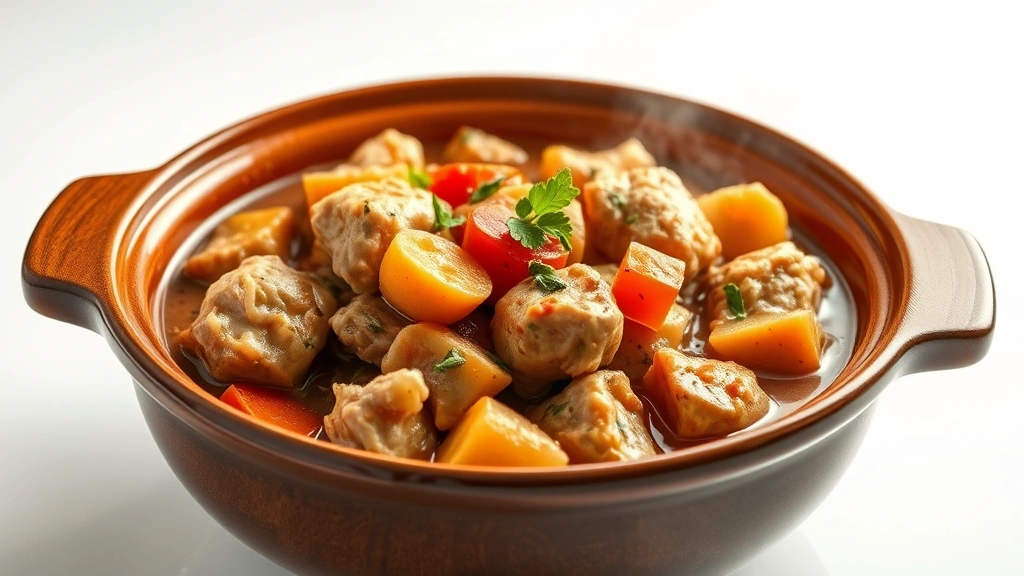
Look, I get it—life moves fast, and healthy crockpot recipes are a lifesaver when you’re juggling work, kids, errands, and everything else. You want meals that don’t require you to be a culinary wizard, taste genuinely good, and actually keep you on track with your health goals. That’s exactly what slow cooker cooking delivers. Throw ingredients in, walk away, and come back to a hot, nutritious dinner that practically makes itself.
Table of Contents
Why Crockpot Cooking Works
Slow cookers are the secret weapon for anyone serious about eating well without spending hours in the kitchen. The low, steady heat breaks down tough cuts of meat, coaxes flavor from whole vegetables, and lets you control exactly what goes into your food. No mystery sauces, no hidden sodium bombs, no processed shortcuts unless you choose them.
The magic happens through time and temperature. Eight hours on low means collagen converts to gelatin, vegetables release their nutrients into the broth, and flavors meld together naturally. You’re essentially making stock while cooking dinner. That’s efficiency.
Smart Prep Strategies
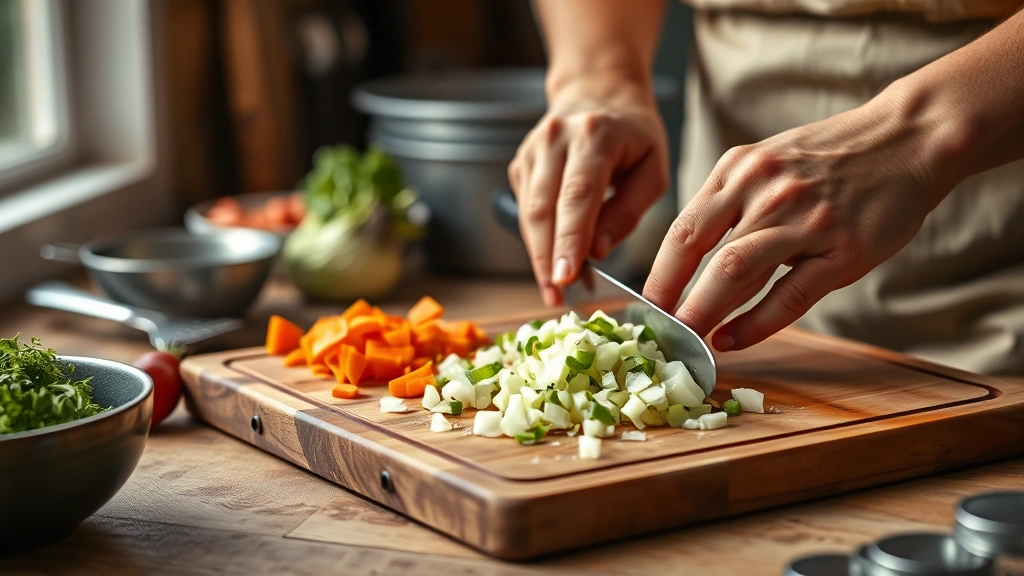
Success with healthy crockpot recipes starts the night before. Chop your vegetables, measure your spices, and prep your proteins. Sunday meal prep sessions mean weeknight cooking becomes assembly work. Keep your ingredients organized in containers, label them with dates, and you’ve got a system that actually sticks.
One pro tip: brown your meat before it goes in the slow cooker. Yeah, it’s an extra five minutes, but you’re building flavor and reducing fat. Just use a hot skillet with minimal oil, get a good sear, and transfer to your crock. Your taste buds will thank you.
Protein-Packed Meals
Chicken breast is your lean friend here. A whole chicken or six to eight breasts with broth, herbs, and vegetables gives you shredded chicken for tacos, salads, or grain bowls. Cook on low for six hours, and you’ve got tender, moist meat that doesn’t taste like cardboard.
Turkey works equally well. Ground turkey mixed with beans and tomatoes makes a chili that actually satisfies. Lean beef like sirloin or chuck roast (trimmed of visible fat) becomes fork-tender after eight hours. The key is choosing cuts designed for slow cooking—they have more connective tissue that breaks down beautifully.
Fish and shellfish are trickier because they cook fast, so save those for the last 30 minutes. White fish like cod or halibut added near the end stays flaky and won’t turn to mush. If you’re using frozen seafood, thaw it first—slow cookers don’t heat fast enough to safely cook frozen fish from start to finish.
Vegetable-Forward Dishes
Root vegetables are slow cooker superstars. Carrots, sweet potatoes, parsnips, and beets become naturally sweet and tender. Add them in layers with beans and greens for a complete meal. The longer cooking time actually preserves more nutrients than quick stovetop cooking because you’re not blasting them with high heat.
Leafy greens like spinach, kale, or chard go in during the last 15 minutes so they don’t turn into mush. Cruciferous vegetables like broccoli and cauliflower are best added in the final 30 minutes too—they hold their structure better that way. Mushrooms, bell peppers, and zucchini also benefit from later addition.
Beans and lentils are where slow cookers really shine. Dried beans cooked from scratch in a crockpot with vegetable broth, garlic, and herbs become creamy and flavorful without any canned sodium. Lentils cook in about four hours and don’t require soaking. Layer them with vegetables for a fiber-packed base that keeps you full.
Lean Meat Options
Pork tenderloin is leaner than many people realize. Trim any visible fat and cook it with apple cider vinegar, mustard, and herbs for a tangy, healthy meal. Chicken thighs have more flavor than breasts but slightly more fat—they’re still healthy when you trim the skin.
Ground turkey or extra-lean ground beef (93% lean or higher) works for taco fillings, pasta sauces, and chili. Brown it first, drain off the fat, then add it to your slow cooker with other ingredients. Venison and bison are excellent if you have access—they’re naturally lean and flavorful.
Lamb is rich but works in smaller portions mixed with plenty of vegetables. A pound of trimmed lamb shoulder with two cups of vegetables and broth makes four healthy servings. The key with any meat is trimming visible fat before cooking and not drowning everything in cream-based sauces.
Batch Cooking & Freezing
Here’s where crockpots become your secret meal prep weapon. Make a double batch on Sunday, eat half during the week, and freeze the other half. Most slow cooker meals freeze beautifully for up to three months. Use freezer bags, label them with the date and contents, and you’ve got emergency healthy dinners ready to go.
Soups and stews freeze best because the liquid protects the food from freezer burn. Chili, minestrone, lentil soup, and vegetable-based broths all thaw and reheat perfectly. Layer ingredients in freezer bags flat so they stack easily, then thaw overnight in the fridge before reheating.
Pro move: freeze ingredients in portions that match your slow cooker capacity. Prep five slow cooker bags on a Sunday afternoon, and you’ve got five dinners ready to dump and go. No thinking, no decisions, just consistent healthy eating.
Seasoning Without Sodium
Skip the canned soups and bouillon cubes loaded with sodium. Make your own broth base using low-sodium or no-salt-added broth, fresh garlic, onions, and herbs. Dried herbs like thyme, oregano, rosemary, and bay leaves intensify during long cooking. Fresh herbs like cilantro and parsley go in at the end for brightness.
Acid is your friend—a splash of vinegar, lemon juice, or tomato paste brightens flavors without adding salt. Spices like cumin, paprika, coriander, and chili powder add complexity. Ginger and turmeric bring warmth and anti-inflammatory benefits. Taste as you go and adjust before serving.
Hot sauce, salsa, and fresh lime juice are finishing touches that make healthy crockpot recipes taste restaurant-quality. Keep a small bowl of chopped cilantro, sliced jalapeños, or diced onions on the table so people can customize their bowls.
Storage and Safety
Food safety matters, especially with slow cookers. Never thaw frozen meat at room temperature—thaw in the fridge overnight or use the defrost setting if your cooker has one. Don’t put a cold insert straight from the fridge into the heating base; let it come to room temperature first or add a few extra minutes to cooking time.
Leftovers last three to four days in the fridge in airtight containers. Cool food quickly by transferring it to shallow containers before refrigerating. Don’t leave cooked food sitting at room temperature for more than two hours. If you’re keeping food warm for serving, use the “warm” setting, which typically holds food at 140°F—hot enough to be safe.
When reheating, make sure food reaches 165°F throughout. Microwave in portions, stovetop in a pot, or back in the slow cooker on high until steaming. Avoid reheating in the slow cooker on low because it takes too long and can leave food in the danger zone.

Frequently Asked Questions
Can I use frozen vegetables in healthy crockpot recipes?
Absolutely. Frozen vegetables are picked at peak ripeness and flash-frozen, so they retain nutrients. Add them directly to the slow cooker—no thawing needed. They’ll cook in the same time as fresh vegetables. Just avoid adding them if you’re using a delayed-start timer because they shouldn’t sit at room temperature before cooking.
How much liquid should I use?
Slow cookers trap steam, so you need less liquid than stovetop cooking. Use about half the liquid a recipe calls for. Aim for ingredients to be about two-thirds covered in liquid. You can always add more at the end if it’s too thick, but you can’t remove excess liquid easily.
Can I cook healthy crockpot recipes on high instead of low?
Yes, but timing changes. High heat cooks roughly twice as fast as low. Six to eight hours on low equals three to four hours on high. However, low and slow is gentler on vegetables and tougher cuts of meat, producing more tender results. Save high for when you’re in a time crunch.
What’s the best way to thicken a slow cooker meal?
Mix cornstarch or arrowroot powder with cold water to make a slurry, then stir it in during the last 30 minutes of cooking. Alternatively, mash some of the cooked vegetables to naturally thicken the broth. Avoid flour because it can get lumpy in slow cooker temperatures.
Are slow cookers energy-efficient?
Very much so. A slow cooker uses about the same energy as a light bulb—roughly 150-200 watts compared to 2000+ watts for an oven. Cooking for eight hours costs pennies in electricity, making it budget-friendly alongside healthy.
Can I meal prep ingredients the morning of?
Yes, but refrigerate prepped ingredients until you’re ready to cook. Don’t let raw meat and vegetables sit at room temperature. If you’re using a delayed-start timer, keep ingredients in the fridge and add them directly to the cooker when the timer activates. Better yet, prep the night before and refrigerate the insert itself.
The Bottom Line
Healthy crockpot recipes aren’t about deprivation or boring food—they’re about smart cooking that fits real life. You control the ingredients, the sodium, the fat, and the portions. You get restaurant-quality tenderness and flavor without restaurant-quality prices or prep time.
Start with simple recipes: a whole chicken with vegetables, a bean chili, a beef stew loaded with root vegetables. Master those, then experiment with spice blends and ingredient combinations. Your slow cooker becomes less of a kitchen gadget and more of a reliable kitchen partner that helps you eat better without stress.
For additional cooking inspiration, check out our bibimbap sauce recipe for topping grain bowls with your slow cooker proteins. When you’re organizing your meal prep system, learning how to frame a puzzle might seem unrelated, but organizing your kitchen space follows the same principles. And if you need to document your meal prep process, inserting a text box in Google Docs helps you create your own recipe collection.
For evidence-based nutrition guidance, the American Heart Association offers excellent resources on heart-healthy cooking. The Academy of Nutrition and Dietetics provides science-backed meal planning advice. And for USDA food safety standards, the Food Safety and Inspection Service has comprehensive guidelines on proper food handling and storage temperatures.


