

Look, I’ve made cornbread the traditional way for years—loaded with butter, sugar, and refined flour. But here’s what I discovered: a healthy cornbread recipe doesn’t mean sacrificing that golden, moist crumb you’re after. It’s about swapping out ingredients smartly while keeping the magic intact. This isn’t some sad, dense brick of health food. This is real cornbread that tastes incredible and happens to be better for you. I’m talking moist, slightly sweet, and ready in about 30 minutes from start to finish.
Table of Contents
Why Healthy Matters Here
Traditional cornbread recipes load up on refined flour and processed sugar. Nothing wrong with indulging occasionally, but when you’re making cornbread regularly—maybe alongside chili, soup, or a weeknight dinner—those ingredients add up. A healthier approach means you can enjoy cornbread more often without the guilt. The beauty of this healthy cornbread recipe is that it uses whole grains, reduces refined sugar, and sneaks in better fats. You’ll notice the difference in how you feel after eating it, not in the taste.
Smart Ingredient Swaps
The foundation of any healthy cornbread recipe starts with flour choices. I use a blend of cornmeal and whole wheat pastry flour instead of all-purpose. Whole wheat pastry flour is finer than regular whole wheat, so it doesn’t make the bread dense. You’re getting fiber and nutrients without sacrificing texture. For sweetness, I cut the sugar in half compared to traditional recipes and use honey or maple syrup—they add moisture and flavor complexity that white sugar can’t match.
For fat, butter is fine, but I use half the amount and add Greek yogurt or plain yogurt. This sounds weird, but it works beautifully. The yogurt keeps the bread incredibly moist while reducing overall fat content. You could also try easy dinner recipes that pair well with cornbread sides. For the liquid component, I prefer buttermilk over regular milk—it adds tang and helps with the rise. If you want to dive deeper into buttermilk varieties, check out our buttermilk cornbread recipe guide.
Prep & Setup
Get your mise en place ready. You’ll need:
- 1 cup cornmeal (preferably stone-ground)
- ¾ cup whole wheat pastry flour
- ¼ cup all-purpose flour
- 2 teaspoons baking powder
- ½ teaspoon baking soda
- ½ teaspoon salt
- 3 tablespoons honey or maple syrup
- 2 tablespoons melted butter
- ½ cup plain Greek yogurt
- 1 cup buttermilk
- 2 large eggs
- 1 tablespoon apple cider vinegar (optional but recommended)
Preheat your oven to 400°F. If you’re using a cast-iron skillet, get it in the oven now so it heats up properly. A hot skillet is the secret to crispy edges. If using a regular 9-inch baking pan, you can skip this step, but cast iron really does make a difference. Line your work surface with parchment paper or a clean towel—you’ll appreciate not having to scrub flour later.
The Mixing Technique
This is where most people mess up cornbread. Don’t overmix. In one bowl, whisk together your dry ingredients: cornmeal, both flours, baking powder, baking soda, and salt. In another bowl, whisk together honey, melted butter, Greek yogurt, buttermilk, eggs, and vinegar if using it. The vinegar reacts with the baking soda to create extra lift and adds subtle flavor depth.
Pour the wet ingredients into the dry ingredients and stir just until combined. I mean it—stop as soon as you don’t see dry flour streaks. Lumps are fine. Overmixing develops gluten, which makes cornbread tough and dense. This is not bread dough; treat it like pancake batter.
Baking to Perfection
If using cast iron, carefully remove the hot skillet from the oven. Add a tiny bit of oil to the bottom and sides (just a brush, not a pool). Pour your batter in immediately. The sizzle you hear is the sound of success. If using a regular pan, lightly grease it and pour the batter in. Spread it evenly with a spatula.
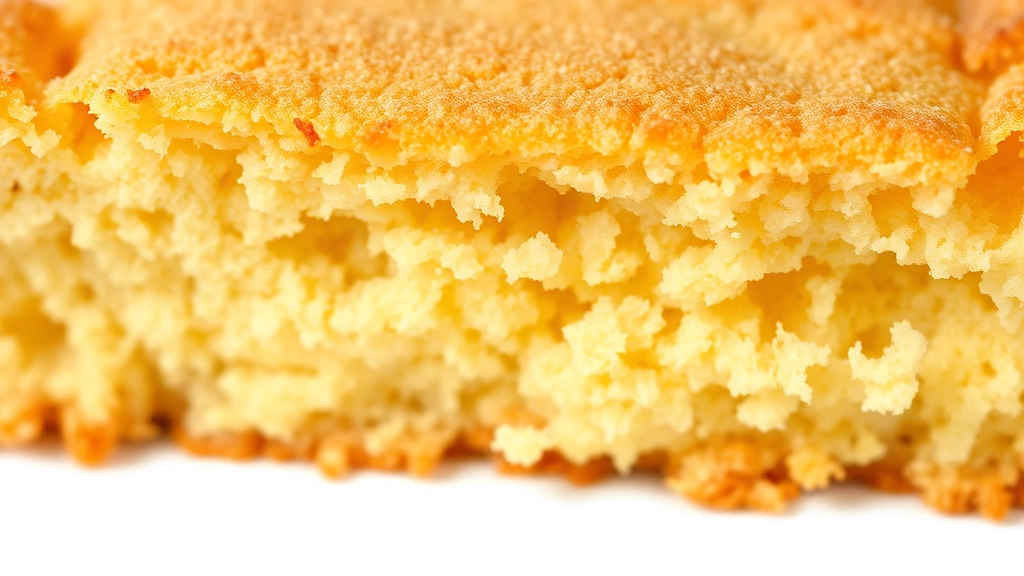
Bake at 400°F for 20-25 minutes. You’re looking for a golden-brown top and a toothpick inserted in the center that comes out with just a few moist crumbs—not wet, but not completely dry either. The edges should pull slightly away from the pan. This is the sweet spot for moisture.

The Moisture Secret
Here’s what makes this healthy cornbread recipe stay moist for days: the combination of yogurt and buttermilk. Yogurt contains lactic acid, which helps retain moisture in baked goods. Buttermilk does the same thing. Together, they create a tender crumb that doesn’t dry out. Don’t skip either one. Also, don’t overbake. Pulling it out slightly underdone is better than waiting for it to be fully set—the carryover heat will finish it perfectly.
Serving & Storage
Let the cornbread cool for 5-10 minutes in the pan, then turn it out onto a wire rack if you want it to cool completely. But honestly? Warm cornbread with a little honey drizzled on top is where it’s at. Serve it alongside chili, soup, or stew. It’s also great for easy bake oven recipes if you’re cooking with kids.
For storage, wrap cooled cornbread tightly in foil or place it in an airtight container. It keeps for 3-4 days at room temperature. You can freeze it for up to 3 months. To reheat, wrap it in foil and warm it in a 300°F oven for 10-15 minutes. Don’t use the microwave unless you want rubber cornbread.
Common Mistakes
Cornbread is forgiving, but here are the pitfalls I’ve hit:
Dense and heavy: You overmixed the batter. Mix less. Seriously, less mixing is always the answer with cornbread.
Dry and crumbly: You overbaked it or used too much flour. Measure flour by weight if possible, or spoon it into your measuring cup and level it off—don’t scoop directly from the bag.
Sunken middle: Your oven temperature might be off. Use an oven thermometer to verify. Also, opening the oven door too early lets heat escape.
Not golden enough: Your oven might run cool. Extend baking by 2-3 minutes, or increase temperature to 425°F for the last few minutes.
If you’re interested in other healthy baked goods, check out our guide on chickpeas garbanzo beans recipe for protein-packed alternatives, or explore how to make caramel popcorn for a different kind of snack.
Frequently Asked Questions
Can I use regular flour instead of whole wheat pastry flour?
Yes, but use all-purpose flour only. Whole wheat pastry flour is lighter than regular whole wheat. If you use regular whole wheat, increase your buttermilk by 2-3 tablespoons to maintain moisture.
What if I don’t have Greek yogurt?
Regular yogurt works fine. You might need to reduce buttermilk slightly since regular yogurt has more liquid. Start with ¾ cup buttermilk instead of 1 cup.
Is this cornbread actually healthier?
It’s a meaningful improvement. You’re getting whole grains, less refined sugar, less fat, and more protein from the yogurt. It’s not a health food in the sense that it’s a vegetable, but it’s a much better version of cornbread.
Can I add jalapeños or corn kernels?
Absolutely. Add ½ cup fresh or frozen corn kernels, or ¼ cup diced jalapeños. Don’t add more than that or it affects the bake.
Why use cast iron?
Cast iron heats evenly and retains heat better than regular pans. This creates crispy, golden edges while keeping the inside moist. It’s not required, but it elevates the result.
How do I know when it’s done baking?
The top should be golden brown, and a toothpick inserted in the center should come out with a few moist crumbs, not wet batter. The edges should pull slightly from the pan.
Final Thoughts
This healthy cornbread recipe proves you don’t have to choose between taste and nutrition. It’s moist, delicious, ready in 30 minutes, and genuinely better for you than traditional versions. The combination of whole grains, yogurt, and buttermilk creates a tender crumb that stays fresh longer. Once you nail this recipe, you’ll make it regularly. And that’s the whole point—cornbread should be something you enjoy without overthinking it. Get in the kitchen, don’t overmix, and pull it out when it’s golden. You’ve got this.


