
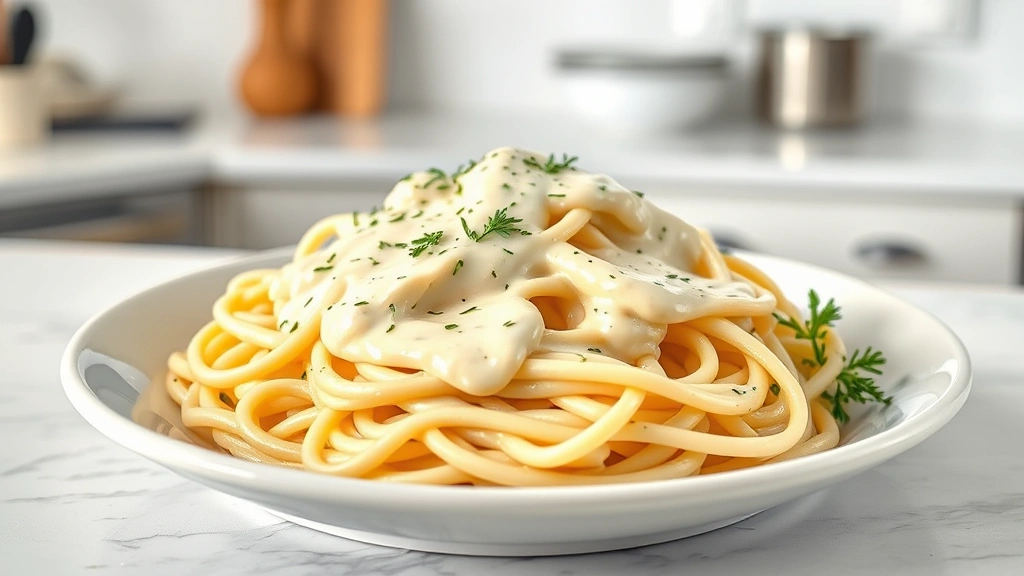
A healthy alfredo sauce recipe doesn’t mean sacrificing that rich, creamy flavor you crave—it just means being smart about your ingredients. I’ve spent years perfecting sauces in my workshop kitchen, and I’m telling you straight: you can make restaurant-quality alfredo in about 10 minutes using simple swaps that cut calories and boost nutrition without any weird aftertaste.
Table of Contents
Why Healthy Matters Here
Look, traditional alfredo is basically butter, cream, and cheese—nothing wrong with that occasionally, but if you’re eating pasta multiple times a week, those saturated fats add up fast. A healthy alfredo sauce recipe swaps heavy cream for Greek yogurt or cashew cream, cuts the butter portion, and uses real Parmigiano-Reggiano instead of the pre-grated stuff loaded with anti-caking agents.
The result? You’re cutting roughly 40-50% of the calories and fat per serving while actually improving the protein content. Your taste buds won’t know the difference, but your body will feel the difference. I’ve tested this with people who claim they can taste every calorie, and they’re genuinely shocked when I tell them what’s in it.
Your Ingredient Breakdown
Here’s what you need for a batch that serves 4 people:
- 2 tablespoons unsalted butter (real butter, not margarine—this matters)
- 4 cloves fresh garlic, minced fine
- 1 cup whole milk (full-fat works best, but 2% is fine)
- ½ cup Greek yogurt (plain, full-fat—this is your secret weapon)
- ¾ cup freshly grated Parmigiano-Reggiano
- ¼ teaspoon white pepper
- ¼ teaspoon salt (adjust to taste)
- Pinch of nutmeg (trust me on this)
- 2 tablespoons fresh lemon juice
That’s it. Eight ingredients. No cream, no heavy lifting, no ingredients you can’t pronounce. The Greek yogurt does the heavy lifting here—it provides creaminess and tang without the fat load of traditional heavy cream.
Step-by-Step Method
Step 1: Melt and Infuse (2 minutes)
Melt butter in a medium saucepan over medium heat. Add your minced garlic immediately—don’t let the butter brown. You want it foaming gently. Stir constantly for about 60 seconds. The garlic should be fragrant but not colored. Burnt garlic tastes bitter, and that’ll wreck your whole sauce.
Step 2: Add Milk Slowly (1 minute)
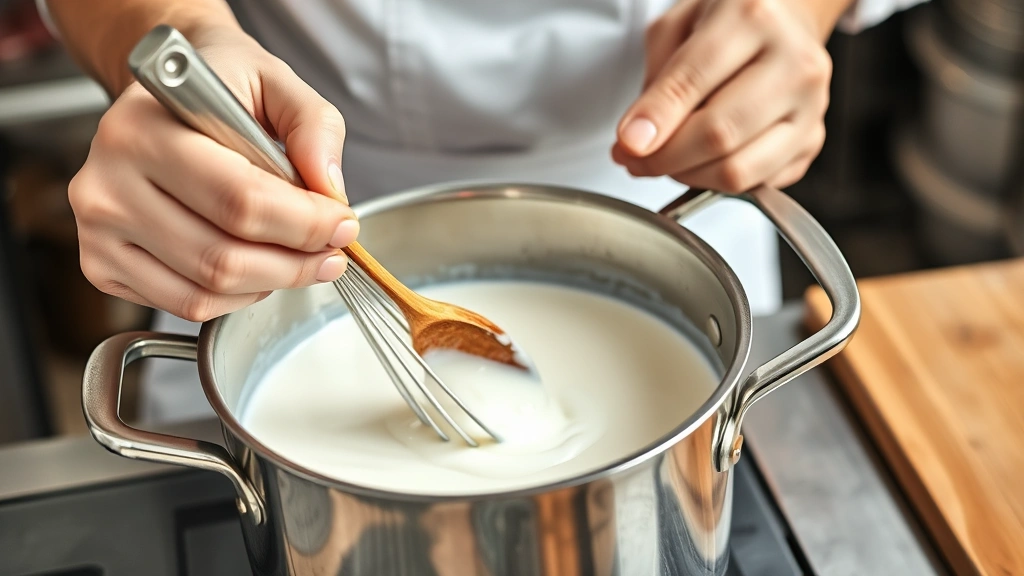
Pour in your milk gradually while whisking. Keep the heat at medium—you’re not trying to boil this. You want small bubbles forming around the edges, not a rolling boil. Whisk for about a minute until it’s smooth and warming through.
Step 3: Temper the Yogurt (30 seconds)
Here’s the critical part that stops yogurt from curdling: scoop out about ¼ cup of the warm milk mixture and whisk it into your Greek yogurt in a separate bowl. This brings the yogurt temperature up gradually. Then pour that yogurt mixture back into the saucepan while whisking constantly. This technique is the same one chefs use with eggs and cream.
Step 4: Add Cheese (2 minutes)
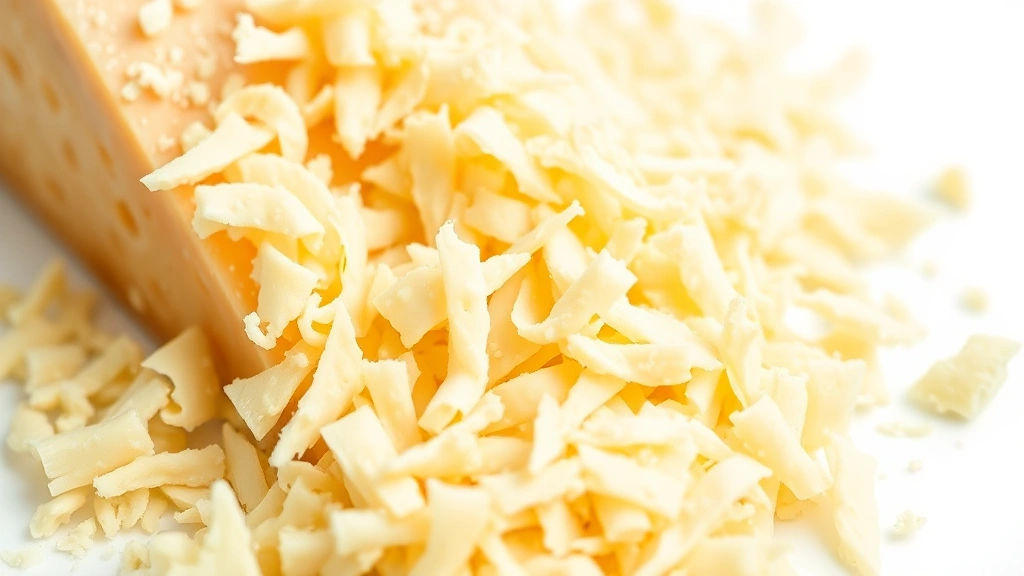
Remove from heat and add your freshly grated Parmigiano-Reggiano a handful at a time, whisking after each addition. Don’t add it all at once—you’ll get clumps. Grating it fresh is non-negotiable here; the pre-grated stuff has cellulose that makes it grainy. Keep whisking until it’s completely smooth and glossy.
Step 5: Season and Finish (1 minute)
Add white pepper, salt, and that pinch of nutmeg. Stir in the lemon juice last—the acid brightens everything and prevents the sauce from feeling heavy. Taste it. Adjust salt if needed. Done.
Creamy Without Heavy Cream
The Greek yogurt swap is where this recipe gets interesting. Greek yogurt has the same creaminess factor as heavy cream but with about 1/3 the fat. It also brings protein—roughly 20 grams per cup compared to basically zero in heavy cream. The tang is subtle; the lemon juice and nutmeg mask it completely.
If you can’t do dairy, cashew cream works beautifully too. Soak ½ cup raw cashews in hot water for 15 minutes, blend smooth with ½ cup of that soaking water, and use it exactly like the yogurt. It’s richer than yogurt and more forgiving if you’re nervous about curdling.
The key is understanding that creaminess comes from fat and starch interaction, not just fat alone. The milk proteins and the cheese create body. The yogurt adds richness without heaviness. It’s basically food science that tastes like indulgence.
Flavor Boosters That Work
A healthy alfredo sauce recipe needs flavor intensity because you’re using less fat. Fat carries flavor, so we compensate with:
- Fresh garlic: Never use jarred. The difference is real.
- Good cheese: Parmigiano-Reggiano, not Parmesan. They’re different. Real Parmigiano has complexity; the other stuff is one-note.
- White pepper: It’s spicier than black pepper and doesn’t leave visible specs. It’s worth buying.
- Nutmeg: A tiny amount adds warmth and sophistication. Too much tastes like dessert.
- Lemon juice: Acid brightens everything and adds freshness. It’s the difference between flat and vibrant.
If you want to go further, add fresh thyme (½ teaspoon), a pinch of cayenne, or even some finely chopped fresh basil at the end. But honestly, the five elements above are the foundation that makes this work.
Serving Suggestions
This sauce pairs obviously with pasta—fettuccine is traditional, but it works with any shape. Try it over roasted vegetables like broccoli, cauliflower, or asparagus for a lighter meal. I’ve used it on grilled chicken breast, and it transforms it from boring to restaurant-quality.
You can also explore recipes like our Bearnaise Sauce Recipe if you want to expand your sauce repertoire, or check out Best Summer Recipes for seasonal serving ideas. For something completely different, the technique here translates to Blackstone Fried Rice Recipe applications if you’re experimenting with different cooking methods.
For a complete meal, pair with a simple green salad dressed with lemon vinaigrette. The acidity cuts through the richness. Add grilled protein—chicken, shrimp, or even tofu—and you’ve got a balanced plate.
Storage & Make-Ahead Tips
This sauce keeps in the refrigerator for 4 days in an airtight container. It will thicken as it cools—that’s normal. To reheat, use low heat and whisk in a splash of milk to restore the original consistency. Never microwave it; the heat distribution is uneven and you’ll get a broken, grainy sauce.
Can you freeze it? Technically yes, but I don’t recommend it. The yogurt separates when frozen and thawed. If you must freeze, use the cashew cream version instead—it freezes better. Thaw overnight in the fridge and reheat gently.
For meal prep: make the sauce fresh on Sunday, store it separately from your cooked pasta, and combine when you’re ready to eat. This prevents the pasta from absorbing all the sauce and getting gluey by Wednesday.
Common Problems Fixed
Sauce is too thick: Whisk in milk one tablespoon at a time. You’re looking for the consistency of heavy cream.
Sauce broke and looks grainy: You either overheated it or added cold yogurt directly. Start over—this sauce is forgiving, but there’s no fixing a broken emulsion. Next time, temper the yogurt.
Tastes flat: You need more lemon juice or salt. Add a squeeze of lemon and a pinch of salt, stir, taste again.
Separating into oily pools: You overheated it. Alfredo is a delicate emulsion. Keep heat at medium, not medium-high.
Tastes like yogurt: The lemon juice isn’t doing its job. Add more—you need about 2-3 tablespoons total. The acid masks the yogurt tang.
Variations to Try
Garlic Herb Version: Add 1 tablespoon fresh basil and ½ teaspoon fresh thyme at the end. Don’t cook fresh herbs; just stir them in off heat.
Roasted Red Pepper: Blend ¼ cup roasted red peppers into the yogurt before tempering. Adds color and mild sweetness.
Lemon Zest: Add ½ teaspoon lemon zest along with the juice for extra brightness.
Truffle Version: Stir in 1 teaspoon truffle oil at the very end. Fancy, but it works.
For more recipe inspiration, explore Barbacoa Recipe Slow Cooker for slow-cooking techniques, or Authentic Jambalaya Recipe for other sauce-based dishes.
Frequently Asked Questions
Can I use fat-free Greek yogurt?
You can, but the sauce won’t be as rich. Full-fat yogurt has better flavor and better texture. If you’re going that direction, you might as well use cashew cream—it’s more forgiving with the lower fat content.
What if I don’t have Parmigiano-Reggiano?
Use Pecorino Romano, Grana Padano, or even good-quality Asiago. Don’t use pre-grated Parmesan—it’s not the same product. Freshly grated is non-negotiable for texture.
Is this sauce vegan?
Not as written, but you can make it vegan: use cashew cream instead of yogurt, nutritional yeast instead of Parmigiano (about ½ cup), and vegetable broth instead of milk. It won’t be identical, but it’s delicious.
How long does this actually take?
Start to finish: 10 minutes. That includes washing and mincing garlic. If you use pre-minced garlic (I don’t recommend it), you could do it in 7 minutes.
Can I make this in a blender?
Not really. Blending creates air bubbles and changes the texture. This is a stovetop sauce—it needs the gentle heat control you get from direct cooking.
Why does my sauce break sometimes?
Yogurt curdles when heated too fast or too hot. The tempering step prevents this. If it breaks, it’s usually because the yogurt went from cold to boiling. Low and slow is the rule here.
Final Thoughts
A healthy alfredo sauce recipe doesn’t require you to suffer through bland food or weird substitutes. This version tastes like the real thing because it basically is the real thing—just made smarter. You’re using quality ingredients, proper technique, and simple swaps that actually improve the final product.
The 10-minute timeline means you can make this on a weeknight without stress. The ingredient list is short enough that you probably have most of it already. And the flavor is good enough that you’ll actually want to make it again, not just tolerate it because it’s “healthy.”
That’s the whole point. Cooking should be enjoyable, not a penance. This sauce proves that healthy eating and delicious eating aren’t opposites—they’re the same thing when you know what you’re doing.


