
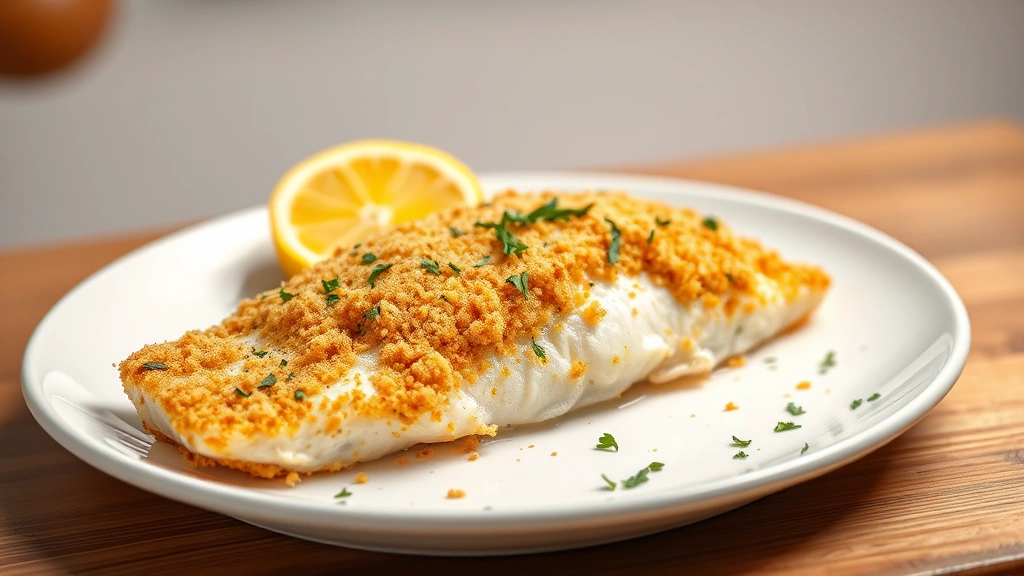
If you’re looking for haddock recipes oven-ready that’ll make your weeknight dinner sing, you’ve landed in the right spot. Haddock is one of those fish that practically begs for oven treatment—it’s forgiving, cooks fast, and delivers that flaky texture everyone craves without requiring you to babysit it on the stovetop. I’ve spent enough time in the kitchen to know that oven-baked haddock beats pan-frying nine times out of ten when you’re feeding a crowd or just want minimal cleanup.
Table of Contents
Why Oven Works Best
Let me be straight with you: haddock is delicate. Its flesh is tender and prone to drying out if you’re not careful. The oven gives you even, gentle heat distribution that respects the fish’s structure. Unlike a hot pan where you’re fighting with timing and temperature flare-ups, your oven maintains steady conditions. You’re looking at 12-15 minutes of hands-off cooking, which means you can actually prep your sides without stress.
The dry heat also creates a beautiful, subtle browning on top while keeping the interior moist. That’s the magic formula right there. Plus, if you’re making branzino recipe variations or exploring other white fish options, the oven method translates perfectly across the board.
Classic Baked Haddock
Start here if you’re new to cooking haddock in the oven. This is your foundation recipe—nothing fancy, just fish done right.
What you need: Haddock fillets (6 oz each), butter, salt, pepper, fresh thyme or dill. That’s it. Pat your fillets dry with paper towels—this step matters because moisture is the enemy of browning. Place them skin-side down on a parchment-lined baking sheet. Brush lightly with melted butter, season generously with salt and pepper, and scatter your herbs on top.
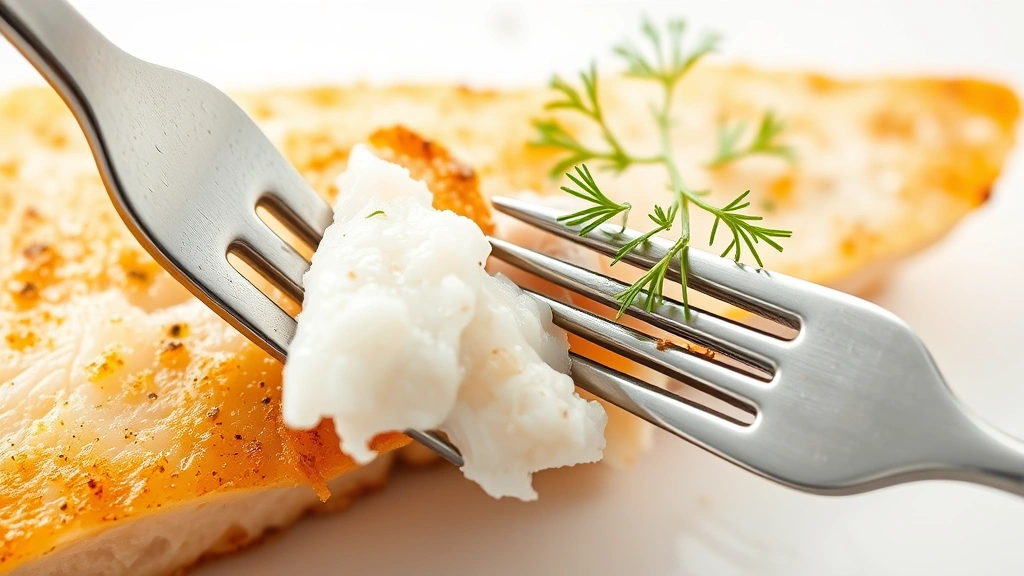
Bake at 400°F for 12-14 minutes. The fish is done when it flakes easily with a fork and reaches an internal temperature of 145°F. You’ll notice the flesh goes from translucent to opaque—that’s your visual cue. Serve immediately with lemon wedges and roasted vegetables.
This approach works beautifully alongside other seafood preparations. If you’re planning a full meal, check out how to coordinate timing with Dutch oven bread recipes for warm bread service.
Lemon & Herb Method
This is where things get more interesting without adding complexity. Lemon and haddock are natural partners—the acid cuts through the richness while brightening the delicate flavor profile.
Arrange your fillets on parchment paper. Create a compound mixture: softened butter mixed with minced garlic, fresh parsley, dill, and lemon zest. Spread this mixture directly on top of each fillet, then add thin lemon slices on top for extra flavor and presentation. A light sprinkle of sea salt finishes it.
Bake at 375°F for 13-15 minutes. The lower temperature lets the herb butter infuse slowly without burning. The lemon slices will caramelize slightly, creating little flavor bombs. This method impresses dinner guests without requiring restaurant-level skills.
Breadcrumb Crust Technique
If you want textural contrast—crispy top, tender inside—this is your move. The breadcrumb crust creates a protective layer that keeps moisture locked in while giving you that satisfying crunch.
Mix panko breadcrumbs with grated Parmesan, fresh parsley, garlic powder, and a pinch of cayenne. Brush your fillets with a thin layer of mayonnaise or Dijon mustard (acts as an adhesive), then press the breadcrumb mixture firmly onto the top surface. Drizzle lightly with olive oil to encourage browning.
Bake at 425°F for 12-14 minutes. Watch for golden-brown crumbs—that’s your done signal. The higher temperature crisps the topping while the gentle oven heat keeps the fish moist underneath. Serve with tartar sauce or a simple aioli.
Parchment Packet Magic
This method is pure genius for busy cooks. Everything steams inside its own packet, creating a microclimate that prevents any possibility of drying out. Plus, cleanup is literally throwing away paper.
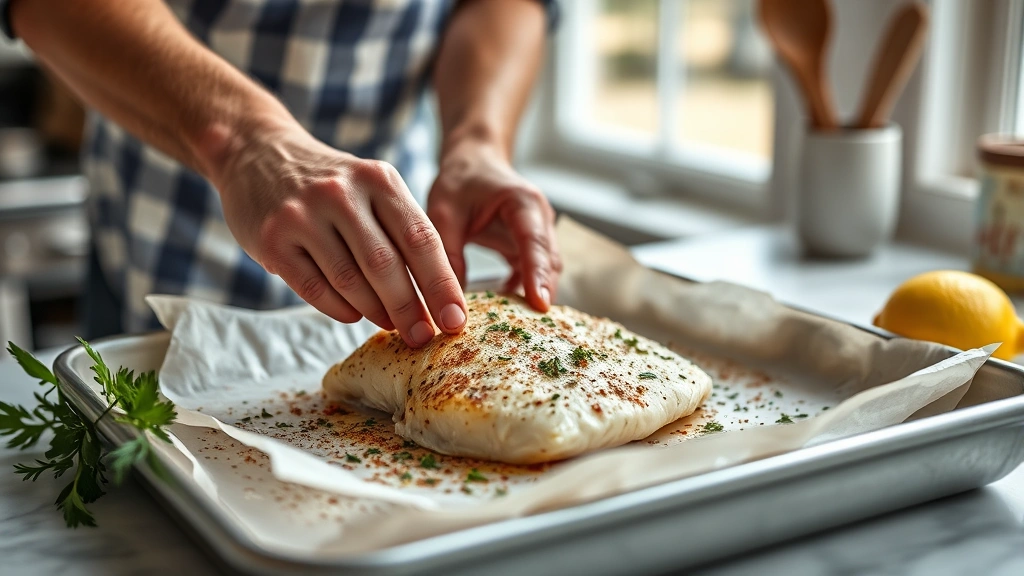
Cut parchment paper into large rectangles. Place a haddock fillet in the center of each, then add sliced vegetables (zucchini, bell peppers, cherry tomatoes work great), a pat of butter, fresh herbs, and a squeeze of lemon juice. Fold the parchment in half and crimp the edges tightly so steam can’t escape.
Arrange packets on a baking sheet and bake at 400°F for 14-16 minutes. The packets will puff up slightly as steam builds inside. Carefully open them at the table for dramatic presentation—your guests get the aroma release, and you get easy individual portion control. This approach pairs well with filet mignon recipes when you’re planning multi-protein dinners.
Asian-Inspired Approach
For something different, take your haddock in an Asian direction. This method uses soy sauce, ginger, and sesame to create completely different flavor notes.
Whisk together soy sauce, rice vinegar, sesame oil, minced fresh ginger, and sliced scallions. Place haddock fillets on parchment or foil, then pour this mixture over top. Add thin slices of fresh ginger and a sprinkle of sesame seeds.
Bake at 375°F for 12-14 minutes. The liquid keeps everything moist while infusing the fish with umami-rich flavors. Serve over steamed jasmine rice with bok choy on the side. It’s a complete meal that tastes restaurant-quality but takes minimal effort.
Temperature & Timing Guide
Let’s nail down the science here. Haddock fillets typically range from 3/4 inch to 1.5 inches thick, which affects cooking time significantly.
Thin fillets (3/4 inch): 375°F for 10-12 minutes. These cook fast, so watch carefully.
Medium fillets (1 inch): 400°F for 12-14 minutes. This is your standard thickness at most fish counters.
Thicker fillets (1.5 inches): 375°F for 15-17 minutes. Lower temperature prevents the outside from drying before the inside cooks through.
The 145°F internal temperature target is non-negotiable for food safety. Use an instant-read thermometer inserted into the thickest part of the fillet without touching the pan. When the fish reaches that temperature, it’s perfectly cooked—not overdone, not underdone.
Mistakes to Avoid
I’ve seen plenty of haddock disasters in home kitchens, and most come from the same handful of errors.
Skipping the pat-dry step: Wet fish steams instead of bakes. You lose browning and flavor development. Paper towels are your friend.
Overcrowding the pan: Fish fillets need breathing room. Leave space between them so air circulates evenly. If you’re cooking for a crowd, use two baking sheets.
Cooking at too high a temperature: Sure, 450°F cooks faster, but it also dries the fish. Stick with 375-425°F depending on thickness.
Not seasoning enough: Haddock is mild. It needs salt and acid (lemon, vinegar) to shine. Don’t be shy with seasoning.
Opening the oven door repeatedly: Every time you peek, temperature drops and cooking time extends. Set a timer and trust it.
For more cooking technique insights, explore how these principles apply to other proteins in fried flounder recipe variations.
Frequently Asked Questions
Can I cook frozen haddock in the oven?
Yes, but thaw it first. Frozen fillets cook unevenly—the outside overdries before the inside thaws. Place frozen haddock in the refrigerator overnight or use the cold water method (seal in a bag, submerge in cold water, change water every 30 minutes). Thawing takes 4-6 hours in the fridge, 1-2 hours in cold water.
What’s the best way to know when haddock is done?
Use an instant-read thermometer for accuracy—145°F is the target. If you don’t have one, look for the fish to turn opaque throughout and flake easily with a fork. The flesh should separate into natural segments when you press gently with the fork.
Should I remove the skin before baking?
That’s your call. Skin-on keeps fillets intact and adds flavor, plus it protects the delicate flesh from direct heat. Skin-off cooks slightly faster and some people prefer the texture. Both work perfectly in the oven.
Can I prepare haddock ahead and bake later?
Absolutely. Prepare your fillets with toppings or seasonings, cover with plastic wrap, and refrigerate up to 4 hours. When ready to bake, add 1-2 minutes to the cooking time since the fish starts cold.
What sides pair well with oven-baked haddock?
Roasted vegetables (asparagus, green beans, Brussels sprouts), steamed rice, or crusty bread. For baking inspiration, check fall baking recipes for complementary bread options. If you’re gluten-free, gluten free bread recipe options work beautifully alongside haddock.
How do I store leftover baked haddock?
Transfer to an airtight container and refrigerate up to 2 days. Reheat gently in a 275°F oven for 8-10 minutes to avoid further drying. Cold haddock makes excellent fish tacos or salad additions the next day.
Wrapping It Up
Haddock recipes oven-style are genuinely foolproof once you understand the basic principles: pat dry, season well, use moderate heat, and don’t overcook. Whether you go classic with butter and herbs, crispy with breadcrumbs, or adventurous with Asian flavors, the oven handles everything beautifully.
The beauty of these methods is their flexibility. You can prep in the morning, cook in 15 minutes, and have dinner on the table without stress. Start with the classic baked approach to build confidence, then experiment with the other techniques as you get comfortable. Your family dinners are about to get a serious upgrade.


