
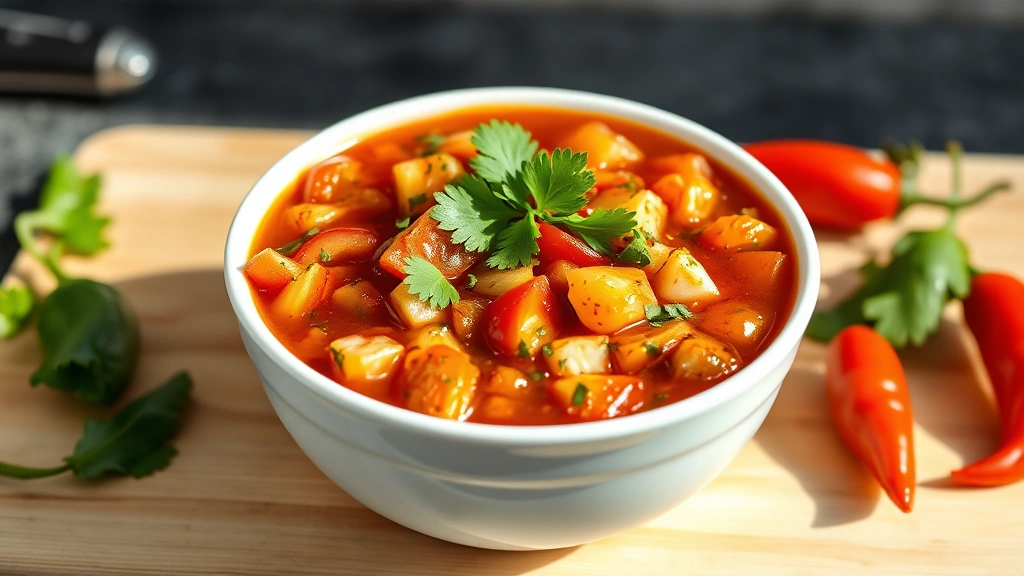
Look, if you’re tired of bland, store-bought salsa that tastes like regret in a jar, it’s time to make your own habanero salsa recipe. This isn’t complicated kitchen sorcery—it’s straightforward, honest cooking that’ll transform your taco nights and chip-dipping sessions into something genuinely memorable. I’ve made this recipe dozens of times, tweaking it based on what my garden produces and what my taste buds demand that particular week.
Table of Contents
Why Habanero Salsa Wins
Habaneros sit in this perfect sweet spot between jalapeños and ghost peppers. You get real heat—we’re talking 100,000 to 350,000 Scoville units—but it’s not the kind that makes you regret your life choices. There’s a fruity undertone to habaneros that separates them from one-note heat delivery systems. When you roast them properly, that fruitiness intensifies while the heat mellows just enough to let other flavors shine through.
This is why a homemade habanero salsa recipe outperforms anything you’ll find on a grocery shelf. You control the balance. You decide if it’s more smoky, more fresh, or more aggressive. That’s power.
Ingredients You Need
Here’s what you’re working with:
- 4-5 habanero peppers (fresh, firm, no soft spots)
- 3 medium Roma tomatoes (or 4 smaller ones)
- 1 medium white onion
- 3-4 cloves garlic
- 1/2 cup fresh cilantro (loosely packed)
- Juice of 2-3 limes (about 1/4 cup)
- 1 teaspoon sea salt (adjust to taste)
- 1/2 teaspoon cumin (optional but recommended)
- 1 tablespoon olive oil
- 1/4 teaspoon black pepper
That’s it. No mystery ingredients. No preservatives. Just real food that tastes like real food.
Prep Work Matters
Before you touch those habaneros, understand this: the capsaicin oil in hot peppers doesn’t wash off with water. It binds to your skin and mucous membranes. Wear nitrile gloves—not latex, not cloth. Nitrile. Wash your hands thoroughly afterward anyway, and for heaven’s sake, don’t touch your face or eyes.
Rinse your habaneros under cool water and pat them dry. Trim the stems off. For the tomatoes, you want ones that are ripe but still firm—overripe tomatoes will make your salsa watery. Remove the core and any hard bits. The white onion should be peeled and quartered roughly. Garlic cloves just need to be smashed slightly with the flat of your knife to loosen the papery skin.
Cilantro is where people get weird. Use fresh cilantro, not the dried stuff. Dried cilantro tastes like regret. Roughly chop it so it’s easier to blend, but don’t mince it into oblivion before it even hits the blender.
Roasting Technique
This is where amateur salsa becomes professional salsa. You’re going to roast your peppers, tomatoes, and onions. This step develops deeper flavor and mellows the raw heat just enough.
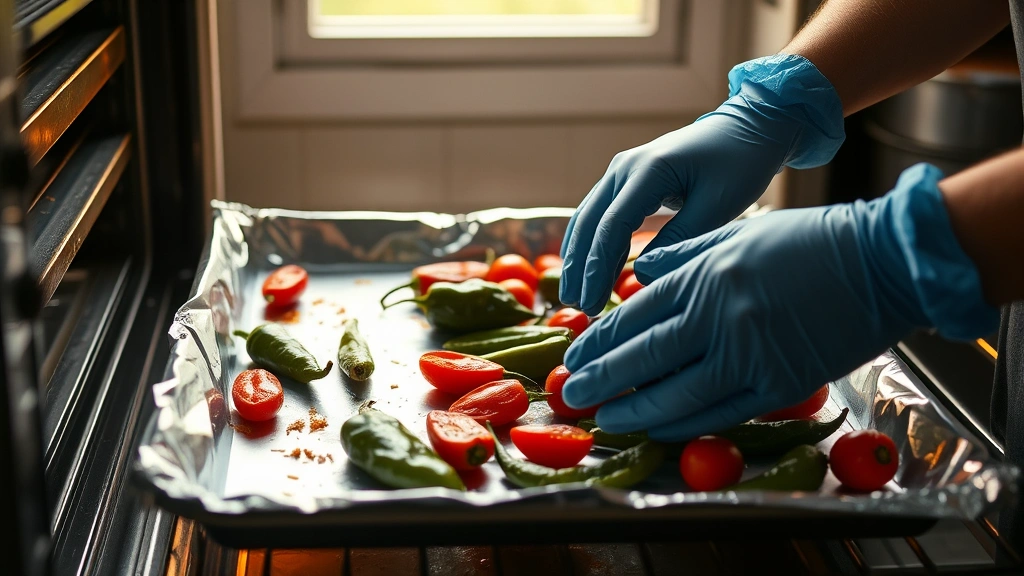
Heat your oven to 425°F. Line a baking sheet with foil—trust me on cleanup. Arrange your habaneros, tomatoes, and onion quarters on the sheet in a single layer. Drizzle lightly with that olive oil and sprinkle with salt and black pepper. Toss gently so everything’s coated.
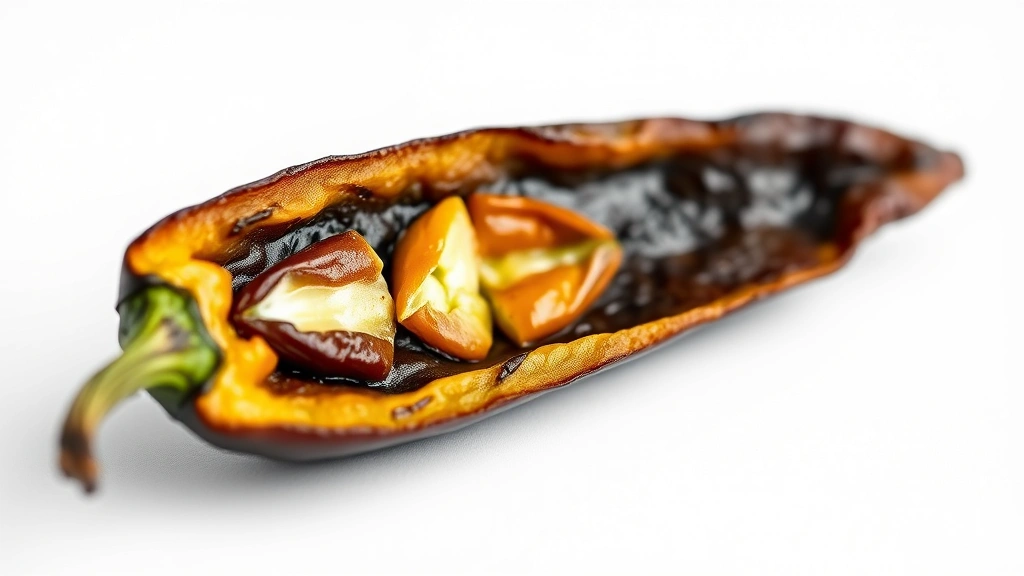
Roast for 15-20 minutes. You’re looking for charring on the edges—not complete blackening, but visible browning and slight blistering on the pepper skin. The tomatoes should be soft and starting to burst. The onion should have some color on the edges. This is the visual cue that the Maillard reaction is doing its job, building complex flavors.
Remove from the oven and let everything cool for 5 minutes. It’ll still be hot, but cool enough to handle without burning yourself.
Blending & Balance
Transfer your roasted ingredients to a blender or food processor. Add your garlic, cilantro, lime juice, and cumin. Here’s the critical part: don’t pulverize this into a smooth paste unless that’s your preference. A good habanero salsa recipe should have texture—some chunky bits, some smooth parts, a living thing rather than a uniform sludge.
Pulse the blender 8-12 times, stopping to check consistency between pulses. You’re aiming for what I call “rustic chunky.” If you go too far, you can’t undo it. If it’s not chunky enough, you can always give it another pulse.
Taste it. This is crucial. Add more salt if it needs it—start with 1/4 teaspoon and taste again. Lime juice too sharp? A pinch more salt balances it. Not enough heat? You should’ve used more habaneros, but we’ll talk about that in the heat control section.
Heat Level Control
Here’s the thing about heat in a habanero salsa recipe: it’s not just about the number of peppers. It’s about the seeds and the white membrane inside the pepper (called the placenta, though nobody calls it that at dinner parties).
Want milder salsa? Remove the seeds and membranes from your habaneros before roasting. This cuts the heat by about 60-70% while keeping that fruity habanero flavor. Want maximum heat? Keep everything and add one extra habanero.
The roasting process also mellows heat naturally. If you want something closer to raw habanero intensity, you could skip roasting and char your peppers directly over a gas flame instead, which gives you more control and less overall heat reduction.
Start conservative. You can always make it hotter next time. You can’t unmake it hot.
Storage & Longevity
Fresh habanero salsa recipe batches last about 5 days in the refrigerator in an airtight container. The flavors actually improve on day two as everything melds together. After five days, the cilantro starts to fade and the overall brightness dims.
Want it to last longer? You can freeze it in ice cube trays, then pop the cubes into freezer bags. Frozen salsa keeps for three months. Texture changes slightly—it becomes more uniform when thawed—but flavor holds strong. Perfect for when you want a tablespoon or two without committing to a full batch.
You can also can this if you’re into preservation. It requires following proper canning procedures with lime juice ratios to ensure food safety. If you’re interested in that route, check your local extension office guidelines.
Serving Suggestions
Obviously, this works with tortilla chips. But let’s expand your thinking. Spoon it over grilled fish. Mix it into cream cheese for a dip. Use it as a topping for easy Mexican street corn—the heat and the corn’s sweetness are a legitimate match made in heaven.
Pair it with 4 ingredient guacamole for a side-by-side tasting experience. The cooling effect of avocado against the heat of habanero is chef’s kiss. You can also use this salsa as a component in other dishes—stir it into caldo de pollo for added depth, or drizzle it over grilled chicken.
Want something unexpected? Try it with buffalo sauce on wings. The fruity habanero notes actually complement the vinegar-based heat in a way that surprises people. Or mix it with Chick-fil-A sauce for a fusion dipping situation.
Troubleshooting Fixes
Too watery? You used overripe tomatoes or didn’t roast them long enough. Next time, roast for the full 20 minutes and choose firmer tomatoes. If this batch is already made, strain it through a fine mesh sieve for 30 minutes to remove excess liquid.
Too thick? Add lime juice one tablespoon at a time until you reach desired consistency. Lime juice adds flavor while thinning, so it’s better than adding water.
Tastes flat? Salt. It’s almost always salt. Add 1/4 teaspoon at a time and taste. Salt doesn’t make things taste salty—it makes them taste like themselves.
Heat disappeared? The roasting process mellows heat over time. If you made this yesterday and it’s milder today, that’s normal. Make a fresh batch if you want maximum heat, or accept that habanero salsa mellows slightly as it sits.
Cilantro tastes like soap? That’s a genetic thing—some people have a gene that makes cilantro taste soapy. Use parsley instead, or just skip the fresh herb entirely. Your salsa will still be excellent.
Frequently Asked Questions
Can I use canned habaneros?
You can, but you shouldn’t. Canned peppers are already cooked and their flavor is flattened. The whole point of a habanero salsa recipe is capturing that fresh, roasted, fruity quality. Fresh habaneros are available year-round in most grocery stores now. Use them.
What’s the difference between habanero and jalapeño salsa?
Heat level, primarily. Jalapeños run 2,500-8,000 Scoville units; habaneros are 100,000-350,000. That’s a massive difference. Habaneros also have a fruity, almost tropical note that jalapeños lack. If you want milder, use jalapeños, but you’re making a different salsa entirely.
How long does it take from start to finish?
About 45 minutes if you’re moving at a normal pace. Fifteen minutes of prep, 20 minutes roasting, 10 minutes blending and adjusting. That’s real-world time, not recipe-card time.
Can I make this without a blender?
Technically yes, but it’s brutal. You could finely dice everything by hand, but you’d spend 30 minutes with a knife and lose the roasted pepper skins in the process. A food processor works almost as well as a blender. Don’t skip the blending equipment.
Is habanero salsa spicy enough for hot sauce?
It’s salsa, not hot sauce. Salsa is chunky and vegetable-forward; hot sauce is thin and heat-forward. This recipe makes salsa. If you want hot sauce, you’d need to reduce it on the stove, strain it, and adjust the ratios entirely. Different project.
What if I can’t find fresh habaneros?
Check your local Mexican market or specialty grocery store. If truly nothing’s available, order them online—they ship well. Frozen habaneros work in a pinch, but fresh is always better. Don’t settle for inferior ingredients and then blame the recipe.


