
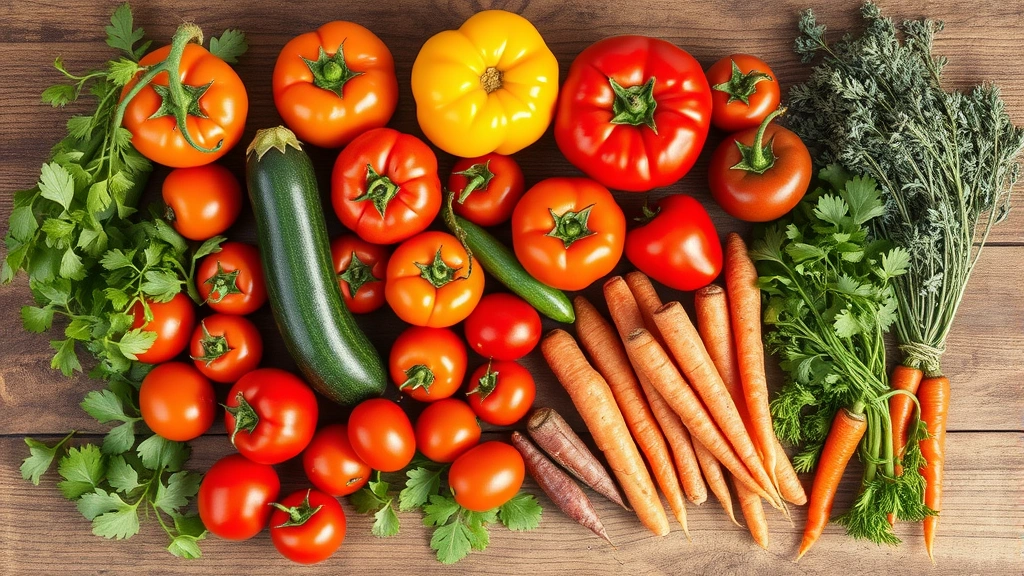
A grow a garden recipe list is your roadmap to transforming homegrown vegetables into delicious meals that taste like they came straight from a restaurant kitchen. Whether you’re harvesting tomatoes, peppers, zucchini, or leafy greens, having a curated collection of recipes specifically designed for garden produce takes the guesswork out of meal planning and helps you make the most of every harvest.
Table of Contents
Planning Your Garden Recipe Strategy
Before you plant a single seed, think about the recipes you actually want to cook. This is where most gardeners stumble—they grow what looks pretty in the catalog, then scramble to use it. Instead, start backwards. What meals do you love? What ingredients do those meals need? That’s your grow a garden recipe list foundation.
I’ve learned the hard way that growing six zucchini plants when you only have two zucchini bread recipes isn’t smart planning. Map out your favorite meals first. Are you into Italian cooking? Focus on tomatoes, basil, and garlic. Love Asian cuisine? Grow ginger, cilantro, and hot peppers. This approach turns your garden into a practical ingredient factory instead of a beautiful but chaotic experiment.
Create a simple spreadsheet listing your top 20 favorite recipes and their key ingredients. Then cross-reference which vegetables and herbs you can grow in your climate zone. This becomes your master grow a garden recipe list—the document that guides everything from seed selection to harvest timing.
Spring Vegetables & Easy Recipes
Spring greens are where most gardeners find their rhythm. Lettuce, spinach, arugula, and kale grow quickly and work in dozens of applications. The beauty of spring vegetables is that they often taste best with minimal cooking—fresh salads, light sautés, and quick stir-fries showcase their delicate flavors.
Peas are another spring superstar. Fresh peas from the garden taste nothing like frozen grocery store versions. Steam them for two minutes with a bit of butter and salt, and you’ve got a side dish that’ll make you question why you ever buy vegetables. Fresh pea soup is ridiculously easy: blend cooked peas with vegetable broth, cream, and fresh mint from your herb section.
Spring onions and radishes add crunch and bite to salads and grain bowls. A simple vinaigrette with thinly sliced radishes and spring onions can elevate basic greens into something memorable. Keep these quick-growing crops rotating through your beds every three weeks for continuous harvests.
Summer Harvest Dishes
Summer is when your garden explodes. Tomatoes, peppers, cucumbers, and zucchini all demand attention simultaneously. This is when your grow a garden recipe list becomes essential for actually using everything before it spoils.
Tomatoes are the gateway drug for gardeners. A simple Caprese salad with fresh mozzarella, basil, and tomatoes needs nothing else. Tomato sauce from fresh fruit is incomparable to anything canned—cook down your harvest with garlic, olive oil, and herbs for a sauce that freezes beautifully. Fresh salsa using your tomatoes, peppers, and onions works year-round. Check out our canning salsa recipe for preservation methods.
Zucchini is the vegetable that keeps giving. Grilled zucchini with garlic and lemon is summer on a plate. Zucchini bread uses up abundance quickly. Spiralized zucchini noodles make a light pasta substitute. Shredded zucchini goes into fritters, pancakes, and baked goods.
Peppers—both sweet and hot—dry well, freeze well, and roast beautifully. Roasted peppers with garlic become a staple condiment. Hot peppers get turned into hot sauce or dried for winter cooking.
Preserving Your Garden Bounty
The difference between a gardener who wastes half their harvest and one who eats garden vegetables year-round is preservation knowledge. Canning, freezing, and drying extend your grow a garden recipe list from seasonal to year-round.
Freezing is the easiest preservation method. Blanch green beans for three minutes, shock them in ice water, dry completely, then freeze. They’ll last eight months. Our canned green beans recipe offers another preservation option. Tomato sauce freezes perfectly in ice cube trays for individual portions. Chopped peppers, onions, and herbs freeze in portions ready for cooking.
Canning requires more equipment and knowledge, but it’s incredibly satisfying. Salsa, tomato sauce, pickles, and jams all come from garden harvests. Start with high-acid foods like tomatoes and pickles—they’re more forgiving than low-acid vegetables.
Drying works beautifully for herbs, peppers, and tomatoes. Herbs hung in bundles dry naturally. Peppers and tomatoes can be oven-dried at low temperatures. Dried herbs and vegetables concentrate flavors and store for months in airtight containers.
Root Vegetables Cooking Methods
Root vegetables are the reliable workhorses of a productive garden. Carrots, beets, potatoes, and turnips store well and work in countless dishes. Understanding how to cook them properly elevates simple vegetables into something special.
Roasting brings out natural sweetness. Toss carrot sticks with olive oil, salt, and herbs, then roast at 425°F until caramelized. Our candied carrots recipe offers a sweeter preparation. Baby potatoes roasted with rosemary and garlic become a side dish that steals the show. Try our baby red potato recipes for more ideas.
Roasted beets work in salads, grain bowls, and even desserts. Their earthy sweetness pairs with goat cheese, walnuts, and vinaigrettes. Turnips roasted until crispy rival French fries in taste and texture.
Root vegetables also shine in soups, stews, and braises. Slow cooking breaks down tough fibers and develops deep flavors. A simple vegetable soup using whatever roots you have on hand plus broth and herbs becomes comfort food.
Herb Garden Uses & Flavor Boosters
Herbs are the secret weapon in any grow a garden recipe list. Fresh herbs transform basic dishes into something memorable. A handful of fresh basil changes everything about pasta. Fresh cilantro makes tacos sing. Dill elevates simple roasted vegetables.
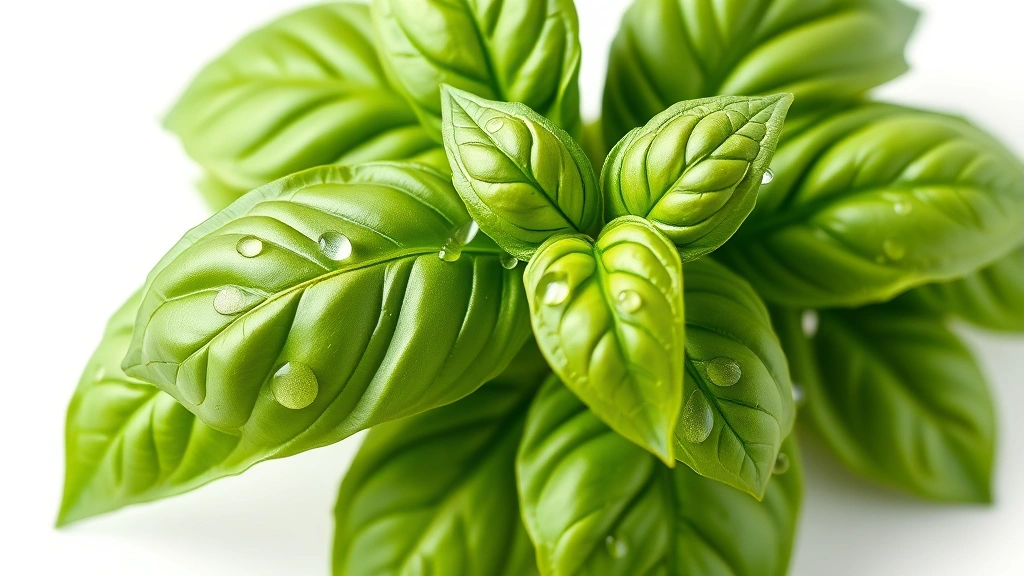
Basil grows aggressively and needs constant harvesting. Make pesto, add to salads, top pizzas, or pair with tomatoes. Our how to use a pizza stone guide pairs perfectly with fresh basil-topped pizzas using garden tomatoes.
Mint grows even more aggressively—keep it contained or it’ll take over your garden. Fresh mint works in drinks, salads, desserts, and savory dishes. Lavender offers unique flavor and beauty. Learn more about lavender how to for growing and using this special herb.
Rosemary, thyme, oregano, and sage are perennial herbs that return year after year. Dry them for winter cooking or use fresh for summer dishes. Parsley, cilantro, and dill are annuals that need replanting but grow quickly and prolifically.
Meal Prep Strategies for Gardeners
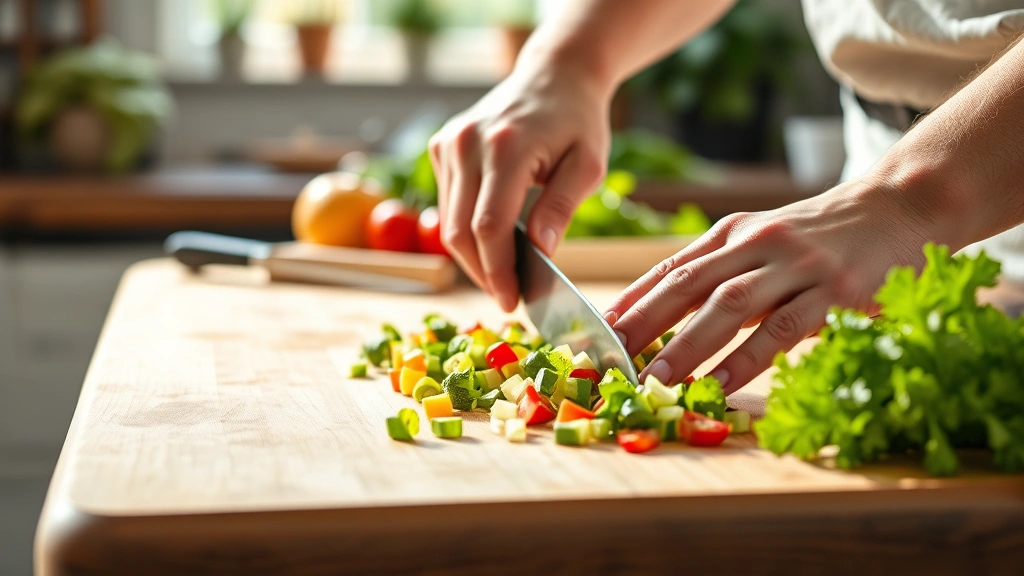
Sunday meal prep becomes dramatically easier when you’re working with fresh garden vegetables. Wash and chop vegetables while they’re at peak freshness, then store in airtight containers. Pre-prepped vegetables get used instead of wilting in the crisper drawer.
Roast a big batch of mixed vegetables—whatever came in that day’s harvest—and portion them into containers. These roasted vegetables work as sides, salad toppings, grain bowl bases, or pizza additions throughout the week.
Make a big pot of vegetable soup or stew using whatever needs harvesting. Freeze portions for quick meals later. This is the ultimate grow a garden recipe list hack—one cooking session handles multiple meals.
Blanch and freeze vegetables at peak ripeness. This takes 30 minutes but preserves your harvest at maximum nutrition and flavor. Label everything with the date and vegetable type.
Seasonal Recipe Rotation Guide
Your grow a garden recipe list should shift with seasons. Spring calls for light, fresh preparations. Summer demands ways to use abundance quickly. Fall brings heartier root vegetable dishes. Winter relies on preserved harvests.
Spring: Focus on salads, light sautés, fresh soups, and quick-cooking greens. Recipes should highlight delicate flavors without heavy cooking.
Summer: Emphasize grilling, fresh salsas, salads, and preservation techniques. Plan recipes that handle large quantities because everything ripens simultaneously.
Fall: Transition to roasting, stewing, and hearty soups. Root vegetables and storage crops become primary ingredients. Preservation shifts to canning and drying.
Winter: Rely on frozen and preserved vegetables. Soups, stews, and braises shine. Root vegetables stored in cool conditions provide fresh ingredients throughout winter.
Frequently Asked Questions
What’s the easiest grow a garden recipe list to start with?
Start simple: tomatoes, basil, zucchini, and peppers. These are forgiving to grow and work in dozens of simple recipes. Add recipes you already know you love rather than experimenting with unfamiliar cuisines.
How do I plan my garden around recipes?
List your favorite meals, identify key ingredients, check what grows in your zone, then plant accordingly. This backwards approach ensures you grow what you’ll actually use instead of guessing.
Can I preserve garden vegetables without canning equipment?
Absolutely. Freezing is the easiest method requiring only freezer bags or containers. Drying works for herbs and peppers. Fermentation requires only a jar and salt brine.
What vegetables are most versatile for a recipe list?
Tomatoes, peppers, onions, zucchini, and leafy greens work in countless recipes. Herbs add flavor to almost everything. Root vegetables provide year-round cooking options.
How much should I plant for a family of four?
Plan for succession planting—smaller sowings every two weeks rather than one massive planting. This provides continuous harvests without overwhelming gluts. Most families need 4-6 tomato plants, 2-3 zucchini, and continuous lettuce sowings.
Final Thoughts
Building a solid grow a garden recipe list transforms gardening from a hobby into a practical food production system. You’re not just growing vegetables—you’re growing ingredients for meals you actually want to eat. Start with recipes you love, plant the vegetables they need, then expand from there.
The magic happens when you stop viewing garden vegetables as something you need to use up and start viewing them as ingredients that make cooking easier and more delicious. Fresh tomatoes don’t need complicated recipes—they need respect and minimal interference. Same with most garden vegetables.
Keep your grow a garden recipe list somewhere accessible. Jot down what worked, what didn’t, and what you’d do differently next season. Over time, you’ll develop a personalized system that works perfectly for your climate, taste preferences, and cooking style. That’s when gardening stops being work and becomes pure pleasure.


