

A grouper recipe is your ticket to restaurant-quality fish that’ll make your dinner guests think you’ve been secretly attending culinary school. This mild, flaky white fish is incredibly forgiving to cook with, which means you can nail it every time without fussing over complicated techniques or rare ingredients.
Whether you’re a seasoned home cook or just tired of the same old chicken routine, grouper delivers that perfect balance of delicate flavor and satisfying texture. I’m going to walk you through five straightforward steps that’ll have you serving up perfectly cooked grouper that’s crispy on the outside and buttery-tender inside.
Table of Contents
Why Grouper Works Best
Grouper has become my go-to fish for weeknight dinners and weekend entertaining, and once you understand why, you’ll see why it’s such a smart choice. The meat is naturally lean but stays incredibly moist when cooked properly—it doesn’t dry out like some delicate fish can. The flavor is mild and slightly sweet, which means it pairs beautifully with bold seasonings or lets delicate flavors shine through.
Unlike salmon or mackerel, grouper doesn’t have that strong fishy taste that turns people off. Kids love it, fish skeptics respect it, and experienced cooks appreciate how it accepts different cooking styles without complaint. The flesh is firm enough to hold up to various cooking methods, whether you’re pan-searing, baking, grilling, or poaching.
Selecting and Prepping Your Fish
Start by picking quality grouper from your fishmonger. Look for flesh that’s firm and springs back when you gently press it—mushy or soft grouper means it’s been sitting around too long. The smell should be clean and oceanic, not fishy or ammonia-like. Ask your fishmonger to remove the skin if you prefer, or keep it on for extra flavor and texture.
Pat your grouper fillets completely dry with paper towels—this step is non-negotiable if you want crispy skin or proper browning. Moisture is the enemy of a good crust. If your fillets are thicker than an inch, consider gently pounding them to even thickness so they cook uniformly. Place them on a cutting board, cover with plastic wrap, and use the flat side of a meat mallet to gently tap them down.
Let your fish sit at room temperature for about 15 minutes before cooking. Cold fish straight from the fridge won’t cook evenly, and you’ll end up with overcooked edges and an undercooked center. This small step makes a surprising difference in the final result.
Seasoning Matters More Than You Think
Here’s where most home cooks mess up their grouper recipe: they under-season it. Because grouper has a mild flavor, it needs proper seasoning to shine. Salt and pepper are your foundation—use kosher salt and freshly ground black pepper right before cooking, not hours ahead. The salt will start breaking down the proteins if it sits too long.
Beyond the basics, consider what direction you want to take. A simple approach uses lemon zest, dried oregano, and garlic powder. For something bolder, try smoked paprika, cumin, and a touch of cayenne. If you’re making chilli oil recipe components, a drizzle of that over your cooked grouper adds serious depth. Mediterranean-style? Fresh herbs like dill, parsley, and tarragon work beautifully.
Don’t forget acid—whether it’s lemon juice, lime juice, or white wine—acid brightens the fish and makes all the other flavors pop. Apply seasonings to both sides of the fillet and let them sit for just a few minutes before cooking so they can adhere properly.
Five Easy Cooking Methods
The beauty of a good grouper recipe is flexibility. You can cook it five different ways and get excellent results each time. The method you choose depends on your mood, what equipment you have available, and what sides you’re planning. Each technique takes about 12-15 minutes from start to finish, so none of them demand serious time commitment.
The key across all methods is avoiding overcooking. Grouper is done when it flakes easily with a fork and has turned opaque white throughout. If you have a meat thermometer, aim for 145°F at the thickest part. It’ll continue cooking slightly after you remove it from heat, so pull it off the heat when it hits 140°F for that perfect tender bite.

Pan-Searing for Crispy Skin
This is the method I use most often because it delivers restaurant-quality results in your home kitchen. Heat a skillet over medium-high heat—cast iron or stainless steel work equally well. Add a tablespoon of oil with a high smoke point like avocado oil or clarified butter. Once it shimmers, place your dried, seasoned grouper skin-side down in the pan.
Don’t touch it. Seriously, resist the urge to move it around. Let it sit for 4-5 minutes until the skin is golden and crispy. Flip it gently, reduce heat to medium, and cook for another 3-4 minutes until the flesh is opaque. The residual heat in the pan will finish cooking the fish perfectly. This method gives you that coveted crispy exterior with a tender, moist interior.
If you’re making a sauce or glaze, this is where it shines. After flipping, you can add garlic, lemon slices, and butter to the pan. Tilt the pan and baste the fish with this foaming butter for the last couple minutes of cooking. It’s simple, elegant, and tastes like you spent hours in the kitchen.
Baking for Foolproof Results
Baking is your friend when you need to cook multiple fillets or want a completely hands-off approach. Preheat your oven to 400°F and line a baking sheet with parchment paper. Arrange your seasoned grouper fillets on the sheet, skin-side up, and bake for 12-15 minutes depending on thickness. That’s it—no flipping, no fussing, no stress.
For added flavor, create a simple topping: mix softened butter with minced garlic, fresh herbs, and lemon zest. Spread this mixture over your fillets before baking. The butter will melt and infuse the fish with incredible flavor. Alternatively, top with breadcrumbs mixed with parmesan and herbs for a crispy crust similar to how long to bake tilapia preparations.
Baking works beautifully when you’re cooking for a crowd or meal prepping. The fish stays moist, cooks evenly, and you can prep everything ahead of time. Pop it in the oven when you’re ready to eat, and in 15 minutes, dinner’s on the table.
Finishing Touches and Sides
The best grouper recipe isn’t just about the fish—it’s about what you serve alongside it. A squeeze of fresh lemon juice right before eating brightens everything. A drizzle of quality olive oil adds richness. Fresh herbs scattered over the top—think parsley, dill, or chives—add color and freshness that elevates the whole plate.
For sides, keep things simple. Roasted vegetables like asparagus, green beans, or zucchini complement grouper beautifully. A light rice pilaf or quinoa works well if you want something more substantial. Creamy sides like mashed potatoes or risotto pair nicely with pan-seared grouper. If you’re going lighter, a fresh salad with vinaigrette is perfect.
Consider making a quick pan sauce if you pan-seared your fish. After removing the grouper, add minced shallots to the pan, deglaze with white wine or lemon juice, and finish with a pat of butter. This takes three minutes and transforms your simple fish into something special. You could also create a bruschetta recipes with mozzarella starter to round out your meal.
Storage and Leftovers
Cooked grouper keeps in the refrigerator for up to three days in an airtight container. The texture will firm up slightly as it cools, which actually makes it great for flaking into salads or grain bowls the next day. Cold grouper on a bed of greens with a vinaigrette is honestly delicious and makes for an easy lunch.
You can also reheat leftover grouper gently in a 275°F oven for about 10 minutes until warmed through, or flake it and incorporate it into other dishes. Try mixing it into a creamy pasta, adding it to fish tacos, or combining it with rice and vegetables for a bowl situation similar to big mac bowl recipe concepts.
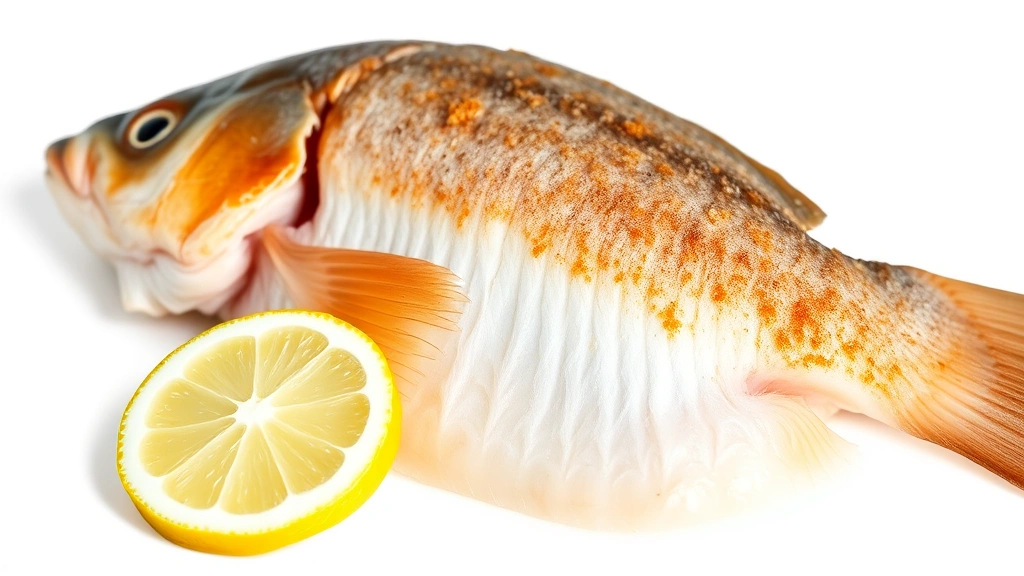
Raw grouper freezes well for up to three months if you wrap it tightly in plastic wrap and then foil. Thaw it overnight in the refrigerator before cooking. Cooked grouper doesn’t freeze as successfully—the texture degrades—so eat it fresh or refrigerate for a few days.
Frequently Asked Questions
How do I know when grouper is fully cooked?
Grouper is done when the flesh is opaque white throughout and flakes easily with a fork. If you use a meat thermometer, aim for 145°F at the thickest part. The fish will continue cooking slightly after you remove it from heat, so pulling it at 140°F ensures it won’t dry out.
Can I use frozen grouper for this recipe?
Absolutely. Thaw frozen grouper overnight in the refrigerator before cooking. Pat it dry thoroughly before seasoning and cooking, as thawed fish releases more moisture. The cooking time remains the same.
What’s the difference between grouper and similar white fish?
Grouper is firmer and slightly sweeter than cod or haddock. It’s less delicate than flounder and has more flavor than tilapia. If you can’t find grouper, snapper or halibut are good substitutes. Check out how long to bake tilapia for timing on similar fish.
Should I remove the skin before cooking?
That’s entirely up to you. Skin-on fillets develop a crispy exterior when pan-seared and add flavor. Skinless fillets cook slightly faster and are easier to eat. If you like crispy skin, keep it on. If you prefer simplicity, ask your fishmonger to remove it.
Can I grill grouper?
Yes, grouper is excellent on the grill. Oil your grill grates well and heat to medium-high. Cook skin-side down for 4-5 minutes, then flip and cook for another 3-4 minutes. Use a fish basket or grill mat if you’re nervous about sticking.
What wine pairs with grouper?
Crisp white wines like Sauvignon Blanc, Pinot Grigio, or Albariño pair beautifully with grouper. If you prefer red, a light Pinot Noir works. The wine should be bright and refreshing to complement the delicate fish.
Can I make a grouper recipe ahead of time?
You can prep everything ahead—season your fish, prep your vegetables, make your sauce—but cook the grouper close to serving time. Fish is best eaten fresh and hot. If you must cook ahead, reheat gently in a 275°F oven.
Final Thoughts on Grouper
Mastering a solid grouper recipe is one of those kitchen skills that pays dividends forever. Once you understand how this fish behaves and what it needs to shine, you’ll find yourself cooking it regularly. It’s elegant enough for dinner guests, simple enough for weeknight meals, and forgiving enough that you’ll nail it every single time.
The five steps I’ve outlined—selecting quality fish, prepping it properly, seasoning boldly, choosing your cooking method, and finishing with care—work across every technique. Whether you pan-sear, bake, grill, or poach, these fundamentals remain constant. Start with one method, master it, then experiment with the others.
Your grouper recipe doesn’t need to be complicated to be delicious. Sometimes the simplest preparations—quality fish, good seasoning, proper technique, and fresh lemon—are the ones that taste best. Give it a try this week, and I guarantee you’ll be adding grouper to your regular rotation.


