
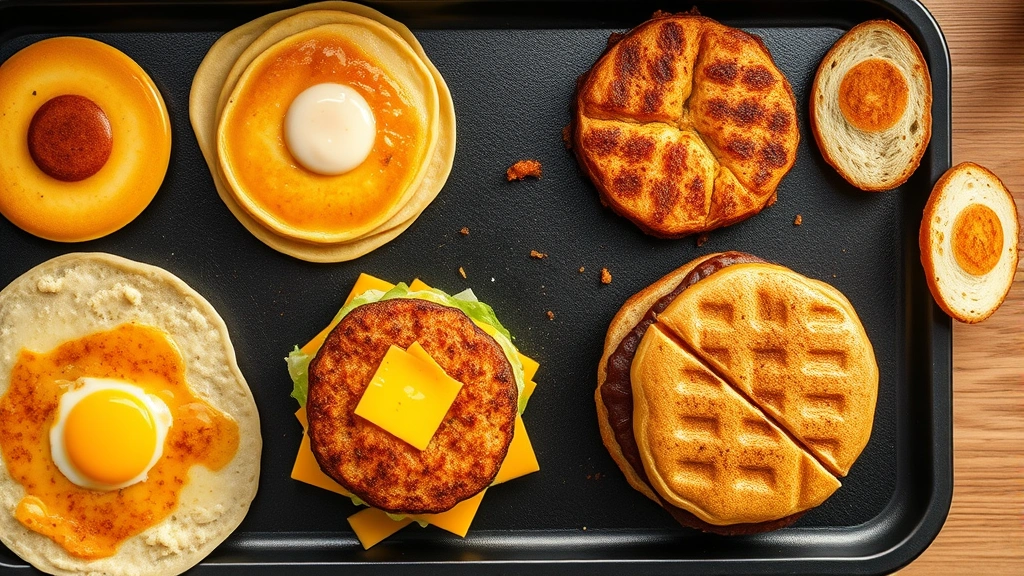
Learning griddle recipes is one of the best kitchen skills you can develop, whether you’re cooking breakfast for a crowd or preparing dinner on a flat-top surface. A griddle—whether it’s cast iron, stainless steel, or built into your stovetop—gives you a massive cooking surface that lets you handle multiple items at once without the fuss of juggling pans. The beauty of griddle cooking is that it’s forgiving, fast, and incredibly versatile. You can sear, sauté, toast, and even bake on one surface. Once you nail these 10 essential griddle recipes, you’ll wonder how you ever cooked without one.
Table of Contents
Pancakes and Waffles
Let’s start with the foundation of griddle mastery: pancakes. This is where most home cooks begin, and for good reason. A griddle gives you even heat distribution that a regular skillet can’t match. Heat your griddle to 375°F (medium-high), and you’ll see consistent browning across every pancake. The key is patience—don’t flip until bubbles form on the surface and the edges look set. That usually takes 2-3 minutes. Flip once, cook another minute, and you’re done. Pro tip: let your batter rest for 5 minutes before cooking. This lets the leavening agents activate, giving you fluffier results. Pair your pancakes with a blueberry syrup recipe for a restaurant-quality breakfast at home.
Classic Breakfast Hash
Breakfast hash is where griddle cooking really shines. You’re working with diced potatoes, onions, bell peppers, and whatever protein you’ve got—bacon, sausage, or ham. The griddle’s flat surface means everything makes contact with heat, creating crispy edges all around. Start with your potatoes and onions, let them caramelize for 8-10 minutes, then add peppers and protein. The beauty of this dish is that you can prepare components separately on different zones of the griddle. One side can be hotter for searing meat while another zone gently softens vegetables. Season as you go, and don’t stir constantly—let things sit and develop color. Finish with a fried egg on top if you want the full breakfast experience.
Griddled Cheese Sandwiches
This seems simple, but there’s a technique that separates mediocre from magnificent. Butter your bread generously—this is not the time to skimp. Place your sandwich on a medium heat griddle (around 350°F) and let it sit for 3-4 minutes without moving it. You want a golden crust developing. Flip carefully, add your cheese to the hot bread side (it’ll melt faster), and cook another 2-3 minutes. The griddle’s even heat prevents the outside from burning while the inside stays cold—a common problem with skillet cooking. If you want to get fancy, add sliced tomatoes or butter beans inside for extra texture and nutrition.
Smash Burgers Done Right
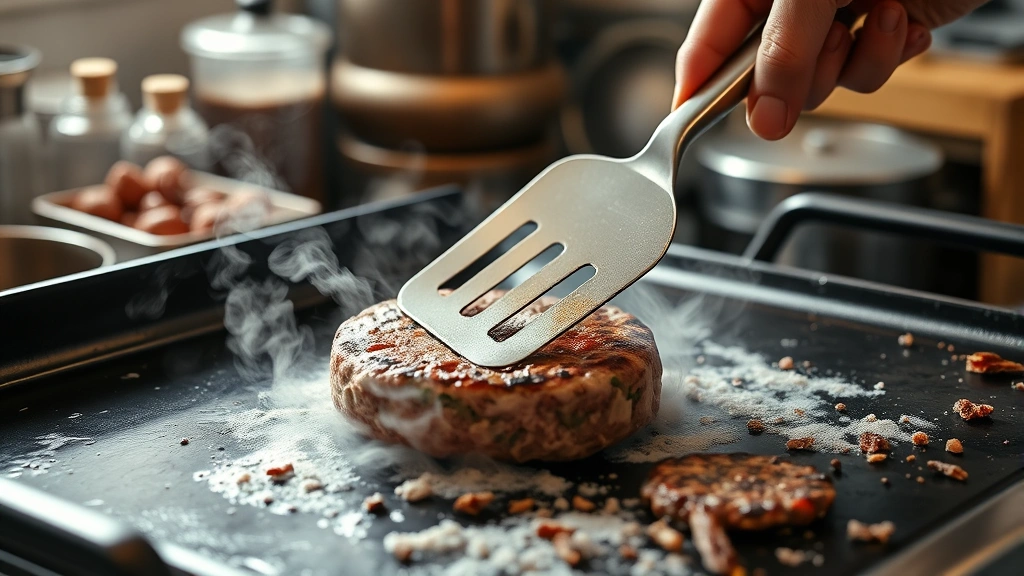
Smash burgers are the griddle’s signature move. Start with loosely formed beef balls (don’t overwork the meat), place them on a preheated griddle at high heat, and immediately smash them flat with a spatula. You’re creating maximum surface area for the Maillard reaction—that delicious crust. Don’t move them for 2-3 minutes. Flip once, add cheese if using, and cook another minute. The griddle’s large surface means you can cook 4-6 burgers simultaneously without crowding. Season generously with salt and pepper only—let the beef flavor shine. The thin patties cook through before the edges burn, giving you a perfect burger every time. Toast your buns on the griddle too for the full experience.
Chicken Breast Technique
Cooking chicken breasts without drying them out is a challenge, but the griddle handles it beautifully. Pound your breasts to even thickness (about ½ inch), pat them dry, and season well. Heat your griddle to 400°F, add a light oil coating, and sear the chicken for 4-5 minutes per side. The key is not moving them while they cook—let the heat do the work. The griddle’s even temperature means no hot spots that burn one side while leaving another raw. For thicker breasts, you can reduce heat to medium and cook longer, or finish in a 375°F oven for 5 minutes. The result is moist, evenly cooked chicken that stays tender. Serve alongside jasmine rice recipes for a complete meal.
Vegetable Medley Mastery
Griddles excel at vegetable cooking because you can control different zones. Cut your vegetables into similar-sized pieces—zucchini rounds, bell pepper strips, asparagus spears, mushroom caps. The griddle’s flat surface gives you direct, even contact with heat on both sides. Start with harder vegetables (carrots, broccoli) and add softer ones (zucchini, tomatoes) later so everything finishes together. Use medium-high heat and let vegetables develop color before stirring. This caramelization adds depth that steaming or boiling never achieves. A light brush of oil and salt is all you need. The griddle’s size means you can prep a week’s worth of roasted vegetables in one session.
Griddle Fajitas
This is where griddle cooking becomes theatrical and functional. Slice your chicken or beef thin, and cut bell peppers and onions into strips. Heat your griddle to high (450°F+), add oil, and sear your protein first. Move it to the side, add vegetables to the hot center, and let everything develop color. The griddle’s size means you can keep everything moving without crowding. The high heat creates that sizzle and char that makes fajitas special. Keep your ingredients in motion for 5-7 minutes total, season generously, and serve immediately with warm tortillas. The griddle’s surface area means you can cook enough fajitas for 6-8 people in one batch. Serve with agua fresca recipe for an authentic touch.
French Toast Perfection
French toast on a griddle is superior to skillet cooking because you get consistent browning on both sides without flipping multiple times. Whisk eggs, milk, cinnamon, and vanilla together. Soak your bread slices (day-old bread works best), and place them on a 375°F griddle. Cook 3-4 minutes per side until golden brown. The griddle’s even heat means no pale spots or burnt edges. You can cook 4-6 slices simultaneously, making breakfast for a family quick and easy. The flat surface also prevents the bread from sliding around like it does in a curved skillet. Top with fresh fruit or a drizzle of blueberry syrup for the complete experience.
Griddle Steak Secrets
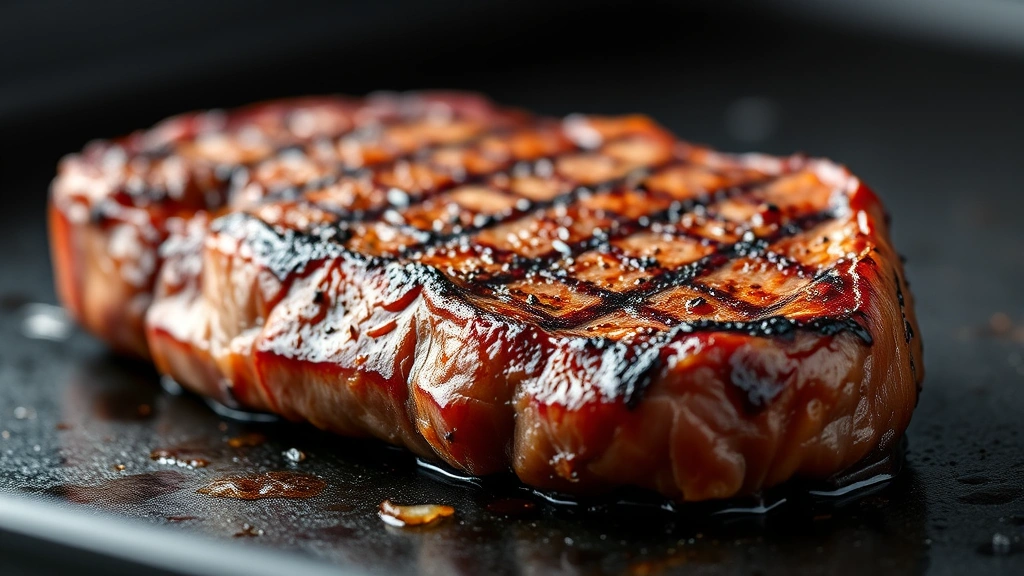
High-quality steaks deserve griddle treatment. Bring your steak to room temperature, pat it completely dry, and season generously 40 minutes before cooking. Heat your griddle to smoking hot (500°F+), add minimal oil, and sear your steak for 3-4 minutes per side for medium-rare. Don’t move it—let the crust develop undisturbed. The griddle’s flat surface creates even contact, meaning consistent crust development across the entire steak. For thicker cuts (1.5 inches+), sear hard on both sides, then reduce heat to medium and cook another 3-4 minutes. Rest the steak for 5 minutes after cooking—this redistributes juices and keeps the meat tender. A griddle gives you restaurant-quality steaks at home.
Maintenance and Care
Your griddle is only as good as its upkeep. After each use, scrape the surface while it’s still warm using a griddle scraper or stiff spatula. Wipe with a damp cloth, then dry immediately with paper towels. For cast iron, season regularly with a light oil coating while warm. For stainless steel, use appropriate cleaner and dry thoroughly. Never use soap on cast iron—it strips the seasoning. Store your griddle in a dry place. If you notice rust spots on cast iron, scrub with steel wool and re-season. A well-maintained griddle lasts decades and improves with age. Think of it like a tool in your workshop—proper care means better performance and longer life.
Frequently Asked Questions
What temperature should I use for griddle cooking?
Most griddle recipes work best between 350°F and 400°F for general cooking. Pancakes and delicate items prefer 375°F, while burgers and steaks need 425°F+. Always preheat your griddle for 5-10 minutes before cooking to ensure even heat distribution.
Can I use a regular skillet instead of a griddle?
A skillet works for small batches, but you lose the griddle’s main advantage: surface area. You can only cook 1-2 items at once in a skillet, while a griddle handles 4-6 items simultaneously. The flat surface also provides better contact for searing and browning.
How do I prevent food from sticking?
Proper seasoning (for cast iron) and adequate oil are key. Heat your griddle fully before adding food, and don’t move items excessively while cooking. Let proteins develop a crust—they’ll release naturally when ready to flip. A light brush of oil goes a long way.
Is cast iron or stainless steel better for griddle recipes?
Cast iron retains heat better and develops seasoning over time, making it ideal for searing. Stainless steel heats more evenly and is easier to clean. Choose based on your cooking style and maintenance preference. Both work for all the recipes mentioned here.
Can I cook desserts on a griddle?
Absolutely. Pancakes, French toast, and even simple cookies work great. You can also make griddled fruit with cinnamon and sugar, or use it to toast nuts and seeds. The flat surface gives you control that traditional ovens don’t provide for certain items.


