
Green beans recipes are the secret weapon for weeknight dinners when you want something fast, nutritious, and actually tasty. Whether you’re a kitchen novice or someone who just wants to stop serving the same boring steamed veggies, I’ve got you covered with 10 straightforward methods that’ll make your green beans the star of the plate instead of the afterthought.
Table of Contents
Classic Sautéed Green Beans
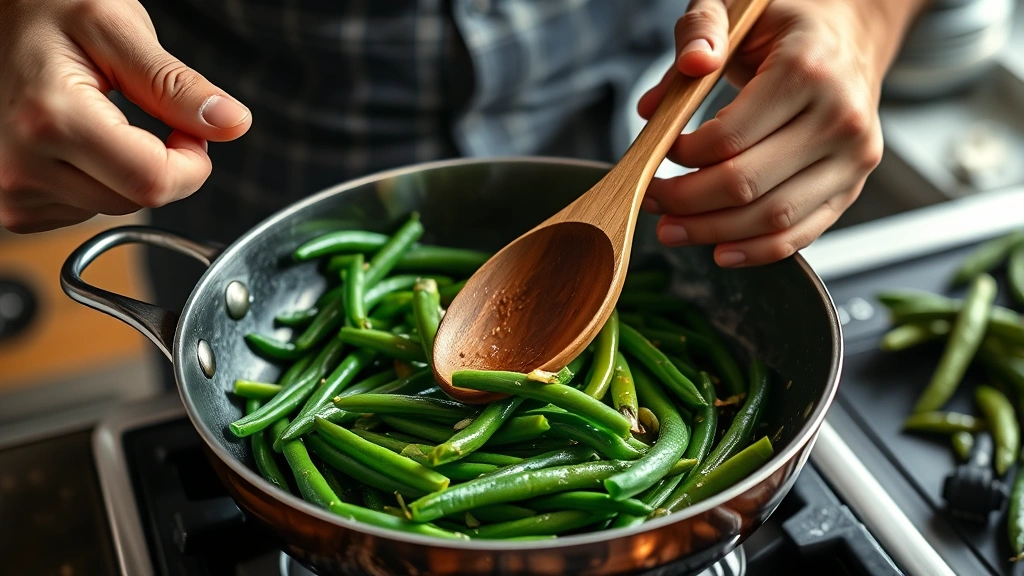
This is the foundation of green beans recipes that actually work. Heat a skillet over medium-high heat, add a couple tablespoons of olive oil, and toss in your trimmed green beans. You’re looking for a good sizzle—don’t be shy about the heat. Shake the pan every minute or so for about 5-7 minutes until the beans get some color and a slight char on the edges. Season with salt and pepper, maybe a squeeze of lemon juice, and you’ve got something that tastes way better than anything you’ve been serving from a can.
The key here is not crowding the pan. If you dump too many beans in at once, they’ll steam instead of sauté. Work in batches if needed. You want that direct contact with the hot pan surface so they develop a little caramelization. It’s a small thing that makes a huge difference in flavor.
Garlic Butter Method
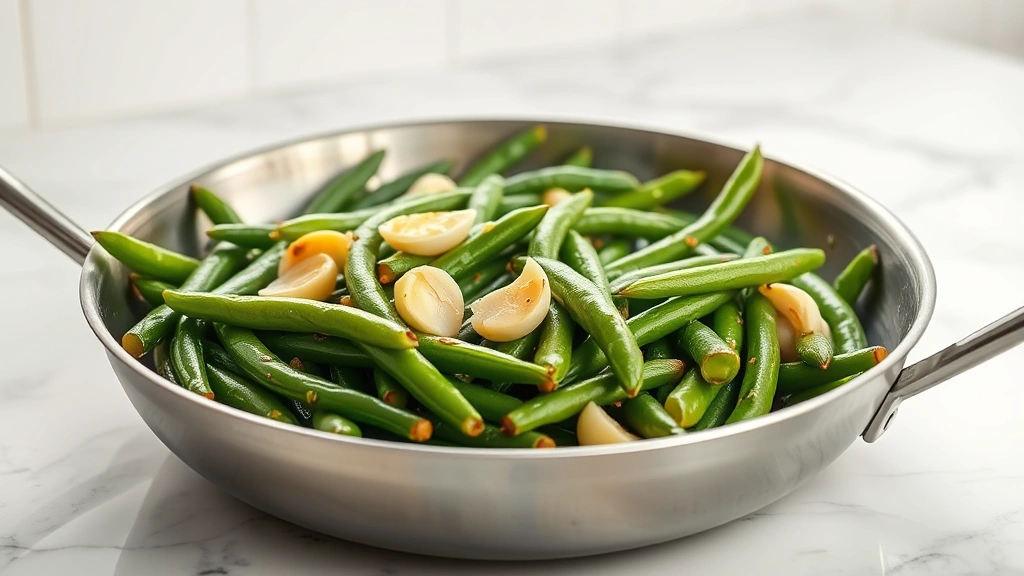
Once you master basic sautéing, level up with garlic butter. This is where green beans recipes get genuinely restaurant-quality without any extra effort. Melt 3-4 tablespoons of butter in your skillet, add 4-5 minced garlic cloves, and let them get fragrant for about 30 seconds. Don’t let the garlic burn—that’s the only real mistake you can make here.
Toss in your green beans and cook for 6-8 minutes, stirring occasionally. The butter coats everything beautifully, and the garlic infuses the whole batch. Finish with a pinch of red pepper flakes if you want heat, or fresh herbs like thyme or rosemary. This method pairs perfectly with flavored rice recipes for a complete side dish setup.
Fried Crispy Style
If you want maximum crunch and flavor, check out the fried green beans recipe approach. This isn’t health food, but it’s absolutely delicious for special occasions. Pat your green beans completely dry—moisture is the enemy of crispiness. Toss them in a light cornstarch and flour mixture seasoned with salt, pepper, and garlic powder.
Heat oil in a deep skillet to about 350°F and fry the beans in small batches for 2-3 minutes until they’re golden and crispy. Drain on paper towels and serve immediately. The exterior gets crunchy while the inside stays tender. It’s a completely different experience from your typical green bean side dish.
Roasted Oven Technique
Oven roasting is one of the easiest green beans recipes because you basically dump everything on a sheet pan and walk away. Preheat your oven to 400°F. Toss trimmed green beans with olive oil, salt, pepper, and whatever seasonings you want—garlic powder, Italian seasoning, smoked paprika, whatever sounds good.
Spread them in a single layer on a baking sheet and roast for 15-20 minutes, stirring halfway through. You’re looking for some browning on the tips and edges. The beans should be tender but still have a slight bite to them. This method is perfect for batch cooking because you can roast a huge amount at once without babysitting them.
Steamed Fresh Approach
Sometimes you want green beans recipes that preserve maximum nutrition and bright color. Steaming does exactly that. Fill a pot with about an inch of water, place a steamer basket inside, and bring the water to a boil. Add your trimmed beans and cover with a lid.
Steam for 4-6 minutes depending on how thick your beans are. You want them tender-crisp, not mushy. The whole process takes less than 10 minutes from start to finish. Finish with a drizzle of good olive oil, a squeeze of fresh lemon juice, and some sea salt. It’s simple, clean, and highlights the actual flavor of the beans themselves.
Asian-Inspired Flavors
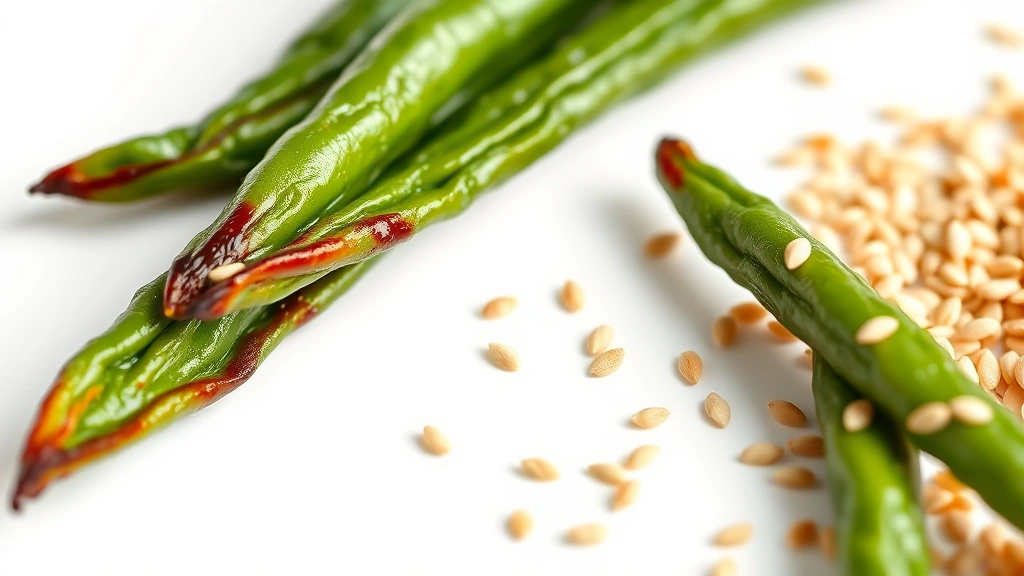
Green beans recipes with Asian seasonings are a game-changer if you’re bored with traditional preparations. Sauté your beans in a hot wok or large skillet with a tablespoon of sesame oil. Add minced garlic and fresh ginger, then toss in a splash of soy sauce and a drizzle of rice vinegar. A pinch of sesame seeds at the end adds texture and nutty flavor.
The whole thing takes about 8 minutes and tastes like takeout food. You can add a teaspoon of sriracha if you want heat, or a little honey for sweetness. This approach pairs incredibly well with rice dishes and easy gluten-free dinner recipes if that’s something you’re working with.
Creamy Casserole Version
When you want comfort food, green beans recipes in casserole form are unbeatable. This is the classic green bean casserole approach but done better. Blanch your fresh green beans for 3 minutes, then drain them. Make a simple cream sauce with butter, flour, and chicken or vegetable broth, then season it with salt, pepper, garlic, and a dash of nutmeg.
Combine the beans with the sauce, transfer to a baking dish, top with crispy fried onions or breadcrumbs, and bake at 350°F for 25-30 minutes until bubbly and golden on top. It’s rich, satisfying, and actually uses fresh ingredients instead of canned soup. You can even incorporate cajun alfredo sauce recipe techniques if you want to add more sophistication.
Cajun-Spiced Kick
For green beans recipes with serious flavor, go Cajun. Mix together paprika, cayenne, garlic powder, onion powder, dried thyme, and a pinch of black pepper. Coat your green beans with this spice blend and sauté them in a hot skillet with a little oil for about 7-8 minutes.
The spices toast slightly as the beans cook, creating a really complex flavor profile that’s not just heat—it’s actual depth. Finish with a squeeze of lemon and maybe some crispy bacon if you want to make it even better. This is the kind of side dish that makes people ask for the recipe.
Prep & Selection Tips
Before you dive into any of these green beans recipes, you need to pick good beans and prep them correctly. Look for beans that are bright green, firm, and snap when you bend them. Avoid any that look dull, limp, or have brown spots. Fresh beans make a massive difference in the final result.
For prep, rinse your beans under cold water and pat them dry. Snap off the stem end—just grab the pointy bit and pull it off. The other end can stay on or come off, it doesn’t matter. If you’re dealing with really large beans, you might want to snap them in half so they cook more evenly. Don’t do this ahead of time though; prep them right before you cook. Similar preparation applies when you’re learning how to wash grapes or any other fresh produce—freshness matters.
Storage-wise, keep fresh green beans in the crisper drawer of your fridge and use them within 3-4 days. If you buy them and won’t use them right away, you can blanch and freeze them for later use. Just cook them for 3 minutes in boiling salted water, plunge them into ice water to stop the cooking, pat dry, and freeze in a single layer before transferring to a freezer bag.
Frequently Asked Questions
How long do fresh green beans last in the refrigerator?
Fresh green beans typically last 3-4 days in the crisper drawer of your fridge. Store them unwashed in a plastic bag with a paper towel to absorb excess moisture. Don’t wash them until right before cooking, as moisture speeds up deterioration.
Can I use frozen green beans for these recipes?
Absolutely. Frozen green beans work for most of these green beans recipes, though they have a softer texture than fresh. Thaw them first and pat them very dry before cooking. They cook faster than fresh beans, so reduce cooking times by 2-3 minutes. Frozen beans are actually frozen at peak ripeness, so nutritionally they’re excellent.
What’s the best way to remove the strings from green beans?
Most modern green bean varieties don’t have tough strings, but if yours do, snap off the stem end and pull it down the length of the bean—the string usually comes with it. You can also use a vegetable peeler to gently remove the string from the side. It’s not critical though; most home cooks skip this step entirely.
How do I know when green beans are done cooking?
Taste one. You want them tender but still with a slight bite—what chefs call “tender-crisp.” Overcooked beans turn mushy and dull in color. For most cooking methods, 6-8 minutes is the sweet spot, but it depends on the thickness of your beans and your cooking method.
Can I make green beans ahead of time?
Most of these green beans recipes taste best served fresh and hot. That said, you can cook them ahead and reheat them gently in a skillet or oven. Store cooked beans in an airtight container in the fridge for up to 3 days. Roasted and sautéed beans reheat better than steamed ones.
What pairs well with green bean side dishes?
Green beans work with almost everything. They’re classic with grilled chicken, roasted fish, beef steaks, and pork chops. They also pair beautifully with rice dishes, pasta, and grain-based meals. The key is matching the seasoning profile—Asian-flavored beans go with Asian mains, Cajun beans go with Southern food, and simple garlic butter beans work with literally anything.
Conclusion
Green beans recipes don’t have to be boring or complicated. These 10 methods give you everything from quick weeknight sides to impressive dinner party dishes. Start with the classic sautéed version to build your confidence, then branch out into roasting, frying, and flavored variations as you get comfortable. The real secret is using fresh, quality beans and not overcooking them. Once you’ve got that down, you’ll actually look forward to eating green beans instead of treating them like an obligation. Pick your favorite method, grab some fresh beans from the market, and get cooking.


