
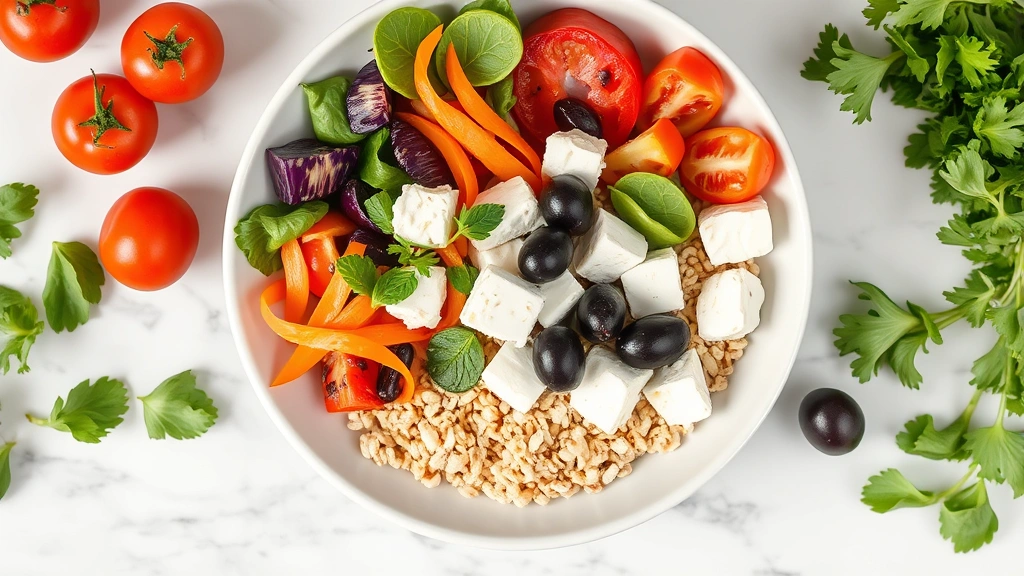
A greek bowl recipe is your ticket to eating like you’re sitting at a taverna overlooking the Aegean Sea—except you’re doing it in your own kitchen without the plane ticket. These Mediterranean bowls pack fresh vegetables, creamy feta, briny olives, and protein into one satisfying meal that comes together faster than you’d think.
Table of Contents
What Makes a Greek Bowl
Here’s the thing about Greek bowls—there’s no single “official” recipe, which is actually liberating. What makes it Greek is the philosophy: fresh, simple ingredients that don’t need much fussing. You’re looking at bright vegetables, creamy feta cheese, Kalamata olives, and a killer olive oil-based dressing. The beauty is in the quality of each component, not complicated techniques.
Think of it as building blocks. Each element should taste good on its own, and when combined, they create something greater. This approach keeps prep time minimal while maximizing flavor. Unlike some recipes that require precision, a Greek bowl recipe gives you freedom to adjust based on what’s in your crisper drawer or what you’re craving that day.
Essential Components You Need
Every solid Greek bowl recipe starts with these non-negotiables: cucumber, tomatoes, red onion, Kalamata olives, and feta cheese. These five items form your foundation. From there, you build outward. Add bell peppers for sweetness and crunch, add fresh grapes for a surprising sweetness, or throw in some chickpeas for plant-based protein.
The vegetables should be fresh and in season. Watery tomatoes in winter won’t do you favors—that’s when you pivot to using quality canned tomatoes or focusing on other components. Feta cheese is non-negotiable; don’t substitute it with something else. The briny, tangy quality is essential to the whole thing working.
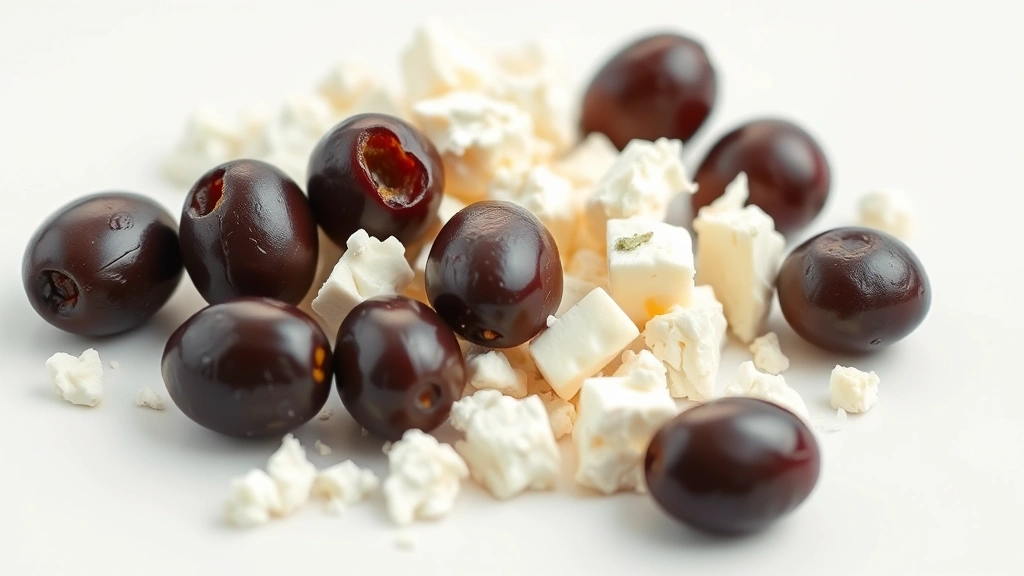
Olives are another cornerstone. Kalamata olives have that deep, slightly fruity flavor that defines Greek cuisine. If you can’t find them, go without rather than using something generic.
Prep Your Ingredients Right
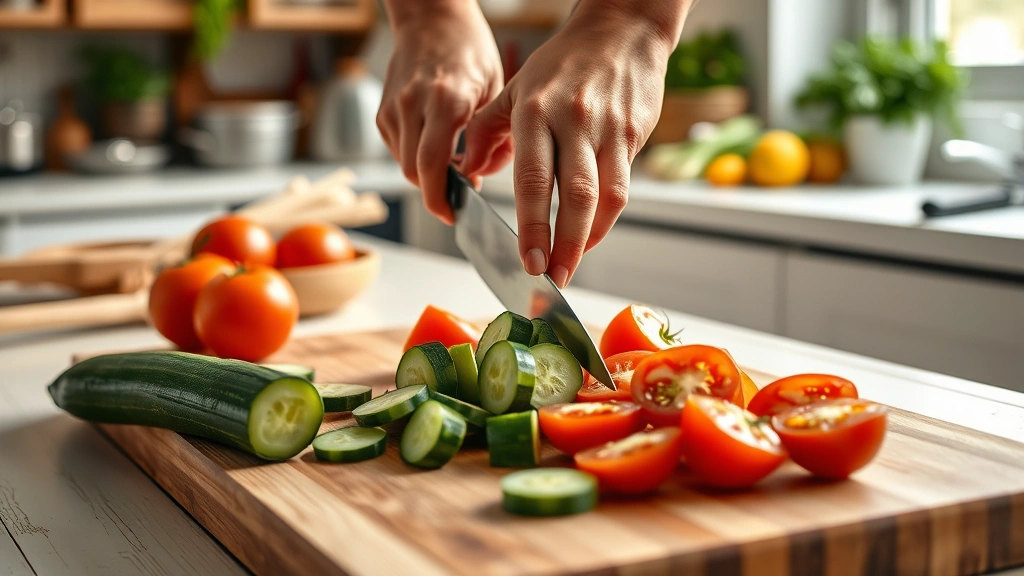
This is where many people rush and regret it. Take your time with prep because it directly impacts the final bowl. Dice your cucumber into roughly ½-inch pieces—not too small, not too chunky. Tomatoes should be cut into similar-sized pieces so everything feels balanced when you eat it.
Red onion benefits from a quick soak in cold water for 5-10 minutes after cutting. This mellows the harsh bite while keeping that sharp onion flavor. Don’t skip this step if you’re sensitive to raw onion. Slice it thin and even.
Feta cheese doesn’t need prep beyond crumbling it into bite-sized chunks. Don’t pulverize it into dust—you want distinct pieces you can taste. Pit your olives if they still have pits; nobody enjoys biting into one unexpectedly. If using canned chickpeas or other beans, rinse them thoroughly under cold water to remove excess sodium.
Build Your Bowl Like a Pro
Assembly matters more than you’d think. Start with a base—either greens (spinach, arugula, romaine) or grains (quinoa, farro, brown rice). This gives structure and makes the bowl more substantial. Some people skip the base entirely and just pile vegetables, which works too.
Arrange your components in sections rather than tossing everything together. This isn’t just for Instagram; it actually lets you control how much of each element you get in each bite. Put tomatoes in one section, cucumber in another, onion in its own spot, then dot feta and olives around.
If you’re adding protein like grilled chicken or shrimp, place it prominently. The visual appeal matters because you eat with your eyes first. A well-composed bowl makes you want to dig in.
The Dressing Really Matters
Don’t phone this in. A proper Greek bowl recipe lives or dies by its dressing. The classic is simple: extra virgin olive oil, red wine vinegar, lemon juice, dried oregano, minced garlic, salt, and pepper. That’s it. No mayo, no cream, no complicated emulsification.
Mix your dressing in a small jar and shake it vigorously for 30 seconds. The ratio should be roughly 3 parts oil to 1 part vinegar and lemon juice combined. Taste and adjust—acid levels vary depending on your vinegar and lemon. You want brightness without puckering.
Here’s a pro move: dress your bowl just before eating if it’s sitting with a grain base, or dress it right away if it’s just vegetables. Vegetables will soften over time if dressed too early, but grains actually benefit from absorbing the dressing.
Protein Options That Work
Your Greek bowl recipe can go several directions for protein. Grilled chicken breast is classic—season it simply with olive oil, lemon, oregano, and garlic before cooking. Shrimp works beautifully too; just sauté it quickly in a hot pan with the same seasonings.
For vegetarian versions, chickpeas or white beans provide substance and nutrition. Roasted chickpeas are even better—toss them with olive oil and oregano, then roast at 400°F for 20 minutes until crispy. You can also use air-fried cauliflower for a crispy, protein-rich addition that adds textural interest.
Grilled fish like salmon or halibut elevates the whole thing. Feta and fish have a natural affinity. Even hard-boiled eggs work if you want to keep things simple and vegetarian.
Storage and Make-Ahead Tips
One of the best things about a Greek bowl recipe is its make-ahead potential. You can prep components the night before and assemble fresh when you’re ready to eat. Keep the dressing separate until serving time.
Store prepped vegetables in airtight containers. Cucumber and tomatoes last about 3-4 days. Feta keeps longer in its brine. Olives keep for weeks. If you’re prepping protein, store it separately from vegetables to prevent any flavor transfer.
The only thing that doesn’t hold up well is greens—if using a leafy base, add those right before eating. Grains like quinoa actually keep well for 4-5 days and can be made in bulk for the week.
Fun Variations and Twists
Once you master the basic Greek bowl recipe, play with it. Add roasted beets for earthiness and color. Include artichoke hearts for a Mediterranean touch. Toss in some fresh herbs like mint, dill, or parsley—these make a surprising difference.
Try different grains as your base: farro has a nutty texture, barley is hearty, or go with wild rice for an earthier vibe. Some people add a dollop of tzatziki sauce for creaminess, which pairs perfectly with other Mediterranean-inspired meals you might be planning.
Sun-dried tomatoes add intensity if fresh tomatoes aren’t great. Roasted red peppers bring sweetness. Even a splash of quality balsamic vinegar can add complexity to your dressing.
Frequently Asked Questions
Can I make a Greek bowl recipe without feta cheese?
Technically yes, but you lose something essential. If you’re lactose intolerant, try a small amount of aged feta (it’s lower in lactose) or use a high-quality Greek yogurt as a creamy component instead. Some people use crumbled tofu, though it’s not traditional.
How far in advance can I prep a Greek bowl?
Prep individual components up to 24 hours ahead. Keep everything in separate containers. Assemble the bowl no more than 2-3 hours before eating if using fresh greens, or right before serving for the best texture and taste.
Is there a best time to eat Greek bowls?
They’re perfect for lunch or a light dinner. The combination of vegetables, healthy fats from olive oil, and protein keeps you satisfied without feeling heavy. Many people meal-prep them for the work week.
What’s the difference between Greek and Mediterranean bowls?
Greek bowls are specifically Greek in origin with Greek ingredients and flavors. Mediterranean bowls are broader, drawing from the entire Mediterranean region including Spanish, Italian, and Turkish influences. A Greek bowl recipe is a subset of Mediterranean bowls.
Can I use store-bought dressing?
Sure, but homemade takes 2 minutes and tastes infinitely better. Store-bought versions often have added sugar and preservatives. Since the dressing is such a crucial component, it’s worth the minimal effort to make your own.
Final Thoughts
A Greek bowl recipe isn’t complicated—it’s about respecting quality ingredients and letting them shine. Start with the basics, master the technique, then customize based on your preferences and what’s available. The best part is that you can have a fresh, satisfying meal on the table in 15 minutes once you’ve prepped your components.
The beauty of this approach is flexibility. Unlike baking where precision matters, bowl recipes reward improvisation. You can build these around what you have, what’s in season, and what you’re craving. Make it your own, but keep that Mediterranean simplicity at the heart of it. Your future self will thank you for the easy, healthy meals you’re about to start making regularly.


