
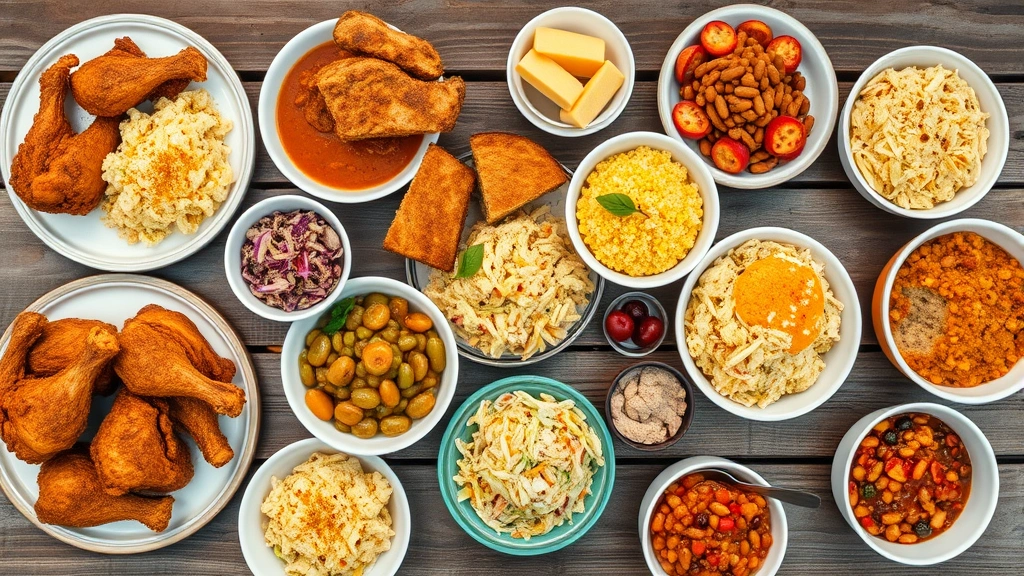
When it comes to hosting a summer gathering, grandma’s recipe box summer potluck traditions bring people together around food that actually tastes like home. Your grandmother knew something we’ve all forgotten—the best potlucks aren’t about fancy plating or Instagram-worthy presentations. They’re about reliable dishes that feed a crowd, travel well, and remind everyone why they showed up in the first place.
Table of Contents
Classic Potato Salad Magic
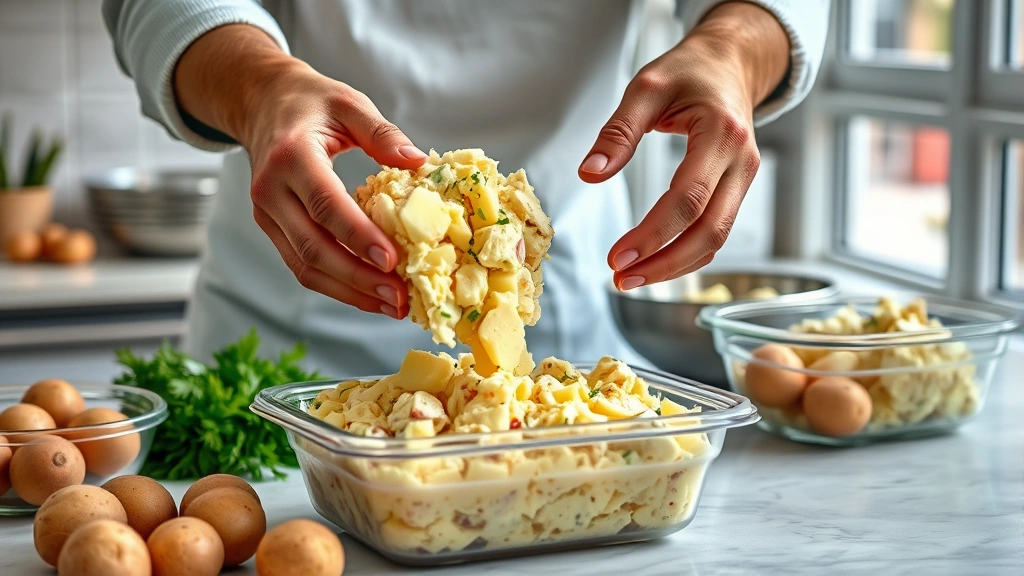
Potato salad is the backbone of any respectable potluck lineup. Your grandma probably made hers with waxy potatoes, not russets, because they hold their shape instead of turning into mush. Start with about five pounds of potatoes for a crowd of twelve to fifteen people.
Cut your potatoes into bite-sized chunks and boil them until a fork slides through easily—about twelve to fifteen minutes. Don’t overcook them or you’ll end up with potato soup instead of salad. While they’re still warm, toss them with a quarter cup of good vinegar. This helps them absorb flavor instead of staying bland and watery.
Mix in your mayo, mustard, and chopped celery while the potatoes are still slightly warm. The heat opens up the potato cells and lets everything blend together properly. Add hard-boiled eggs, diced onions, and a handful of fresh herbs if you’re feeling fancy. Season aggressively—potatoes need more salt than you think they do.
Fried Chicken That Travels
Fried chicken is the MVP of summer potlucks because it tastes good hot or cold and doesn’t require reheating. The secret your grandmother knew was buttermilk. Soak your chicken pieces in buttermilk for at least four hours, or overnight if you have time. This tenderizes the meat and gives it that authentic flavor.
Mix your flour with salt, pepper, paprika, garlic powder, and a pinch of cayenne. Some grandmas added a tablespoon of cornstarch to the flour mixture for extra crispiness. Dredge each piece thoroughly and let it sit on a plate for five minutes before frying. This helps the coating stick.
Use a cast-iron skillet with oil heated to 350 degrees Fahrenheit. Don’t crowd the pan—give each piece room to brown properly. Fry for about twelve to fifteen minutes, turning halfway through. The chicken should be golden brown and crispy on the outside. Let it cool on paper towels before packing it in a shallow container with parchment paper between layers to prevent sogginess.
Green Bean Casserole Perfection
Green bean casserole gets a bad reputation, but that’s because most people make it wrong. Start with fresh green beans instead of canned if you can manage it. How long to steam green beans is a question worth answering properly—about four to five minutes if you want them with a little snap.
Toss your green beans with butter, garlic, and salt while they’re still warm. Make a simple cream sauce by melting butter, whisking in flour, then slowly adding chicken broth and cream. Season it properly with salt, pepper, and a little nutmeg. Combine the sauce with your green beans, top with crispy fried onions, and bake at 375 degrees for twenty minutes until bubbly.
The key is not overloading it with cream of mushroom soup straight from the can. Your grandma probably made a real sauce because she had time and knew it would taste better. Transport it in a disposable aluminum pan covered with foil and reheat it gently at the potluck.
Creamy Mac and Cheese
Mac and cheese isn’t a vegetable, but it’s a potluck staple that disappears faster than anything else on the table. Use a combination of cheeses—cheddar for sharpness, gruyere for complexity, and a little cream cheese for smoothness. Don’t use pre-shredded cheese because the anti-caking agents prevent it from melting properly.
Cook your pasta about two minutes under the package time because it’ll continue cooking in the oven. Make a roux with butter and flour, then add warm milk slowly while whisking. Melt your cheeses into this sauce off the heat so they don’t break. Combine with your pasta, pour into a baking dish, top with panko breadcrumbs mixed with melted butter, and bake at 350 degrees for thirty minutes until golden.
The secret is using good cheese and not overcooking the pasta initially. Grandmas understood that texture matters as much as flavor, and a mushy noodle ruins the whole dish.
Fresh Fruit Salad Strategy
Fruit salad seems simple until you arrive at a potluck and find yours is a watery mess. The trick is understanding when to cut your fruit. How to tell if a pineapple is ripe matters because underripe fruit won’t taste good and overripe fruit creates too much liquid.
Cut your fruit no more than two hours before serving. If you must prepare it earlier, cut everything except the soft fruits like berries and melons. Keep those separate and add them just before transport. Don’t add dressing until right before serving—this prevents everything from turning into fruit soup.
Your grandmother probably used a simple honey-lime dressing instead of heavy cream. Mix honey with fresh lime juice, a pinch of salt, and maybe some fresh mint. Toss gently just before serving. Transport the fruit and dressing separately if you’re traveling more than fifteen minutes.
Slow-Cooked Baked Beans
Real baked beans start with dried beans soaked overnight, not canned beans from a can. Soak your beans, then simmer them until they’re tender but not falling apart. This takes about two hours. Drain them and combine with brown sugar, mustard, bacon, onion, and a little molasses.
Bake low and slow at 300 degrees for at least three hours. The longer they cook, the better they taste. Your grandmother knew that beans need time to develop flavor. Add more liquid as needed—they should be saucy but not soupy. You can make these a day ahead and just reheat them at the potluck, which actually improves the flavor.
Bring them in a slow cooker if you’re traveling, or in a covered baking dish that you can reheat. Beans are forgiving and actually taste better the next day.
Buttery Cornbread
Cornbread is the bread that actually gets eaten at potlucks because it’s slightly sweet and goes with everything. Mix cornmeal, flour, sugar, baking powder, and salt. Create a well in the center and pour in melted butter, eggs, and buttermilk. Stir until just combined—don’t overmix or your cornbread will be tough.
Pour into a buttered cast-iron skillet and bake at 400 degrees for about twenty minutes until a toothpick comes out clean. The cast iron gives you crispy edges that everyone fights over. Cut it into squares and wrap in a clean kitchen towel to keep it warm and fresh during transport.
Cornbread is best served warm but tastes fine at room temperature, making it perfect for potlucks. Your grandmother probably made it in a cast-iron skillet because she knew that was the only way to get those golden, crispy edges.
Tangy Coleslaw
Coleslaw is the refreshing element that cuts through rich potluck foods. Slice your cabbage thin—a mandoline makes this easier but a sharp knife works fine. Toss with salt and let it sit for ten minutes. This draws out water and softens the cabbage slightly.
Squeeze out excess moisture, then make a dressing with vinegar, oil, a little sugar, and mustard. Some grandmas added cilantro sauce recipe elements to their coleslaw for brightness. Toss everything together and let it sit for at least an hour before serving. The flavors develop and the cabbage softens slightly without turning mushy.
Transport it in a container with a tight lid to prevent dressing from leaking. Coleslaw actually improves over a few hours as flavors meld together.
Packing and Transport Tips
Getting your dishes to the potluck in presentable condition requires strategy. Use shallow containers rather than deep ones—they’re easier to transport and less likely to tip over in your car. Stack them carefully and use non-slip drawer liners to prevent sliding.
Pack hot dishes last so they’re still warm when you arrive. Wrap them in clean kitchen towels and place them in an insulated bag or cooler without ice. Cold dishes should go in a separate cooler with ice packs to maintain temperature.

Label everything clearly with the dish name and any allergen information. Bring serving utensils for your dish—don’t assume the host will have extras. Bring your own containers home instead of leaving them behind. This is basic potluck etiquette your grandmother probably followed without thinking about it.
Frequently Asked Questions
How far in advance can I prepare potluck dishes?
Most dishes can be prepared one day ahead and reheated gently at the potluck. Potato salad, coleslaw, and baked beans actually taste better the next day. Fried chicken is best made the morning of the event. Fruit salad should be assembled no more than two hours before serving to prevent browning and excess liquid.
What if I don’t have time to cook from scratch?
Your grandmother would tell you that something homemade, even if simple, beats store-bought every time. Make a simple salad with fresh ingredients, bake cornbread from a mix, or bring a quality rotisserie chicken with a homemade sauce. The effort matters more than complexity.
How do I keep hot dishes hot during transport?
Use an insulated cooler or bag designed for hot foods. Wrap your dish in aluminum foil and then in clean kitchen towels. Place it in the cooler just before leaving. Don’t open the cooler during transport. You can also place a disposable heating pad underneath the dish for extra insulation.
Can I make these dishes in a slow cooker instead?
Absolutely. Mac and cheese, baked beans, and green bean casserole all work beautifully in slow cookers. Set them on low to keep them warm during the potluck. This frees up your oven and keeps everything at the perfect serving temperature.
What if someone has dietary restrictions?
Ask ahead of time what restrictions exist and plan accordingly. You can make vegetarian versions of most dishes by substituting vegetable broth for chicken broth and omitting meat. Label your dishes clearly so people with allergies know what they’re eating.
How much food should I bring for different crowd sizes?
For twelve to fifteen people, the portions listed in these recipes work perfectly. For larger crowds, double the recipes. A good rule is about one and a half cups of food per person when there are multiple dishes being served.
Bringing Grandma’s Wisdom to Modern Potlucks
Your grandmother’s recipe box held more than just ingredients—it held the understanding that good food brings people together. These dishes work because they’re reliable, they taste good, and they travel well. They’re not trendy or complicated, but they’re the ones people actually want to eat.
The real secret to potluck success isn’t fancy techniques or expensive ingredients. It’s using good ingredients, cooking with care, and understanding that people gather around food that makes them feel home. Make one or two of these dishes really well rather than trying to bring five mediocre ones.
Your grandmother knew that the best potlucks are built on dishes that have been tested a hundred times, refined through experience, and made with the understanding that you’re feeding people you care about. That philosophy still works perfectly in the summer of today. Start with one recipe from this list, master it, and you’ll become the person everyone asks to bring the potato salad.
For additional guidance on preparing vegetables, check out how long to steam broccoli and similar timing guides. If you’re serving how long to bake tilapia as a protein option, these resources will help you time everything perfectly. For those setting up outdoor dining, how to build a table provides practical solutions for potluck setup.


