
Grandma favorite no-cook recipes are the backbone of easy entertaining and quick weeknight dinners that taste like you actually put in effort. These are the dishes that made your grandmother the kitchen legend she was—no fancy equipment, no sweating over a hot stove, just simple ingredients combined with confidence and a little kitchen wisdom passed down through generations.
Table of Contents
Why No-Cook Recipes Matter
Back when your grandma was cooking, no-cook recipes weren’t just convenient—they were smart kitchen strategy. Before air conditioning, turning on the oven in summer felt like a punishment. Before food delivery apps, potlucks and church suppers required dishes that traveled well and didn’t require last-minute heating. These recipes solved real problems, and they still do.
The beauty of grandma’s no-cook approach is that it teaches you to build flavor through ingredient quality and combination rather than heat and reduction. You’re working with fresh produce, good pantry staples, and a bit of creativity. It’s honest cooking stripped down to its essentials.
Classic Tomato Aspic
This is the showstopper that made your grandmother look like a magician. Tomato aspic—that jiggly, savory tomato mold—seems intimidating until you realize it’s basically flavored gelatin that tastes nothing like dessert. Use quality canned tomatoes or tomato juice as your base, add gelatin, a splash of vinegar, some celery salt, and let the refrigerator do all the work.
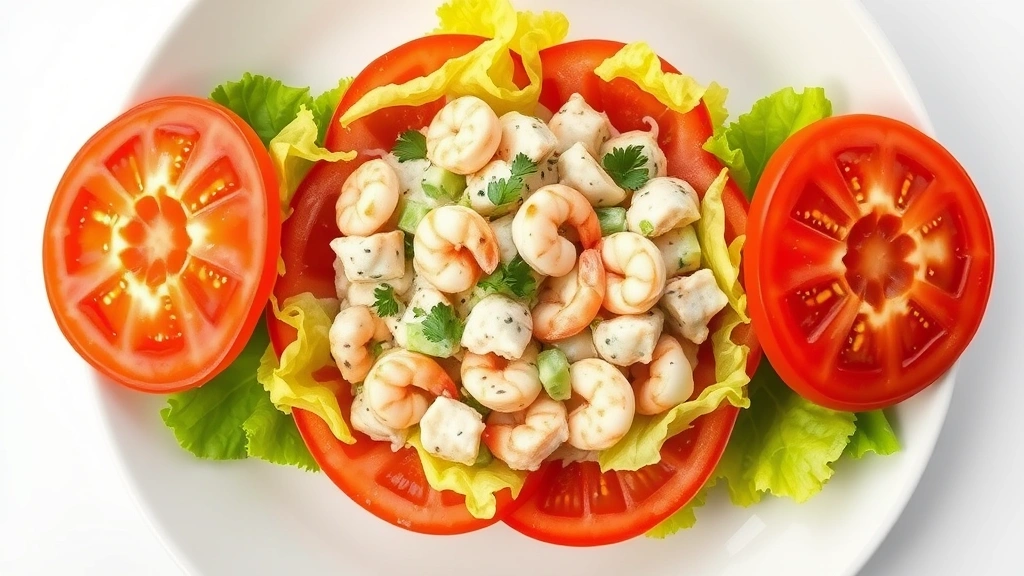
The secret your grandma knew: unmold it onto a bed of lettuce, fill the center with shrimp salad or cottage cheese, and suddenly you’ve got a composed salad that looks like you spent hours on it. Serve it with French dressing recipe on the side for that authentic retro touch.
Cool Whip Creations
Cool Whip was basically your grandmother’s secret weapon. It’s shelf-stable, it whips up in seconds, and it makes everything taste like celebration. The no-cook recipes built around Cool Whip range from simple (folded into pudding) to elaborate (layered dessert salads with fruit, marshmallows, and nuts).
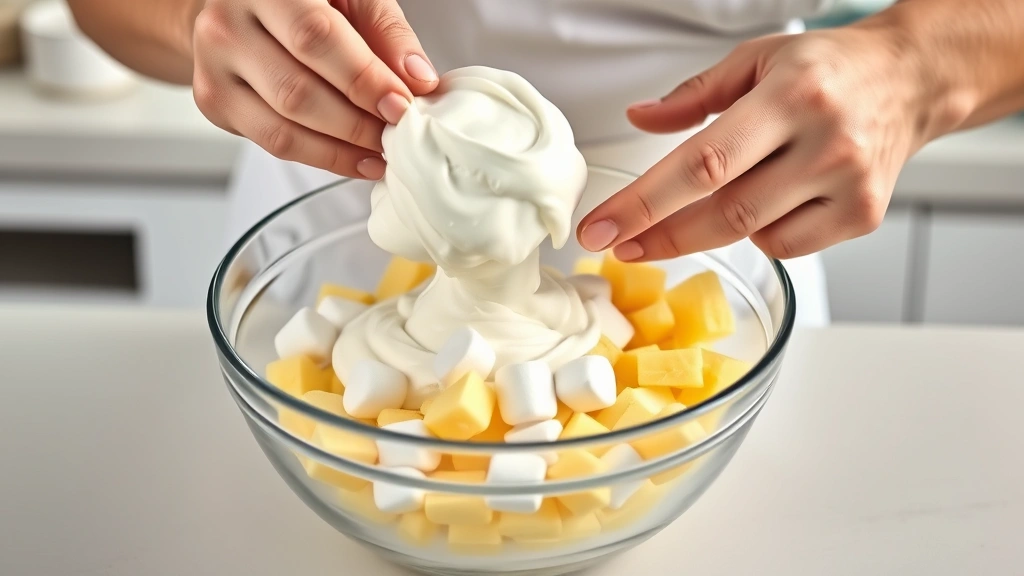
One classic that never fails: mix Cool Whip with crushed pineapple, mini marshmallows, and chopped pecans. Let it sit in the fridge for a few hours and you’ve got a dessert that tastes like it belongs at a church potluck. Check out more Cool Whip recipes for endless variations on this theme.
Salad Bowl Staples
Grandma’s salads weren’t just lettuce and tomato. They were composed affairs with multiple components, often featuring canned fruits, vegetables, and proteins held together with mayonnaise-based dressings or gelatin. A seven-layer salad built in a clear bowl showed off the colorful components and could sit in the fridge for a day without getting soggy.
The technique here is layering: start with greens, add vegetables, then protein, then dressing, then toppings. Each layer stays distinct until you’re ready to serve. These salads actually improve as they sit because flavors meld together. Use celery recipes as inspiration for adding that classic crunch and fresh flavor.
No-Bake Desserts
No-bake cheesecake is the gateway drug to grandma’s no-cook dessert world. Graham cracker crust, cream cheese filling, and whipped topping—everything gets mixed and chilled, no oven required. From there, you can branch into icebox pies, pudding parfaits, and frozen desserts that rely on time in the refrigerator instead of heat.
The magic ingredient in many of these is sweetened condensed milk, which adds richness and sweetness without any cooking. Fold it into whipped cream, mix it with chocolate, combine it with peanut butter—it’s the foundation of dozens of no-cook desserts that made your grandmother famous at gatherings.
Sandwich Spreads & Dips
Before there were fancy appetizers, there were sandwich spreads and dips. Grandma made chicken salad from canned chicken, tuna salad from canned tuna, and deviled ham spread from—you guessed it—canned deviled ham. These weren’t shortcuts; they were the standard way to prepare quick protein-based spreads.
Dips were equally simple: cream cheese softened and mixed with canned pimentos, or sour cream combined with dried onion soup mix. Serve them with crackers or vegetables and you’ve got an appetizer that requires zero cooking. The key is using quality ingredients even when you’re taking shortcuts with preparation.
Fruit-Based Dishes
Fruit salads, fruit cocktails, and fruit-based desserts were staples because fruit was available year-round in canned form. Your grandmother combined canned pineapple, canned peaches, fresh apples, and fresh grapes into salads that stayed fresh for days. She might add fresh pineapple when it was in season, but she wasn’t dependent on it.
The trick with fruit-based no-cook recipes is understanding how different fruits interact. Some release juice (pineapple, citrus), some absorb it (apples, bananas). Grandma tossed fruit salads just before serving to prevent browning and maintain texture. She’d sometimes add a squeeze of lemon juice to keep apples from oxidizing and to brighten all the flavors.
Gelatin Magic & Molds
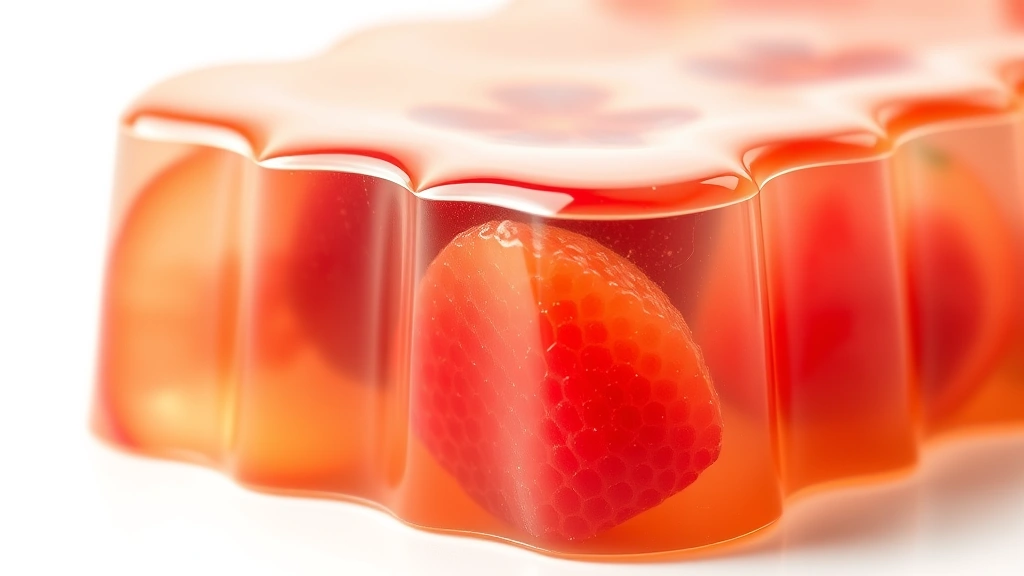
Gelatin molds represented the height of 1950s and 60s entertaining, and your grandmother probably had at least three mold shapes in her kitchen. Lime Jell-O with cottage cheese and pineapple, orange Jell-O with grated carrots, red Jell-O with fruit cocktail—these weren’t fancy, but they were reliable and impressive.
The technique is straightforward: dissolve gelatin in boiling water, add cold ingredients and cold liquid, pour into a mold, and refrigerate until set. The magic happens when you unmold it—that moment when you run a knife around the edge and flip it onto a plate. It’s pure theater, and it’s why these dishes remain memorable decades later.
Storage & Make-Ahead Tips
The real genius of grandma’s no-cook recipes is that most of them actually improve with time. Salads get better as flavors meld. Gelatin molds need time to set properly. Dips taste better the next day after ingredients have gotten to know each other.
Store everything in airtight containers and most will keep for 3-5 days in the refrigerator. Gelatin molds and aspics last longer because they’re sealed. Salads with mayonnaise dressing should be made no more than a day ahead. Dips can be made 2-3 days in advance. This make-ahead quality is exactly why these recipes became grandmother staples—you could prepare them before guests arrived and focus on other things.
Frequently Asked Questions
What makes a recipe truly “no-cook”?
A no-cook recipe requires no stovetop or oven cooking. Boiling water for gelatin is acceptable because you’re not actually cooking the final dish. Mixing, chopping, and chilling are the primary techniques. Some recipes might use canned or pre-cooked ingredients, which is the point—the cooking is already done.
Can I substitute ingredients in grandma’s no-cook recipes?
Absolutely. These recipes are flexible by nature. Don’t like pineapple? Use peaches. Can’t eat dairy? Use coconut cream instead of sour cream. The structure remains the same; you’re just swapping flavors. This flexibility is actually part of the tradition—grandmothers adapted recipes based on what they had available.
How do I prevent gelatin molds from sticking?
Run a thin knife around the edge of the mold while it’s still cold, then dip the bottom of the mold briefly in warm water. The warmth loosens the gelatin just enough to release it. Place your serving plate on top and flip quickly. If it doesn’t release, dip again for another second or two.
Why do some of these recipes seem old-fashioned?
Because they are, and that’s their charm. These recipes were developed when refrigeration was still relatively new and exciting. Gelatin molds and aspics represented modern convenience and impressive entertaining. They’ve fallen out of fashion, but they’re experiencing a revival among people who appreciate their efficiency and the nostalgia they carry.
Can I make these recipes ahead for a party?
Yes, that’s the whole point. Make gelatin molds and aspics the day before. Prepare salads the morning of. Mix dips 2-3 days ahead. Most no-cook recipes actually taste better when made ahead because flavors have time to develop. This is what made your grandmother such an effective entertainer—she could do most of the work before guests arrived.
What if my gelatin mold won’t set?
Make sure you’re using the right ratio of gelatin to liquid (usually one packet per two cups of liquid). Use cold liquid along with cold ingredients. Make sure your refrigerator is actually cold enough—if it’s set too warm, gelatin won’t set. Give it at least 4-6 hours, preferably overnight. If you’re in a rush, you can set it in the freezer for 1-2 hours, but watch it carefully so it doesn’t freeze solid.
Bringing Grandma’s Kitchen to Yours
Grandma favorite no-cook recipes represent something deeper than just shortcuts in the kitchen. They’re about understanding your ingredients, respecting your guests’ time, and knowing that impressive entertaining doesn’t require you to be exhausted. Your grandmother wasn’t lazy; she was smart. She knew which battles were worth fighting and which could be won through preparation and good ingredient choices.
These recipes work because they’re built on solid principles: quality ingredients, proper technique, and respect for time. Whether you’re making a tomato aspic, a Cool Whip dessert, or a composed salad, you’re following a tradition of practical, delicious cooking that has fed families and impressed guests for generations. Start with one recipe, master it, then branch out. Your grandmother’s kitchen wisdom is waiting for you, no stove required.


