
Grandma approved dinner recipes are the backbone of home cooking—the kind of meals that warm your belly and remind you why you love eating at the family table. These aren’t fancy restaurant dishes or trendy Instagram-worthy plates. They’re honest, straightforward recipes that have been tested by generations, perfected in real kitchens, and passed down with handwritten notes and verbal instructions. If you’re looking to cook like someone who actually knows their way around a kitchen, you’re in the right place.
Table of Contents
Classic Pot Roast Magic
Pot roast is the definition of comfort. You throw a hunk of beef into a pot with potatoes, carrots, and onions, let it cook low and slow, and three hours later you’ve got a meal that tastes like home. The magic here isn’t in fancy techniques—it’s in patience and good ingredients.
Start with a 3-4 pound chuck roast. Brown it hard on all sides in a heavy pot with oil. Don’t skip this step; you’re building flavor. Once it’s got a nice crust, pull it out and sauté your aromatics—onions, celery, garlic. Add beef broth, a splash of red wine if you’ve got it, and some herbs. Thyme and bay leaves are your friends here. Nestle that roast back in, cover it, and let your oven do the work at 325°F for about 3 hours. The last 45 minutes, add your potatoes and carrots. When everything’s fork-tender, you’ve nailed it.
Fried Chicken Mastery
Fried chicken separates the home cooks from the people just heating up food. Real fried chicken starts the night before when you brine your chicken pieces in buttermilk and salt. This isn’t optional—it’s what keeps the meat juicy while the outside gets crispy.
The next day, drain your chicken and season it heavily. Make a simple dredge: flour, salt, pepper, paprika, garlic powder, and cayenne. Heat your oil to 350°F in a heavy pot or Dutch oven. The temperature matters more than you’d think. Too hot and you burn the outside while the inside stays raw. Too cool and you get greasy chicken. Fry in batches—don’t crowd the pan—until golden brown, about 12-15 minutes depending on size. Let it rest on paper towels before serving.
Meatloaf Done Right
Meatloaf gets a bad rap, but that’s because most people make it wrong. The secret is treating it like you’re making a really good burger, not like you’re packing meat into a loaf pan.
Mix ground beef with breadcrumbs soaked in milk, an egg, diced onion, and seasonings. Don’t overwork it—mix just until combined. Form it into a freestanding loaf on a baking sheet with sides (so the fat can drip away). Top it with a simple glaze: ketchup, brown sugar, and a splash of vinegar. Bake at 375°F for about 50 minutes until an instant-read thermometer hits 160°F. Let it rest 10 minutes before slicing. Serve with gravy made from the pan drippings and mashed potatoes.
Baked Mac and Cheese
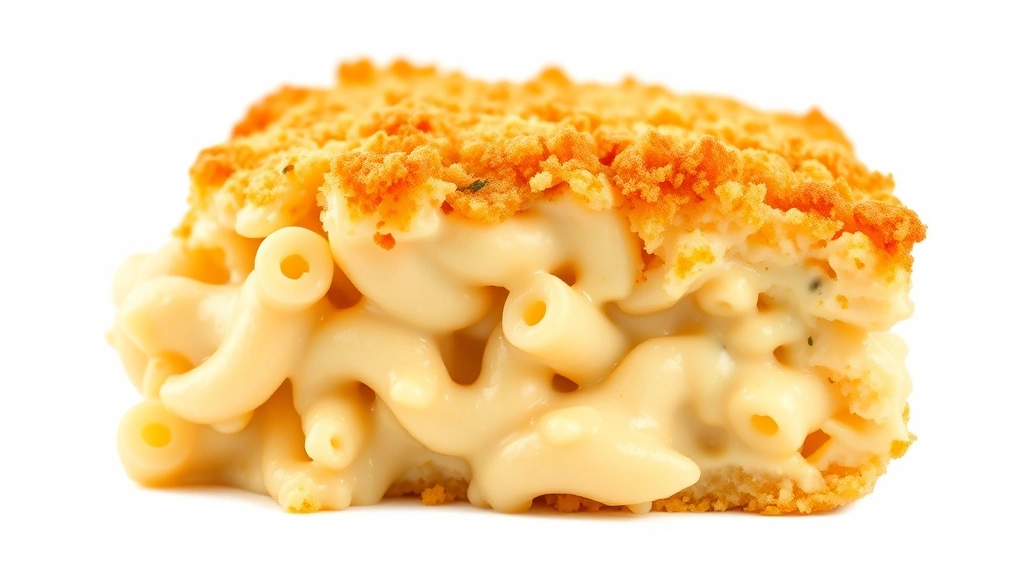
This isn’t the blue box stuff. This is the real thing—creamy, cheesy, with a crispy breadcrumb top. It’s a side dish that becomes the main event.
Cook your pasta until just shy of done—it’ll finish cooking in the oven. Make a roux with butter and flour, whisk in whole milk, then add cheese. Use a mix: sharp cheddar for flavor, gruyere for creaminess. Toss the pasta with the sauce, transfer to a buttered baking dish, top with more cheese and buttered breadcrumbs, and bake at 375°F for 25-30 minutes until golden and bubbling. The edges get crispy, the middle stays creamy, and everyone comes back for seconds.
Roasted Chicken Dinner
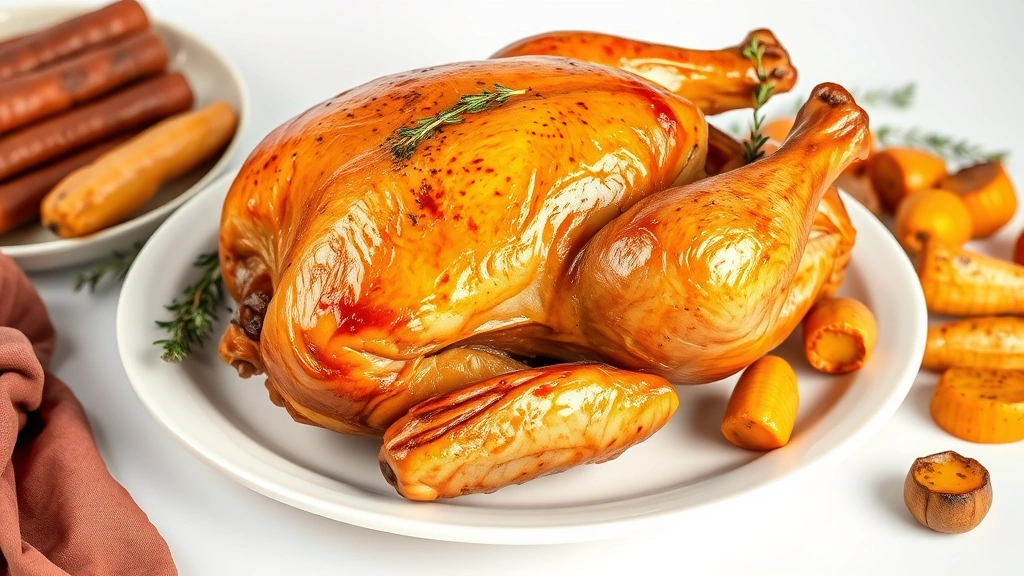
A whole roasted chicken is the foundation of home cooking. It’s cheaper than individual parts, more impressive than it looks, and gives you leftovers for sandwiches and stock.
Pat your chicken dry—this is crucial for crispy skin. Season inside and out with salt, pepper, and whatever herbs you’ve got. Stuff the cavity with lemon halves and fresh thyme. Tie the legs together, tuck the wing tips under, and roast at 450°F for about 1 hour 15 minutes (roughly 15 minutes per pound plus 15 extra). You’ll know it’s done when the thighs reach 165°F on an instant-read thermometer and the skin is deep golden brown. Rest it for 10 minutes before carving. Serve with steamed broccoli or roasted vegetables.
Beef Stew Basics
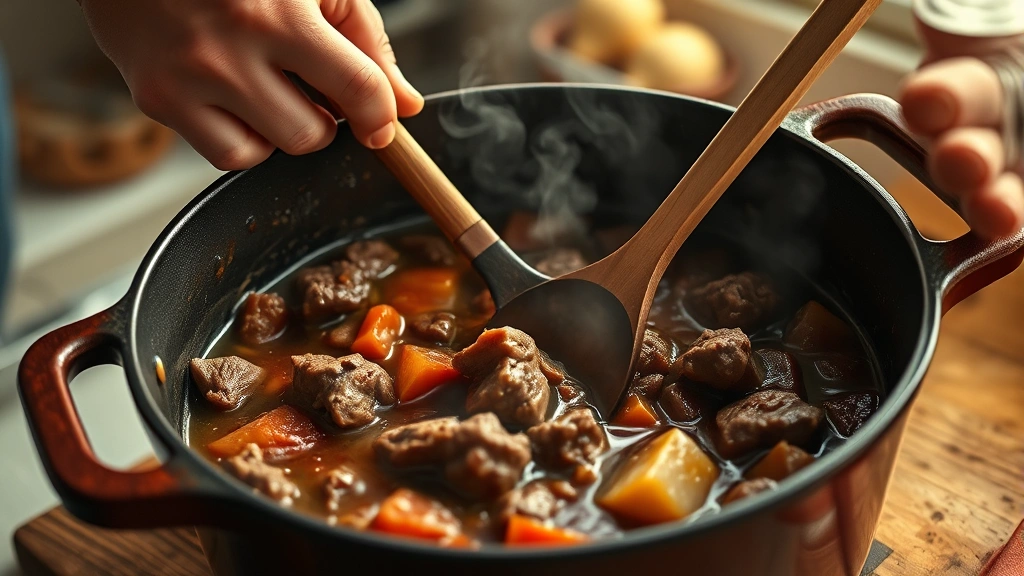
Beef stew is slow-cooking at its finest. It’s the kind of meal you start in the morning and come home to in the evening, your house smelling like something wonderful.
Cut beef chuck into 1.5-inch cubes and brown them well in a hot pot. Set them aside. Sauté onions, carrots, and celery. Add tomato paste and let it caramelize slightly. Dust with flour, stir for a minute, then add beef broth and red wine. Return the beef, add bay leaves and thyme, and braise covered at 325°F for 2-3 hours. About 45 minutes before it’s done, add potatoes and pearl onions. The meat should be fall-apart tender, the sauce rich and thick. This is what comfort tastes like.
Casserole Comfort Food
Casseroles are the unsung heroes of home cooking. They’re forgiving, adaptable, and they feed a crowd without fussing. The formula is simple: protein, starch or vegetable, sauce, and cheese on top.
A classic chicken and rice casserole starts with cooked chicken, rice, cream of mushroom soup (mixed with broth), peas, and cheese. Mix it all together, transfer to a baking dish, top with more cheese and breadcrumbs, and bake at 350°F for 30-40 minutes until bubbly and golden. You can swap the protein, change the vegetables, use different soups—the structure stays the same and it always works.
Gravy Secrets Revealed
Gravy is what separates a good dinner from a great one. And the best gravy comes from pan drippings—the browned bits left after you roast chicken, beef, or turkey.
Pour off most of the fat (save about 2 tablespoons), set the pan over medium heat, and whisk in flour to make a paste. Cook this roux for a minute, stirring constantly. Gradually whisk in broth—beef, chicken, or turkey depending on what you’re making. Keep whisking until it thickens, about 5 minutes. Taste and season with salt and pepper. If it’s too thick, add more broth. Too thin, whisk in a slurry of cornstarch and water. The result tastes like you’ve been cooking all day.
Sides That Matter
The sides are what make the meal. Mashed potatoes with butter and cream, roasted root vegetables with olive oil and herbs, buttered corn, green bean casserole—these aren’t afterthoughts. They’re part of the story.
Mashed potatoes are just potatoes, butter, cream, salt, and pepper, but they matter. Boil russet potatoes until fork-tender, drain well, and mash them while they’re hot. Add butter and warm cream (not cold from the fridge), season aggressively, and taste as you go. Lumpy potatoes are fine; gluey potatoes are a crime. For vegetable sides, roast whatever’s in season at 425°F with olive oil, salt, and pepper until caramelized. Add fresh salsa to simple sides for brightness, or keep them classic with fresh herbs.
Building Flavor Properly
The difference between okay home cooking and really good home cooking is understanding how to build and layer flavor. It starts with proper seasoning at each step, not dumping salt in at the end. It means browning meat before braising, toasting spices, using fresh herbs when you can, and tasting as you cook.
Keep your pantry stocked with the basics: good salt, fresh pepper, garlic, onions, thyme, bay leaves, and paprika. These aren’t fancy. They’re the foundation. When you understand how these few ingredients work together, you can make anything taste like grandma’s cooking.
Frequently Asked Questions
What’s the most important tip for cooking like grandma?
Taste your food as you cook it. Grandma didn’t follow recipes exactly—she tasted and adjusted. Start with less seasoning, taste, then add more. You can always add more salt; you can’t take it out.
Can I make these recipes ahead?
Absolutely. Pot roast, beef stew, and most casseroles actually taste better the next day when flavors have melded. Make them the day before, refrigerate, and reheat gently. Fried chicken is best fresh, but leftovers are still good cold the next day.
What if I don’t have an ingredient?
Grandma cooking is about understanding principles, not following recipes like scripture. Don’t have thyme? Use rosemary. No buttermilk? Make some by adding vinegar to regular milk and letting it sit 5 minutes. No heavy cream? Use half-and-half or even whole milk with a bit of butter. Work with what you have.
How do I know when meat is done?
Invest in an instant-read thermometer. Chicken and pork are safe at 165°F. Beef can be anywhere from 130°F for rare to 160°F for well-done, depending on preference. Ground meat is safe at 160°F. This takes the guesswork out.
Why does restaurant food taste better?
It usually doesn’t—it just tastes different because restaurants use lots of butter, salt, and fat. You can replicate that at home by not being afraid of these ingredients. Grandma understood this. Use good butter, don’t skimp on salt, and cook with confidence.
What’s the secret to crispy skin on roasted chicken?
Two things: pat the chicken completely dry before it goes in the oven, and roast at high temperature (450°F). Moisture is the enemy of crispiness. If you want extra crispy skin, you can brush it with melted butter mixed with a little baking powder about 40 minutes into roasting.
Can I use frozen vegetables in these recipes?
For braised dishes like pot roast and stew, yes—add them toward the end so they don’t turn to mush. For casseroles, frozen vegetables work fine since they’re already going to cook. For roasting, fresh is better because frozen vegetables have more water content and won’t caramelize as well.
The Bottom Line
Grandma approved dinner recipes aren’t complicated. They’re built on simple principles: good ingredients, proper technique, patience, and tasting as you go. Start with one of these recipes, make it a few times, and you’ll understand the fundamentals. Once you’ve got pot roast and fried chicken down, you can tackle anything. That’s how home cooking works—you master the classics, then you build from there. Your kitchen is your workshop, and these recipes are your blueprint.


