
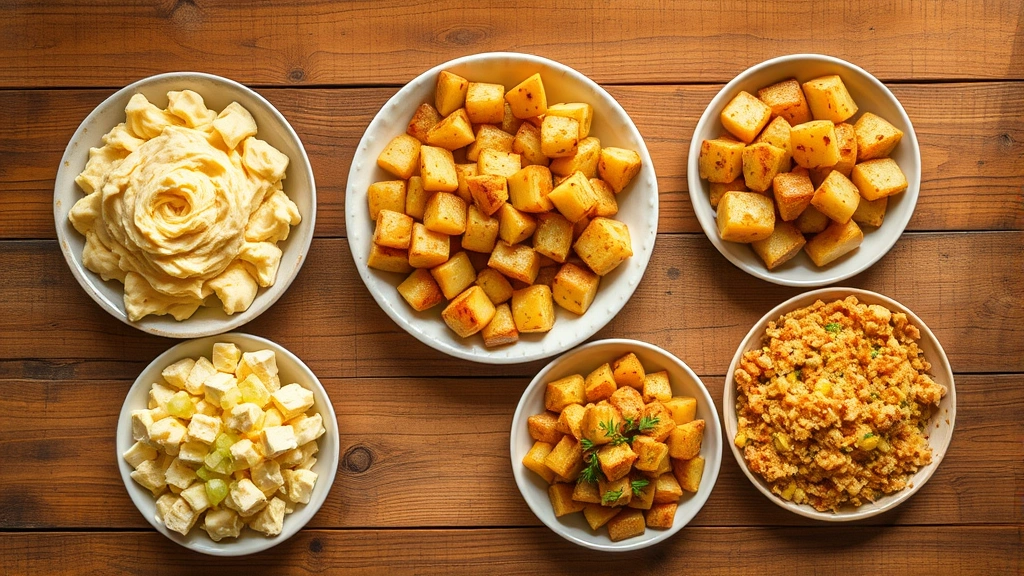
Gold potato recipes are your ticket to foolproof, delicious meals that come together faster than you’d think. These waxy, buttery spuds are forgiving to cook and deliver creamy, tender results whether you’re boiling, roasting, or mashing. I’ve spent enough time in the kitchen to know that gold potatoes are the workhorse of the potato world—they hold their shape, absorb flavors beautifully, and won’t turn into mush if you’re not watching the clock like a hawk.
Table of Contents
Why Gold Potatoes Rule
Gold potatoes sit right in the sweet spot between starchy and waxy. They’ve got enough starch to get fluffy when mashed, but enough moisture and natural sugars to stay creamy and not turn gluey. Their golden-yellow flesh and thin skin mean less peeling work, which is always a win in my book. When you’re planning gold potato recipes, you’re already halfway to success because these spuds are naturally forgiving. They won’t split open when boiled, and they caramelize beautifully when roasted.
Creamy Mashed Gold Potatoes
This is the foundation recipe that makes everything else possible. Start with about 2 pounds of gold potatoes, cut them into 1-inch chunks (no need to peel if the skin looks good), and drop them in salted boiling water. Cook for 12-15 minutes until a fork slides through without resistance. Drain well—and I mean really drain them, because excess water is the enemy of creamy mashed potatoes. Return them to the pot, add 4 tablespoons of butter, ½ cup of warm milk or cream, and mash until you hit your preferred texture. Season with salt and pepper. The magic is using warm dairy, which keeps the potatoes fluffy instead of dense. If you want to level up, add roasted garlic, fresh herbs, or a splash of that cowboy butter recipe for extra richness.
Roasted Garlic Herb Method
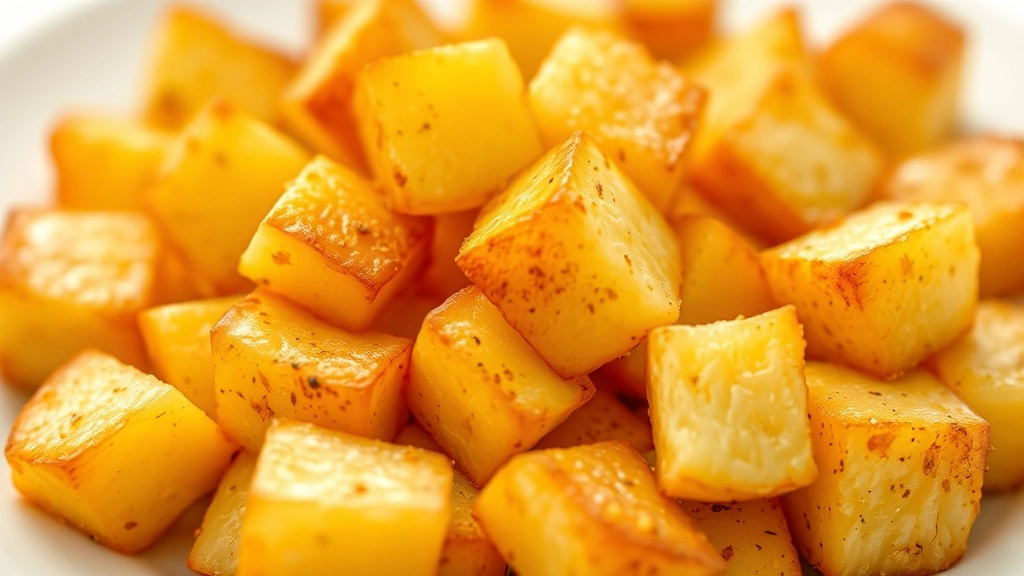
Cut your gold potatoes into 1-inch cubes and toss with olive oil, minced garlic, fresh rosemary, and thyme. Spread on a baking sheet and roast at 400°F for about 25-30 minutes, stirring halfway through. You’re looking for golden-brown edges and a fork-tender center. The key here is not crowding the pan—give them room to get crispy. The natural sugars in gold potatoes caramelize and create these little crispy bits that taste incredible. Finish with fleur de sel and fresh cracked pepper. This method pairs perfectly with grilled meats or as a standalone side dish.
Classic Potato Salad
Gold potatoes are ideal for potato salad because they hold their shape and don’t become mushy. Boil about 3 pounds of halved gold potatoes until just tender, then drain and let them cool slightly. While warm, toss with a light vinaigrette (3 tablespoons vinegar, 2 tablespoons olive oil, 1 teaspoon mustard). This helps them absorb the dressing. Once cooled, fold in diced celery, red onion, fresh dill, and a mayo-based dressing. The beauty of using gold potatoes here is that they won’t absorb so much dressing that the salad becomes heavy. Make this the day before—the flavors only improve as it sits in the fridge.
Crispy Skillet Hash
Dice your boiled gold potatoes into ½-inch cubes and pan-fry them in a cast-iron skillet with plenty of butter or bacon fat over medium-high heat. Don’t stir constantly—let them sit for 2-3 minutes so they develop a golden crust. Add diced onions, bell peppers, and cooked proteins like bacon or sausage. Season aggressively with salt, pepper, and a pinch of smoked paprika. The waxy texture of gold potatoes means they’ll crisp up on the outside while staying creamy inside. Serve with a fried egg on top and you’ve got breakfast or dinner sorted. This is also a great way to use up leftover cooked potatoes.
Creamy Potato Soup Base
Gold potatoes are the backbone of any good creamy potato soup. Sauté diced onions and celery in butter, add cubed gold potatoes and chicken or vegetable broth, then simmer until tender (about 20 minutes). At this point, you can mash some of the potatoes right in the pot to thicken the soup naturally, or use an immersion blender for a silkier texture. Stir in heavy cream, sharp cheddar, and crispy bacon bits. The starch from the gold potatoes creates body without needing flour or cornstarch. You can also add fresh herbs, sautéed mushrooms, or even incorporate flavors from a charro beans recipe for a Tex-Mex twist.
Gratin-Style Baked Potatoes
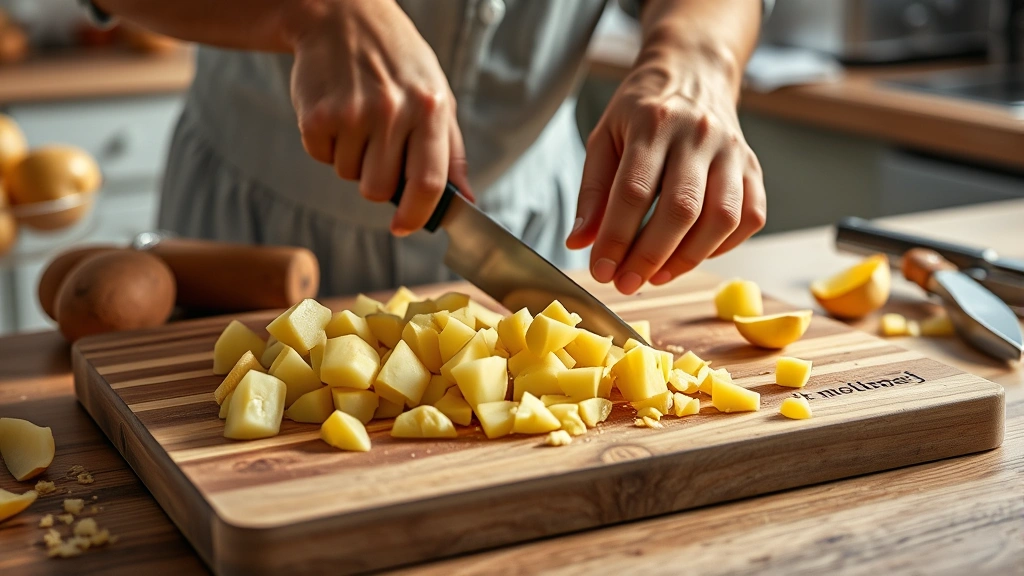
Slice your gold potatoes thin (about ⅛-inch) using a mandoline or sharp knife. Layer them in a buttered baking dish with alternating layers of a cream sauce (butter, flour, milk, nutmeg, salt, pepper) and sharp cheddar or Gruyère cheese. Top with more cheese and a breadcrumb mixture if you want texture. Bake covered at 375°F for 45 minutes, then uncovered for another 15-20 minutes until golden and bubbling. The thin slices cook perfectly and absorb all that creamy, cheesy goodness. This is a showstopper side dish that actually impresses people.
Quick Pan-Fried Method
Sometimes you just need potatoes fast. Slice boiled gold potatoes into ¼-inch rounds and pan-fry them in a hot skillet with butter and oil until golden on both sides (about 3 minutes per side). Season with garlic powder, fresh herbs, and salt. This takes maybe 10 minutes total and delivers crispy-edged, tender potatoes that taste restaurant-quality. It’s perfect for weeknight dinners when you don’t have time for elaborate gold potato recipes but still want something that tastes homemade and special.
Storage and Prep Tips
Raw gold potatoes keep for weeks in a cool, dark place—don’t refrigerate them or they’ll develop a sweet taste. Once cooked, store them in an airtight container in the fridge for up to 5 days. You can also prep gold potatoes ahead by boiling them partially (just until fork-tender but still slightly firm) and storing them in the fridge. This cuts cooking time dramatically when you’re ready to finish them. For meal prep, I often boil a batch on Sunday and use them throughout the week for different recipes. Think of them like a blank canvas—they work with virtually any flavor profile.
If you’re planning a meal around proteins, remember that properly prepared potatoes can make or break the plate. Consider pairing your gold potato recipes with how to unfreeze chicken if you’re working with frozen poultry, or check out how to wash eggs if you’re adding them to your potato dishes. And if you’re serving fresh produce on the side, knowing how to keep apples from browning helps when you’re prepping a complete meal.
Frequently Asked Questions
Should I peel gold potatoes before cooking?
Not necessarily. Gold potatoes have thin, tender skin that’s perfectly edible. For mashed potatoes, soups, and salads, I usually leave the skin on—it adds nutrition and texture. For gratins or dishes where appearance matters more, you can peel them. The choice is yours based on the recipe and your preference.
Why did my gold potatoes turn out gluey?
This usually happens from overcooking or overmixing. Gold potatoes release starch when overcooked, and if you mash them too aggressively or add cold liquid, they become gluey. Cook until just tender, drain thoroughly, and use warm dairy when mashing. Use a ricer or masher gently rather than a food processor.
Can I substitute gold potatoes for russets in recipes?
Yes, but understand the difference. Russets are starchier and fluffier; gold potatoes are creamier and hold their shape better. For mashed potatoes, gold potatoes will be silkier. For baked potatoes, russets are better. For salads, soups, and roasting, gold potatoes are superior. It’s not a one-to-one swap in every situation.
How long do boiled gold potatoes last in the fridge?
Properly stored in an airtight container, boiled gold potatoes keep for 4-5 days in the refrigerator. You can also freeze them for up to 3 months, though they’re best used in soups or hashes rather than eaten plain after freezing.
What’s the best way to add flavor to plain boiled potatoes?
While they’re still warm, toss them with butter, fresh herbs, minced garlic, or a light vinaigrette. Warm potatoes absorb flavors much better than cold ones. Salt them generously and don’t be shy with pepper and fresh herbs.
Final Thoughts
Gold potato recipes deliver consistent, delicious results because these potatoes are naturally forgiving and flavorful. Whether you’re mashing, roasting, boiling, or frying, you’ve got a reliable ingredient that won’t let you down. The key is understanding their waxy-starch balance and treating them with respect—don’t overcook, don’t overmix, and season properly. Once you master these basic techniques, you can apply them to countless variations and create meals that taste like you spent hours in the kitchen when really you just understood your ingredient. Keep a bag of gold potatoes on hand and you’re always minutes away from a solid side dish or main course.


