
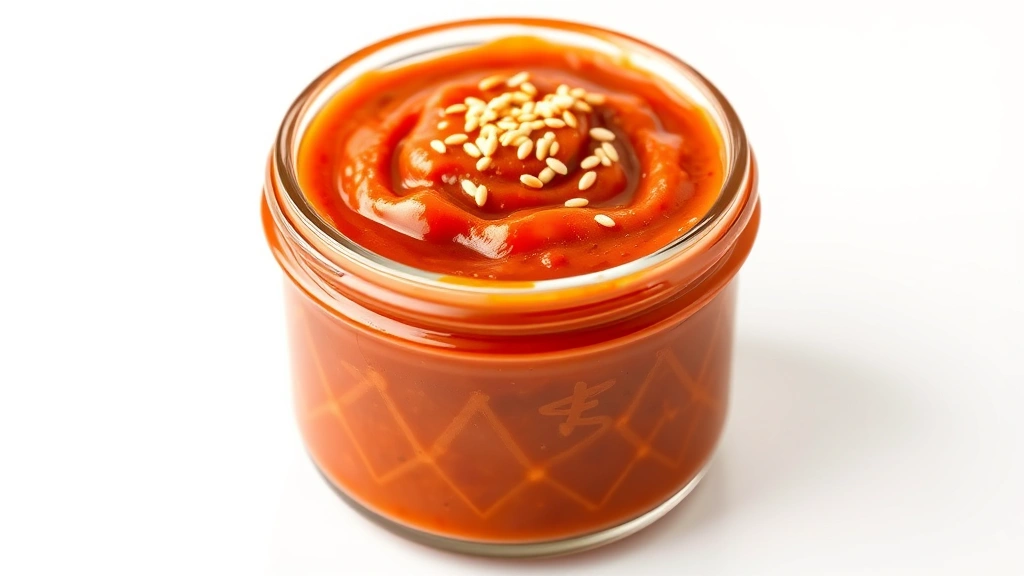
A solid gochujang recipe is one of those kitchen skills that’ll change how you cook forever. This fermented red chili paste is the backbone of Korean cuisine, and once you understand how to work with it—whether you’re making it from scratch or using it as a base—you’ll unlock a whole new flavor dimension in your cooking arsenal.
Table of Contents
What Is Gochujang Exactly?
Let’s start with the fundamentals. Gochujang is a thick, fermented paste made from red chili peppers, glutinous rice, salt, and koji (a mold used in fermentation). It’s been a Korean kitchen essential for centuries, and for good reason—it brings heat, umami depth, and a subtle sweetness that’s hard to replicate with other ingredients.
The beauty of working with gochujang is its versatility. You can buy it pre-made from any Asian market or specialty grocery store, or you can take the craftsman route and make it yourself. Both approaches have merit, and knowing how to use it in different applications is what separates casual cooks from people who really know their way around a kitchen.
The fermentation process is what gives gochujang its complex flavor profile. That aged, slightly funky depth you taste isn’t just heat—it’s the result of beneficial bacteria and enzymes breaking down the ingredients over time. When you understand this, you’ll appreciate why a quality gochujang recipe makes all the difference in your dishes.
Homemade Gochujang Method
Making your own gochujang from scratch takes patience, but it’s absolutely doable in a home kitchen. You’ll need dried red chili peppers, sweet rice flour, salt, and koji spores (available online). This is the deep-dive approach—the kind of project that teaches you respect for traditional fermentation.
Start by rehydrating about 2 cups of dried red chili peppers in hot water for 20 minutes. Blend them into a smooth paste with 1 cup of sweet rice flour, ½ cup of salt, and 2 tablespoons of koji powder. Mix thoroughly until you get a uniform consistency. Transfer to a clean glass jar and let it ferment at room temperature for at least 2-3 months. The longer it sits, the deeper the flavor becomes.
This homemade version teaches you the real mechanics of fermentation. You’ll notice the paste darkening, the aroma intensifying, and the flavor developing complexity over time. It’s not instant gratification, but that’s the whole point—good things take time. Check it occasionally, stir it, and let the natural fermentation process do its work.
Spicy Gochujang Marinade
Here’s where gochujang recipe applications get practical. A gochujang marinade is one of the most useful tools you can have in your cooking toolkit. It works on beef, chicken, pork, or even vegetables. This isn’t complicated—it’s about understanding proportions and balance.
Mix together ¼ cup of gochujang, 3 tablespoons of soy sauce, 2 tablespoons of sesame oil, 1 tablespoon of rice vinegar, 2 cloves of minced garlic, 1 tablespoon of honey, and 1 teaspoon of grated ginger. That’s your base. Coat your protein generously and let it sit for at least 2 hours, preferably overnight. The enzymes in the paste will start breaking down the meat’s fibers, making it more tender while infusing those complex flavors deep into the tissue.
The key here is not rushing the process. A quick 30-minute marinade will add surface flavor, but you want that paste working its magic from the inside out. Whether you’re grilling Korean beef short ribs or pan-searing chicken thighs, this marinade approach consistently delivers restaurant-quality results at home.
Gochujang Sauce Basics
A proper gochujang sauce is your secret weapon for elevating everyday meals. Unlike the marinade, sauce is about creating a condiment that’s balanced enough to complement dishes without overwhelming them. This is where technique meets intuition.

Start with 3 tablespoons of gochujang as your base. Add 2 tablespoons of mayo (yes, mayo—it mellows the heat and adds richness), 1 tablespoon of rice vinegar, 1 tablespoon of honey, 1 teaspoon of sesame oil, and minced garlic to taste. Whisk it smooth. This creates what’s known as gochujang mayo, and it’s incredibly useful. Spread it on sandwiches, use it as a dipping sauce for fries, or thin it out with a bit of water to drizzle over grain bowls.
The magic of this approach is the interplay between heat and sweetness, acid and richness. The mayo isn’t cheating—it’s a technique used in Korean restaurants worldwide because it works. You’re creating a sauce that’s complex enough to be interesting but approachable enough that people who aren’t chili-heads will actually enjoy it.
Korean Gochujang Glaze
A gochujang glaze is different from a sauce or marinade. It’s thicker, stickier, and designed to caramelize on the surface of food. Think of it as the finishing touch that creates visual appeal and concentrated flavor.
Combine ½ cup of gochujang, ¼ cup of honey, 3 tablespoons of soy sauce, 2 tablespoons of rice vinegar, 2 tablespoons of sesame oil, 1 tablespoon of grated ginger, and 3 cloves of minced garlic in a saucepan. Heat it gently over medium heat, stirring constantly for about 5 minutes. You’re not cooking it hard—you’re just warming it through and letting the flavors marry. The glaze should be thick enough to coat the back of a spoon.
Brush this onto grilled meats in the last 2-3 minutes of cooking, or use it to coat roasted vegetables. The honey will caramelize slightly, creating a glossy, deeply flavorful exterior. This is the kind of gochujang recipe application that makes people think you’ve been cooking professionally.
Quick Gochujang Dip
Sometimes you need something fast and impressive. A quick gochujang dip for vegetables, chips, or bread takes literally 5 minutes and requires minimal ingredients. This is your go-to when you’ve got people coming over and need to look like you’ve put in effort.
Mix 1 cup of sour cream or Greek yogurt with 3 tablespoons of gochujang, 1 tablespoon of honey, 1 teaspoon of sesame oil, and juice from half a lime. Fold in some chopped green onions and sesame seeds. That’s it. The dairy mellows the heat, the honey adds sweetness, and the lime brings brightness. Serve it in a bowl surrounded by whatever vegetables or crackers you have on hand.
This dip demonstrates how versatile gochujang really is. You’re not trying to recreate traditional Korean cuisine here—you’re using gochujang as a flavor building block to create something that works in any context. It’s the kind of recipe that shows you understand ingredients beyond their traditional applications.
Storage Tips
Proper storage makes or breaks your gochujang game. Whether you’re working with homemade or store-bought paste, these principles apply. Keep it in an airtight container in the refrigerator, and it’ll last for months. The fermentation actually continues slowly in cold storage, so your paste will continue developing flavor over time.
If you’ve made a large batch of gochujang marinade or sauce, freeze it in ice cube trays. Once frozen, pop the cubes into a freezer bag. You’ll have perfectly portioned amounts ready to thaw whenever you need them. This is the kind of batch-cooking thinking that separates people who cook occasionally from people who cook intentionally.

For homemade fermented gochujang, make sure the surface is always covered with paste (not exposed to air) and stir it occasionally to ensure even fermentation. A thin layer of sesame oil on top can help protect it from oxidation. Store it in a cool, dark place during fermentation, then move it to the fridge once it’s reached your desired flavor intensity.
Frequently Asked Questions
Can I substitute gochujang with something else?
In a pinch, you can mix equal parts sriracha and miso paste, but it won’t be identical. Gochujang has a specific fermented complexity that’s hard to replicate. If you’re serious about cooking, it’s worth buying the real thing. Most Asian markets carry it, and it’s inexpensive.
How spicy is gochujang really?
Gochujang ranges from medium to hot, depending on the brand. It’s not face-melting spicy—it’s more about depth than pure heat. If you’re sensitive to chili, start with small amounts and build up. The sweetness in most gochujang recipes helps balance the heat.
Do I need koji to make gochujang at home?
Technically, yes. Koji is what drives the fermentation and develops the unique flavor. You can find koji spores online, but if you’re not ready to commit to that level of fermentation, buying quality store-made gochujang is the practical choice.
What’s the difference between gochujang and gochugaru?
Gochujang is a fermented paste; gochugaru is dried red chili flakes. They’re related but different products. Gochujang has that fermented umami depth, while gochugaru is pure chili heat. You can’t use them interchangeably in recipes.
Can I use gochujang in non-Korean dishes?
Absolutely. Use it in marinades for any grilled meat, mix it into mayo for sandwiches, or stir it into soups and stews. The fermented depth works in any cuisine that benefits from complex heat and umami. Think of it as a flavor tool, not just a Korean ingredient.
Final Thoughts
Mastering a gochujang recipe is about understanding how fermented ingredients work and how to balance heat, sweetness, and depth. Whether you’re making it from scratch or using store-bought paste, the applications are endless. Start with the marinade if you’re new to cooking with it—that’s the most forgiving entry point. Once you’re comfortable, experiment with sauces and glazes.
The real skill isn’t following a recipe exactly; it’s understanding the principles underneath so you can adapt them to whatever you’re cooking. That’s how you move from being someone who follows instructions to being someone who actually cooks. Keep a jar of quality gochujang in your fridge at all times, and you’ll find yourself reaching for it constantly. It’s one of those ingredients that makes everything taste better.


