
Finding solid gluten free lunch recipes that don’t taste like cardboard is half the battle when you’re managing a gluten-free diet. Whether you’re packing lunch for work, prepping meals for the week, or just tired of the same old sandwich routine, I’ve got you covered with recipes that actually taste good and won’t leave you hungry by 2 PM.
Table of Contents
Why Gluten-Free Matters
Let’s be real—going gluten-free isn’t just a trend anymore. For people with celiac disease, non-celiac gluten sensitivity, or those simply choosing to cut back, finding lunch options that work is essential. The trick isn’t avoiding gluten; it’s building satisfying meals that keep you full and energized. Most lunch fails happen because people swap bread for nothing, then wonder why they’re starving. We’re fixing that today.
Protein-Packed Bowls
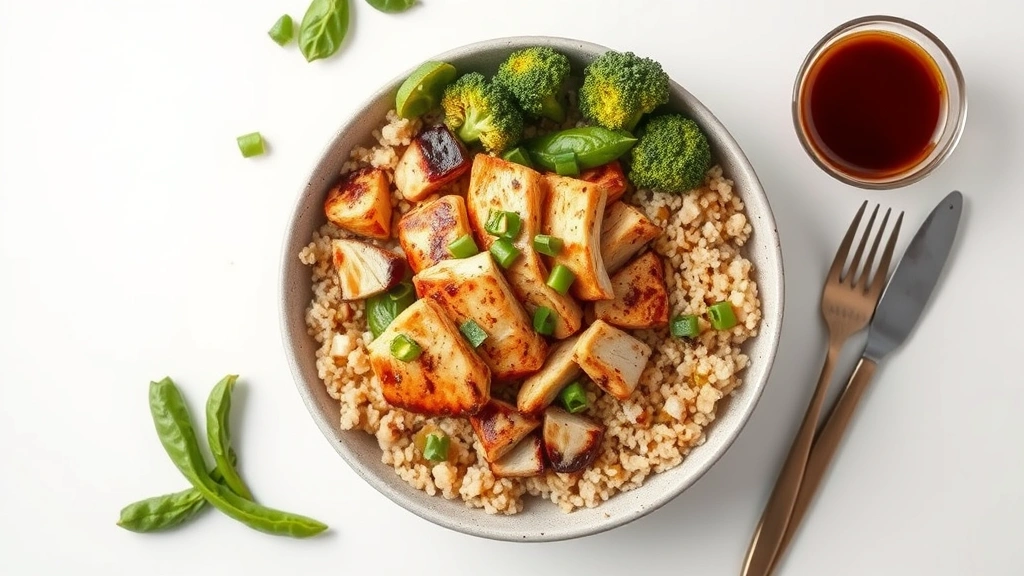
Bowl meals are your secret weapon for gluten-free lunches. Start with a base—rice, quinoa, or cauliflower rice—then layer in protein, veggies, and a killer sauce. A grilled chicken bowl with jasmine rice, roasted broccoli, snap peas, and a ginger-soy dressing (use tamari for gluten-free) keeps you satisfied for hours. You can prep these on Sunday and grab them all week.
Try a Mediterranean version with falafel made from chickpeas, cucumber, tomato, olives, and tzatziki. Or go Asian recipes route with shrimp, sesame oil, and pickled vegetables. The beauty of bowls is flexibility—use what you have, adjust seasonings to your taste, and you’ll never get bored.
Wraps and Lettuce Cups
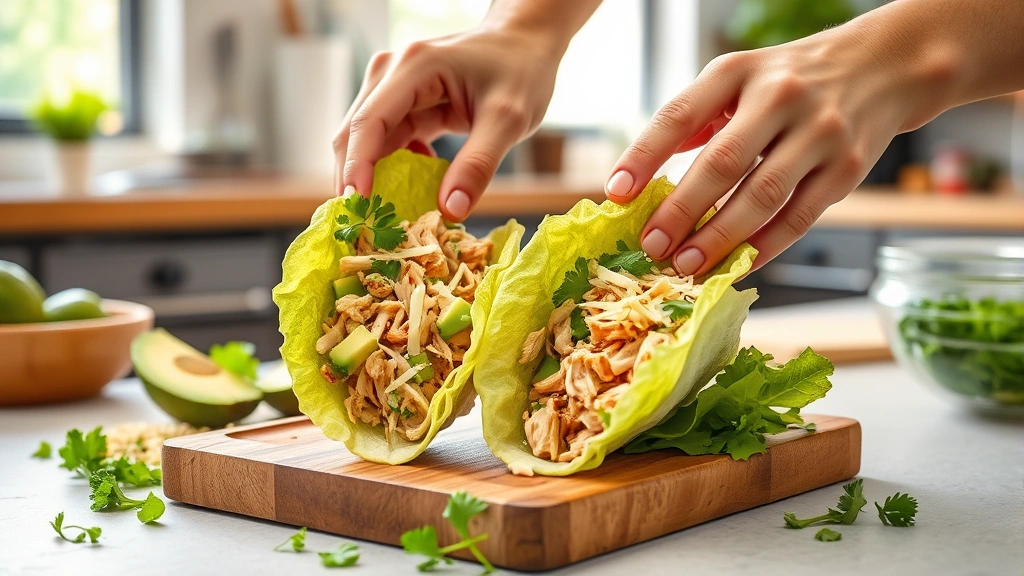
Forget bread. Large lettuce leaves (butter lettuce and romaine work best) become your wrapper for pulled chicken, ground turkey, or seasoned beef. Fill them with shredded cheese, avocado, salsa, and cilantro. These things travel well in containers and taste fresher than traditional sandwiches.
For something different, use collard greens blanched for 2 minutes to soften them slightly. Fill with butterfly chicken breast sliced thin, roasted red peppers, and hummus. Pack dressing separately to prevent sogginess.
Pasta Alternatives Done Right
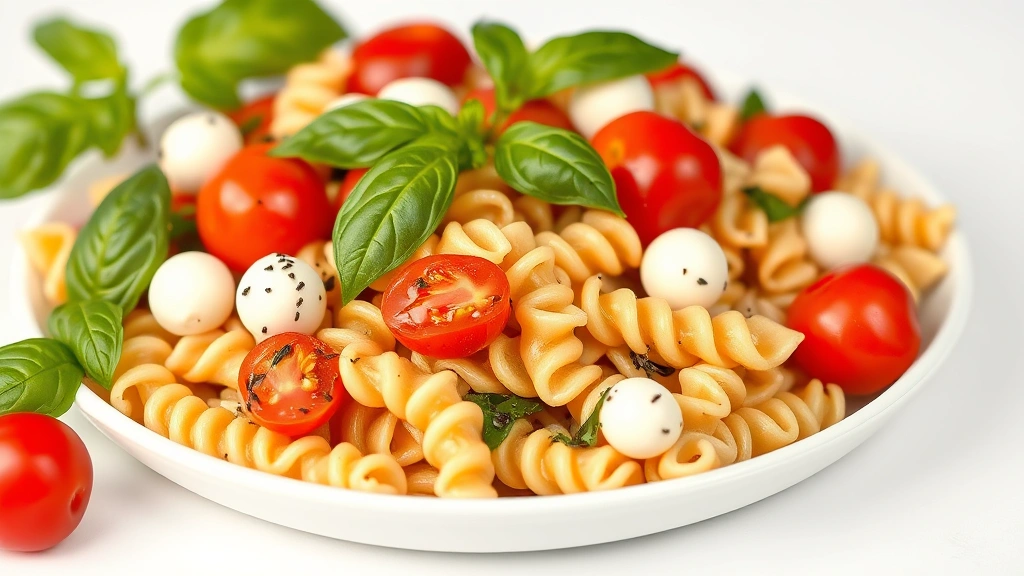
Gluten-free pasta has come a long way. Brown rice pasta, lentil pasta, and chickpea-based options taste legitimate now and hold up better than they used to. Make a simple aglio e olio (garlic and oil) with cherry tomatoes, or toss with pesto and grilled vegetables. The key is not overcooking—check pasta 1-2 minutes before the package says.
Cold pasta salads work beautifully for lunch boxes. Cook gluten-free pasta, toss with olive oil while still warm to prevent sticking, then add diced vegetables, mozzarella, salami, and a lemon vinaigrette. It actually tastes better the next day as flavors meld.
Salads That Actually Satisfy
The problem with most lunch salads is they’re basically lettuce with sadness. Build real salads with substance: start with mixed greens or spinach, add protein (grilled chicken, hard-boiled eggs, canned tuna, beans), include healthy fats (nuts, seeds, avocado), and don’t skimp on vegetables. A good dressing—homemade vinaigrette beats bottled every time—brings everything together.
My go-to is spinach, roasted sweet potato, candied pecans, goat cheese, and apple with a balsamic vinaigrette. Another winner: kale, roasted chickpeas, cherry tomatoes, cucumber, and tahini dressing. Pack dressing separately and add just before eating to keep greens crisp.
Smart Sandwich Swaps
If you really miss sandwiches, try almond flour bread recipe options that actually have texture and flavor. Or build open-faced sandwiches on rice cakes, corn tortillas, or gluten-free bread that’s been lightly toasted. The toasting step is crucial—it adds structure and prevents mushiness.
My favorite hack: use thin-sliced boiled potato recipes as a base. Slice potatoes thin, layer with mayo, deli meat, cheese, and mustard. Sounds weird, tastes incredible. It’s hearty, travels well, and genuinely satisfying.
Meal Prep Strategy
The difference between eating gluten-free lunches consistently and giving up is having food ready to grab. Dedicate 2-3 hours on Sunday to prepping. Cook a big batch of protein—grilled chicken breasts, ground turkey, or hard-boiled eggs. Roast vegetables in bulk. Cook rice or quinoa. Chop vegetables for the week.
Store proteins and veggies separately so you can mix and match throughout the week. Use glass containers—they last longer and don’t stain. Label everything with the date. Prep sauces and dressings in small jars so you can dress meals right before eating.
Pantry Essentials
Keep your pantry stocked with gluten-free staples: rice, quinoa, gluten-free pasta, canned beans, canned tuna, nuts, seeds, and good oils. In the fridge, always have eggs, cheese, deli meat, and whatever fresh vegetables are on sale. A well-stocked pantry means you can throw together a solid lunch in 15 minutes without thinking.
For gluten-free dairy-free recipes, keep coconut milk, dairy-free cheese, and nutritional yeast on hand. Having backup ingredients means you’re never stuck eating sad desk salads.
Frequently Asked Questions
Can I eat regular pasta if I’m gluten-free?
No, regular wheat pasta contains gluten. But gluten-free pasta made from rice, corn, lentils, or chickpeas works great as a substitute. The texture and taste have improved dramatically in recent years.
How do I prevent my lunch from getting soggy?
Pack wet ingredients (dressing, sauce) separately and add right before eating. For salads, put dressing on the bottom of the container, then add heartier vegetables, protein, and greens on top. This way greens don’t sit in liquid.
What proteins are naturally gluten-free?
All whole proteins are gluten-free: chicken, beef, fish, eggs, beans, lentils, tofu, and nuts. Watch out for processed meats and sauces, which sometimes contain hidden gluten. Check labels when buying pre-made items.
How long can I store meal-prepped lunches?
Most cooked proteins and vegetables last 3-4 days in the refrigerator. Salads with dressing added last about 1 day. Undressed salads with dressing packed separately last 3-4 days. Always use your nose and eyes—if it looks or smells off, toss it.
Are gluten-free products more expensive?
Specialty gluten-free products (bread, pasta, snacks) typically cost more. But whole foods—rice, vegetables, proteins, eggs—cost the same whether they’re gluten-free or not. Focus on whole foods and you’ll save money while eating healthier.
Wrapping It Up
Eating gluten-free doesn’t mean settling for boring, unsatisfying lunches. The recipes and strategies here prove you can eat well, feel full, and actually enjoy your midday meal. Start with one or two ideas that appeal to you, get comfortable making them, then branch out. Before long, you’ll have a rotation of solid lunches you actually look forward to eating. That’s the goal—food that works for your body and tastes good enough that you’re not constantly tempted by the vending machine.
The real hack is building meals with substance: protein, healthy fats, vegetables, and something carb-based to keep energy steady. Do that, and you’ll never look back at sad desk lunches again.


