
Learning to cook gluten free dairy free recipes doesn’t mean sacrificing flavor or satisfaction—it means getting creative with whole ingredients and time-tested techniques. Whether you’re managing celiac disease, lactose intolerance, or simply choosing to eat cleaner, these ten essential meals will become your go-to workhorses in the kitchen. I’ve built these recipes around real food that tastes genuinely good, not like you’re settling for less.
Table of Contents
Why Master These Meals
The real power of understanding gluten free dairy free recipes comes from recognizing patterns. Once you nail the foundational techniques—how to build flavor without cream sauces, how to create satisfying texture without wheat—you can adapt almost any recipe you encounter. These ten meals represent different cooking methods and flavor profiles, giving you a complete toolkit rather than just a shopping list.
Think of this like learning carpentry fundamentals. You don’t memorize every possible project; you master basic joints, measurements, and materials. Then you can build anything. Same principle applies here. Master these recipes and you’ll improvise confidently at dinner time.
Chickpea Curry Foundation
Start with chickpeas garbanzo beans recipes as your protein base. This is non-negotiable kitchen knowledge. Toast your spices first—cumin, coriander, turmeric—in a dry pan for 30 seconds until fragrant. This step alone transforms a dish from flat to full-bodied.
Build your curry by sautéing onions and garlic in coconut oil, then adding those toasted spices. Add canned tomatoes, coconut milk, and drained chickpeas. Simmer for 20 minutes. The result: a naturally gluten and dairy-free meal that tastes like you’ve been cooking for hours. Serve over rice or with cauliflower rice for lower carb options. This single recipe framework adapts to whatever vegetables you have on hand—spinach, sweet potato, bell peppers all work beautifully.
Rice Bowl Framework
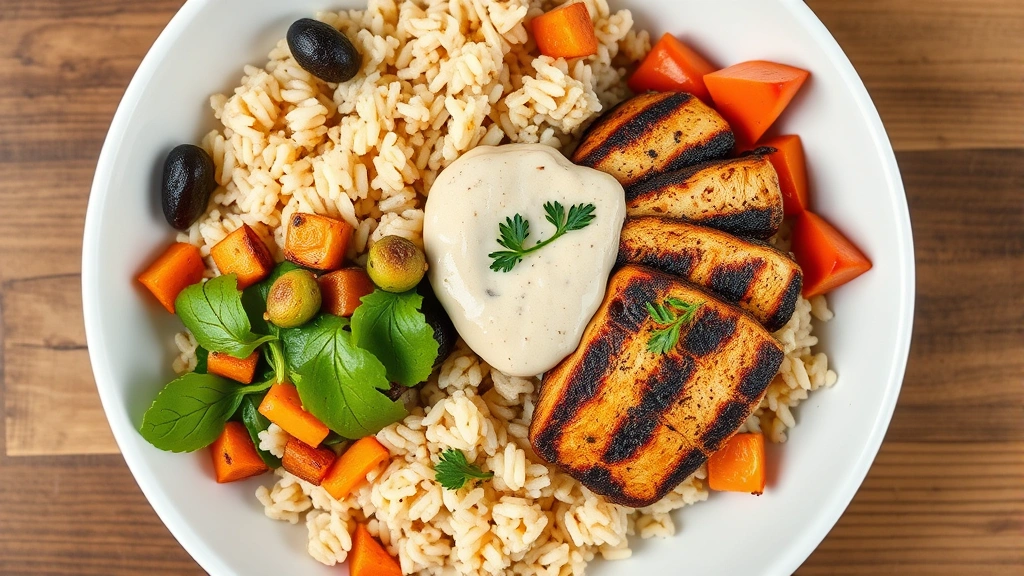
Master the rice bowl concept and you’ve solved lunch for weeks. Cook jasmine or basmati rice (naturally gluten-free) as your base. Layer with roasted vegetables, a protein source, and a flavorful sauce. The magic happens in the sauce—this is where basil oil recipes and other homemade condiments elevate simple ingredients into something crave-worthy.
Build your bowl with: cooked rice, roasted broccoli or Brussels sprouts, grilled chicken or baked tofu, and a tahini-lemon dressing (tahini, lemon juice, water, garlic, salt). This bowl is endlessly customizable. Swap proteins, swap vegetables, keep the framework. You’ve got 20+ different meals from one basic structure.
Protein-Packed Alternatives
Beyond chickpeas, you need reliable proteins. Eggs are your friend—scrambled, baked, or poached. Ground turkey or beef seasoned with cumin and garlic makes taco filling without any gluten concerns. Salmon cooked skin-side down in a hot pan for 6 minutes per side delivers omega-3s and genuine satisfaction.
Don’t overlook plant-based options either. Make cashew cheese recipes for richness and creaminess without dairy. Blend soaked raw cashews with lemon juice, nutritional yeast, and garlic. This becomes your substitute for ricotta, cream cheese, or mozzarella in various applications. It’s not trying to fool anyone into thinking it’s dairy—it’s genuinely delicious in its own right.
Vegetable-Forward Dishes
Build meals around vegetables rather than treating them as side dishes. Roast a sheet pan of mixed vegetables—zucchini, bell peppers, mushrooms, carrots—with olive oil, salt, and herbs. Serve alongside dirty rice recipes for a complete, satisfying meal. The vegetables caramelize and develop deep flavor through high-heat roasting.
Try sautéed mushrooms with garlic and thyme as a bed for grilled fish or chicken. Use chanterelle recipes when you can find them—these golden mushrooms have natural richness that requires minimal intervention. Just clean them gently, sauté in olive oil with shallots, finish with fresh herbs.
Sauce and Seasoning Base
Here’s what separates good gluten free dairy free cooking from great cooking: sauces. You can’t rely on cream or butter-flour roux, so you build flavor differently. Make a basic tomato sauce: sauté garlic in olive oil, add canned tomatoes, simmer 15 minutes with salt and pepper. This becomes your base for countless meals.
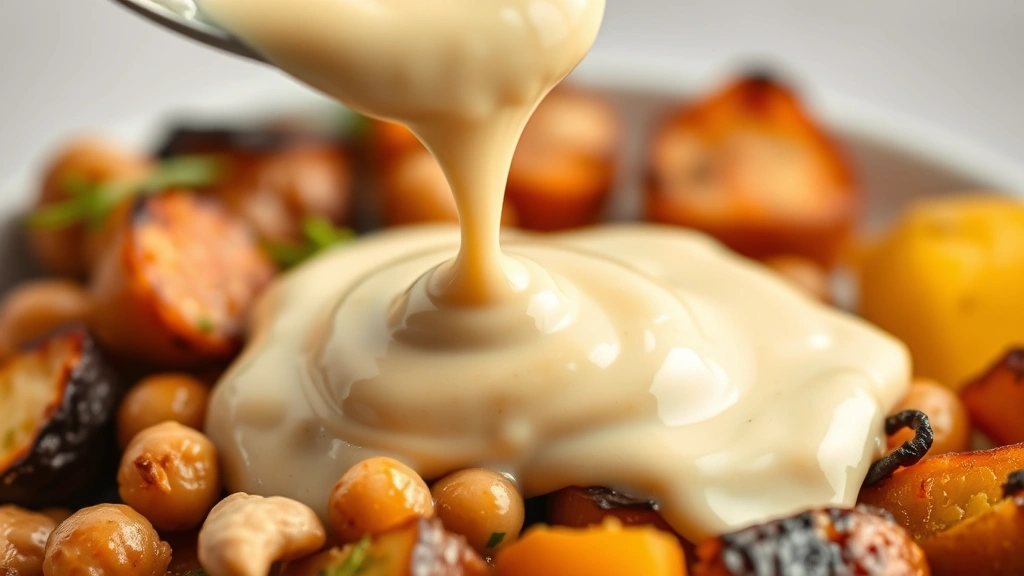
Learn to make vinaigrettes—olive oil, acid (lemon or vinegar), mustard, salt, pepper. This ratio works every time. Make creamy sauces with avocado blended with lime juice and garlic. Make Asian-inspired sauces with coconut aminos (soy sauce replacement), ginger, and garlic. These techniques replace the cream-based sauces you’re avoiding.
Breakfast Solutions
Don’t default to cereal or toast. Start your day with eggs—scrambled with vegetables, baked in a muffin tin with meat and peppers, or fried over roasted vegetables. Make a smoothie with coconut milk, frozen fruit, and a protein powder (check it’s gluten-free). Cook a pot of rice porridge (congee) the night before, then reheat with bone broth for a savory breakfast.
Prepare carrot drink recipe juice options for quick nutrition. Fresh-pressed juice or blended smoothies with carrots, ginger, and apple give you breakfast in a glass when mornings get hectic. Make a batch of egg muffins on Sunday—beat eggs with diced vegetables, pour into muffin tins, bake at 350°F for 20 minutes. Grab two or three during the week.
Dessert Options
Dessert without gluten or dairy requires different techniques, but it’s absolutely doable. Bake with almond flour or coconut flour instead of wheat flour. Use maple syrup or honey for sweetness. Make chocolate mousse with avocado and cocoa powder—sounds weird, tastes incredible and genuinely creamy without any dairy.
Try coconut flour brownies (use a recipe specifically designed for coconut flour since it absorbs more liquid than regular flour). Make fruit-based desserts: baked apples with cinnamon, berry compote with coconut cream, grilled pineapple with cinnamon. These feel like indulgences but align with your dietary needs.
Meal Prep Strategy
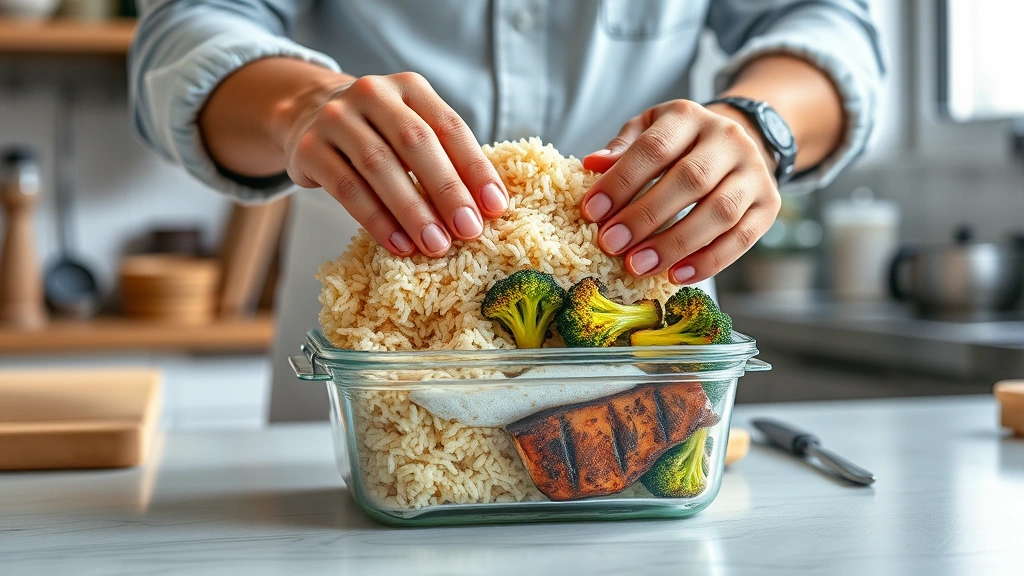
The difference between sustainable eating and abandoning your plan is preparation. Dedicate two hours on Sunday to cooking. Roast a sheet pan of vegetables. Cook a pot of rice. Grill several chicken breasts. Make a big batch of curry. Store these components in glass containers. During the week, you’re simply assembling meals from pre-cooked pieces rather than starting from scratch every night.
This isn’t about eating the same meal repeatedly. It’s about having building blocks ready. Monday you make a rice bowl. Tuesday you make a lettuce wrap with the same chicken. Wednesday you add the chicken to a salad. Same protein, completely different meals, minimal daily effort.
Frequently Asked Questions
Are all rice and beans naturally gluten-free?
Yes, plain rice and plain beans are naturally gluten-free. The risk comes from processing and cross-contamination. Buy certified gluten-free products if you have celiac disease or severe sensitivity. Store-brand rice and dried beans are usually safe, but check labels for any added ingredients or processing notes.
What’s the best dairy-free substitute for butter in cooking?
Coconut oil works beautifully for high-heat cooking and adds subtle flavor. Olive oil is perfect for medium-heat cooking and dressings. For baking, use coconut oil or dairy-free butter (like Earth Balance). Each has different properties, so match the substitute to the cooking method.
How do I make sure I’m getting enough protein on a plant-based gluten-free diet?
Combine incomplete proteins throughout the day. Beans with rice, nuts with seeds, lentils with vegetables. Include eggs if you eat them—one egg has 6 grams of complete protein. Add hemp seeds, pumpkin seeds, and nuts to meals. Consider a quality plant-based protein powder for smoothies.
Can I eat out at restaurants with these dietary restrictions?
Absolutely. Asian restaurants (rice-based dishes), Mexican restaurants (corn-based options), and Mediterranean restaurants (grilled proteins and vegetables) offer naturally gluten-free and dairy-free options. Always inform your server about your restrictions. Most restaurants will accommodate if you ask clearly.
How long do prepped meals stay fresh?
Cooked proteins last 3-4 days. Cooked rice and vegetables last 4-5 days. Store in airtight glass containers. Dress salads and grain bowls just before eating to prevent sogginess. Sauces in separate containers let you assemble meals throughout the week without everything getting soggy.
Master Your Kitchen
You don’t need to be a chef to cook excellent gluten free dairy free recipes regularly. You need to understand basic techniques, know your flavor-building methods, and commit to simple meal prep. These ten essential meals represent different cooking methods, flavor profiles, and ingredient combinations. Master them and you’ll cook confidently whether you’re following dietary restrictions or just choosing to eat whole foods.
Start with the chickpea curry this week. Make a rice bowl next week. Build your skills incrementally. In a month, you’ll have more reliable meals in your rotation than most people. That’s the real power of mastering fundamentals—freedom, not restriction.


