
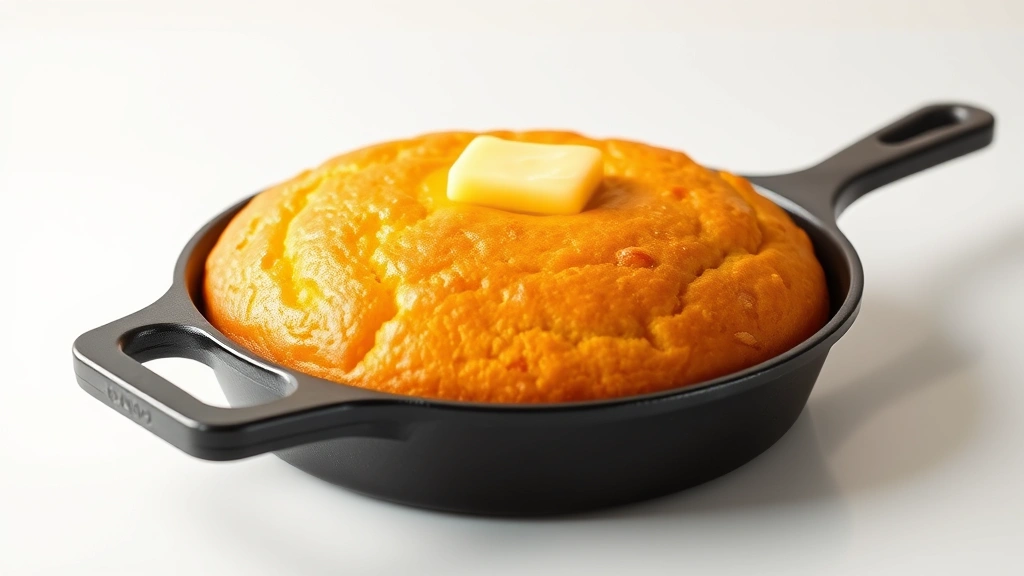
A solid gluten free cornbread recipe is one of those kitchen wins that changes everything—especially when you’ve been stuck making dense, crumbly batches that disappear faster than you can say ‘pass the butter.’ I’ve tested this formula dozens of times in my workshop kitchen, tweaking ratios and techniques until I nailed that perfect golden crust with a tender, moist crumb that rivals any traditional version.
Table of Contents
Why Gluten-Free Matters
When you remove gluten from cornbread, you’re removing the protein structure that holds everything together. That’s not a problem—it’s just a different challenge. Gluten creates elasticity and trap air bubbles naturally. Without it, your batter needs reinforcement from other ingredients. This gluten free cornbread recipe uses a strategic blend of starches and binding agents to replicate that structure without any weird aftertaste or gummy texture.
The beauty of going gluten-free here is that cornbread actually benefits from a slightly different approach. You get to control the moisture level more precisely, which means fewer dry corners and a more consistent crumb throughout.
Flour Blend Foundation
The backbone of any successful gluten free cornbread is your flour blend. I use a 1:1 gluten-free all-purpose flour as my base, but I always add 15% cornstarch by weight to the mix. This prevents that heavy, bean-flour taste that some blends carry.
Here’s why the ratio matters: straight GF all-purpose flour has too much protein density. Adding cornstarch lightens the crumb and improves the rise. If you’re using a commercial blend that already contains xanthan gum, you’re golden—skip adding more. If not, add 1/4 teaspoon per cup of flour blend.
I’ve tested this with Bob’s Red Mill, King Arthur, and store brands. All work, but consistency varies slightly. My go-to move is mixing my own: 1 cup all-purpose GF flour + 1/4 cup cornstarch + 1/4 cup tapioca starch.
Moisture Is Key
This is where most gluten-free cornbread fails. The recipe needs more liquid than traditional versions because GF flours absorb moisture differently. I use a combination of buttermilk and melted butter—the buttermilk adds tang and tenderness, while butter carries flavor and prevents drying.
The sour dairy component also reacts with baking soda to create lift. Don’t skip this chemistry—it’s doing heavy lifting for your rise. If you can’t do buttermilk, use plain yogurt thinned with milk, or add 1 tablespoon lemon juice to regular milk and let it sit 5 minutes.
Eggs are your second moisture ally. They emulsify the batter, creating a finer crumb structure. Use room-temperature eggs—they mix more smoothly and incorporate air better.
Ingredient Breakdown
Here’s the exact formula I use for a 9-inch cast iron skillet:
Dry Ingredients:
- 1 cup cornmeal (polenta works too, slightly coarser)
- 1 cup gluten-free all-purpose flour blend
- 1/4 cup cornstarch
- 1/4 cup sugar (or honey—add with wet ingredients)
- 1 tablespoon baking powder
- 1/2 teaspoon baking soda
- 1 teaspoon salt
Wet Ingredients:
- 1 cup buttermilk
- 2 large eggs
- 4 tablespoons melted butter
- 1 tablespoon honey (optional, but adds moisture)
The cornmeal-to-flour ratio is crucial. Too much cornmeal and you get gritty texture; too little and it doesn’t taste like cornbread. This 1:1 ratio hits the sweet spot.
Step-by-Step Method
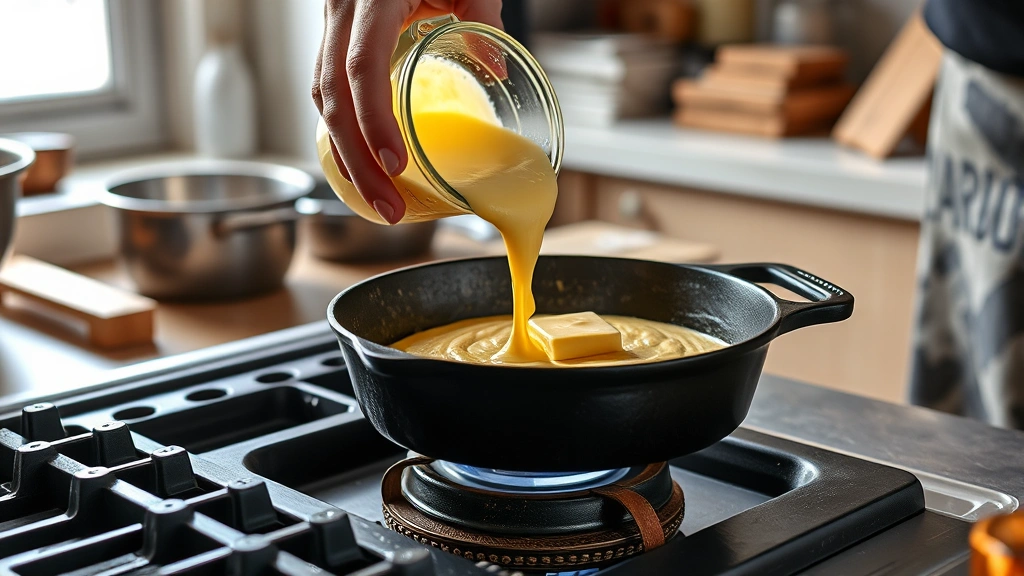
Prep Work (5 minutes): Preheat your oven to 400°F. Put a 9-inch cast iron skillet in there with 1 tablespoon butter inside. You want that pan screaming hot and the butter melted and foaming. This creates the golden crust that makes people ask for seconds.
Dry Mix (2 minutes): Whisk together cornmeal, flour blend, cornstarch, sugar, baking powder, baking soda, and salt in a large bowl. Make sure there are no lumps in the baking soda—it clumps easily. I use a fork to break these up.
Wet Mix (3 minutes): In another bowl, whisk buttermilk, eggs, melted butter, and honey until combined. Don’t overwork it—you’re just incorporating, not aerating.
Combine (1 minute): Pour wet into dry and stir until just combined. This is critical—overmixing develops gluten in your GF flour and makes the crumb tough. A few small lumps are fine. Lumps disappear during baking; overworked batter doesn’t.
Bake (20-25 minutes): Carefully remove the hot skillet from the oven and pour batter into it. The butter should sizzle. Return to oven immediately. Bake until a toothpick inserted in the center comes out clean and the top is golden brown. For a cast iron skillet, 22 minutes is usually perfect. Adjust down 2-3 minutes if using a glass 9×9 baking pan.
Cool (10 minutes): Let it rest in the pan for 10 minutes. This allows the structure to set. Cut into squares and serve warm with butter and honey.
Texture Troubleshooting
If your cornbread came out dense: You either overmixed the batter or your baking soda was old. Baking soda loses potency after opening—replace yearly. Also check that your oven actually hits 400°F with an oven thermometer. Ovens lie.
If it’s too crumbly: Your flour blend might be off. This usually means too much cornmeal or not enough binder. Add an extra egg next time or increase buttermilk by 2 tablespoons.
If the top cracks heavily: That’s actually fine—it’s character. But if you want a smoother top, reduce oven temp to 375°F and add 3-4 minutes to baking time. Lower heat = slower rise = fewer cracks.
If it’s gummy inside: Your oven temp might be too low, or you didn’t bake long enough. Check with a toothpick—it should come out clean, not wet.
Serving Suggestions
Fresh cornbread is best served warm, straight from the skillet. I always have compound butter ready—softened butter mixed with honey and a pinch of cayenne. That flavor combination is unbeatable.
This cornbread pairs perfectly with chili, pulled pork, or Cajun rice. It also works as a side for American chop suey if you’re going for that comfort food vibe. For something with more kick, serve alongside adobo sauce for dipping.
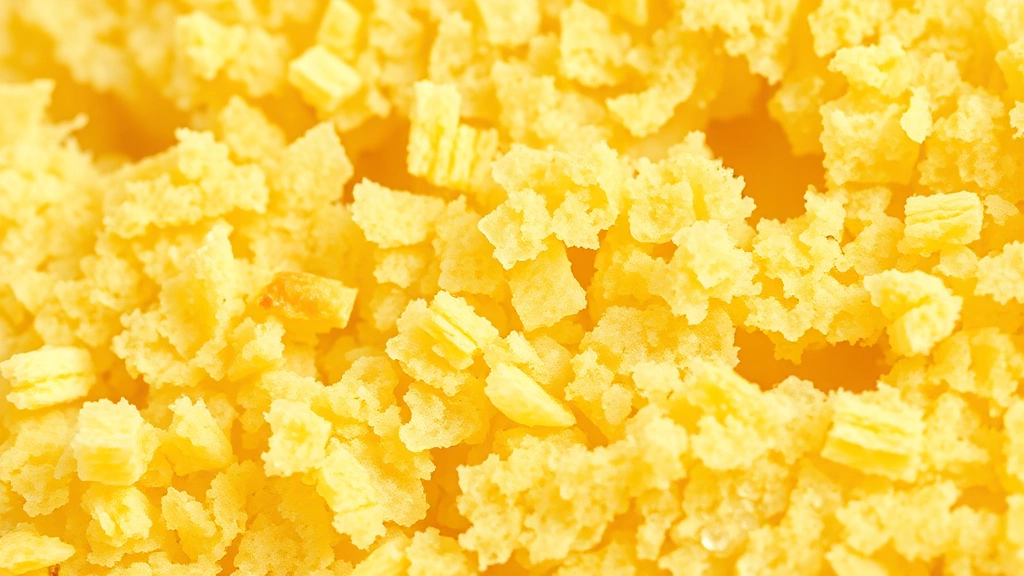
You can also crumble leftover cornbread into soups or use it as a base for cornbread salad. If you’re preserving harvest vegetables, it pairs well with canning salsa as a side.
Storage Tips
Cornbread stays fresh in an airtight container at room temperature for 3 days. After that, it starts drying out. Freezing is your friend—wrap cooled cornbread tightly in plastic wrap and foil, then freeze for up to 3 months.
To reheat: Wrap in foil and warm at 350°F for 10 minutes, or microwave a single square for 15-20 seconds. Microwaving dries it faster, so foil heating is better for larger batches.
Don’t refrigerate it. Cold temperatures accelerate staling in cornbread. Room temperature or freezer only.
Frequently Asked Questions
Can I use regular cornmeal instead of polenta?
Yes, absolutely. Regular cornmeal and polenta are basically the same thing—polenta is just the Italian name and usually coarser ground. Either works fine in this gluten free cornbread recipe. The texture might be slightly different (coarser polenta = grittier cornbread), but both are delicious.
What if I don’t have buttermilk?
Make a substitute: Pour 1 tablespoon lemon juice or white vinegar into a measuring cup, then fill to 1 cup with regular milk. Let it sit 5 minutes before using. It won’t taste identical, but it activates the baking soda the same way and adds the necessary acidity.
Can I make this in a muffin tin?
Totally. Divide batter evenly among a greased 12-cup muffin tin. Bake at 400°F for 15-18 minutes. You’ll get 12 cornbread muffins instead of one skillet. They’re perfect for meal prep or individual portions.
Is this recipe dairy-free?
Not as written—it uses buttermilk and butter. To make it dairy-free, substitute buttermilk with unsweetened almond milk mixed with 1 tablespoon apple cider vinegar, and use melted coconut oil instead of butter. The flavor changes slightly (coconut oil adds subtle sweetness), but the texture stays solid.
Can I add jalapeños or cheese?
Yes. Fold in 1 cup shredded cheddar cheese and/or 1/2 cup diced jalapeños after combining wet and dry ingredients. This adds flavor without affecting the structure. If using fresh jalapeños, pat them dry first to avoid excess moisture.
Why does my cornbread sink in the middle?
Usually means your oven temperature is inconsistent or you opened the oven door too early. Baking is a race against time—opening the door before the structure sets causes collapse. Also, make sure your baking powder and baking soda are fresh and properly measured.
How do I know when it’s done?
The toothpick test is reliable: insert a toothpick in the center. It should come out clean or with just a few moist crumbs. The top should be golden brown and spring back when you lightly press it with your finger.


