
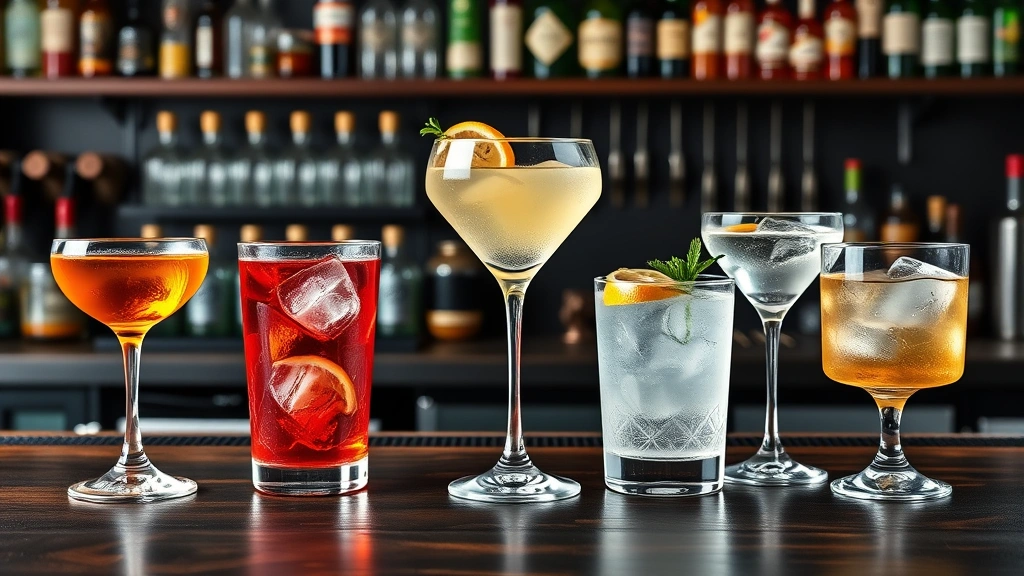
Learning gin drink recipes is one of the best skills you can pick up if you want to impress friends or just elevate your home bar game. Whether you’re hosting a dinner party or mixing up something smooth after work, mastering a solid lineup of gin cocktails opens up a whole world of flavor possibilities. This guide walks you through 10 essential cocktails that every gin enthusiast should know how to make—no fancy equipment needed, just quality ingredients and a little technique.
Table of Contents
The Classic Martini
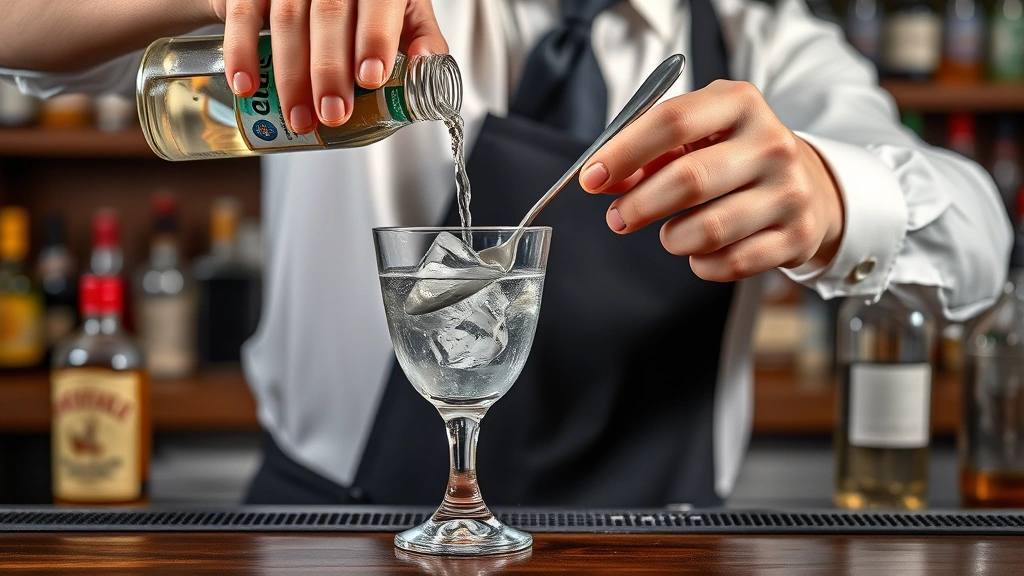
The martini is the king of gin cocktails, and once you nail it, you’ve got serious credibility behind the bar. The basic formula is simple: gin, dry vermouth, and a stirring technique that matters more than most people realize. Start with a mixing glass filled with ice—real ice, not those tiny cubes. Pour 2 ounces of quality gin (London Dry style works great) and add just ½ ounce of dry vermouth. Some folks go drier and use even less vermouth, but don’t skip it entirely; that vermouth adds complexity and balance.
Stir for about 30 seconds until the mixture is ice-cold and slightly diluted. The key is that slow, deliberate stirring—it chills the drink properly and integrates the vermouth without bruising the gin. Strain into a chilled coupe or martini glass and garnish with either an olive or a lemon twist. The olive brings a salty, briny note that complements the botanicals in gin beautifully. If you go the lemon route, express the oils over the drink by twisting it over the surface, then drop it in. That citrus oil makes a real difference in the final sip.
Perfect Gin & Tonic
You’d think a gin and tonic would be foolproof, but there’s an art to getting it truly perfect. The ratio matters: 1 part gin to 3 parts quality tonic water is the sweet spot, though you can adjust based on your gin’s intensity. Use a highball glass filled with large ice cubes—they melt slower and keep your drink cold longer without watering it down too fast. Pour your gin first (1.5 to 2 ounces), then add the tonic slowly, stirring gently as you go.
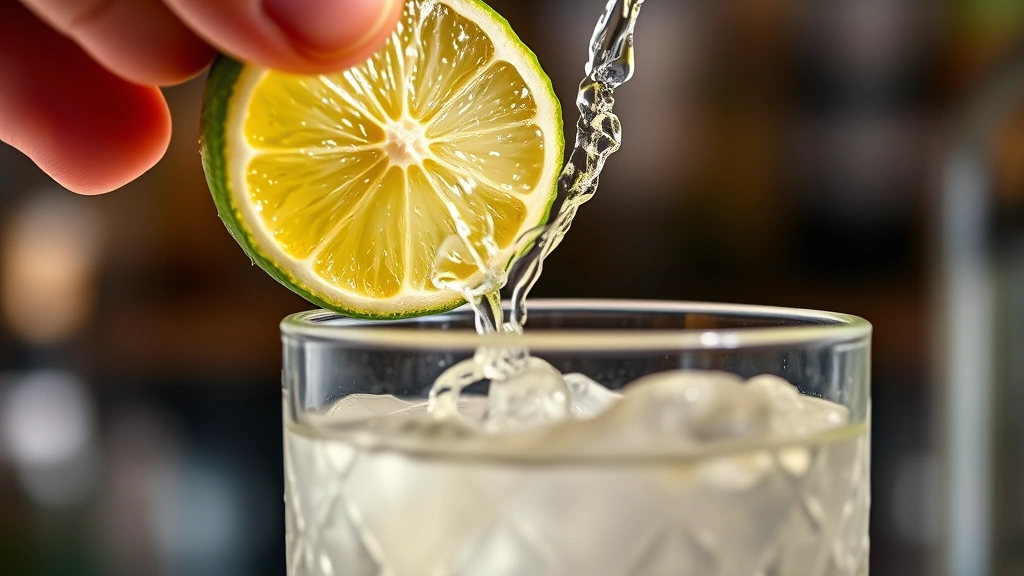
The tonic water choice is crucial. Avoid the cheap stuff; invest in a quality brand like Fever-Tree or Q Tonic. These have better quinine balance and won’t overpower your gin’s botanicals. Squeeze fresh lime or lemon over the top—never use bottled juice. The fresh citrus brightens everything and adds that final professional touch. For extra flair, add a sprig of fresh rosemary or a cucumber slice, but keep it simple. The gin and tonic should taste like gin and tonic, not a garden salad.
Negroni Mastery
The Negroni is a three-ingredient powerhouse that teaches you about balance and bitter flavors. Equal parts gin, Campari, and sweet vermouth—that’s 1 ounce of each—makes the classic ratio. The beauty of this drink is how those three ingredients play off each other: the gin brings botanical complexity, the Campari adds bright bitterness and gorgeous color, and the sweet vermouth rounds everything out with herbal sweetness.
Build the drink right in your serving glass (usually a rocks glass) filled with one large ice cube or several smaller ones. Stir for 15-20 seconds to chill and integrate the flavors. Garnish with an orange twist—that citrus oil is essential here. The orange complements both the Campari and the vermouth in ways that really elevate the whole experience. Some bartenders flame the orange peel over the drink to caramelize the oils slightly, which adds a subtle smokiness. It’s a small touch, but it shows you care about the craft.
Gimlet Basics
A Gimlet is where gin meets fresh lime juice and a touch of sweetness—it’s crisp, balanced, and incredibly refreshing. The traditional recipe uses gin and lime cordial (Rose’s is the classic choice), but making it with fresh lime juice and a bit of simple syrup tastes better and gives you more control. Mix 2 ounces of gin with ¾ ounce of fresh lime juice and ½ ounce of simple syrup in a cocktail shaker with ice.
Shake hard for about 10 seconds—you want it really cold and slightly frothy on top. Strain into a coupe glass and garnish with a lime wheel. The shaking technique matters here because it aerates the drink and creates a silky texture that you won’t get from stirring. The lime juice should be bright and tart, so squeeze it fresh right before mixing. If you’re making multiple gimlets, you can prep the lime juice in advance, but use it within a few hours for best results. This is the kind of gin drink recipe that works perfectly as a warm-weather sipper.
Daiquiri-Style Gin Sour
While the classic daiquiri uses rum, a gin version—sometimes called a Gin Sour—follows the same clean, balanced formula. Combine 2 ounces of gin, ¾ ounce of fresh lemon juice, and ½ ounce of simple syrup in a shaker with ice. This ratio gives you a drink that’s tart without being puckering, and sweet enough to be balanced but not cloying.
Shake vigorously for 10-12 seconds until the shaker gets frosty on the outside. Strain into a chilled coupe glass and consider adding a frothy egg white for a silkier texture (use pasteurized eggs if you’re concerned about food safety). The egg white creates a beautiful layer of foam on top and makes the whole drink feel more luxurious. If you skip the egg white, that’s fine—the drink is delicious either way. A lemon wheel garnish finishes it off nicely. This is a fantastic template for understanding how gin works with citrus and sweetness, which is foundational knowledge for mastering gin drink recipes.
Tom Collins Method
The Tom Collins is basically a gin sour stretched out with soda water—it’s light, refreshing, and perfect for afternoon drinking. Start with 2 ounces of gin, ¾ ounce of fresh lemon juice, and ½ ounce of simple syrup in a shaker with ice. Shake it just like you would a gimlet or sour, then strain into a tall glass (a Collins glass, naturally) filled with fresh ice.
Top with 2-3 ounces of soda water and stir gently to combine. Garnish with a cherry and a lemon wheel for the full classic presentation. The soda water makes this drink lower in alcohol than a straight cocktail, so it’s easier to sip over a longer period. The carbonation also adds a pleasant tingle that keeps the drink feeling fresh and lively. You can batch these for a party by mixing the gin, lemon juice, and simple syrup in advance, then adding ice and soda water individually for each drink. It’s a crowd-pleaser that doesn’t require much skill but always impresses.
Last Word Cocktail
The Last Word is a sophisticated gin cocktail that balances four equal parts: gin, green Chartreuse, crème de maçon (or maraschino liqueur), and fresh lime juice. Use ¾ ounce of each ingredient and shake with ice for about 10 seconds. The result is a bright, herbal, slightly sweet drink with complex layers of flavor. Strain into a coupe glass and garnish with a lime wheel or cherry.
This drink is a bit more adventurous than the classics, and it really showcases how gin works with other botanical liqueurs. The green Chartreuse brings herbaceous notes that complement gin’s botanicals beautifully, while the maraschino adds a subtle almond-like sweetness that ties everything together. The lime juice keeps it from being too heavy or sweet. If you’re serious about mastering gin drink recipes, the Last Word teaches you about balance and how different botanical ingredients can work in harmony. It’s the kind of cocktail that makes you look like you actually know what you’re doing.
Aviation Drink Guide
The Aviation is another gin classic that deserves respect—it’s elegant, slightly floral, and a bit challenging to get right. The recipe calls for 2 ounces of gin, ½ ounce of maraschino liqueur, ½ ounce of crème de violette (or violet liqueur), and ¾ ounce of fresh lemon juice. The violet liqueur is what makes this drink special; it gives it a subtle floral note and that distinctive pale purple color.
Shake all ingredients with ice for about 10 seconds, then strain into a coupe glass. Garnish with a cherry. The balance here is delicate—if you use too much violet liqueur, the drink gets weird and perfume-like. Stick to the measurements and you’ll get something genuinely special. The maraschino and violet liqueurs are both sweet, so the lemon juice is essential to keep the drink from tasting like candy. This is a drink that shows off your knowledge and your commitment to quality cocktails. If you want to really impress someone, master the Aviation.
Essential Bartending Tools
You don’t need a ton of equipment to make excellent gin drink recipes, but a few key tools make the job easier and produce better results. A cocktail shaker is essential—get either a Boston shaker (two-piece metal) or a cobbler shaker (three-piece with a built-in strainer). A bar spoon with a long handle lets you stir drinks properly without reaching into the glass. A jigger (measuring cup) ensures consistent pours, which is crucial for balance. A strainer fits over the mixing glass to keep ice out of your finished drink.
A citrus juicer or reamer helps you extract maximum juice from lemons and limes without getting seeds everywhere. A bar muddler is useful for drinks that require crushing herbs or fruit (like mojitos or some gin sours with fruit). You’ll also want a mixing glass (separate from your shaker) for stirred drinks like martinis and negronis. None of these tools are expensive, and they all make a real difference in the quality of your final product. Think of them as an investment in your home bar craft. Quality ice is equally important—if you can, invest in an ice maker that produces large cubes or a Lewis bag and ice mallet for crushing ice properly.
Ingredient Quality Matters
The secret to great gin drink recipes isn’t complicated techniques—it’s using quality ingredients. Start with a good gin. London Dry style gins like Beefeater or Tanqueray are reliable workhorses, but don’t be afraid to explore other options. Different gins have different botanical profiles, so experimenting helps you understand what you like. Fresh citrus is non-negotiable; always use fresh-squeezed lemon and lime juice, never the bottled stuff. The difference is night and day.
Invest in quality vermouth, Campari, and other modifiers. Cheap versions will make your cocktails taste cheap no matter how good your technique is. Simple syrup is easy to make at home—just equal parts sugar and water, heated until the sugar dissolves, then cooled. Store it in the fridge and it lasts about a month. Fresh ice matters too; if your home ice tastes weird, consider buying it or using filtered water to make your own. These ingredient choices are where most home bartenders go wrong. They’ll learn perfect technique but use mediocre spirits and wonder why their drinks don’t taste as good as they should. Don’t make that mistake.
Frequently Asked Questions
What’s the best gin for beginners?
Beefeater or Tanqueray are excellent starting points. They’re reliable, reasonably priced, and work well in most classic gin drink recipes. Once you understand how gin works in cocktails, you can experiment with other styles and flavor profiles. London Dry gins are the safest bet because they have a consistent botanical profile that works across different drinks.
Should I stir or shake gin cocktails?
The general rule: stir drinks made with only spirits (like martinis and negronis), and shake drinks that contain citrus juice, cream, or egg white. Shaking aerates the drink and creates a colder, slightly frothy result. Stirring is more elegant and produces a silky texture. Both techniques have their place in gin drink recipes.
Can I make gin cocktails without fresh citrus?
Technically yes, but you shouldn’t. Fresh lemon and lime juice make a massive difference in taste. Bottled juice tastes flat and artificial by comparison. If fresh citrus isn’t available, it’s better to make a different drink than to compromise on quality. Fresh juice takes two minutes to squeeze and transforms your cocktails.
What’s the difference between gin and vodka cocktails?
Gin brings botanical complexity and flavor; vodka is neutral and lets other ingredients shine. Gin cocktails taste like gin—you’re meant to taste those botanicals. Vodka cocktails are more about the other ingredients. For learning cocktail fundamentals, gin is actually better because it teaches you how different ingredients interact.
How do I chill my glasses properly?
Fill your glass with ice and a splash of cold water, let it sit for a minute while you make the drink, then dump the ice and water before straining your cocktail into it. Alternatively, stick your glasses in the freezer for 15 minutes before serving. A chilled glass keeps your drink cold longer and improves the overall experience.
Is expensive gin always better?
Not necessarily. There are excellent mid-range gins that work beautifully in cocktails. Once you spend a certain amount, you’re often paying for the brand or unique botanicals that might be wasted in a mixed drink. For classic gin drink recipes, a solid mid-range option (around $25-35) is usually the sweet spot.
Mastering Your Gin Game
These 10 essential gin drink recipes give you a solid foundation for home bartending. The real skill isn’t memorizing recipes—it’s understanding the principles: balance between spirits and modifiers, proper technique with shaking and stirring, quality ingredients, and attention to detail in garnishing. Start with the martini and gin and tonic, master those, then work your way through the more complex drinks like the Last Word and Aviation.
Keep practicing, taste everything critically, and don’t be afraid to adjust recipes slightly based on your preferences. Some people like their martinis drier or wetter, their negronis with different vermouth brands, their gimlets with less or more sweetness. Once you understand the fundamentals, you can make informed adjustments instead of just guessing. The best part about learning gin drink recipes is that it’s an endless journey—there are hundreds of classic cocktails to explore, and new ones being created all the time. Your home bar is your laboratory, and every drink you make teaches you something new about how gin works with other ingredients. Now get behind that bar and start mixing.
For more cocktail inspiration, check out our guide on Buttery Nipple Recipe for sweet shot options, or explore Fall Crockpot Recipes for entertaining ideas. You might also enjoy learning about Chick-fil-A Sauce Recipe for pairing with appetizers at your next cocktail party.
For professional cocktail techniques and ingredient guidance, visit Family Handyman for entertaining tips, This Old House for hosting advice, and Bob Vila for kitchen equipment recommendations.


