
Learning how to get rid of german roaches is one of the most practical skills any homeowner can develop, because these stubborn pests multiply faster than almost any other household invader and can turn a clean home into a nightmare in weeks. I’ve dealt with plenty of infestations over the years, and I can tell you straight: German roaches aren’t like other bugs—they’re smarter, tougher, and require a completely different approach than what works on other insects.
Table of Contents
Identify Your Enemy First
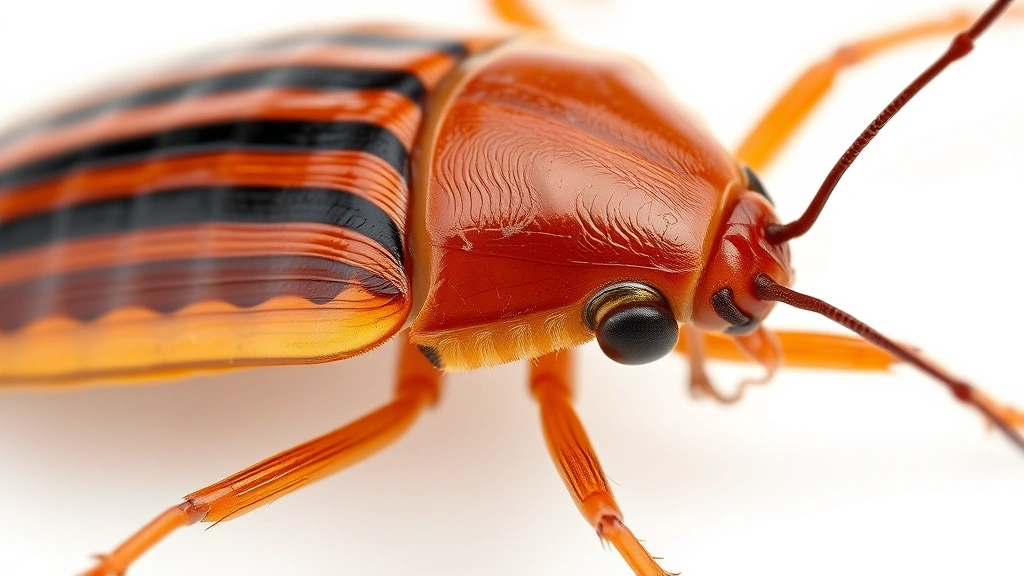
Before you can tackle how to get rid of german roaches, you need to know exactly what you’re looking at. German roaches are small—about half an inch to five-eighths of an inch long—and they’re tan or light brown with two dark stripes running down their backs. They’re different from American roaches, which are much larger and reddish-brown. German roaches have wings but rarely fly. They’re nocturnal, so you’ll mostly see them at night when you flip on a kitchen light.
The reason identification matters is that different roach species respond to different treatments. If you misidentify what you’ve got, you’ll waste time and money on ineffective solutions. Look closely at any roaches you spot, and compare them to photos online. Pay attention to size, color, and those distinctive stripes.
Why They Spread So Fast
German roaches reproduce at an alarming rate. A single female can produce 4 to 8 oothecae (egg cases) in her lifetime, and each case contains 30 to 40 nymphs. That means one roach can be responsible for hundreds of offspring in just a few months. They also reach maturity quickly—about 60 days from egg to adult—so generations overlap constantly.
This is why you can’t just spray once and call it done. You need a sustained, multi-pronged approach that targets roaches at every life stage. Eggs are protected inside those hard cases, so many pesticides won’t touch them. Nymphs and adults have different vulnerabilities. Your strategy needs to account for this biological reality.
Clean Ruthlessly and Completely
This is step one, and I can’t stress this enough: German roaches need food and water to survive. Remove those, and you remove their primary reason to stay. Start in the kitchen because that’s where they congregate.
Clean under and behind appliances—the refrigerator, stove, dishwasher. These are roach havens. Move furniture away from walls and clean thoroughly underneath. Wipe down all surfaces, including the tops of cabinets where grease accumulates. Don’t forget baseboards and corners where crumbs hide. Vacuum every day for at least two weeks, then several times a week for a month. Empty the vacuum outside immediately after each use.
Remove all sources of food: keep pantry items in sealed containers, don’t leave dirty dishes out, take out trash daily, and clean up spills immediately. Roaches can survive on minimal food, so even crumbs matter. Pet food should be picked up at night, not left sitting around.
Eliminate All Water Sources
Water is actually more critical than food for German roaches. They can survive weeks without eating but only days without water. Fix every dripping faucet, leaky pipe, and standing water source in your home. This includes condensation under sinks, water rings around plant pots, and even the small amount of water that sits in sink drains.
Dry the sink before bed. Wipe down the bathroom after showers. Check under cabinets for hidden leaks. In the laundry room, make sure hoses aren’t dripping. This step alone can make your home far less attractive to roaches, even before you deploy any treatments.
Deploy Gel Baits Strategically
Gel baits are among the most effective tools for eliminating German roaches. Products like Combat or Advion contain insecticides mixed with attractants that roaches can’t resist. The roaches eat the bait, return to their hiding spots, and die. Even better, they share the poison with other roaches through their droppings, creating a cascading effect.
Place baits along baseboards, in corners, under sinks, behind appliances, and anywhere you’ve seen roach activity. Put them in cabinets, under the stove, and in the bathroom. The key is coverage—you want baits everywhere roaches travel. Replace baits every two weeks or as directed on the package. Don’t spray pesticides around baits; chemicals can interfere with their effectiveness.
Gel baits work best as part of a complete strategy. They’re not a standalone solution, but combined with cleaning and other methods, they’re incredibly effective.
Boric Acid Powder Applications
Boric acid is an old-school treatment that still works well for German roaches. It’s a desiccant, meaning it dries out the roach’s exoskeleton, causing death. Roaches walk through the powder, groom themselves, and ingest it—multiple routes of exposure make it effective.
Apply boric acid powder in thin, light layers along baseboards, behind appliances, in cabinet corners, and along pipes. A light dusting is more effective than a thick layer because roaches will avoid walking through obvious piles. You want them to encounter it naturally as they move through their pathways.
Important safety note: Boric acid is toxic to humans and pets if ingested. Keep it away from children and animals. Apply it in areas where roaches travel but people and pets don’t frequent, like behind appliances and inside wall voids. Wear gloves and a mask when applying. If you have young children or pets, skip this method or use it with extreme caution.
Diatomaceous Earth Method
Food-grade diatomaceous earth (DE) is another desiccant option and it’s safer around kids and pets than boric acid. It works similarly—the tiny particles damage the roach’s protective coating, causing dehydration and death.
Apply DE in the same locations as boric acid: baseboards, behind appliances, under sinks, in cabinet corners. Use a duster to apply it evenly in thin layers. The powder needs to stay dry to be effective, so avoid areas prone to moisture. Reapply after cleaning or if the powder gets wet.
DE takes longer to work than gel baits or boric acid, but it’s effective and safer for households with children and pets. Many people combine DE with gel baits for a one-two punch.
Seal Every Crack and Gap
German roaches hide in tiny spaces—cracks in walls, gaps around pipes, spaces between cabinets and walls. Sealing these hideouts forces them into the open where your treatments are more effective.
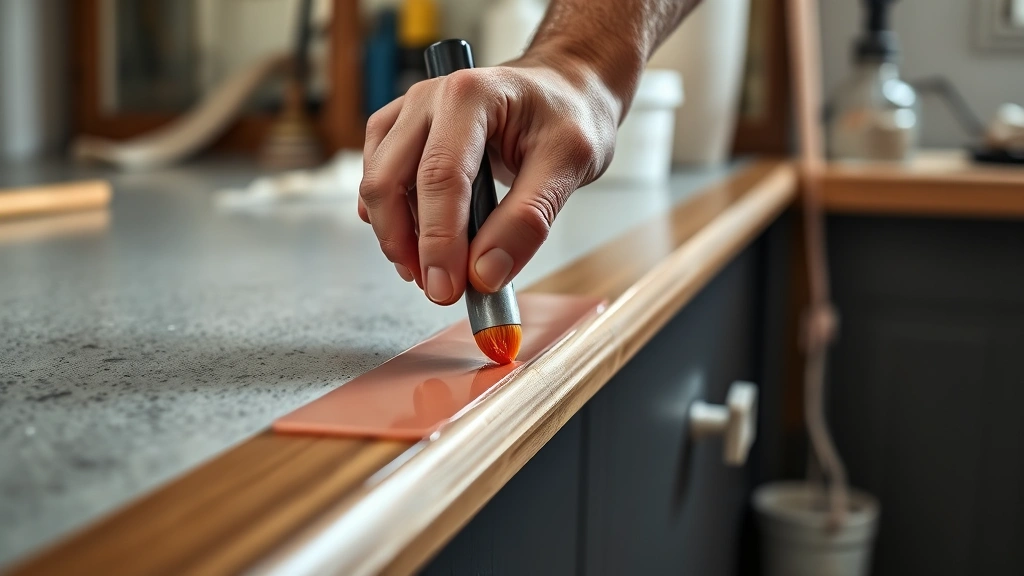
Caulk cracks in baseboards, walls, and around pipes. Seal gaps around cabinet edges and where countertops meet walls. Use expandable foam to fill larger gaps. Pay special attention to areas around plumbing because roaches are drawn to water and pipes provide both shelter and moisture.
This step also prevents roaches from moving between rooms and spreading the infestation. Combined with your other efforts, it significantly improves your chances of complete elimination.
When to Call Professionals
If after two to three weeks of aggressive treatment you’re still seeing roaches regularly, it’s time to call a professional pest control company. Severe infestations sometimes require professional-grade treatments that homeowners can’t access, like aerosol foggers or heat treatments.
Professionals have experience identifying the extent of infestations and can treat areas you might miss. They also have access to more potent insecticides and can provide follow-up treatments on a schedule. For a serious infestation, this investment pays off in peace of mind and faster results.
Look for companies that offer guarantees. Many reputable services will retreat your home for free if roaches return within a certain timeframe. Check reviews on Google and the Better Business Bureau before hiring.
Prevention for Long-Term Success
Once you’ve eliminated the infestation, the goal is to never deal with it again. Prevention is far easier than eradication. Maintain the cleaning habits you developed: no crumbs, no standing water, no food left out. Keep trash sealed in containers with tight lids.
Inspect secondhand furniture, appliances, and groceries before bringing them inside—roaches hide in these items. Seal food in airtight containers. Fix leaks immediately. Keep your home dry and clean, and roaches will find it far less appealing than a neighbor’s place.
Consider periodic applications of gel baits even after the infestation is gone. A small preventive dose every few months can catch any stragglers before they establish a new population. This is cheap insurance compared to dealing with another full-blown infestation.
Frequently Asked Questions
How long does it take to get rid of German roaches?
Complete elimination typically takes 2 to 3 weeks with aggressive treatment, but it can stretch to 6 to 8 weeks for severe infestations. You need to kill multiple generations, and eggs are protected inside hard cases that most treatments can’t penetrate. Patience and consistency are essential.
Can I use pesticide spray instead of gel baits?
Spray pesticides kill roaches on contact but don’t provide the cascading effect of gel baits, where roaches share poison with their colony. Sprays also drive roaches deeper into hiding. Gel baits are more effective for German roaches because they target the entire population, not just visible individuals.
Will one treatment get rid of German roaches?
No. One treatment never works because roaches have different life stages and hiding spots. You need a multi-pronged approach: cleaning, water elimination, gel baits, desiccants, and sealing. This combination targets roaches at every stage and location, maximizing your chances of complete elimination.
Are German roaches a sign of a dirty home?
Not necessarily. While poor sanitation makes infestations worse, German roaches can arrive via secondhand furniture, groceries, or even hitchhike from a neighbor’s apartment. However, a clean home with no standing water and sealed food is far less attractive to roaches and harder for them to survive in.
Can I prevent German roaches from coming back?
Yes, with vigilance. Maintain cleanliness, eliminate water sources, inspect items before bringing them inside, and use preventive gel baits occasionally. Seal cracks and gaps, fix leaks immediately, and don’t leave food or water accessible. These habits make reinfestations unlikely.
Is diatomaceous earth safe for pets?
Food-grade diatomaceous earth is generally safe for pets, though inhaling the powder can irritate lungs. Apply it in areas pets don’t frequent, like behind appliances. If you’re concerned, consult your vet. Boric acid, by contrast, is toxic to pets and should be avoided in homes with animals.
What’s the difference between German and American roaches?
German roaches are smaller (½ to ⅝ inch), tan with dark stripes, and reproduce rapidly indoors. American roaches are larger (1 to 1½ inches), reddish-brown, and prefer warm, moist areas like basements. German roaches are the more common indoor pest and harder to eliminate because they breed so quickly.
Do roach bombs work?
Roach bombs (aerosol foggers) kill visible roaches but don’t penetrate deep hiding spots where most roaches shelter. Eggs are protected and survive. Foggers can also drive roaches into walls and new areas, spreading the infestation. They’re generally not recommended as a primary treatment for German roaches.
Summary: Getting rid of German roaches requires patience, consistency, and a multi-layered strategy. Start by cleaning ruthlessly and eliminating water sources—these remove the conditions roaches need to survive. Deploy gel baits and desiccants like boric acid or diatomaceous earth to kill the population. Seal cracks and gaps to eliminate hiding spots and prevent spread. If you’re still seeing roaches after three weeks, call a professional. The key is understanding that one treatment never works; you’re fighting a biological reality where roaches reproduce rapidly and hide effectively. But with the right approach, you can eliminate them completely and prevent them from returning. Stay consistent, stay thorough, and you’ll win this battle.


