
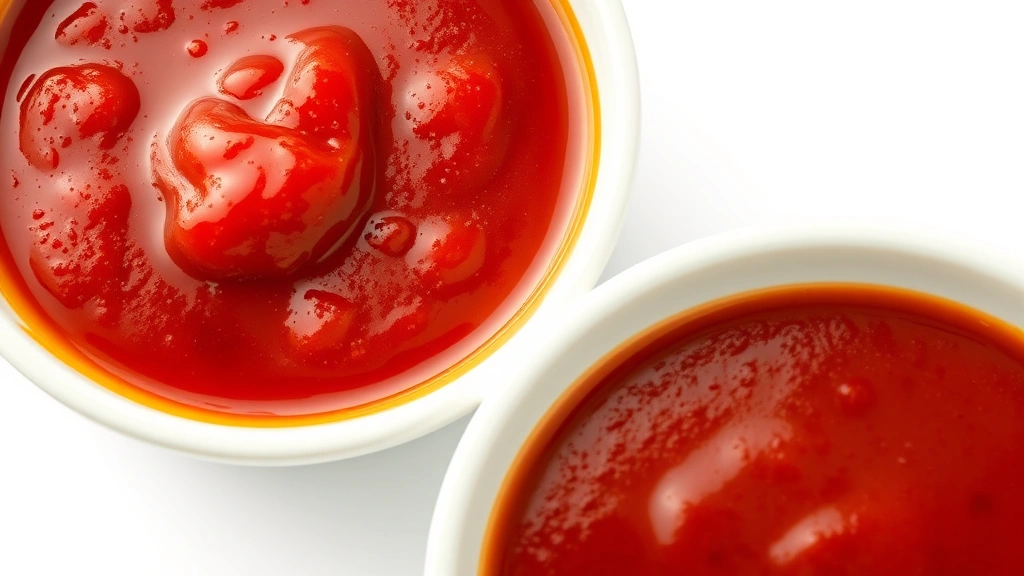
A general gau’s sauce recipe is the secret weapon that transforms ordinary chicken into restaurant-quality takeout magic. This tangy-sweet-spicy sauce has been a staple in American Chinese cuisine for decades, and honestly, once you master making it at home, you’ll never order it the same way again. The beauty of this recipe is that it’s not some mysterious culinary secret—it’s just a few pantry staples mixed together in the right proportions, and you’re golden.
Table of Contents
What Is General Tso’s Sauce?
General Tso’s sauce is a thick, glossy coating that hits you with sweet, tangy, spicy, and savory notes all at once. Despite its name suggesting some ancient Chinese general’s personal recipe, this sauce actually originated in New York during the 1970s as an Americanized take on Chinese cuisine. The real genius is that it works because it balances opposing flavors perfectly—the heat from red pepper flakes plays against brown sugar sweetness, while soy sauce and vinegar add depth.
The sauce clings to whatever you’re cooking (typically chicken, but we’ll get into alternatives) and creates that signature sticky glaze you see in restaurants. When you make it yourself, you control the heat level, sweetness, and thickness—no more getting a batch that’s either too runny or so thick it tastes like glue.
Ingredients Breakdown
Let’s talk about what goes into an authentic general gau’s sauce recipe. You don’t need anything fancy or hard to find.
The Core Players:
- Soy sauce (3 tablespoons): This is your umami foundation. Use regular soy sauce, not the low-sodium stuff—you need that saltiness and depth.
- Rice vinegar (2 tablespoons): This adds the tangy bite. White vinegar works in a pinch, but rice vinegar is gentler and more authentic.
- Brown sugar (3 tablespoons): Packed brown sugar gives you sweetness and helps create that glossy texture. Regular sugar works, but brown sugar adds molasses notes.
- Water (½ cup): This is your liquid base. It helps everything dissolve and lets you control the sauce consistency.
- Garlic (4 cloves, minced): Fresh garlic is non-negotiable. Garlic powder is a last resort.
- Ginger (1 tablespoon, minced): Fresh ginger adds warmth and complexity. Again, fresh beats powder.
- Red pepper flakes (½ to 1 teaspoon): This is your heat source. Start with ½ teaspoon and adjust based on your spice tolerance.
- Cornstarch (2 tablespoons): This is your thickening agent. It creates that signature glossy, cling-to-your-food texture.
- Sesame oil (1 teaspoon): A finishing touch that adds nutty aroma and authenticity.
Step-by-Step Method
Making this sauce is straightforward if you follow the process. There’s no mystery here—just technique.
Step 1: Prep Your Ingredients
Mince your garlic and ginger while you’re fresh. Don’t use pre-minced stuff from a jar—it tastes flat and sometimes has weird preservatives. If you’re making this for a meal where timing matters, get your prep done first. This is classic mise en place, and it makes the actual cooking phase smooth.
Step 2: Make the Slurry
In a small bowl, whisk together your cornstarch with 3 tablespoons of cold water until smooth. This is your thickening slurry, and it’s crucial that you dissolve the cornstarch completely—lumps will ruin the texture. Set it aside.
Step 3: Combine Wet Ingredients
In a medium saucepan, whisk together soy sauce, rice vinegar, brown sugar, and the remaining water (about ¼ cup). Stir until the brown sugar dissolves. This is your sauce base, and it should look like thin, dark liquid at this point.
Step 4: Cook the Aromatics
Place the saucepan over medium heat. Once it starts to simmer, add your minced garlic and ginger. Stir constantly for about 1-2 minutes until fragrant. You’re not trying to brown them—just wake them up. This step is where a lot of the flavor develops.
Step 5: Add Heat
Stir in your red pepper flakes. If you like it mild, use ½ teaspoon. If you want it to have a real kick, go with the full teaspoon. Remember, you can always add more heat, but you can’t take it out. Let it simmer for another minute so the heat distributes evenly.
Step 6: Thicken It Up
Give your cornstarch slurry a quick stir (cornstarch settles), then slowly pour it into the simmering sauce while whisking constantly. This prevents lumps from forming. Keep whisking for 1-2 minutes as the sauce thickens. You’ll see it go from thin to glossy and cling-able.
Step 7: Finish with Sesame Oil
Remove from heat and stir in your sesame oil. This is your final flavor touch—that nutty, toasted aroma that makes people think you’ve been cooking for hours.
Cooking Techniques That Matter
The difference between a mediocre general gau’s sauce recipe and a standout one comes down to technique, not just ingredients.
Temperature Control: Keep your heat at medium, not high. If you blast this sauce with high heat, the garlic and ginger burn, and you get bitter notes instead of aromatic depth. Medium heat lets everything cook through and flavor the sauce properly.
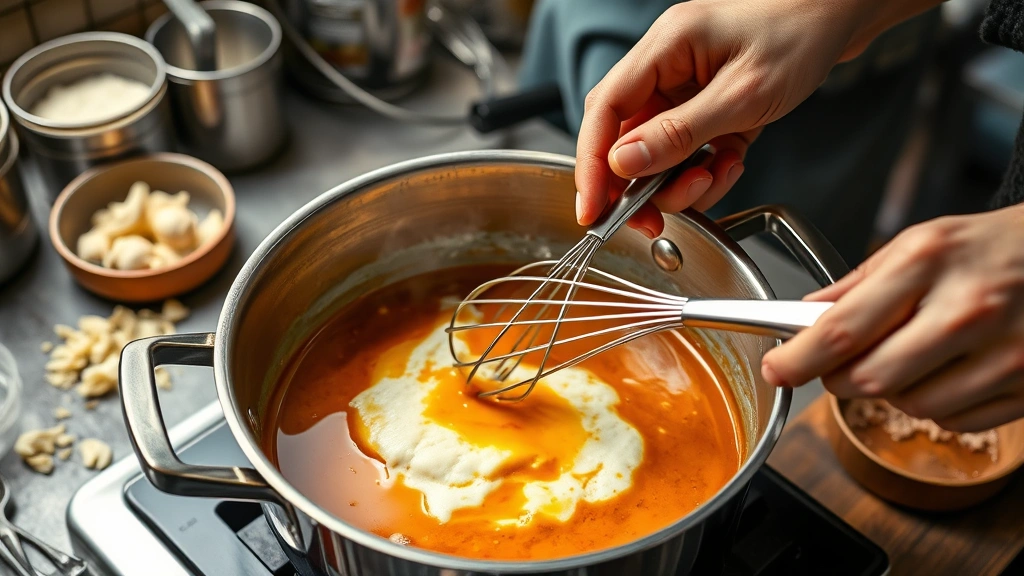
The Whisk Method: Always whisk when adding your cornstarch slurry. This prevents lumps and ensures even thickening. A fork won’t cut it—you need that whisk action.
Timing: Don’t make this sauce more than 30 minutes before you use it if you’re serving it warm. It can sit in the fridge for days, but fresh is always better for texture and flavor.
Flavor Balance Tips
This is where you become the chef instead of just following directions. Understanding how to balance flavors lets you adjust the recipe to your taste.
Too Sweet? Add more rice vinegar (start with ½ tablespoon) or soy sauce. Acid cuts sweetness.
Too Salty? Add more water and brown sugar to dilute and balance. You can also add a pinch more vinegar.
Not Thick Enough? Make another small cornstarch slurry (1 tablespoon cornstarch + 2 tablespoons water) and whisk it in slowly.
Too Thick? Thin it with water, a tablespoon at a time, until you reach the right consistency.
Needs More Depth? A pinch of five-spice powder or white pepper adds complexity without changing the core flavor profile.
Storage and Shelf Life
One of the best parts about making your own sauce is that it keeps well. Store it in an airtight container in the refrigerator for up to 2 weeks. The sauce will thicken more as it cools, which is normal. When you reheat it, add a splash of water if needed to get back to your desired consistency.
You can also freeze this sauce for up to 3 months in an ice cube tray, then pop out cubes as needed. This is genius for meal prep—just thaw and reheat when you want to make a quick stir-fry or coat some protein.
Variations and Tweaks
Once you nail the basic recipe, you can start experimenting. If you’re working with pineapple for a Hawaiian-style variation, add 2 tablespoons of pineapple juice and reduce the water slightly. The acidity plays nicely with the existing vinegar.
For a spicier version, add fresh Thai chili peppers or increase the red pepper flakes. For something sweeter, try honey instead of brown sugar—use the same amount, and you’ll get a different caramelization.
If you want to make it more savory and less sweet, reduce the brown sugar to 2 tablespoons and add an extra tablespoon of soy sauce. This shifts the flavor profile toward umami and away from dessert-like sweetness.
Pairing Ideas Beyond Chicken
Sure, this sauce is famous for chicken, but it works on so much more. Try it on shrimp for a quick stir-fry, or brush it on pork tenderloin before roasting. It’s phenomenal on broccoli and bell peppers if you’re going vegetarian. Even chayote squash becomes interesting when coated in this sauce.
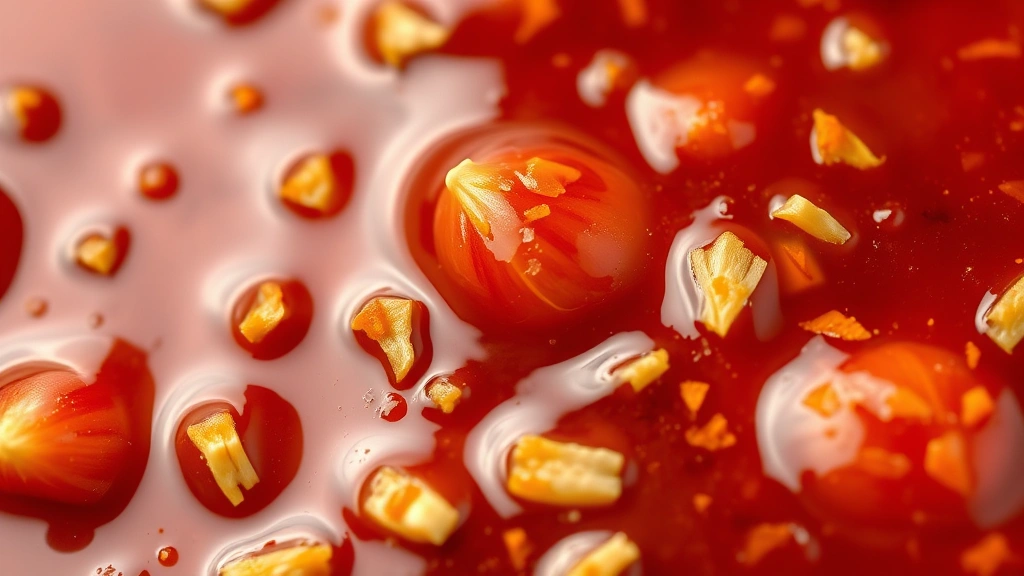
For something unexpected, use it as a glaze for meatballs or as a dipping sauce for spring rolls and dumplings. It’s also killer on roasted tofu if you’re cooking for mixed dietary preferences at a gathering.
Troubleshooting Common Issues
Sauce Broke or Separated: This usually happens if your heat was too high or if you didn’t whisk the cornstarch slurry in smoothly. Strain it through a fine-mesh sieve and start fresh with a new slurry.
Tastes Flat: You probably need more garlic or ginger. These aromatics are what give the sauce personality. Don’t be shy with them.
Gritty Texture: Undissolved cornstarch. Make sure your slurry is completely smooth before adding it to the hot sauce, and whisk constantly.
Won’t Stick to Food: Your sauce might be too thin. Add more cornstarch slurry, or let it simmer a bit longer to reduce and thicken naturally.
Frequently Asked Questions
Can I use cornstarch alternatives?
Potato starch works similarly to cornstarch and creates a glossy finish. Tapioca starch also works but can be slightly more translucent. Avoid flour—it creates a cloudy, pasty texture instead of the glossy shine you want.
Is this sauce actually from China?
No, it’s an American invention from the 1970s, likely created in New York. It’s inspired by Chinese flavors but isn’t traditional. That said, it’s delicious and has become iconic in its own right.
How spicy is this sauce?
With ½ teaspoon of red pepper flakes, it’s mildly spicy—noticeable heat but not overwhelming. With 1 teaspoon, it’s got a real kick. Adjust based on your tolerance.
Can I make this sauce ahead of time?
Absolutely. Make it up to 2 weeks ahead and store in the fridge. Reheat gently and add water if it’s too thick. You can also freeze it in ice cube trays for longer storage.
What’s the difference between General Tso’s and other Chinese sauces?
General Tso’s is thicker, sweeter, and spicier than soy-based sauces. It’s also glossier due to the cornstarch. Compared to sweet and sour sauce, it has more heat and depth. Each has its place.
Do I need sesame oil?
It’s not absolutely essential, but it adds authenticity and aroma. If you don’t have it, the sauce will still taste good, just slightly less complex. Don’t skip it if you can help it.
Can I use bottled garlic and ginger?
Fresh is always better, but in a pinch, you can use bottled. Use about half the amount since bottled versions are more concentrated. The flavor won’t be quite as bright, but it’ll still work.
How do I know when the sauce is done?
It should coat the back of a spoon and slowly drip off. If you run your finger across the spoon, it should leave a trail. That’s your signal that it’s reached the right consistency.
Final Thoughts
Making your own general gau’s sauce recipe is one of those kitchen wins that feels fancy but is actually dead simple. Once you’ve done it a couple times, you can make it with your eyes closed. The real payoff is that you control every element—sweetness, heat, thickness, everything. You’ll never go back to takeout versions once you taste what homemade can be. If you’re building a complete Asian-inspired meal, this sauce is your secret weapon. Keep a batch in the fridge, and you’ve always got restaurant-quality flavor ready to go.


