

A garlic parmesan sauce recipe is one of those kitchen staples that’ll change your cooking game forever. Whether you’re drowning pasta, dipping crusty bread, or coating chicken, this creamy, garlicky masterpiece takes just five minutes and five ingredients to pull off. No fancy equipment needed—just your stovetop, a pan, and the willingness to make something seriously delicious.
Table of Contents
Why This Sauce Works
The beauty of this garlic parmesan sauce recipe lies in its simplicity. You’re working with butter, garlic, cream, and cheese—four ingredients that naturally complement each other. The butter carries the garlic flavor, the cream smooths everything out, and the parmesan adds that salty, umami punch that makes people ask for seconds. There’s no complicated technique or timing involved. Just heat, stir, and taste as you go.
This sauce is forgiving too. Unlike hollandaise that breaks if you look at it wrong, or béarnaise that requires constant whisking, this one’s practically impossible to mess up. Even if you’re new to cooking, you’ll nail it on your first try.
Ingredients You Need
Here’s what goes into a perfect garlic parmesan sauce recipe:
- 4 tablespoons unsalted butter – Use real butter, not margarine. It makes a difference.
- 6-8 cloves garlic, minced – Fresh is non-negotiable. Pre-minced garlic in a jar won’t cut it.
- 1 cup heavy cream – Full-fat cream gives you the richest texture.
- ½ cup freshly grated Parmesan cheese – Block cheese grated fresh beats pre-shredded every time.
- Salt and black pepper to taste – Season as you go, not all at once.
Optional additions: red pepper flakes for heat, fresh parsley for color, or a squeeze of lemon juice for brightness. But honestly, the base recipe stands on its own.
Step-by-Step Instructions
Step 1: Melt Your Butter
Place a medium saucepan over medium heat. Add the butter and let it melt completely. This takes about 30 seconds. Don’t let it brown—you want it foamy and smelling buttery, not nutty.
Step 2: Add the Garlic
Once your butter’s melted, add your minced garlic. Stir constantly for about 30-45 seconds. You’re looking for it to become fragrant and slightly golden. This is crucial—you’re infusing the butter with garlic flavor without burning it. If it starts to brown, pull it off heat for a second.
Step 3: Pour in the Cream
Slowly add your heavy cream while stirring. The mixture will bubble slightly as the cold cream hits the hot butter. Keep stirring to combine everything evenly. This should take about a minute.
Step 4: Add the Cheese
Reduce your heat to low. Slowly sprinkle in your freshly grated Parmesan while stirring constantly. Don’t dump it all in at once or you’ll get clumps. The cheese will melt into the cream and create that silky, luxurious texture. This takes about 2-3 minutes.
Step 5: Season and Taste
Add a pinch of salt and a grind of black pepper. Taste it. Adjust as needed. Remember that Parmesan is salty, so go easy on the salt initially.
Pro Cooking Tips
Keep your heat at medium or medium-low throughout. High heat is the enemy here—it can break your sauce and make it grainy. You want everything to come together gently and smoothly.
Use block Parmesan and grate it yourself. Pre-shredded cheese has anti-caking agents that prevent it from melting smoothly into your sauce. It’ll look gritty instead of creamy.
Don’t walk away from the stove. This five-minute process demands your attention. Stir constantly, especially once the cream and cheese are in. This prevents sticking and ensures even melting.
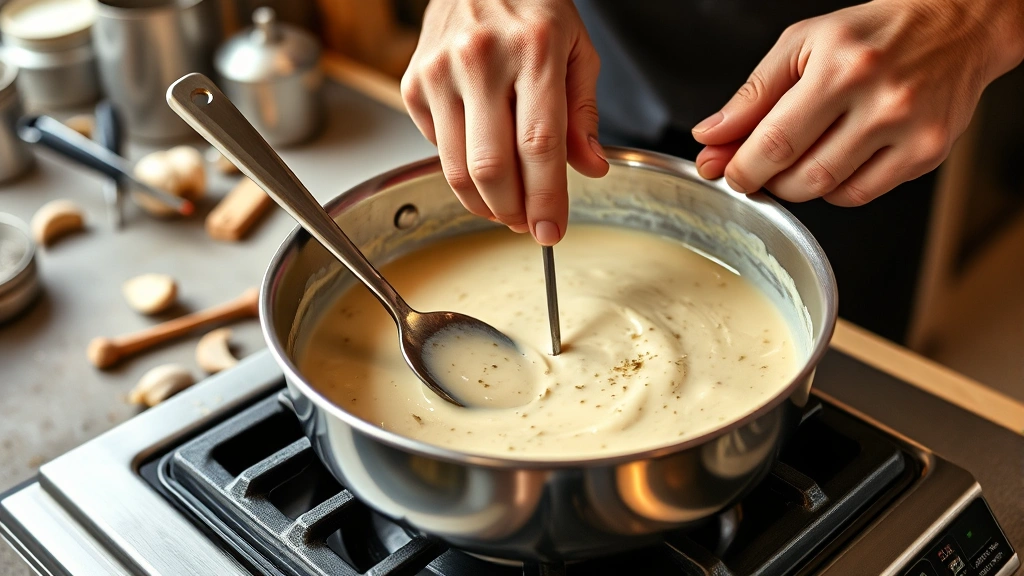
If your sauce breaks or looks grainy, you can salvage it. Remove it from heat and whisk in a splash of cold cream or milk. Sometimes a little patience and gentle reheating brings it back together.
Flavor Variations
Once you’ve mastered the basic garlic parmesan sauce recipe, start playing around. Add ¼ teaspoon of red pepper flakes for a subtle kick. Stir in fresh thyme or basil during the last minute. A squeeze of fresh lemon juice adds brightness that cuts through the richness.
For a lighter version, use half-and-half instead of heavy cream. It’s thinner but still tasty. Some folks add a tablespoon of white wine or chicken broth for depth, though this stretches your cooking time slightly.
Want to make it meaty? Brown some pancetta or prosciutto first, remove it, then build your sauce in the rendered fat. The smoky flavor pairs beautifully with the garlic and cheese.
Storage & Reheating
Store your leftover sauce in an airtight container in the refrigerator for up to three days. It’ll thicken as it cools—that’s normal. When you reheat it, use low heat and add a splash of cream or milk to get it back to the right consistency. Stir gently until it’s warm throughout.
You can freeze this sauce for up to a month, though the texture might separate slightly when thawed. Reheat it slowly and whisk in a bit of fresh cream to restore that silky feel.
Pro tip: Make a double batch and freeze portions in ice cube trays. Pop out a cube or two whenever you need a quick sauce for pasta or vegetables.
Perfect Pairing Ideas
This sauce is incredibly versatile. Toss it with fresh crusty Italian bread for dipping. Coat butterfly chicken breast with it before pan-frying. Drizzle it over roasted vegetables, mashed potatoes, or grilled fish.
Pasta is the obvious choice—fettuccine, penne, or spaghetti all work beautifully. The sauce clings to the noodles and coats every bite. Add some sautéed mushrooms or shrimp for a heartier dish.
According to the culinary experts at Family Handyman, mastering basic sauces opens up endless cooking possibilities. This garlic parmesan sauce recipe is one of those foundational skills that’ll serve you well in the kitchen.
Common Mistakes to Avoid
Don’t use pre-minced garlic from a jar. It’s been sitting in there for months and tastes like cardboard. Fresh garlic takes 30 seconds to mince and makes a world of difference.
Don’t rush the process by cranking the heat. High temperatures break cream-based sauces. Patience is your friend here.

Don’t skip tasting and adjusting. Everyone’s palate is different. Some people like their sauce saltier, others prefer more garlic. Season as you go, not all at the end.
Don’t use low-fat cream. You need the fat content for that luxurious mouthfeel. Skim or 2% cream won’t give you the same results.
Don’t forget that Parmesan is salty. You might not need additional salt beyond what the cheese provides. Add salt gradually and taste frequently.
Frequently Asked Questions
Can I make this sauce ahead of time?
Yes, absolutely. Make it up to three days in advance and store it in the refrigerator. Reheat gently on the stovetop with a splash of cream to restore the texture. Avoid microwaving if possible—it can cause the sauce to break.
What if my sauce is too thick?
Add more cream, one tablespoon at a time, while stirring over low heat. Keep going until you reach your desired consistency. Some people like it thick for coating; others prefer it pourable.
Can I use a different type of cheese?
You can, but Parmesan is really the best choice for this sauce. Romano is similar but saltier. Asiago works if you prefer a nuttier flavor. Avoid soft cheeses like mozzarella—they don’t melt smoothly into the sauce.
Is this sauce suitable for people with dairy allergies?
Not in its traditional form—it’s built on butter, cream, and cheese. However, you can experiment with dairy-free alternatives like coconut cream and nutritional yeast, though the flavor profile will be quite different.
How long does this actually take to make?
Five minutes from start to finish, assuming your garlic is already minced and your cheese is already grated. If you’re doing the prep work, add another 5-10 minutes. Still faster than ordering takeout.
Can I make this in a blender?
No, and you shouldn’t. This sauce needs to be made on the stovetop where you can control the heat and stir constantly. A blender would break the emulsion.
What’s the best way to reheat leftover sauce?
Low heat on the stovetop with gentle stirring. Add a splash of cream if it’s thickened too much. Never use high heat or a microwave—both can cause the sauce to separate.
The garlic parmesan sauce recipe isn’t just a recipe—it’s a kitchen shortcut that makes you look like you know what you’re doing. Five minutes and five ingredients transform ordinary dishes into something restaurant-quality. Once you’ve made it once, you’ll find yourself reaching for it constantly. Keep the ingredients stocked, and you’ll always be ready to elevate whatever’s on your plate.


