
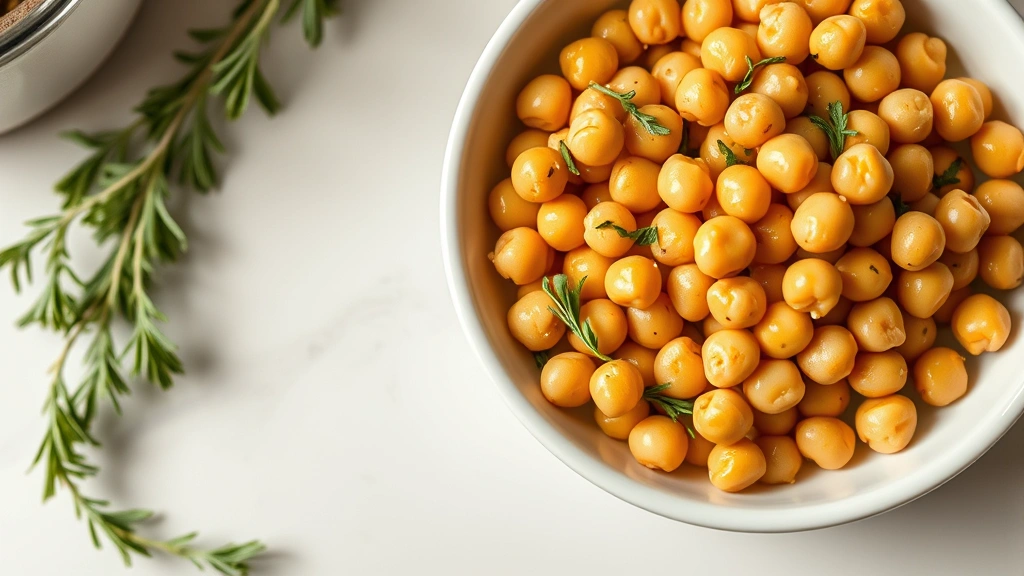
A garbanzo beans recipe doesn’t have to be complicated—these versatile little legumes are one of the easiest ingredients to master in your kitchen, whether you’re working with canned or dried beans. I’ve spent years experimenting with different cooking methods, and I’m here to walk you through five foolproof techniques that’ll have you cooking garbanzos like a pro.
Table of Contents
Stovetop Basics for Dried Beans
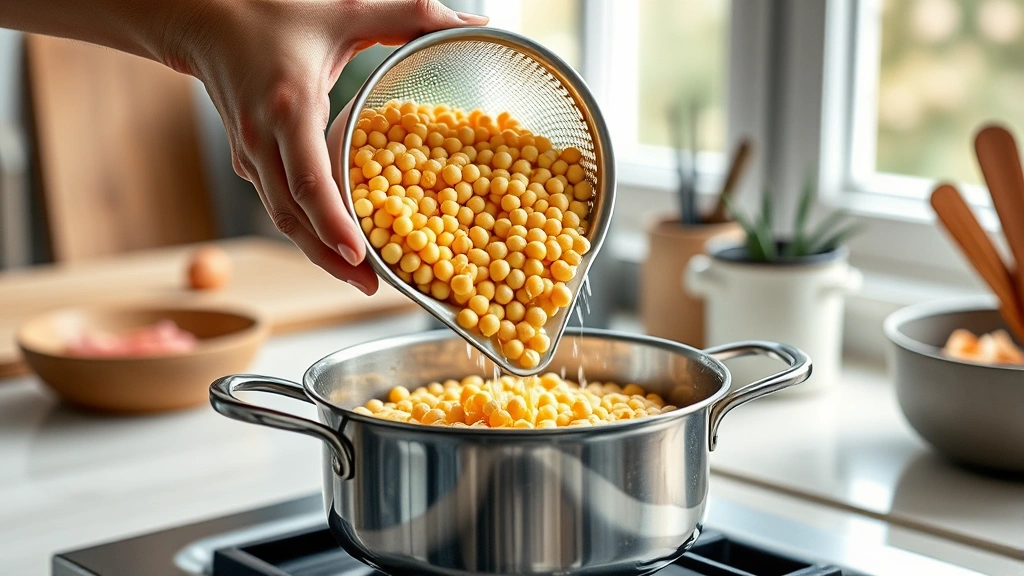
The traditional stovetop method is where most home cooks start, and honestly, it’s still one of the most reliable approaches. Start with one pound of dried garbanzos and soak them overnight in cold water—this cuts your cooking time roughly in half and makes digestion easier. The next morning, drain and rinse thoroughly, then place them in a large pot with fresh water, using a 3-to-1 water-to-bean ratio.
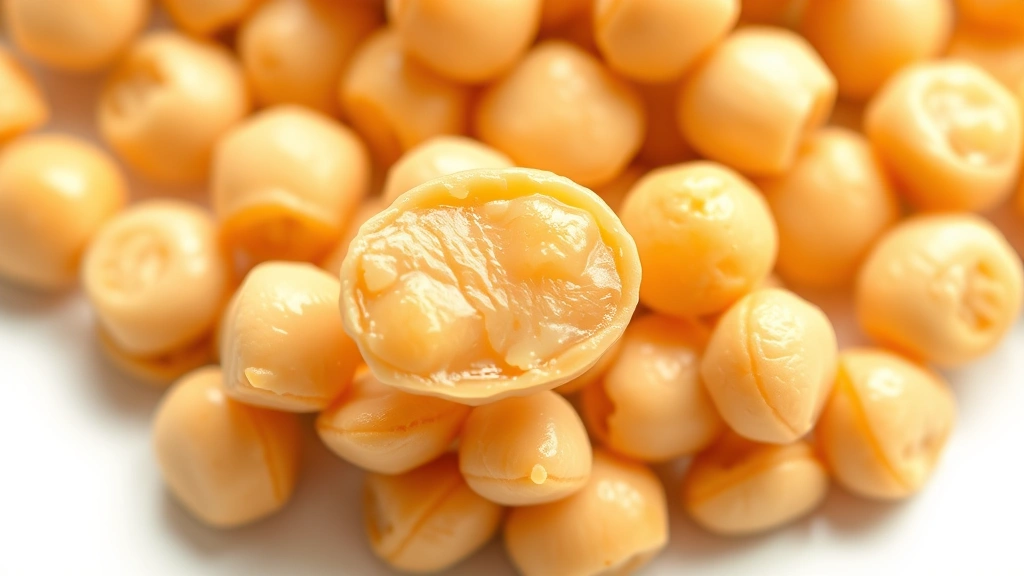
Bring everything to a rolling boil for about two minutes, then reduce heat to a gentle simmer. This is where patience becomes your best friend. Depending on how old your beans are and your altitude, you’re looking at 45 minutes to 90 minutes of cooking time. Start checking for doneness around the 45-minute mark by pinching a bean between your fingers—it should be creamy inside with no chalky center. Don’t add salt until the very end; adding it earlier can toughen the bean skins.
Instant Pot Method
If you’re short on time, the Instant Pot is your secret weapon. No overnight soaking required—just rinse your dried garbanzos and add them to the pot with a 1-to-1 water-to-bean ratio. Close the lid, set the valve to sealing, and cook on high pressure for 35 minutes. Let the pressure release naturally for 10 minutes, then quick-release any remaining pressure. You’ll have perfectly tender beans in under an hour total, which beats traditional methods by a solid margin.
The beauty of this method is consistency. Every batch comes out the same way, which makes meal planning predictable. I’ve used this technique for everything from hummus to curry, and the results are always spot-on. Just remember that the Instant Pot’s cooking time is aggressive, so don’t extend it unless you’re specifically going for mushy beans.
Slow Cooker Approach
The slow cooker is perfect for hands-off cooking. Soak your dried beans overnight, then drain and add them to your slow cooker with fresh water using that same 3-to-1 ratio. Set it on low and walk away for 6 to 8 hours. This method produces incredibly tender, evenly cooked beans because the gentle, prolonged heat breaks down the bean structure without any of the harsh boiling action.
What I love about slow cooker cooking is that you can add aromatics right from the start—throw in a halved onion, a few garlic cloves, and some bay leaves. By the time your beans are done, they’ve absorbed all those subtle flavors. This is also a great method if you’re doing meal prep for the week, since you can cook a massive batch and portion it out.
Canned Beans Quick Fix
Not every day calls for a 90-minute cooking session, and that’s where canned garbanzos shine. One 15-ounce can of garbanzos equals roughly one cup of cooked dried beans, which is helpful for quick recipe scaling. Always rinse canned beans under cold running water for at least 30 seconds to remove excess sodium and the starchy liquid that can make your final dish gummy.
For a garbanzo beans recipe using canned beans, you can go straight to seasoning and cooking without any prep work. Toss them into salads, blend them for quick hummus, or roast them for snacks. The texture won’t be quite as creamy as home-cooked dried beans, but the convenience factor often wins out on busy weeknights.
Oven Roasting Technique
Here’s where things get fun. Once your garbanzos are cooked using any of the methods above, you can transform them into crispy roasted snacks or salad toppings. Drain and thoroughly pat dry your cooked beans—moisture is the enemy of crispiness. Toss with olive oil and your choice of seasonings: smoked paprika and cumin, garlic powder and herb blend, or even cinnamon and sugar for a sweet version.
Spread them in a single layer on a baking sheet and roast at 400°F for 20 to 30 minutes, shaking the pan halfway through. You’ll know they’re done when they’re golden brown and make a hollow rattling sound when you shake the pan. These stay crispy for about three days in an airtight container, though they rarely last that long in my house.
Seasoning Strategies
The magic of any garbanzo beans recipe lives in the seasoning. Plain cooked garbanzos are a blank canvas waiting for your creativity. For Mediterranean-style beans, combine cumin, coriander, and a squeeze of fresh lemon juice. For Indian-inspired dishes, use garam masala, turmeric, and ginger. The key is adding salt at the end of cooking and tasting as you go.
Fresh herbs make an enormous difference too. Cilantro, parsley, and mint brighten up cooked garbanzos instantly. I often finish a pot of beans with a generous handful of fresh herbs and a drizzle of good olive oil—it transforms something simple into something special. Don’t underestimate the power of acid either; a splash of vinegar or lime juice at the end lifts all the other flavors.
Storage and Meal Prep
Cooked garbanzos keep for five days in the refrigerator in an airtight container, which makes them perfect for meal prep. Portion them into containers at the beginning of the week, and you’ll have quick protein ready to go. They freeze beautifully too—freeze them in single layers on a baking sheet first, then transfer to freezer bags to prevent clumping. Frozen cooked beans last up to three months and thaw quickly at room temperature.
I also recommend freezing garbanzos in their cooking liquid if you plan to use them in soups or stews. This preserves moisture and makes reheating more forgiving. For roasted garbanzos, store them separately from moist preparations to maintain their crispiness.
Common Cooking Problems
Beans that won’t soften usually means they’re old—dried beans have a shelf life of about one year, and older beans take significantly longer to cook. If you’re dealing with stubborn beans, add a pinch of baking soda to the cooking water (about 1/4 teaspoon per pound of beans), which raises the pH and speeds softening. Beans that split or become mushy got cooked too long or at too high a temperature; reduce heat to maintain a gentle simmer.
Beans that cause digestive issues can be improved by discarding the soaking water and using fresh water for cooking. This removes oligosaccharides that cause bloating. Rinsing canned beans thoroughly also helps. If you’re new to eating beans regularly, introduce them gradually and drink plenty of water—your system needs time to adjust.
Frequently Asked Questions
Can I cook garbanzos without soaking?
Yes, but it takes longer—typically 2 to 3 hours on the stovetop. The Instant Pot method works great without soaking because the pressure speeds up the process. Slow cookers also handle unsoaked beans well, though you’ll add several hours to the cooking time.
Why do my garbanzos stay hard in the center?
Hard centers usually indicate old beans or insufficient cooking time. Ensure you’re using beans within a year of purchase, and don’t rush the cooking process. If you added salt too early, that can also toughen the skins and slow water absorption.
How much do dried beans yield when cooked?
One pound of dried garbanzos yields approximately 6 to 7 cups of cooked beans. One 15-ounce can equals about one cup of cooked beans, which is helpful for scaling recipes.
Are canned or dried beans more nutritious?
Nutritionally, they’re nearly identical. Dried beans have slightly more fiber per serving because canned versions contain added water. Choose whichever fits your schedule—consistency in eating beans matters more than the source.
What’s the best way to make hummus?
Blend two cups of cooked garbanzos with 1/4 cup tahini, 3 tablespoons lemon juice, 2 minced garlic cloves, 1/2 teaspoon cumin, and salt to taste. Add water a tablespoon at a time until you reach your desired consistency. Home-cooked beans make silkier hummus than canned.
Can I add garbanzos to salads the day before?
Absolutely. Garbanzos actually improve when dressed a day ahead because they absorb the flavors. Just keep your greens separate if you’re storing the salad, or add them fresh before serving to prevent wilting.
Final Thoughts
Mastering a garbanzo beans recipe is about understanding your cooking method and matching it to your schedule. Whether you’re planning ahead with dried beans or grabbing canned ones for tonight’s dinner, you now have five solid techniques in your toolkit. These humble legumes are nutritional powerhouses packed with protein and fiber, and they’re incredibly forgiving to cook once you understand the basics.
Start with whichever method appeals to you most, then experiment with the others as your confidence grows. Season generously, taste frequently, and don’t be afraid to make them your own. Check out our Banana Fritters Recipe for another versatile ingredient-based dish, or explore How to Make Dalgona Cookie for more kitchen techniques. Keep cooked garbanzos on hand for quick meals throughout the week, and you’ll find yourself reaching for them constantly.


