
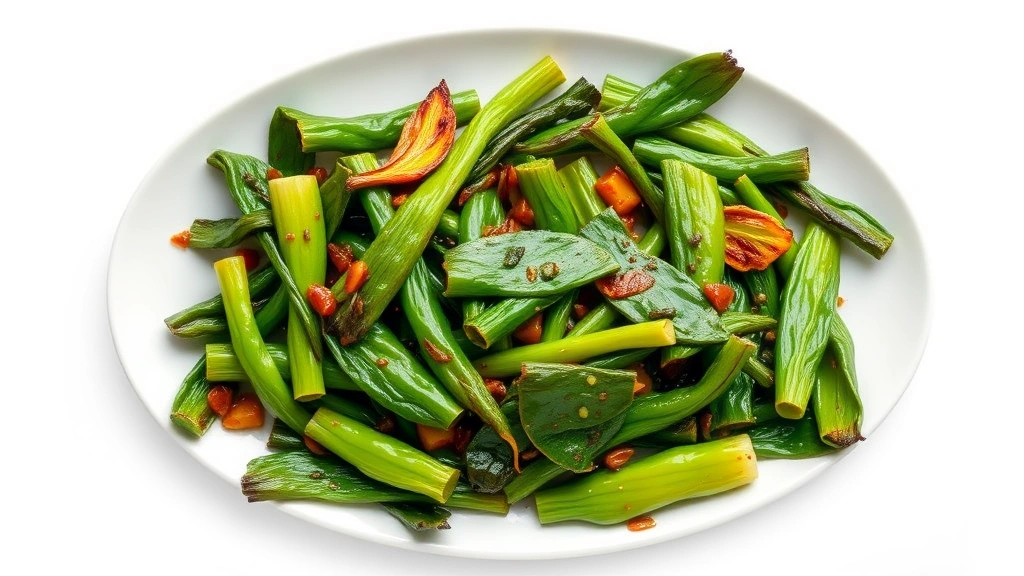
A gai lan chinese broccoli recipe is one of those kitchen skills that separates the takeout-dependent from the confident home cook. This 10-minute stir-fry hits different when you nail the technique—tender stems, crispy edges, and that perfect umami punch that makes you wonder why you ever paid restaurant prices for something this simple.
Here’s the thing: gai lan (also called Chinese broccoli or kai-lan) isn’t some exotic ingredient anymore. Your local grocery store probably stocks it right now, hiding between the regular broccoli and the bok choy. And once you master this straightforward method, you’ll be throwing it together on weeknights without even thinking about it.
Table of Contents
What Is Gai Lan Exactly?
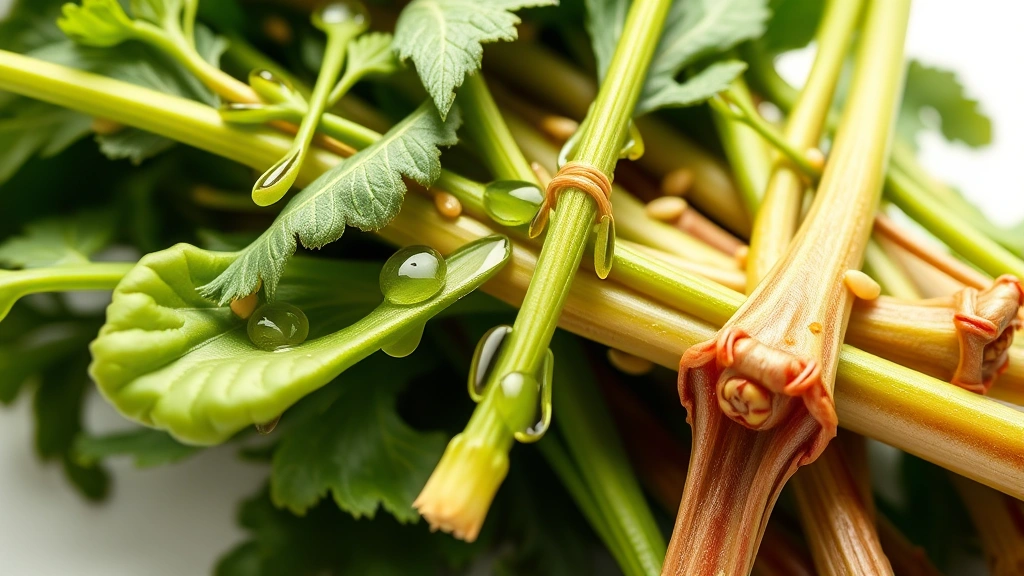
Gai lan is a leafy green cruciferous vegetable native to China. Think of it as broccoli’s cooler, more elegant cousin. It’s got long, slender stems topped with small florets and tender leaves. The whole thing is edible—no woody parts to trim away like you’d do with regular broccoli. The flavor is slightly bitter, nutty, and mineral-forward, which makes it perfect for bold Asian seasonings.
The beauty of gai lan is its texture versatility. When you cook it right, the stems stay tender-crisp while the leaves get slightly charred. That contrast is what you’re chasing here. You’ll find it labeled as Chinese broccoli, kai-lan, or sometimes gai lohn at most supermarkets now, especially in the specialty produce section.
Gathering Your Ingredients
For this gai lan chinese broccoli recipe, you don’t need a pantry full of obscure items. Here’s what actually matters:
- 1 pound gai lan (about 2-3 bunches depending on size)
- 3 cloves garlic, minced
- 2 tablespoons soy sauce (use good quality—it matters)
- 1 tablespoon oyster sauce
- 1 teaspoon sesame oil
- ½ teaspoon white pepper (or black if that’s all you have)
- 2 tablespoons neutral oil (vegetable or peanut)
- ¼ cup water or stock
- Optional: dried chili flakes or fresh chilies for heat
That’s genuinely it. This isn’t a recipe that hides behind a long ingredient list. The magic comes from technique and timing, not complexity. If you want to add depth, grab a bottle of fermented hot sauce to drizzle on top—it pairs beautifully with the earthiness of the greens.
Prep Work Actually Matters
Here’s where most home cooks mess up. They skip proper prep and wonder why their stir-fry turns out limp and watery. Don’t be that person.
Start by rinsing your gai lan thoroughly under cold water. Get between the leaves where dirt hides. Pat it completely dry with paper towels—moisture is the enemy of good texture in a stir-fry. Wet vegetables will steam instead of sear.
Next, trim about ½ inch from the bottom of each stem. You’re not removing much; the whole vegetable should be usable. If you’ve got particularly thick bunches, cut the stems in half lengthwise so they cook evenly with the florets. Aim for pieces roughly 3-4 inches long.
Mince your garlic fine. Don’t use the pre-minced stuff in a jar—fresh garlic performs completely differently when it hits hot oil. Have your sauce ingredients mixed together in a small bowl before you start cooking. This is non-negotiable. Once the wok gets hot, you won’t have time to be measuring and mixing.
The Stir-Fry Technique
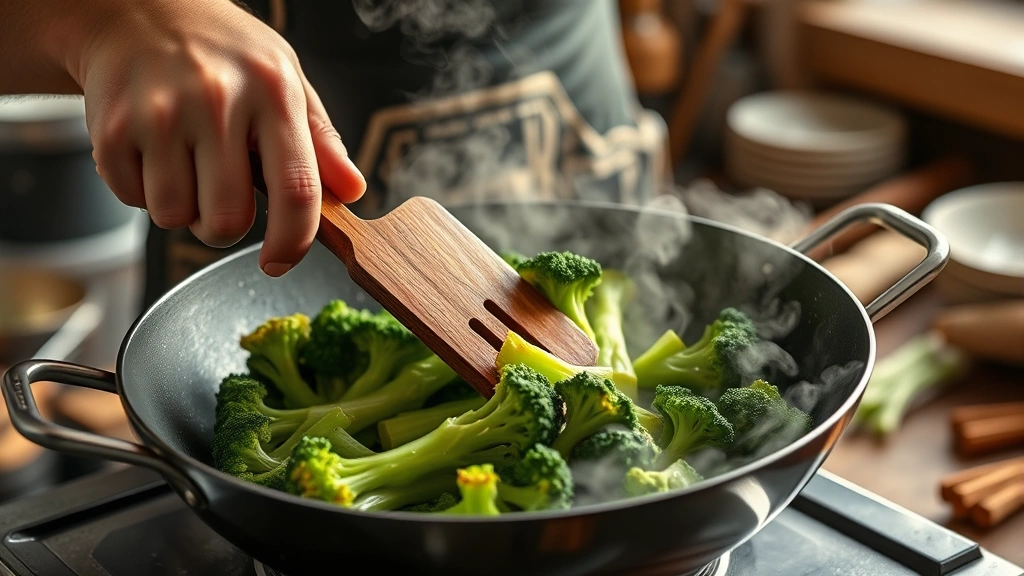
Get your wok or large skillet screaming hot. This isn’t metaphorical—you want it genuinely hot, like 2-3 minutes on high heat before you add anything. The surface should shimmer.
Add your oil and let it heat for about 15 seconds. You’ll see it just start to smoke slightly. Now add your minced garlic. This is the critical moment. You’re looking for about 10-15 seconds of cooking—just enough for the garlic to become fragrant without burning. Burnt garlic tastes bitter and ruins everything.
Immediately add your prepared gai lan. Don’t stir constantly like you might with other vegetables. Let it sit for about 30 seconds per side. You want those leaves and stems to make contact with the hot surface and develop some color. This is where the flavor happens. Stir and move things around for about 2-3 minutes until the leaves start to wilt and the stems show some browning.
Pour in your water or stock. It’ll create steam and help the stems finish cooking through while keeping the leaves from drying out. This is the secret to that perfect tender-crisp texture.
Seasoning Balance Is Key
Once you’ve added the liquid, immediately add your pre-mixed sauce (soy sauce, oyster sauce, sesame oil, and white pepper). Toss everything together and cook for another 1-2 minutes until the liquid reduces by about half.
The soy sauce brings saltiness and umami. The oyster sauce adds body and sweetness. The sesame oil contributes nuttiness and aroma—but use it sparingly because a little goes far. The white pepper adds heat without visible black specks.
This is where you taste and adjust. The whole dish should taste bold but balanced, never one-note. If it tastes flat, you probably need more soy sauce or oyster sauce. If it tastes too salty, you waited too long and the liquid already reduced; next time, add it earlier.
Timing & Execution
From the moment you add the gai lan to plating should be 7-9 minutes total. Here’s the breakdown:
- Garlic bloom: 15 seconds
- Initial sear: 3-4 minutes
- Liquid addition: 30 seconds to add and mix
- Final cooking: 1-2 minutes
- Total: About 8 minutes
Speed matters here. A wok is designed for high heat and quick cooking. The longer gai lan sits in the pan, the more likely it is to become mushy. You’re aiming for that sweet spot where the stems are tender but still have a slight bite, and the leaves are wilted but not disintegrated.
If you’re cooking for more than 2 people, work in batches. Overcrowding the wok drops the temperature, and you’ll end up steaming instead of stir-frying. Better to do it twice and nail the texture than try to cram everything in and get mediocre results.
Serving Suggestions
This gai lan recipe works as a side dish or part of a larger meal. Serve it alongside steamed rice and protein—it pairs beautifully with soy-braised chicken, pan-seared fish, or even simple grilled tofu.
If you’re building a complete meal, try pairing it with baked chicken legs for a quick weeknight dinner. The brightness of the gai lan cuts through richer proteins perfectly.
For vegetarian options, serve this over jasmine rice with a fried egg on top. The runny yolk becomes your sauce. You can also use it as a component in rice bowls or noodle dishes. It’s genuinely versatile once you’ve got the basic technique down.
Storage & Leftovers
Gai lan doesn’t reheat perfectly—the texture suffers. That said, leftovers stored in an airtight container will keep for 2-3 days in the refrigerator. Eat them cold or room temperature as part of a salad or grain bowl. They’re still tasty, just not quite as crispy as fresh.
The real solution is making exactly the amount you’ll eat. This recipe scales easily. Need to feed 4 people? Double it. Just make sure you’re working in batches if your wok isn’t large enough.
Troubleshooting Common Issues
Stems are too tough: You either didn’t cook them long enough or your heat wasn’t high enough. Make sure you’re giving the liquid enough time to reduce and the stems enough time to soften. Add an extra 30 seconds to the final cooking stage.
Leaves are mushy and falling apart: You overcooked it. This vegetable doesn’t need much time. Stick to the 8-minute window. Also, make sure you’re using high heat from the start. Low heat means longer cooking time, which means mushy results.
Tastes bland: You’re probably not using enough seasoning or your soy sauce is too old and has lost flavor. Buy fresh soy sauce if you haven’t opened your bottle in over a year. Also, taste as you go and adjust. Every brand of soy sauce and oyster sauce varies slightly.
Too much liquid at the end: Your heat wasn’t high enough, or you added too much liquid to start. Use ¼ cup next time and adjust from there. The liquid should reduce to almost nothing by the time the gai lan is done cooking.
Frequently Asked Questions
Can I use regular broccoli instead of gai lan?
Technically yes, but it won’t be the same dish. Regular broccoli has thicker stems that need longer cooking and a different texture profile. If you can’t find gai lan, look for broccolini instead—it’s closer in character and cooks in similar time.
Is gai lan expensive?
Not really. It typically costs $2-4 per bunch depending on where you shop. It’s comparable to regular broccoli. Check your local Asian market for the best prices.
Can I prep the gai lan ahead of time?
You can wash and trim it a few hours ahead, but keep it in a sealed container in the fridge. Don’t cut it more than a few hours before cooking—the cut surfaces oxidize and the vegetable loses some flavor. Pat it dry before storing.
What if I don’t have oyster sauce?
Use extra soy sauce or add a tablespoon of hoisin sauce for depth. Oyster sauce isn’t essential, just helpful. The core technique still works without it.
Can I make this vegetarian or vegan?
Yes. Use soy sauce (check that it’s vegan—some brands add fish sauce). Skip the oyster sauce or use a vegan oyster sauce alternative. The rest of the recipe is naturally plant-based. You can also add cashews or peanuts for textural contrast and protein.
How do I know when it’s done?
The stems should bend slightly without snapping, and the leaves should be wilted with some browning on the edges. There should be almost no liquid left in the pan. Taste a stem—it should be tender but still have a slight resistance when you bite it.
The Bottom Line
Mastering a gai lan chinese broccoli recipe is about understanding heat, timing, and the importance of proper prep. This isn’t complicated cooking. It’s straightforward technique applied with attention to detail. Once you nail this 10-minute stir-fry, you’ll find yourself making it constantly because it’s genuinely faster and cheaper than takeout, and it tastes better.
The real skill here is knowing when to stop. Gai lan is forgiving up until the moment you overcook it. Keep your heat high, your timing tight, and your ingredients ready before you start. Do that, and you’ll have restaurant-quality results every single time.
Want to expand your stir-fry game? Try making fermented hot sauce to customize the heat level, or explore other quick-cooking vegetables using this exact technique. The fundamentals here—high heat, proper prep, quick cooking—apply across the board.


