
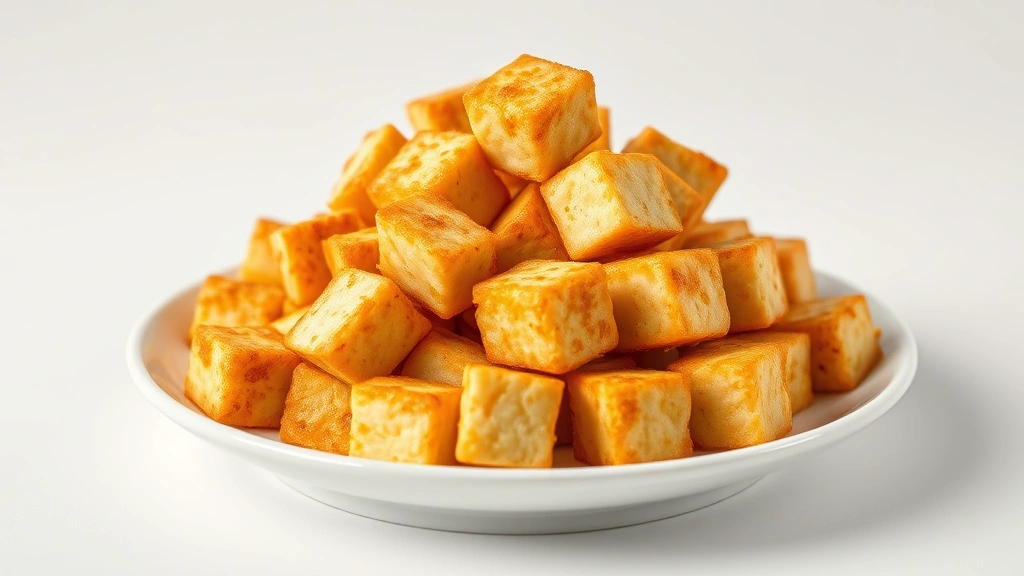
A solid fried tofu recipe is your ticket to restaurant-quality results at home—crispy exterior, tender interior, ready to eat in under 20 minutes. Whether you’re meal-prepping for the week or throwing together a quick dinner, mastering this technique transforms plain tofu into something genuinely craveable. I’ve tested this dozens of times in my kitchen, tweaking everything from pressing methods to oil temperature, and I’m sharing exactly what works.
Table of Contents
Choosing the Right Tofu
This is where most people stumble. You need extra-firm tofu—not silken, not regular firm. Extra-firm has the lowest water content and holds its shape beautifully during frying. I grab a block from the refrigerated section (typically 14-16 oz), and I look for brands that pack it in water rather than aseptic packaging. The water-packed stuff drains better and presses more effectively.
Pro tip: check the expiration date. Fresh tofu fries crisper than tofu that’s been sitting around for weeks. Some specialty markets carry super-firm tofu or even freeze-dried varieties—those are absolute gold for this recipe because they’ve already lost most of their water content.
The Pressing Technique
Pressing is non-negotiable if you want crispy results. Wet tofu steams instead of fries, and you’ll end up with a soggy, greasy mess. Here’s my method:
Drain the block completely and wrap it in a clean kitchen towel or several layers of paper towels. Place it on a cutting board, then set another cutting board on top. Weight it down with canned goods, cast iron, or anything heavy you’ve got. Leave it for 30-45 minutes. I usually do this while prepping other ingredients.
For faster results, you can use a tofu press (about $20-30 online), which cuts pressing time to 10-15 minutes. The mechanical pressure is more consistent than the stacking method. Either way, you’re aiming to remove as much moisture as possible—this is the secret to achieving that golden, crispy exterior.
Coating for Maximum Crunch
The coating is what separates mediocre fried tofu from the stuff you crave. I use a simple three-component system: cornstarch, all-purpose flour, and a touch of baking powder. The baking powder creates tiny air pockets that fry up impossibly crispy.
Mix together:
- ½ cup cornstarch
- ¼ cup all-purpose flour
- 1 teaspoon baking powder
- 1 teaspoon salt
- ½ teaspoon white pepper (or black pepper)
- ½ teaspoon garlic powder
Cut your pressed tofu into ¾-inch cubes. Toss them in the dry mixture until every surface is coated. Some people add a wet batter first (egg and water, or aquafaba for vegan), but I find the dry-coat method works just as well and keeps things simple. The moisture still clinging to the tofu after pressing is enough to make the coating stick.
Oil Temperature Matters
This is critical and non-negotiable. You need oil heated to 350-375°F (175-190°C). Too cool, and your tofu absorbs oil instead of frying. Too hot, and the outside burns before the inside cooks through. Use a thermometer—don’t guess.
I prefer neutral oils with high smoke points: vegetable oil, canola oil, or peanut oil. Avoid olive oil (too low smoke point) and coconut oil (the flavor overpowers the tofu unless you’re going for that specifically). Fill your pan about 2-3 inches deep. You want enough oil for the tofu to move around freely without crowding.
Heat the oil gradually. Rushing this step is a common mistake. Let it come up to temperature over 5-7 minutes, then test with a small piece of tofu or a wooden spoon handle. If it sizzles immediately and the tofu rises to the surface within seconds, you’re ready.
The Frying Process
Working in batches (don’t overcrowd the pan), carefully place tofu cubes into the hot oil. They should sizzle loudly and immediately start turning golden. Fry for 3-4 minutes per batch until all sides are deep golden brown. Use a slotted spoon to turn them occasionally so they cook evenly.
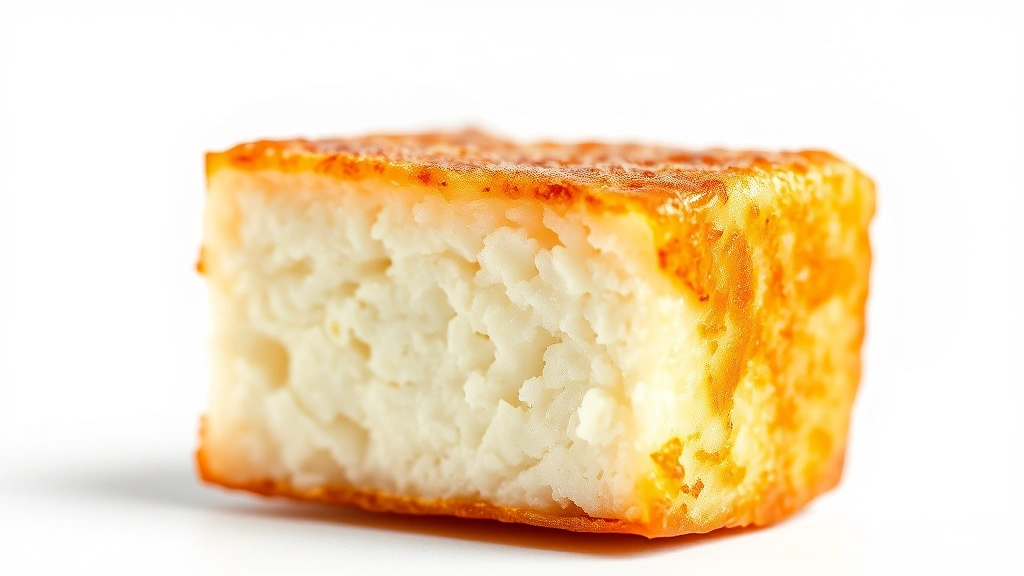
The tofu is done when it’s uniformly golden and feels crispy when you tap it with your spoon. Remove each batch to a paper towel-lined plate or wire rack. Drain immediately—letting them sit in their own oil makes them soggy.
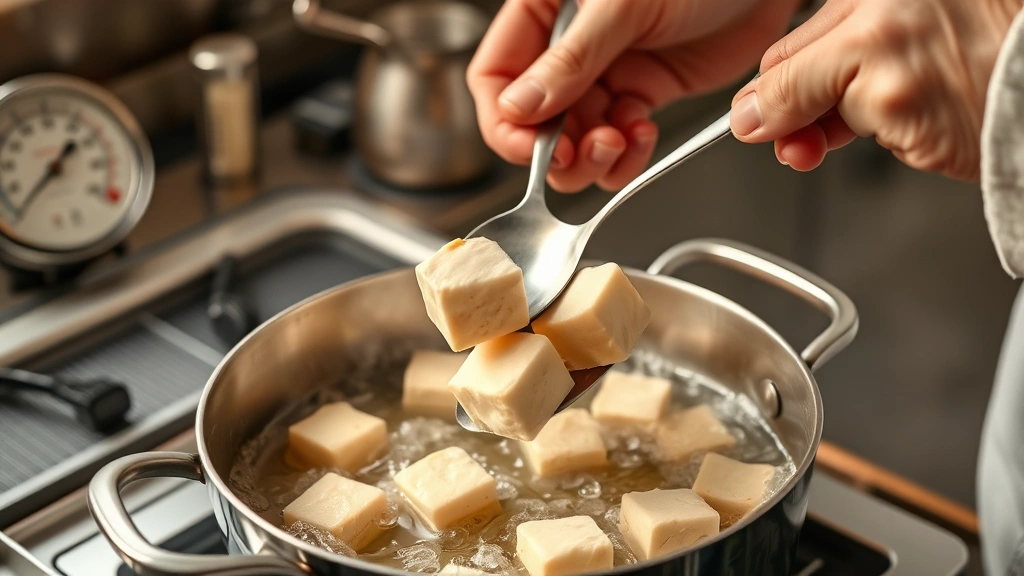
If you’re frying multiple batches, let the oil temperature recover between batches (about 2-3 minutes). This prevents the next batch from absorbing excess oil and getting greasy.
Seasoning and Flavor Combinations
Freshly fried tofu is blank canvas—that’s the beauty of it. Season it while it’s still warm so the flavors stick. Here are my go-to combinations:
Asian-Inspired: Toss with soy sauce, a drizzle of sesame oil, white pepper, and sliced green onions. Pair with Chinese brown sauce recipe for dipping.
Spicy Kick: Mix sriracha, lime juice, and a touch of honey. The heat cuts through the richness of the fried exterior beautifully.
Mediterranean: Season with garlic powder, oregano, and red pepper flakes. Serve alongside tzatziki or a lemon-tahini drizzle.
Savory-Sweet: A light dusting of smoked paprika, cumin, and a pinch of cinnamon creates complex flavor depth.
For a complete meal, serve your fried tofu over chipotle lime rice recipe or with a fresh salad and cashew cheese recipe for richness.
Serving Ideas and Pairings
Fried tofu works in so many contexts. Toss it into stir-fries during the last minute of cooking—the exterior stays crispy while it picks up sauce flavors. Build a Buddha bowl with grains, roasted vegetables, and a drizzle of tahini dressing. Stuff it into tacos with slaw and cilantro. Layer it into sandwiches with avocado and hot sauce.
I also use it as a protein component in grain bowls, salads, and even as a snack straight from the plate with a dipping sauce. The key is using it while it’s still warm and crispy—that’s when it shines.
Storage and Reheating
Fried tofu keeps in an airtight container in the fridge for up to 4 days. It won’t stay crispy, but you can restore crispness by reheating in a 375°F oven for 8-10 minutes, or in an air fryer at 350°F for 5-7 minutes. Avoid the microwave—it makes everything soggy.
Freezing is possible (up to 3 months), but the texture changes. The exterior becomes less crispy after thawing. I freeze it only if I’m planning to use it in a cooked dish like a stir-fry where crispness matters less.
Common Mistakes to Avoid
Skipping the pressing step is the #1 mistake. Wet tofu won’t fry properly—you’ll get greasy, soggy cubes instead of crispy ones. Commit to pressing; it’s worth the time.
Crowding the pan drops oil temperature too much. Fry in batches. This takes longer but gives you better results.
Using low-quality oil or oil that’s already been used multiple times adds off-flavors. Fresh oil is cheap insurance for good results.
Not seasoning while warm means flavors don’t adhere. Season immediately after draining.
Letting fried tofu sit too long before eating destroys the crispness. Serve it hot and fresh.
Frequently Asked Questions
Can I make fried tofu without pressing?
Technically yes, but results suffer significantly. Pressing removes water that would otherwise create steam during frying, leading to a greasy rather than crispy exterior. If you’re short on time, use a tofu press instead of the towel method—it’s faster and more effective.
What’s the difference between fried tofu and crispy tofu?
Fried tofu is deep-fried in oil, creating a darker golden color and heavier texture. Crispy tofu is often pan-fried or baked at high heat with minimal oil, resulting in a lighter, less oily product. Both are delicious—this recipe focuses on deep-fried because the results are more dramatic and satisfying.
Can I use silken tofu for this recipe?
No. Silken tofu has too much water content and will fall apart during frying. Always use extra-firm tofu for this technique.
How do I know when the oil is hot enough?
Use a kitchen thermometer (target 350-375°F). If you don’t have one, the wooden spoon handle test works: dip a wooden spoon handle in the oil. If tiny bubbles form around it immediately, you’re ready. This method is less precise but works in a pinch.
Can I reuse the frying oil?
Yes, strain it through a fine-mesh sieve or cheesecloth to remove particles. Store in a cool, dark place. Most neutral oils can be reused 2-3 times before flavor deteriorates. If the oil smells off or looks dark, discard it.
Is fried tofu healthy?
It’s fried, so it’s calorie-dense and higher in fat than steamed tofu. That said, tofu itself is protein-rich and nutrient-dense. Enjoy it as part of a balanced diet with plenty of vegetables and whole grains. Moderation is key, like with any fried food.
What dipping sauces pair best?
Soy sauce, sriracha mayo, sweet and sour sauce, peanut sauce, and tahini-based dressings all work beautifully. I also love a simple mix of soy sauce, rice vinegar, and a touch of sesame oil.
Final Thoughts
Mastering a fried tofu recipe opens up endless possibilities for quick, satisfying meals. The technique is straightforward—press thoroughly, coat well, fry at the right temperature, and season immediately. Once you nail it, you’ll find yourself making it regularly. It’s faster than takeout, cheaper, and tastes better. Start with the basic recipe, dial in your preferred seasoning, and build from there. This is the kind of skill that pays dividends every time you cook.


