
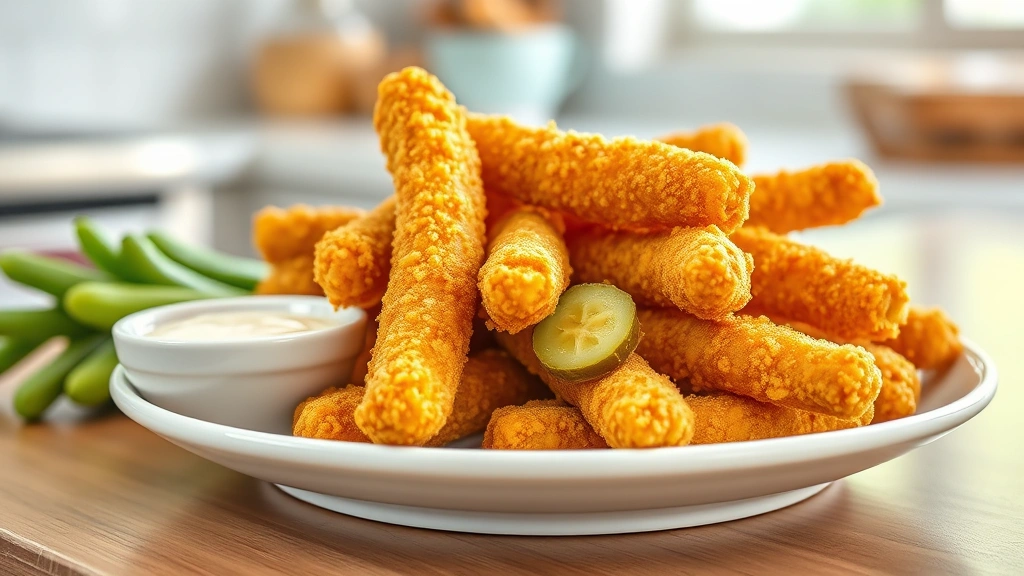
A fried pickles recipe is one of those bar-food classics that tastes way harder to make than it actually is. The truth? You can nail crispy, golden, restaurant-quality fried pickles at home in about 20 minutes with basic pantry staples and a deep fryer or air fryer. I’ve tested this dozens of times, and I’m going to walk you through exactly how to get that perfect crunch every single time.
Table of Contents
Why Pickles Work So Well
Pickles are already brined, which means they’ve got moisture locked inside and acid on the surface. When you coat and fry them, that moisture creates steam, which puffs up the coating and makes it shatter when you bite into it. The vinegar in the brine cuts through rich fried flavors perfectly. It’s not rocket science—it’s just smart food chemistry. The exterior gets crispy while the inside stays tender and tangy. That contrast is what makes people come back for more.
Ingredients You’ll Actually Use
Here’s what works, and I’ve ditched everything that doesn’t:
- 1 jar (24 oz) dill pickle spears – use the good stuff, not the cheap ones
- 1 cup all-purpose flour
- 1 cup cornstarch – this is the secret to extra crunch
- 2 tablespoons paprika (smoked or regular)
- 1 tablespoon garlic powder
- 1 tablespoon cayenne pepper (optional, but recommended)
- 1 teaspoon black pepper
- 1 teaspoon salt
- 1 cup buttermilk (or regular milk with 1 tbsp vinegar)
- Oil for frying – vegetable or peanut oil (high smoke point)
The cornstarch-to-flour ratio is non-negotiable. It creates that shattering crust that separates good fried pickles from mediocre ones.
Prep the Pickles Right
This step gets skipped, and it’s a mistake. Drain your pickle jar completely and pat the spears dry with paper towels. Moisture is your enemy here—wet pickles won’t get crispy, they’ll get soggy. Spend a full minute drying them. It matters. If you’re using extra-long spears, cut them in half so they cook evenly and are easier to eat.
Let them sit uncovered in the fridge for 15-20 minutes after drying. This helps the surface dry out further and gives you a better base for the coating to stick.
The Coating Technique
Mix your dry ingredients in a shallow bowl: flour, cornstarch, paprika, garlic powder, cayenne, black pepper, and salt. Pour buttermilk into another shallow bowl. This is a two-stage dredge, and it’s what professionals do.
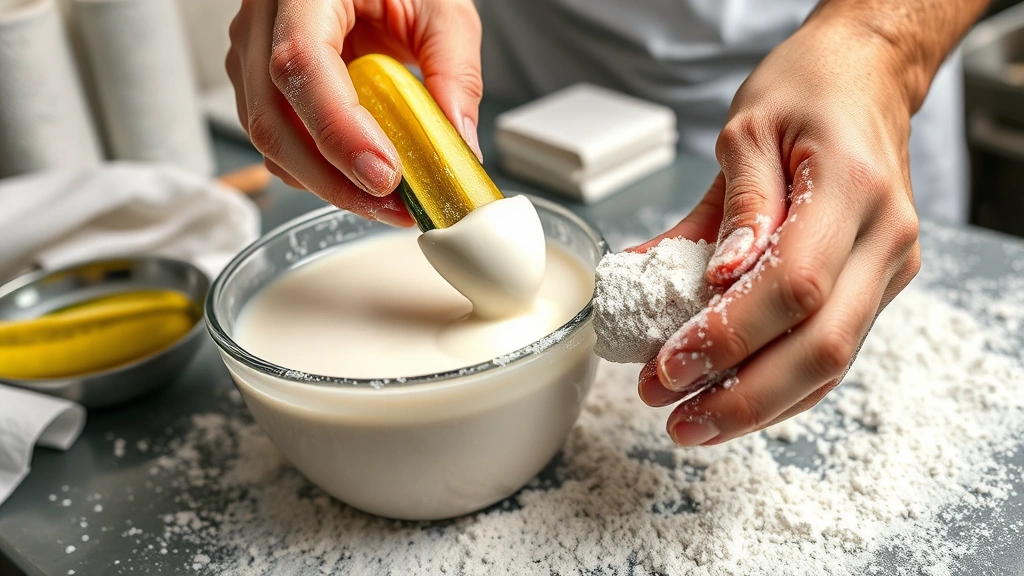
Dip each pickle spear into buttermilk, let excess drip off, then roll it in the dry mixture. Make sure every surface gets coated—don’t rush this. Tap off excess coating, then dip it back into the buttermilk and coat again. That double dredge creates layers that fry up incredibly crispy. Place coated pickles on a clean plate and let them sit for 5 minutes before frying.
Two Frying Methods Compared
You’ve got options here. A traditional deep fryer gives you that authentic bar-food crunch, but an air fryer works surprisingly well and uses almost no oil. I’ll give you both methods because different kitchens call for different approaches.
Deep frying creates more surface area contact with hot oil, which means faster browning and better texture. Air frying is faster, cleaner, and uses a fraction of the oil. The texture is close—not identical, but genuinely good. Try both and see what fits your workflow.
Deep Fryer Method
Heat your oil to 350°F. Use a thermometer—guessing gets you burnt outside and raw coating inside. If you don’t have a deep fryer, a heavy-bottomed pot with at least 3 inches of oil works fine. Test the temperature with a small piece of coating; it should sizzle immediately but not brown in 10 seconds.
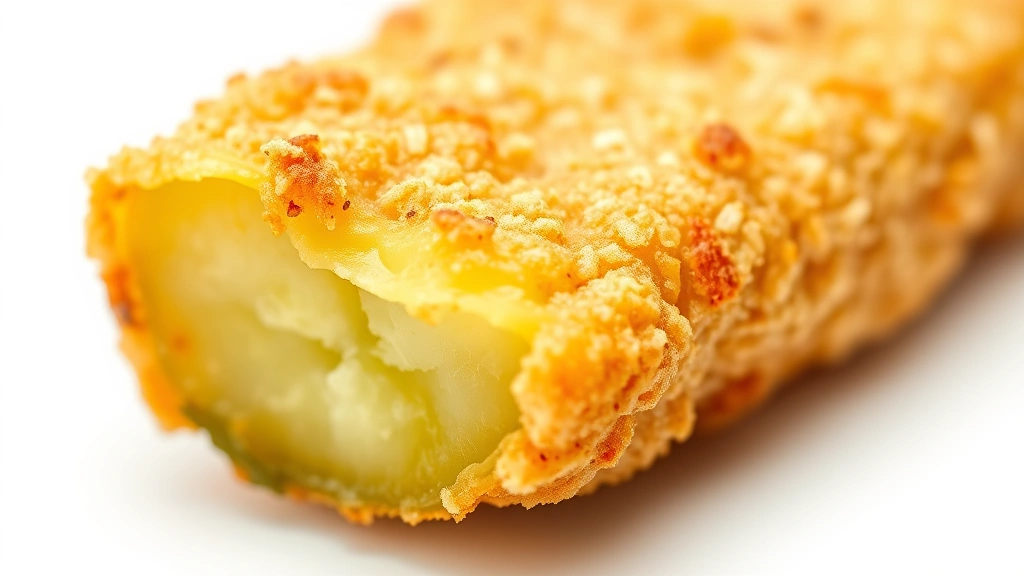
Working in batches of 6-8 pickles, carefully lower them into the hot oil. Don’t crowd the pan—they need space to fry evenly. They’ll sink, then float. Once they float, give them 1-2 more minutes. You’re looking for a deep golden brown, almost caramel-colored exterior. Use a slotted spoon to pull them out and place on a paper-towel-lined plate.
Season immediately with a pinch of salt while they’re still hot. The salt sticks better and flavors them evenly. Total frying time per batch: 3-4 minutes. Serve within 10 minutes for best crunch.
Air Fryer Shortcut
If you’ve got an air fryer, this is genuinely convenient. Preheat to 380°F. Lightly spray your coated pickles with cooking oil—this is important for browning. Arrange them in a single layer in the basket, not touching. Fry for 8-10 minutes, shaking the basket halfway through.
They won’t be quite as shatteringly crispy as deep-fried ones, but they’ll be genuinely good. The coating will be crunchy and the inside will be hot and tangy. You can also check out our Air Fryer Tilapia Recipe for more air fryer technique tips that apply to other foods too.
Dipping Sauces That Matter
Fried pickles need a sauce. Here are the ones that actually work:
Classic Ranch: Mix 1 cup sour cream, ½ cup mayo, 1 tablespoon fresh dill, 1 teaspoon garlic powder, salt, and pepper. This is your baseline.
Spicy Sriracha Mayo: Mix ½ cup mayo, 2 tablespoons sriracha, 1 tablespoon lime juice, and ½ teaspoon honey. The heat complements the tangy pickles perfectly.
Comeback Sauce: Mix ½ cup mayo, 2 tablespoons ketchup, 1 tablespoon sriracha, 1 teaspoon Worcestershire, juice of half a lemon. This is the Southern classic.
Garlic Aioli: Mix ¾ cup mayo, 3 minced garlic cloves, 1 tablespoon lemon juice, salt, and pepper. Simple and addictive.
Make your sauce 10 minutes before serving so flavors meld. All of these keep in the fridge for 3-4 days.
Common Mistakes & Fixes
Soggy coating: You didn’t dry the pickles enough. Next time, spend a full minute with paper towels and let them air-dry in the fridge.
Coating falling off: Your oil wasn’t hot enough, or you didn’t do the double dredge. Make sure oil hits 350°F and coat twice.
Burnt outside, raw coating inside: Oil was too hot. Stick to 350°F and use a thermometer. Don’t eyeball it.
Grease-soaked interior: You left them in too long. Once they float and turn golden, pull them out. 3-4 minutes max.
Coating tastes bland: You need more seasoning. Double the spices next time. Fried food needs bold seasoning.
If you’re interested in other crispy-coated fried recipes, check out our Banana Fritters Recipe for similar coating and frying techniques that work across different foods.
Storage & Reheating
Fresh fried pickles are best eaten immediately, but life happens. If you’ve got leftovers, store them in an airtight container in the fridge for up to 2 days. The coating will soften—that’s normal.
To reheat and restore crunch, preheat your oven to 375°F and bake them on a wire rack for 5-7 minutes. Don’t use the microwave; you’ll get a rubbery mess. The oven brings back the crunch better than anything else.
You can also make the coated pickles ahead and freeze them unbaked. Lay them on a baking sheet, freeze for 2 hours, then transfer to a freezer bag. They’ll keep for 2 months. Fry them straight from frozen, adding 1-2 minutes to the cooking time.
Frequently Asked Questions
Can I use sweet pickles instead of dill?
You can, but they won’t taste as good. The vinegar in dill pickles cuts through the richness of fried coating. Sweet pickles get cloying when fried. Stick with dill.
What oil should I use?
Vegetable oil, peanut oil, or canola oil all work. Avoid olive oil—its smoke point is too low. Avoid coconut oil—it’ll make them taste like coconut. High smoke point oils are your friend here.
Can I make this without buttermilk?
Yes. Mix regular milk with 1 tablespoon of white vinegar or lemon juice and let it sit for 5 minutes. It mimics buttermilk’s acidity. Or use plain yogurt thinned with a little milk.
How do I know when the oil is the right temperature?
Use a kitchen thermometer. If you don’t have one, drop a tiny piece of coating into the oil. It should sizzle immediately and brown in about 15-20 seconds. If it browns faster, oil’s too hot. If it sinks and doesn’t sizzle, it’s too cold.
Why do my pickles explode in the oil?
Water inside the pickle is turning to steam and escaping violently. This happens when oil is too hot or when you didn’t dry the pickles enough. Lower the heat to 350°F and make sure pickles are bone-dry before coating.
Can I batch-make these for a party?
Coat them ahead and refrigerate for up to 4 hours. Fry them in batches right before serving. Don’t fry them all at once and let them sit—they lose crunch fast. Serve in waves if needed.
What’s the difference between air frying and deep frying?
Deep frying gives you more surface area contact with hot oil, creating a more uniformly crispy exterior. Air frying is faster and uses less oil, but the texture is slightly less intense. Both taste good—it’s a convenience versus perfection trade-off.
Can I use pickle chips instead of spears?
You can, but they cook faster and get overdone more easily. If you use chips, reduce cooking time by 30-45 seconds. Spears are more forgiving and easier to eat.
How do I make these less greasy?
Make sure your oil is hot enough (350°F), don’t overcrowd the pan, and pull them out as soon as they’re golden. Greasy fried pickles usually means oil wasn’t hot enough or they stayed in too long. Also, drain them on paper towels immediately.
Can I add cheese to the coating?
You can add 2-3 tablespoons of grated Parmesan to the dry mixture. It adds flavor but doesn’t change the technique. If you want a heavier cheese coating, check out our Bruschetta Recipes with Mozzarella for ideas on working cheese into fried or baked dishes.
The Bottom Line
A great fried pickles recipe comes down to three things: dry pickles, proper coating, and correct oil temperature. Get those three right and you’re making restaurant-quality food at home. The coating technique is everything—that double dredge creates the shatter. The oil temperature is non-negotiable—use a thermometer. And serve them immediately with a sauce you actually like.
This isn’t complicated food. It’s straightforward technique applied to simple ingredients. You’ve got this. Make them this weekend and prove to yourself that bar food isn’t magic—it’s just knowing what you’re doing. The next time you’re at a restaurant and they bring out fried pickles, you’ll know exactly how they did it. And you’ll make them better at home.


