
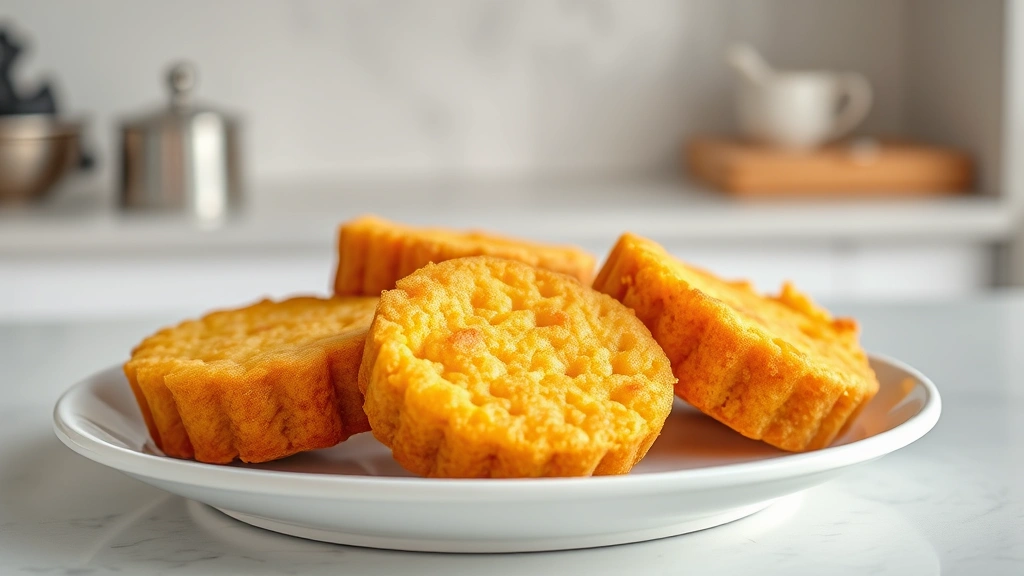
A fried cornbread recipe brings crispy golden edges and a tender, moist center that’ll have your family asking for seconds. This Southern classic takes just 30 minutes from mixing bowl to dinner table, and the payoff is absolutely worth it.
Table of Contents
Why Fried Cornbread Works
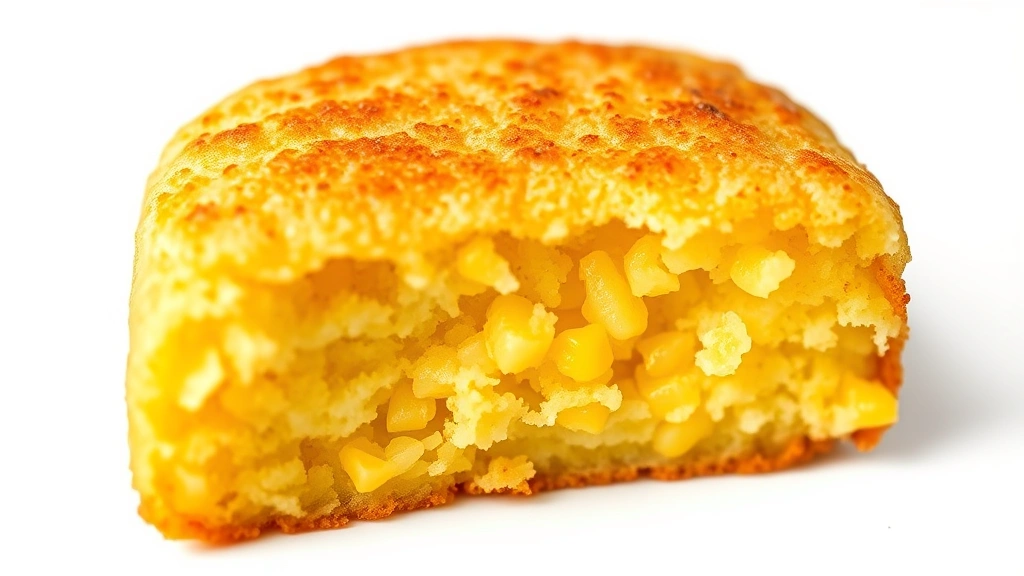
Fried cornbread hits different than baked versions. The hot oil creates an instant crust while the interior stays moist and tender—you get that textural contrast that makes people come back for more. The cornmeal itself has a natural sweetness that caramelizes beautifully when it hits the oil, giving you that golden-brown exterior without being heavy or greasy.
This isn’t fancy restaurant cooking; it’s straightforward kitchen craft. You’re working with basic pantry staples and a technique that’s been perfected over generations in Southern kitchens. The beauty of this approach is that there’s no special equipment needed beyond what you already have.
Ingredients You Need
Keep your ingredient list simple and focused. You’ll need:
- 1 cup cornmeal (yellow or white, your choice)
- 3/4 cup all-purpose flour
- 2 tablespoons sugar
- 2 teaspoons baking powder
- 1 teaspoon salt
- 1 cup buttermilk (or milk with a splash of vinegar)
- 1 egg
- 2 tablespoons melted butter
- Oil for frying (vegetable, canola, or peanut oil)
The cornmeal is your star ingredient here. Don’t use polenta or masa harina—you want standard cornmeal with a medium grind. The buttermilk adds tang and helps activate the baking powder for lift. If you’re out of buttermilk, mix regular milk with a tablespoon of lemon juice or white vinegar and let it sit for five minutes.
Mixing the Batter Right
This is where patience pays off. Start by whisking together your dry ingredients in a medium bowl: cornmeal, flour, sugar, baking powder, and salt. Make sure everything’s evenly distributed—no pockets of baking powder that’ll create bitter spots.
In a separate bowl, whisk your buttermilk, egg, and melted butter together. Pour the wet mixture into the dry ingredients and stir until just combined. Stop as soon as you don’t see dry flour anymore. Overmixing develops gluten, which makes cornbread tough and dense. You want a batter that’s slightly lumpy—that’s actually the sign of proper technique.
Let the batter rest for about five minutes while you get your oil heating. This gives the baking powder time to start working and lets the cornmeal fully hydrate, resulting in better texture in the finished product.
Oil Temperature Matters Most
This is the make-or-break step for your fried cornbread recipe. You need your oil at 350°F (175°C)—not hotter, not cooler. Use a deep-fry thermometer or an instant-read thermometer clipped to the side of your pot. If you don’t have either, drop a small piece of bread into the oil; it should sizzle immediately and turn golden in about 60 seconds.
Oil that’s too cool produces greasy, soggy cornbread. Oil that’s too hot burns the outside before the inside cooks through. At 350°F, you get that golden crust and a fully cooked interior in about 3-4 minutes per side.
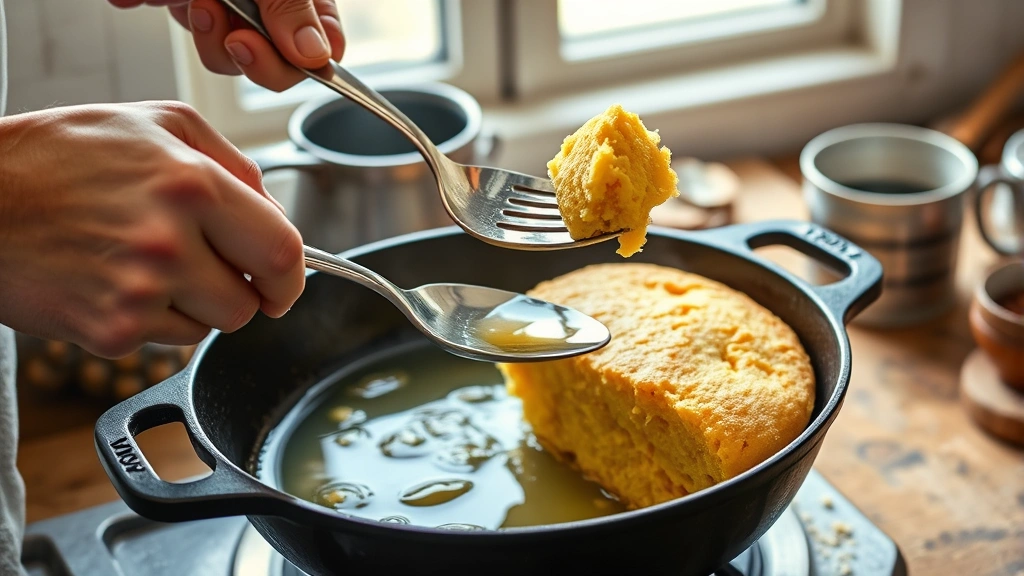
Use enough oil so your cornbread pieces are half-submerged. You’re not deep-frying here; you’re shallow-frying for efficiency and control. A heavy-bottomed Dutch oven or cast-iron skillet works perfectly. Avoid thin aluminum pans that heat unevenly.
Frying Technique & Timing
Once your oil’s at temperature, carefully drop spoonfuls of batter into the oil. Each spoonful should be roughly the size of a golf ball—about 2 tablespoons. Work in batches of 4-5 pieces at a time so you don’t crowd the pan. Crowding drops the oil temperature and creates steaming instead of frying.
Let each piece cook for 2-3 minutes on the first side until it’s deep golden brown. Flip it over gently with a slotted spoon or spider strainer, then cook the other side for another 1-2 minutes. The second side cooks faster because the exterior’s already set.
Watch for color, not just time. Every stove’s different, and oil temperature can fluctuate. Golden brown is your target—dark mahogany means you’ve pushed it too far. The cornbread should sound crispy when you tap it, not soft or mushy.
Draining and Serving Hot
Transfer your fried cornbread to a paper towel-lined plate immediately. The paper towels absorb excess oil without cooling the cornbread too much. Let them sit for just a minute or two—this firms up the crust slightly while they’re still hot.
Serve immediately. Fried cornbread is best eaten within 10 minutes of cooking while the outside’s crispy and the inside’s still steaming. Pair it with butter, honey, or a drizzle of hot sauce. Some folks like it with a smear of jam. Others serve it alongside chili, pulled pork, or collard greens.
If you’re feeding a crowd, keep finished pieces warm in a 200°F oven while you work through remaining batches. Spread them on a wire rack rather than stacking them on a plate—this keeps the bottom from getting soggy.
Storage and Reheating Tips
Leftover fried cornbread keeps for two days in an airtight container at room temperature. After that, the texture starts degrading and staleness sets in. You can refrigerate it for up to four days if you need to, but it’s never quite as good as fresh.
To reheat, place pieces on a baking sheet and warm them in a 325°F oven for 5-7 minutes. This restores the crispy exterior without drying out the interior. A toaster oven works great for small batches. Avoid the microwave—it’ll make them tough and rubbery.
You can also freeze fried cornbread for up to three months. Let them cool completely, wrap each piece individually in plastic wrap, then store them in a freezer bag. Reheat from frozen in a 350°F oven for 10-12 minutes.
Troubleshooting Common Issues
Greasy, soggy cornbread: Your oil wasn’t hot enough. Check your thermometer and wait for oil to reach a full 350°F before adding batter. Also, make sure you’re not overcrowding the pan—too many pieces at once drops the temperature.
Burnt outside, raw inside: Oil’s too hot or you’re cooking too long. Reduce heat slightly and check pieces at the 2-minute mark on the first side. They should be light golden, not dark brown yet.
Batter falling apart: Your batter might be too thin. Make sure you’re measuring flour correctly—spoon it into the measuring cup and level it off, don’t scoop directly from the bag. Also check that your baking powder’s fresh; old baking powder won’t provide enough lift.
Dense, heavy texture: You overmixed the batter. Stir just until dry ingredients disappear, then stop. Lumps are fine and actually desirable.
Flavor Variations to Try
Once you’ve mastered the basic fried cornbread recipe, experiment with additions. Stir in 1/2 cup fresh corn kernels for texture and sweetness. Add 1/4 cup shredded sharp cheddar cheese and a pinch of cayenne for savory depth. Mix in 2 tablespoons honey and a teaspoon of vanilla extract for subtle sweetness.
Some cooks add crispy bacon bits or diced jalapeños. Others incorporate a tablespoon of hot sauce into the wet ingredients. The framework stays the same; you’re just tweaking flavors to match your preferences or what you’re serving alongside.
For a sweeter version that works as dessert, increase sugar to 3 tablespoons and add a teaspoon of cinnamon. Dust finished pieces with cinnamon sugar while they’re still warm. It’s not traditional, but it’s delicious—similar in spirit to how you might handle edible cookie dough, where you’re building on familiar foundations.
Pairing Suggestions
Fried cornbread pairs beautifully with Southern comfort foods. Serve it alongside slow-cooker chili for a casual dinner. It works with pulled pork sandwiches, fried catfish, or collard greens. For breakfast, pair it with scrambled eggs and bacon.
You can also serve it as an appetizer at parties. Set out small bowls of honey, hot sauce, and flavored butters for dipping. People love the interactive element, and it’s a great way to use up leftover cornbread.
If you’re planning a meal around fried cornbread, think about texture and richness. Balance it with something light like a fresh salad or acidic like pickled vegetables. The cornbread is rich and satisfying, so you don’t want everything on the plate to be heavy.
Frequently Asked Questions
Can I make this fried cornbread recipe without buttermilk?
Absolutely. Mix regular milk with a tablespoon of lemon juice or white vinegar and let it sit for five minutes. It won’t taste identical to buttermilk, but it’ll work functionally. You could also use plain yogurt thinned with a bit of milk. The key is having something acidic to activate the baking powder.
What’s the best oil for frying cornbread?
Use vegetable, canola, or peanut oil. These have high smoke points (above 400°F) and neutral flavors that don’t compete with the cornbread. Avoid olive oil—it has a lower smoke point and will impart flavor. Don’t use coconut oil either; it solidifies as the cornbread cools.
How do I know when the oil’s the right temperature?
Use a deep-fry or instant-read thermometer—it’s the most reliable method. If you don’t have one, drop a small cube of bread into the oil. It should sizzle immediately and turn golden brown in about 60 seconds. If it browns faster, oil’s too hot. If it takes longer, it’s not hot enough.
Can I bake this instead of frying?
You can, but it won’t be the same product. Baked cornbread is denser and lacks the crispy exterior. If you want to bake it, pour the batter into a greased 8×8 baking pan and bake at 400°F for 20-25 minutes. It’s good, but it’s not fried cornbread.
How much cornbread does this recipe make?
This batch makes about 16-20 pieces, depending on how big you make each spoonful. One recipe easily feeds 4-6 people as a side dish, or 8-10 as an appetizer.
Can I prepare the batter ahead of time?
You can mix it up to 2 hours ahead and keep it covered at room temperature. Don’t refrigerate it—cold batter fries differently and doesn’t cook through evenly. If you need to prep further ahead, mix the dry ingredients separately and combine them with wet ingredients just before frying.
What if my cornbread pieces are unevenly sized?
They’ll cook at different rates. Smaller pieces finish first, larger ones need more time. Use a slotted spoon to remove pieces as they reach golden brown, rather than timing everything the same. This takes a bit more attention but ensures nothing gets overdone.
Is there a way to make this less greasy?
Maintain proper oil temperature—oil that’s too cool produces greasy results. Also, don’t let finished pieces sit in the oil; remove them promptly and drain them on paper towels. Finally, don’t stack hot cornbread; spread it on a wire rack so air circulates and excess oil drains away.
Final Thoughts
A proper fried cornbread recipe is one of those kitchen skills that looks intimidating until you actually do it. Once you nail the oil temperature and batter consistency, you’ve got a technique that produces reliable, delicious results every single time. The whole process takes less than 30 minutes, and the payoff is a crispy, golden-brown side dish that tastes like someone spent hours in the kitchen.
Start with the basic version, master the fundamentals, then play with flavor variations once you’re comfortable. Keep your thermometer handy, don’t overcrowd the pan, and pull pieces out the moment they’re golden. That’s really all there is to it. Your family will think you’ve unlocked some secret Southern cooking knowledge—and in a way, you have.


